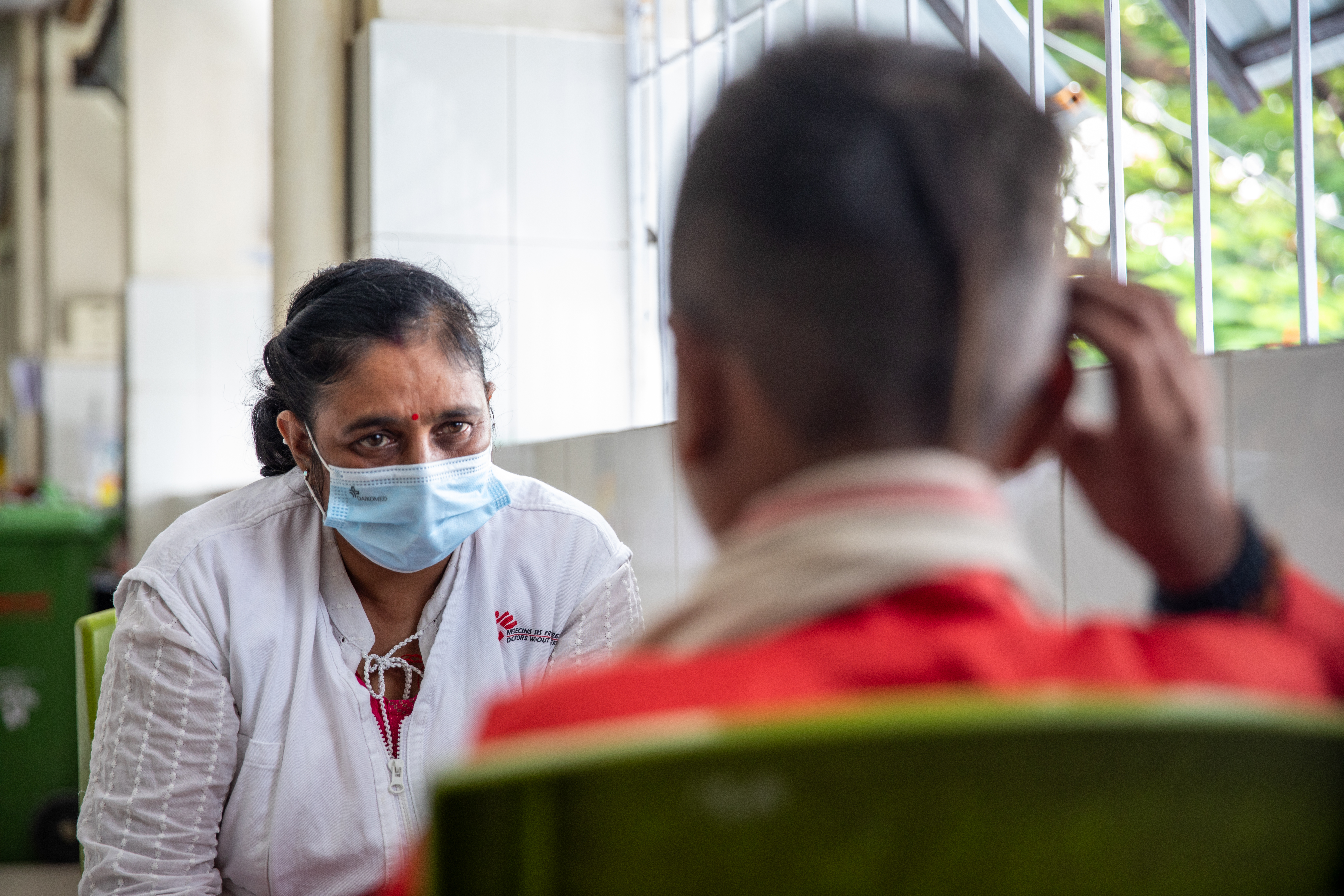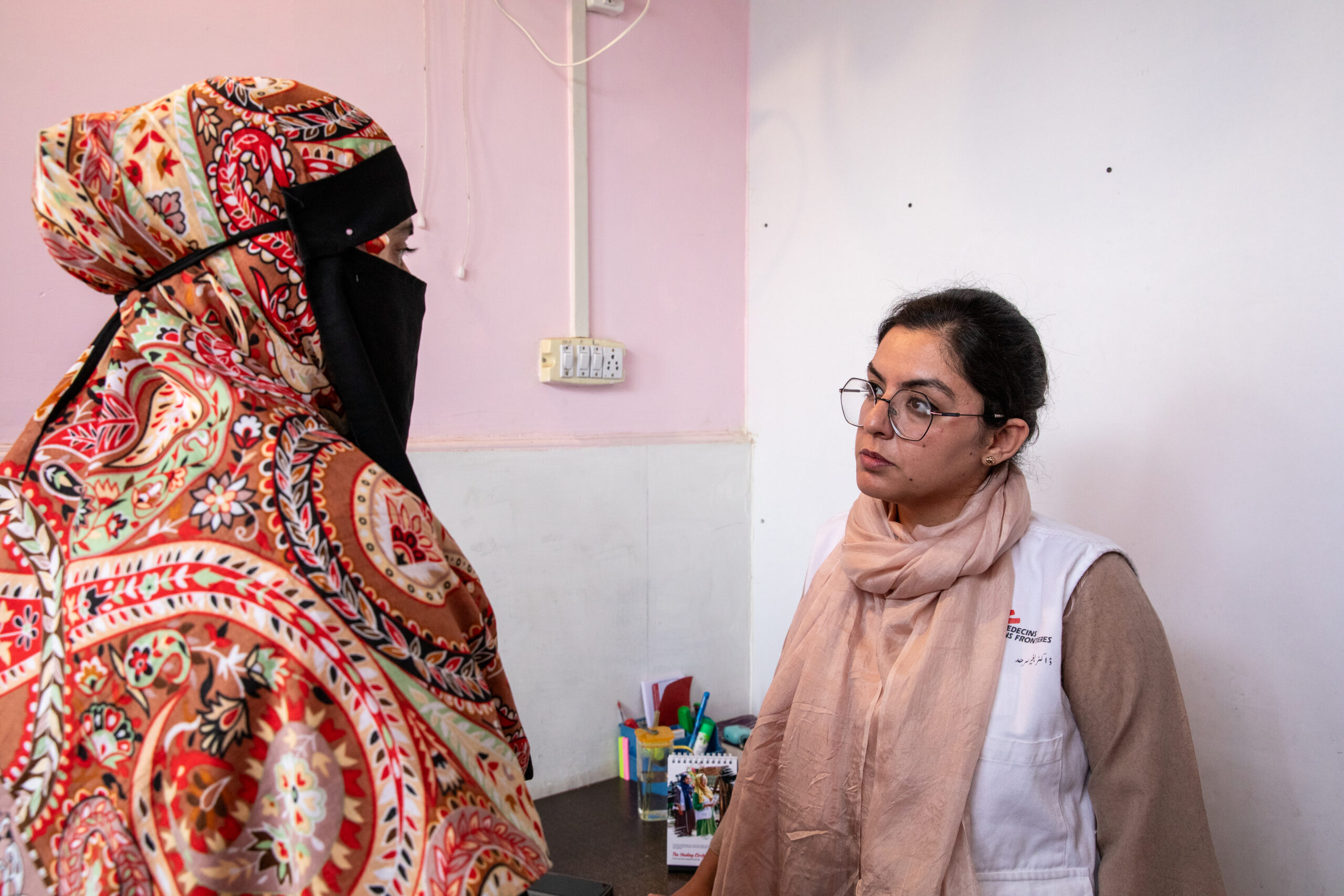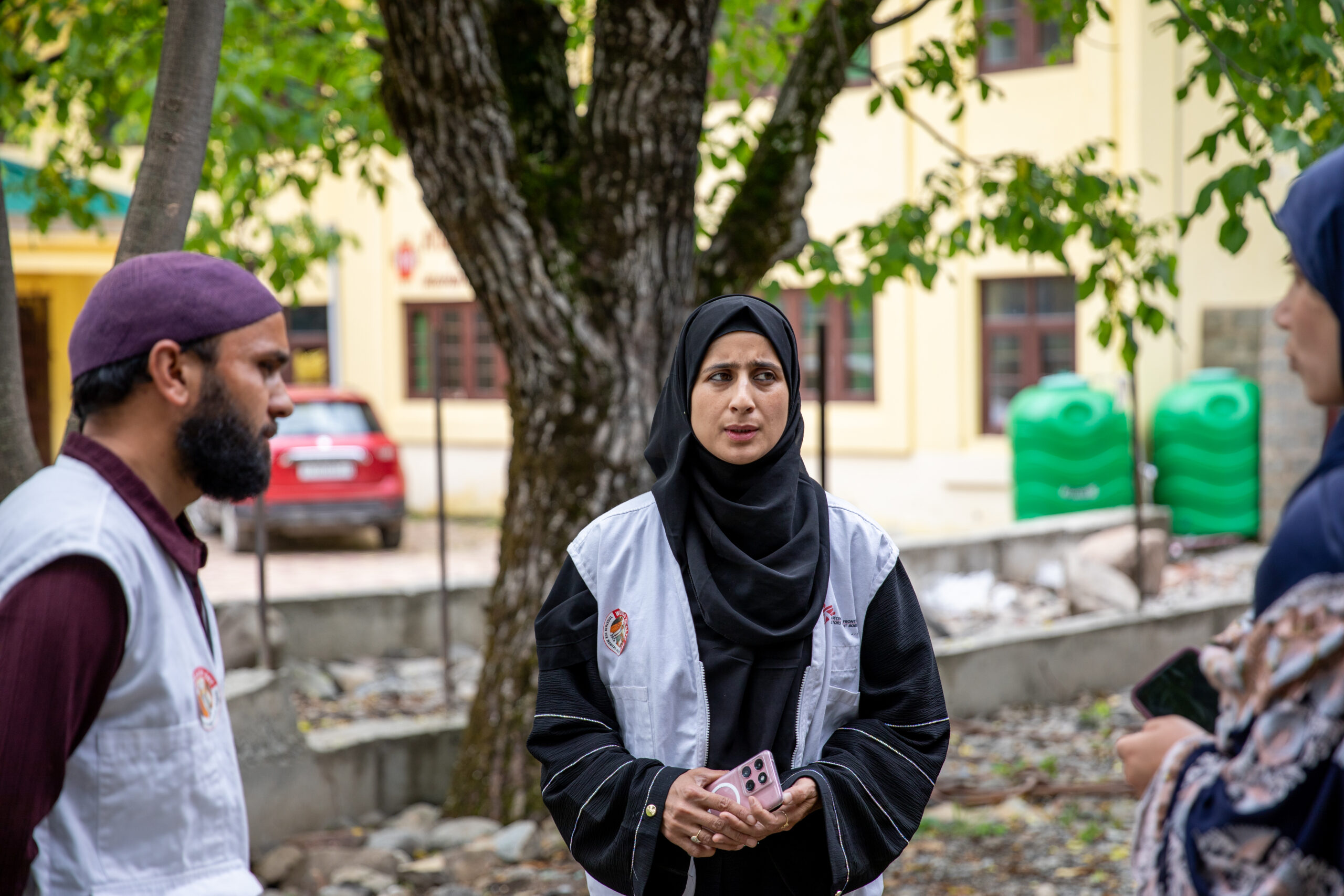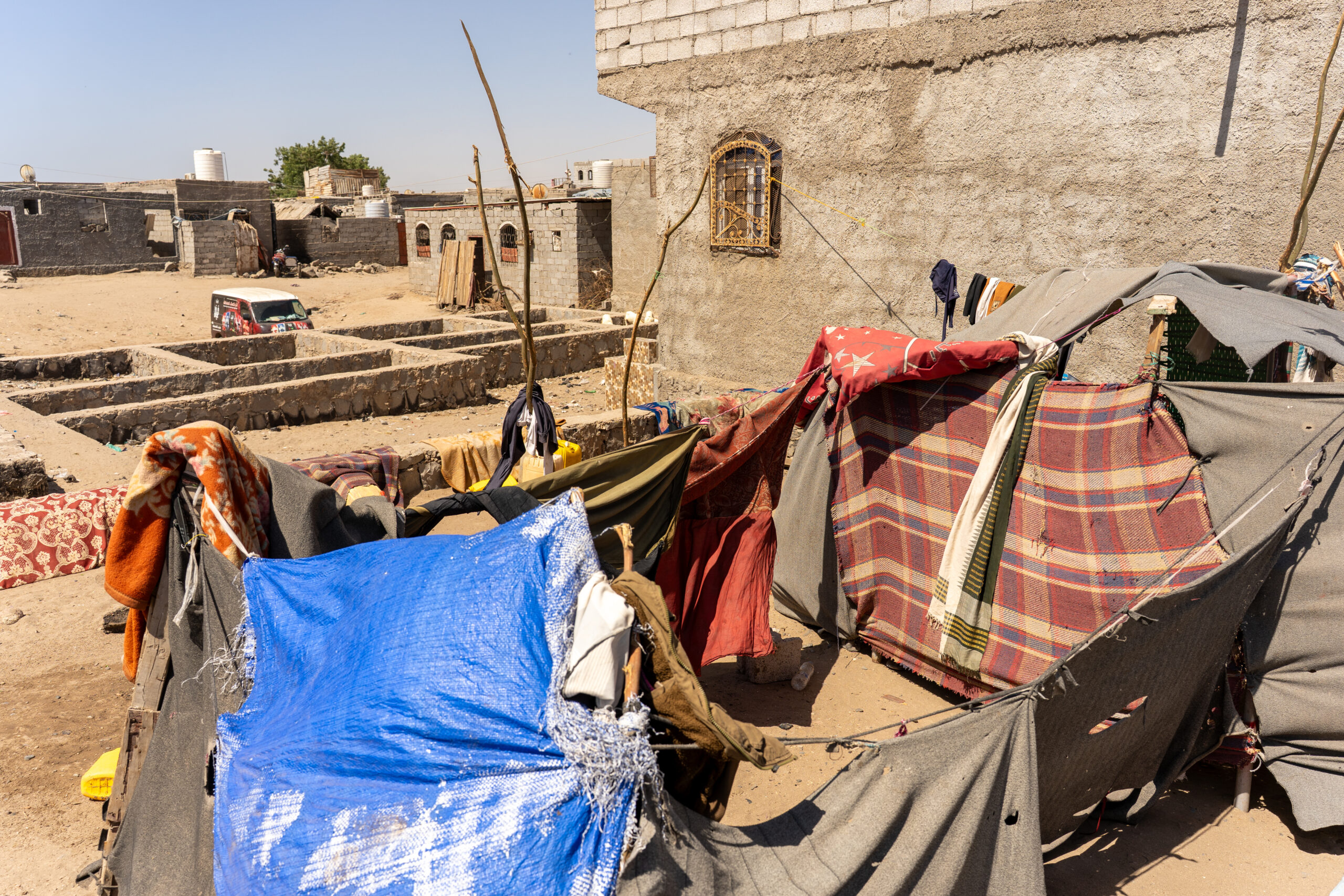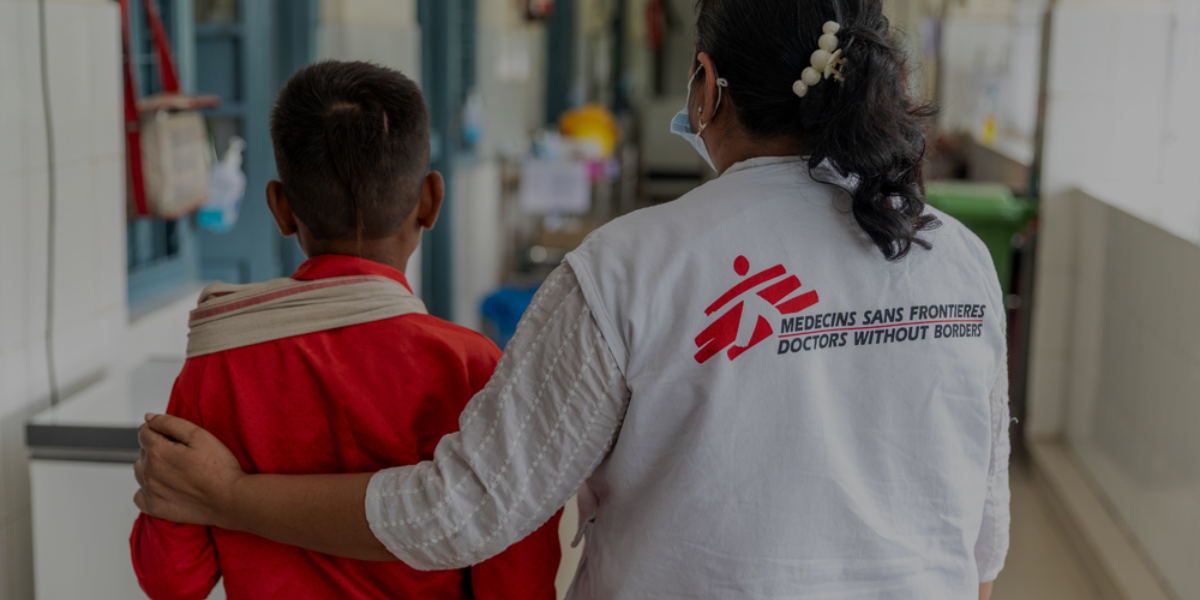
Sameer* is a 16-year-old boy from Bihar. At 11, Sameer had already lost both parents to HIV and was losing faith that medicine could save him until a team of doctors and counsellors at MSF showed him that survival was not just about taking pills, but about finding reasons to hope.
To reach the Doctors Without Borders/Médecins Sans Frontières (MSF) clinic, he walks two kilometres from his village, then takes a boat and an auto-rickshaw to Guru Gobind Singh Hospital in Patna, a journey of about three to four hours. He was diagnosed with HIV in 2012 at the Rajendra Memorial Research Institute in Patna and started antiretroviral treatment. At that time, both his parents had died from HIV. His grandfather, brother and sister cared for him at home. Sameer did not attend school and struggled to take his medication consistently.
In 2021, Sameer’s health worsened with stomach pain, cold and cough. He sought treatment at Patna Medical College and Hospital, where he was referred to MSF’s ward for specialised care. He was admitted for one month. During this time, doctors, nurses and counsellors provided medical treatment and emotional support. They asked Sameer why his health had deteriorated. He admitted that he had not been taking his medication properly. The MSF team helped him understand the importance of regular treatment and supported him with care and encouragement. After discharge, Sameer continued to collect his medicines from the antiretroviral treatment centre and maintained treatment for six months.
However, his health declined again, leading to a second admission to the MSF ward. The medical team was concerned and arranged a home visit. The patient support team found that Sameer had been hiding his medicines without taking them regularly. He had taken them for one to four months before stopping. When asked why, Sameer explained that he believed the medicine would not help because his parents had died despite taking antiretroviral drugs. This loss and despair were major barriers to his treatment adherence.
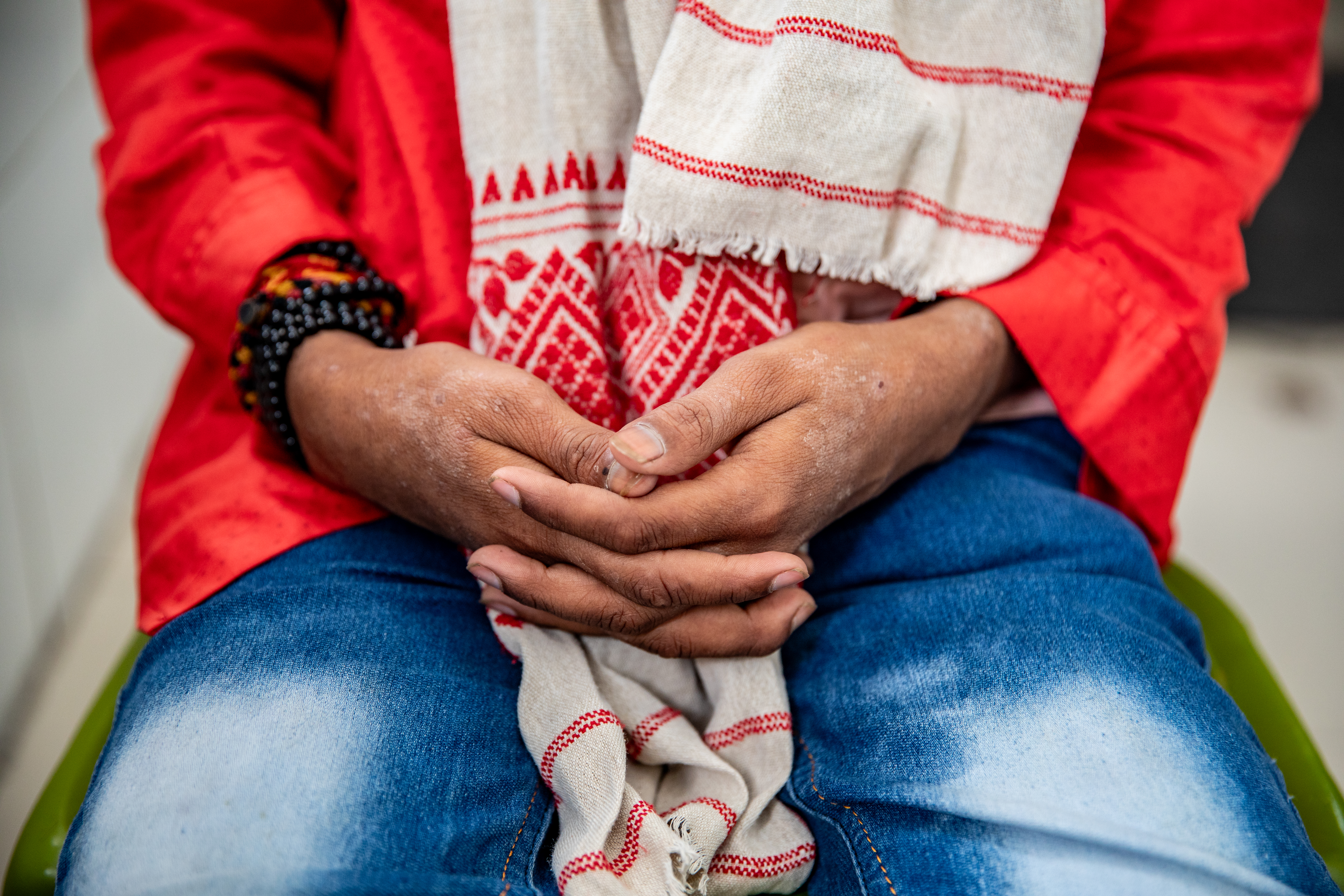
Despite this, Sameer trusted MSF’s care and believed MSF’s advanced HIV care centre was a place where he could get better. This trust led him to seek admission whenever he fell ill, often coming alone. The MSF team’s patient and empathetic approach helped nurture his desire to live and recover.
Sameer’s experience highlights the complex challenges faced by people living with HIV in Bihar. These include the physical difficulties of accessing treatment in remote areas and the psychological burden of stigma, loss and hopelessness. MSF’s comprehensive care model addresses these challenges by combining medical treatment with mental healthcare, counselling and community support. This approach is essential to improving treatment outcomes and quality of life for patients like Sameer.
*Name in this story have been changed to protect the privacy of individuals.