NEW YORK, April 23, 2026—As the US Supreme Court prepares to hear a case affecting the legal status of many Haitians in the US, Doctors Without Borders/Médecins Sans Frontières (MSF) is warning that humanitarian conditions in Haiti have deteriorated severely in recent years, including access to medical care, endangering anyone forced to return.
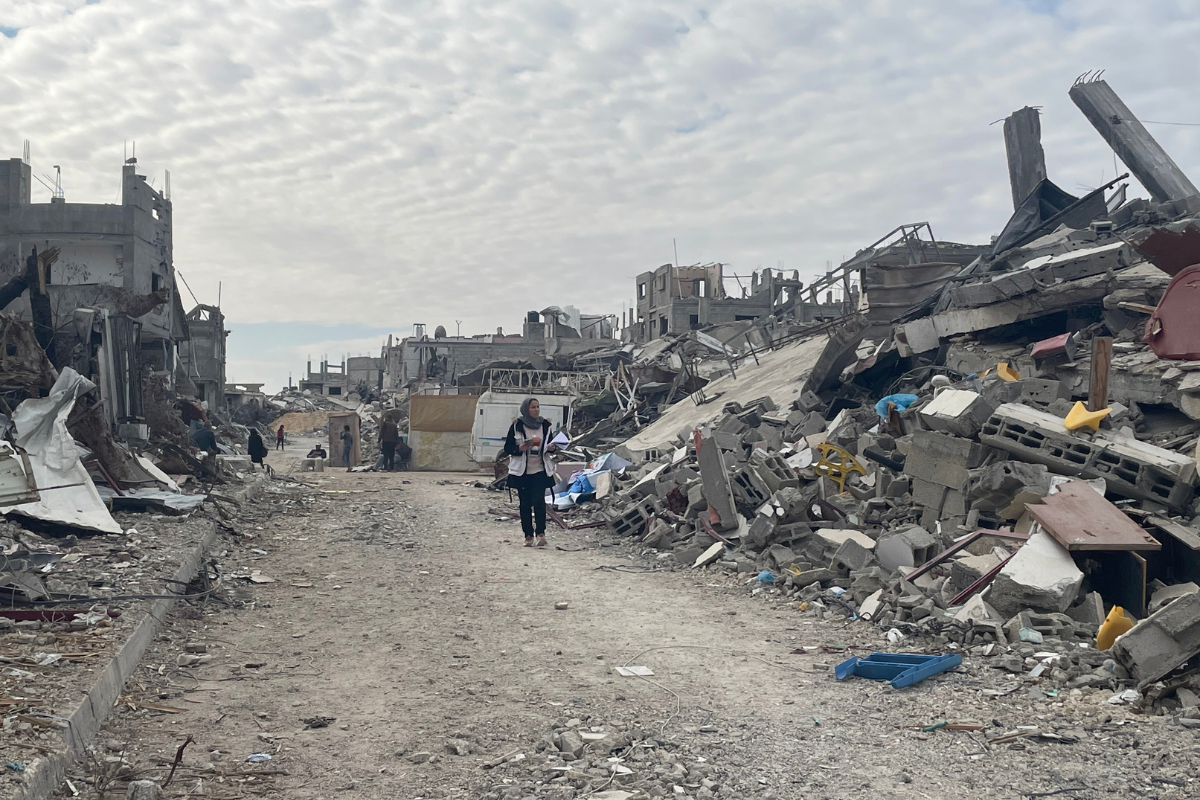
“Haiti has become a far more dangerous place to live, work or seek medical care,” Tirana Hassan, CEO of MSF USA, said today. “Over the last eight years, Port-au-Prince and other regions including the Artibonite and Centre departments have fallen into severe humanitarian crises, with extreme insecurity and a steep decline in essential services including water, sanitation and medical care. Armed groups are continually battling the government and its supporters for territorial control. Residents are subjected to violence on all sides, caught in the crossfire, killed at checkpoints or attacked in their homes.”
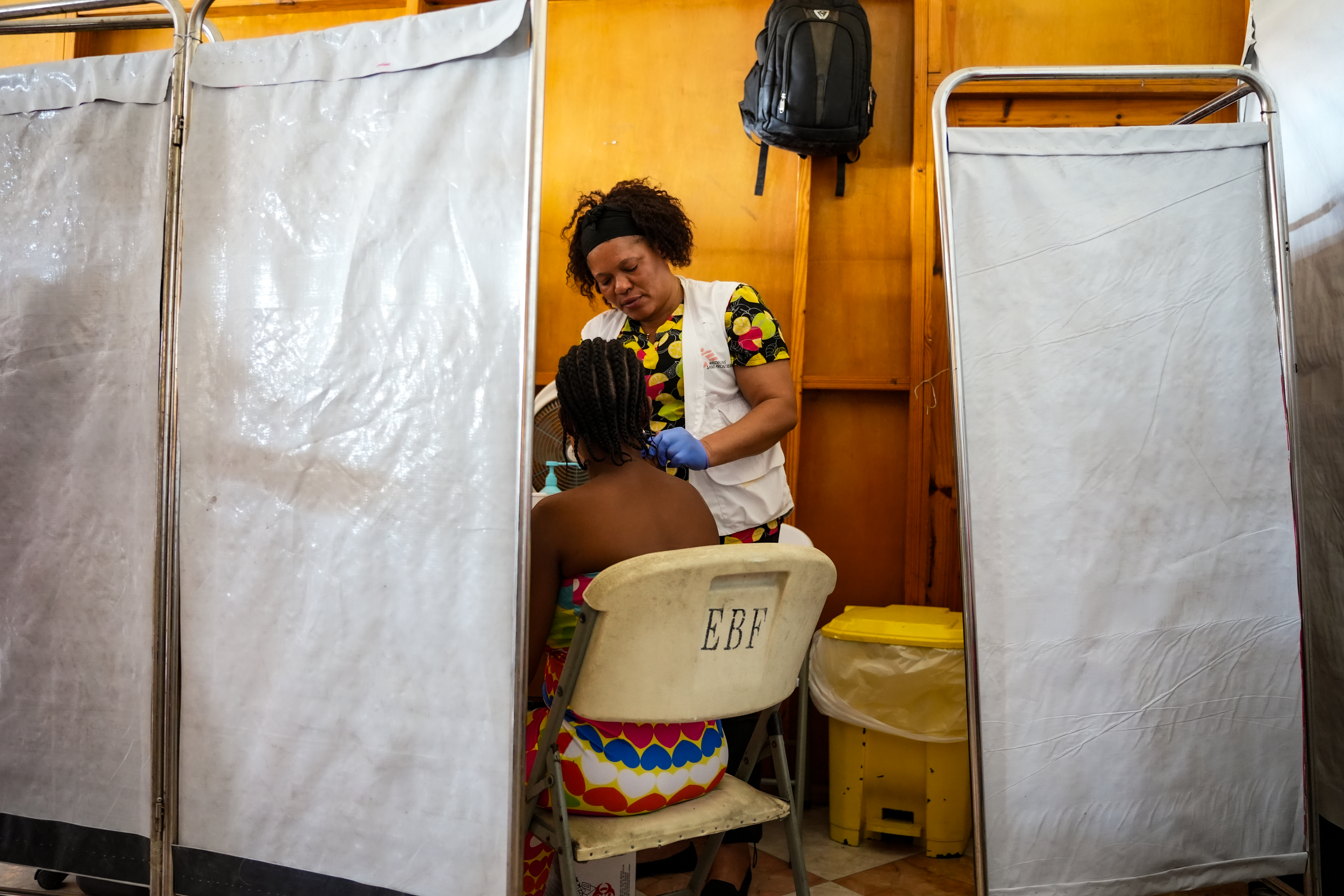
More than 350,000 Haitians currently live in the US under Temporary Protected Status (TPS), a humanitarian program that allows people from designated countries to live and work in the US. Haitians were eligible for TPS due to a series of severe crises and instability in the country in recent years. The Trump administration is reviewing or terminating protections for several countries with ongoing humanitarian crises and officially ended TPS designation for Haiti in February, but lower courts temporarily blocked this termination. A bipartisan group of lawmakers in the House of Representatives has also voted to extend TPS for three years, and the bill has not yet advanced in the Senate. Now, in a case scheduled to go before the Supreme Court on April 29, Trump v. Miot, the administration is expected defend its efforts to end TPS, based in part on its arguments that conditions in Haiti are safe enough for people to return.
Yet nothing could be further from the reality that MSF teams witness in Haiti every day. Since violence escalated in early 2024, more than 60 percent of medical facilities in Port-au-Prince have been closed or are only partly functioning. Some have been looted, burned and abandoned, while others face critical shortages of supplies, medicines or staff. Many people are too afraid to seek health care, even if they have an urgent need.
In the past week alone, extremely violent fighting has broken out between several rival armed groups in two neighborhoods of Port-au-Prince, forcing hundreds of families to flee their homes in the middle of the night in torrential rain.
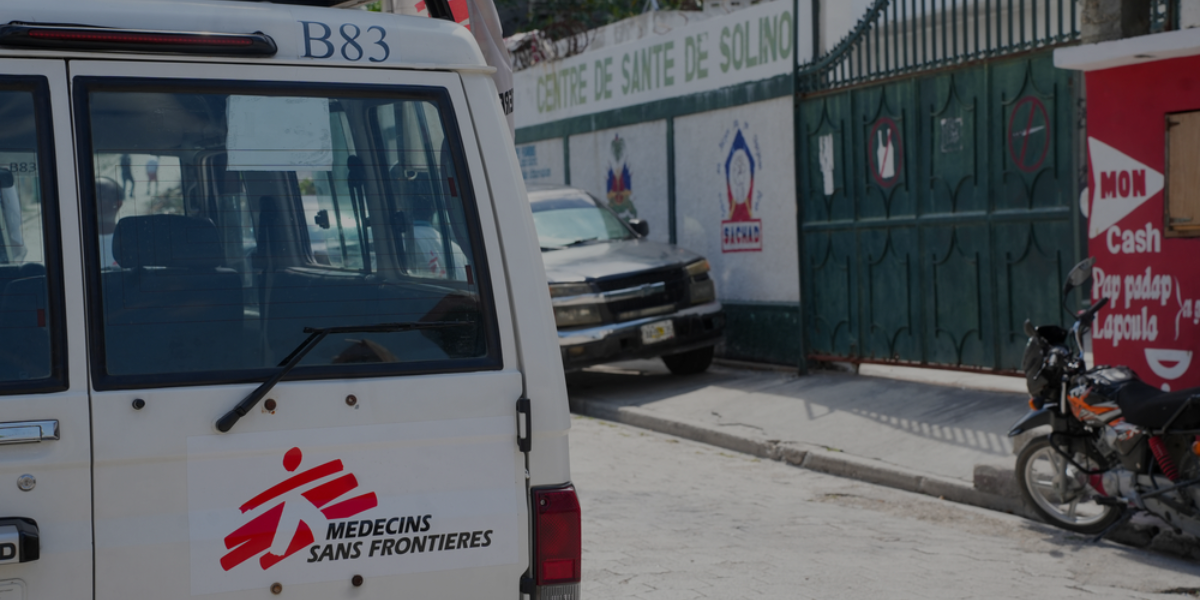
Over the weekend of April 18 and 19, members of our staff called us to say they were trapped in their homes due to the gunfire and had no way to escape. Nearly 40 people, including MSF staff members accompanied by their families, came to seek refuge in our hospital in Cité Soleil, having nowhere else safe to go.
Davina Hayles
MSF head of mission in Haiti
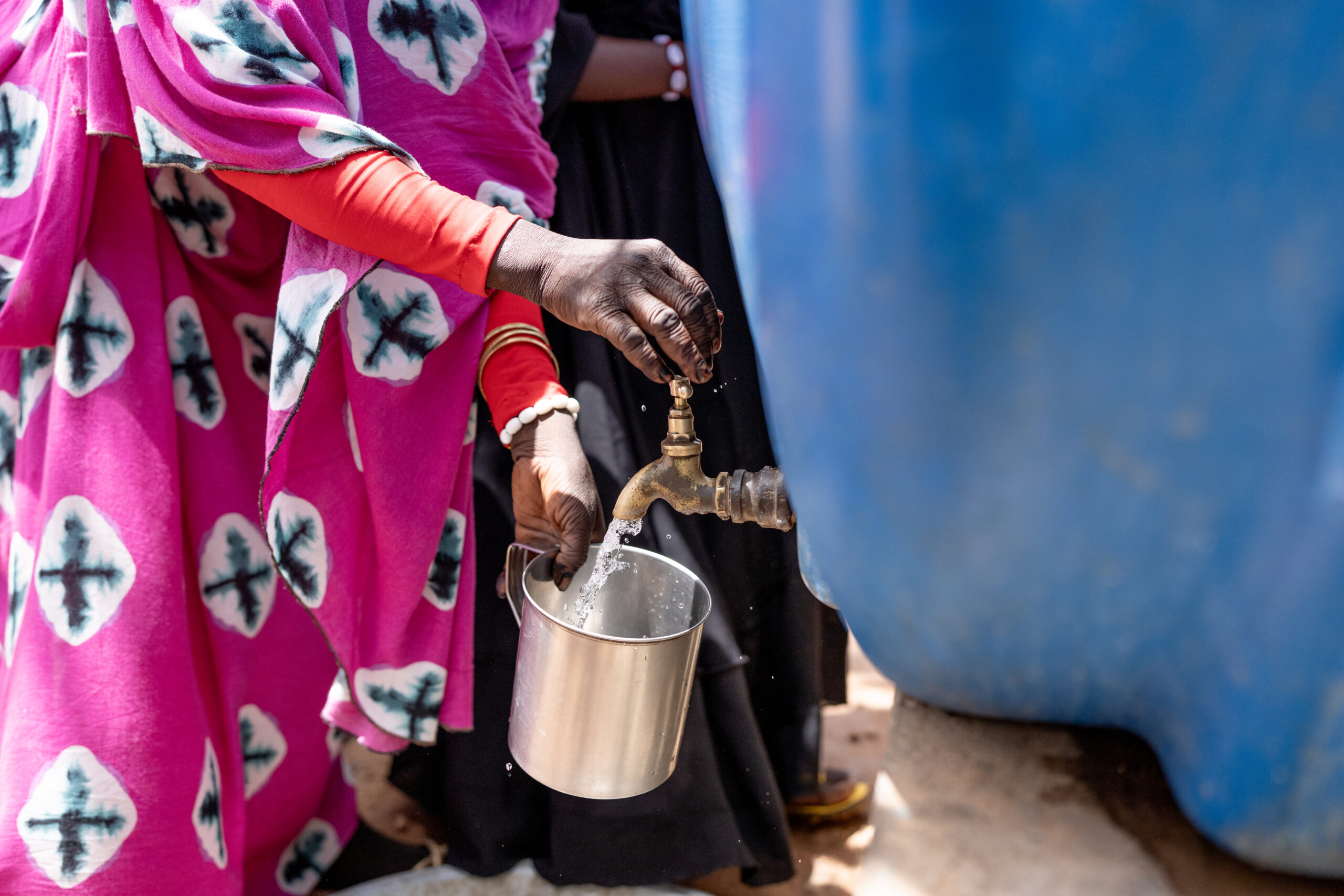
More than 1.4 million people have fled their homes because of violence in Haiti and are sheltering in other locations across the country, according to UN estimates, in areas without adequate medical care or other essential services. Groups of families are sharing single rooms in public buildings such as schools or living in makeshift camps. MSF teams running mobile clinics see a rise in conditions that are linked to the lack of clean water.
MSF staff routinely hear gunshots echoing through the neighborhoods where they work, even as they respond to overwhelming unmet needs. On better days, hundreds of patients line up outside MSF’s Cite Soleil hospital in the morning seeking everything from emergency care to follow-up appointments for chronic conditions.
Medical workers in what remains of Haiti’s struggling public health system could tell a similar story. Only one public hospital in the capital can still perform surgeries, and it is routinely overloaded.
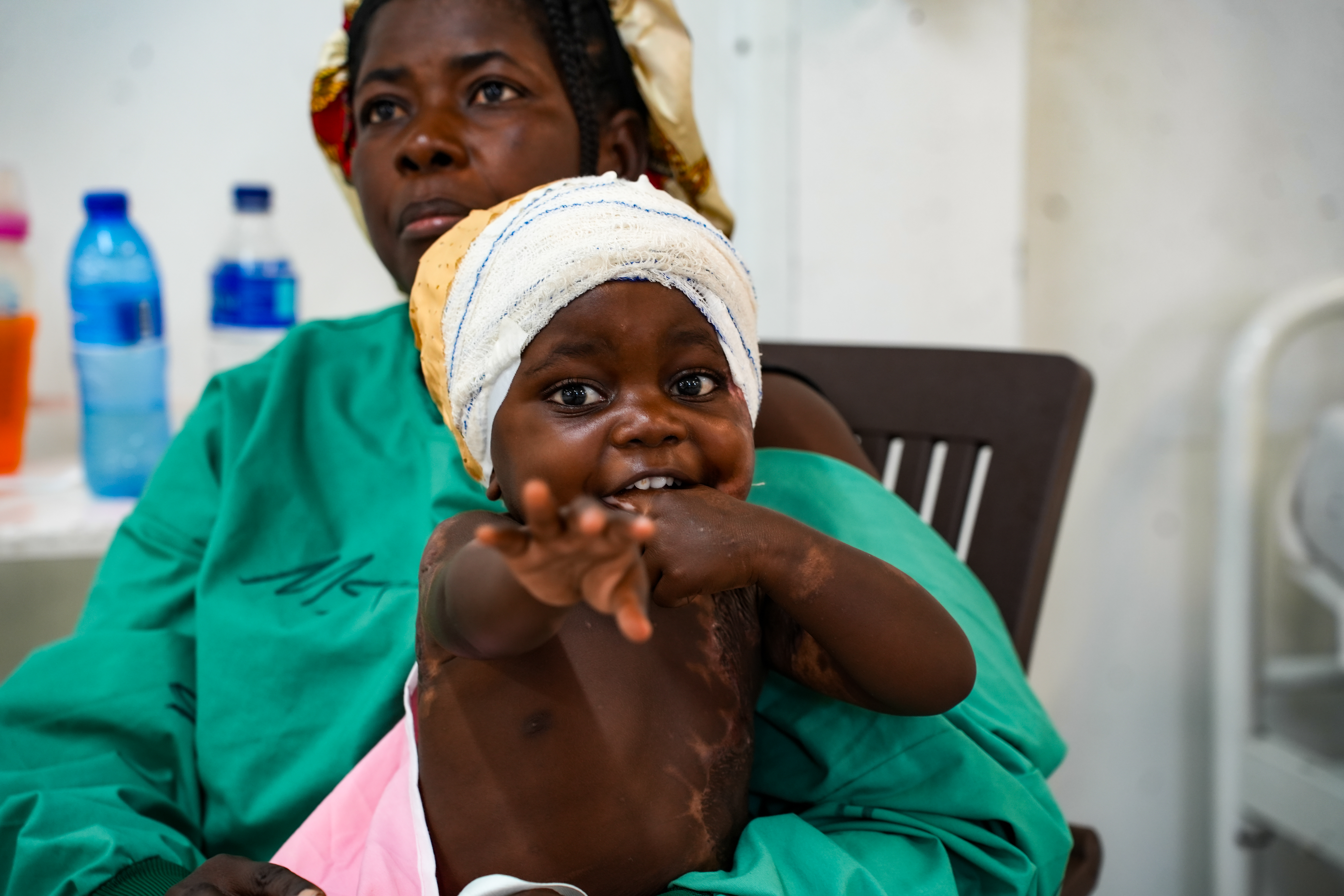
Venski was admitted after a pot full of boiling water felt on him, causing him severe burns all over the body. He stayed at the hospital for several months and received skin graft. ©Marx Stanley Léveillé/MSF
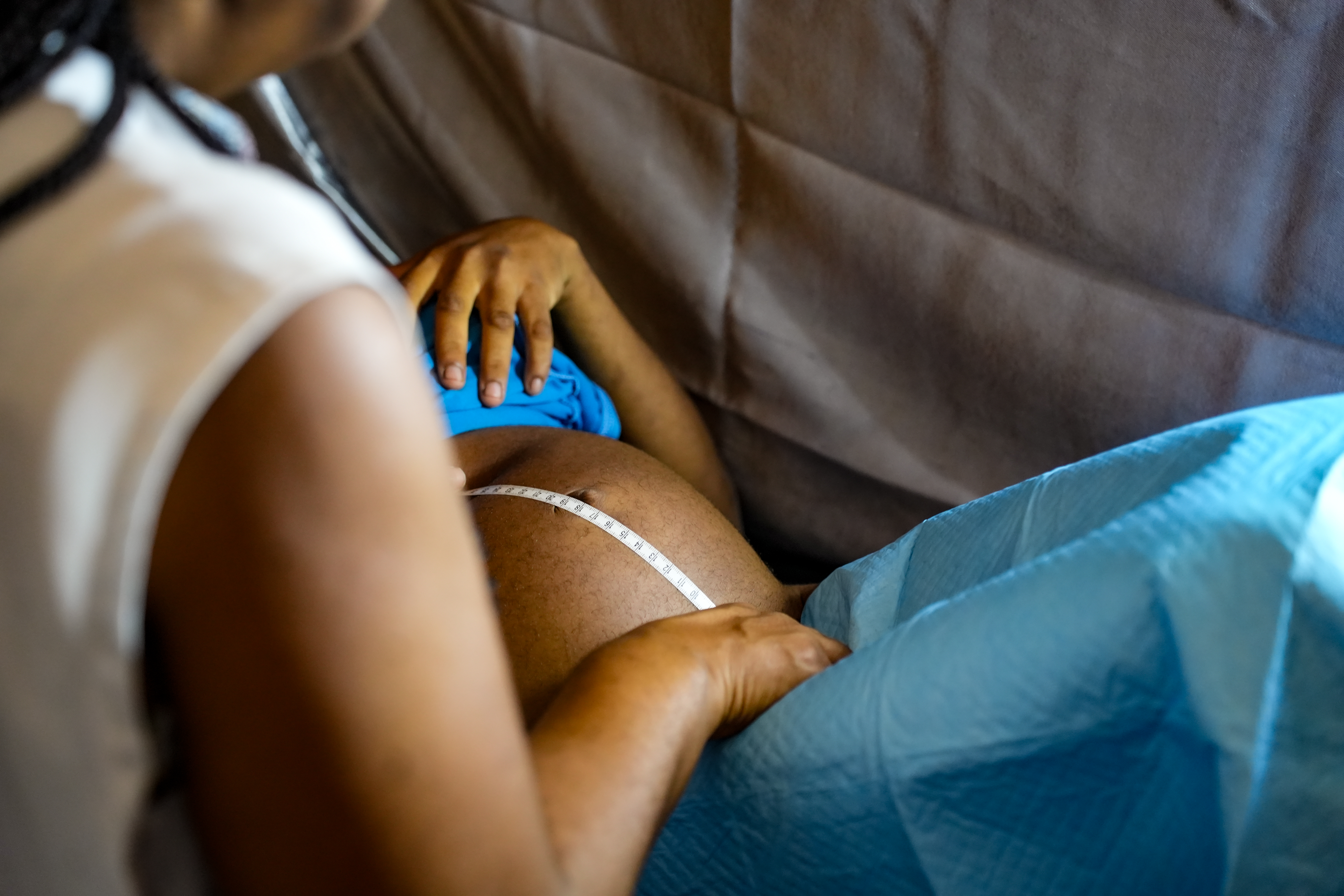
People are risking their lives simply to reach a medical facility—sometimes while in labor, or after being wounded, or surviving sexual violence. This is an intolerable situation for people in Haiti, and it would only compound the crisis to return Haitian TPS holders from the US against their will, putting them in harm’s way. We urge US policymakers to recognize this reality.
Tirana Hassan
CEO of MSF USA
MSF has worked in Haiti for 35 years. Last year, MSF teams provided 129,458 medical consultations, including 12,984 for children under 5, assisted 2,812 deliveries, performed 8,469 surgeries, provided care to 4,975 survivors of sexual violence, provided treatment to 3,650 people for injuries from violence, and conducted 19,819 physiotherapy sessions.