My name is Nisha*, and I am 31 years old. I live in a large family with my two daughters and many relatives. Living with HIV has been a difficult journey, but it has also taught me a lot about strength, hope, and the importance of support.
Early Symptoms and Diagnosis
I first started feeling very unwell with fever, coughing, vomiting, and losing weight. I went to hospitals in Samastipur and Darbhanga, but the treatment did not help. Finally, when I came to the Doctors Without Borders/Médecins Sans Frontières (MSF) Advanced HIV care center in Patna, Bihar, I was diagnosed with HIV. I was scared and worried about what this meant for me and my family.
Facing Challenges and Family Reactions
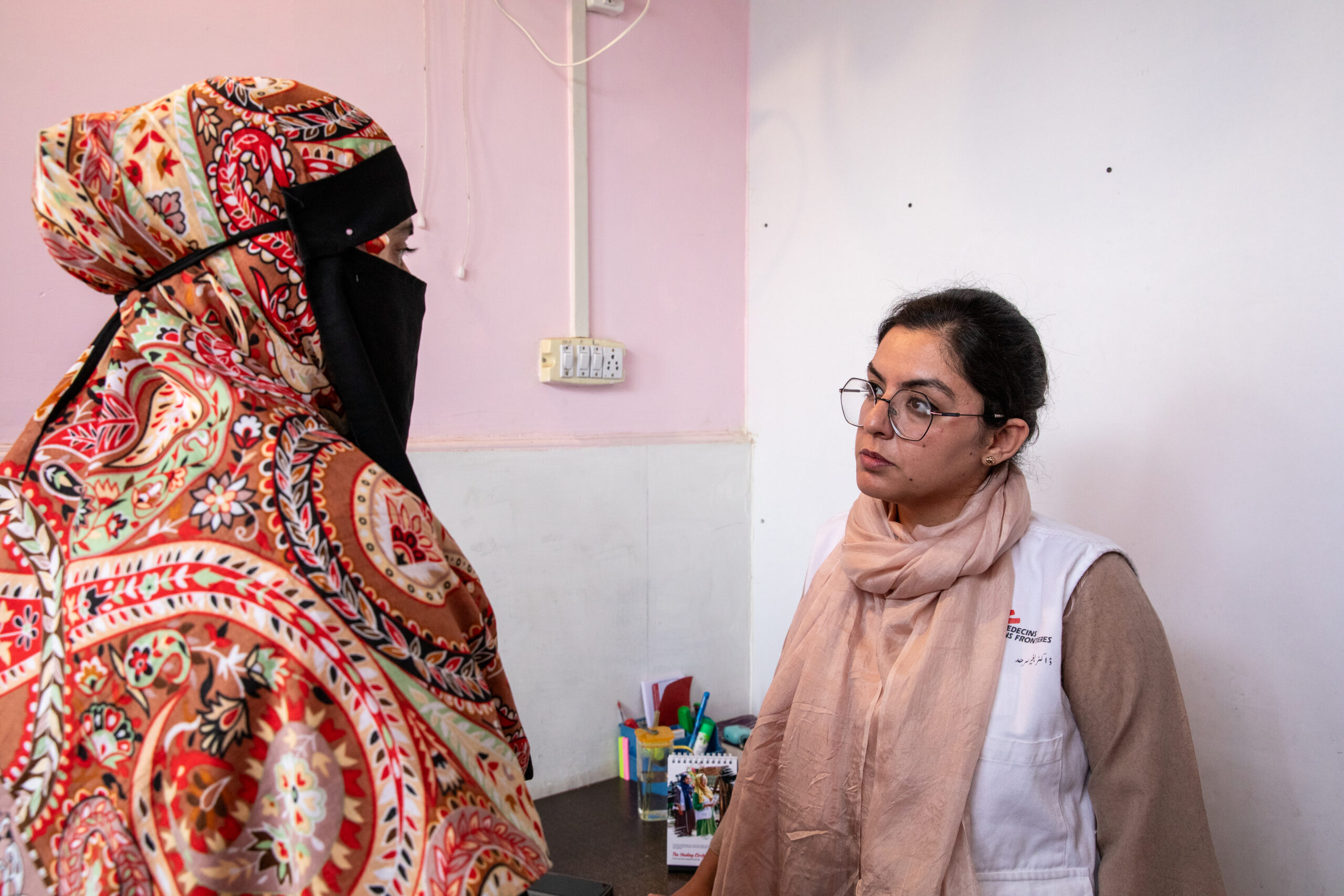
At first, I felt very alone. People around me, even some family members, kept their distance. My elder daughter stopped coming near me because of what others said. But my younger daughter stayed by my side, caring for me and encouraging me every day. The kindness of the hospital staff—the doctors, nurses, and counselors—gave me hope. They treated me with respect and dignity and helped me understand how to live with HIV.
The stigma was painful. Neighbours and relatives avoided us, and my shop suffered because of rumours. I had to close it for some time. But over time, with education and awareness, many people’s attitudes changed. MSF’s patient support program taught me how to manage my health, take my medicines on time, and not lose hope. They also helped my family understand my condition better, reducing fear and discrimination at home.
Mental Health and Support
When I was at my lowest, I felt like I did not want to live anymore. I was broken and hopeless. I remember saying, “Now, I do not want to live.” But my daughter told me, “No, mother, you have to live, you have to live for me.” Her words gave me the courage to keep fighting. The counselors at the hospital were always there for me. They listened patiently, helped me understand my illness, and supported me emotionally. Their care went beyond just giving medicines—they helped me rebuild my confidence and hope.
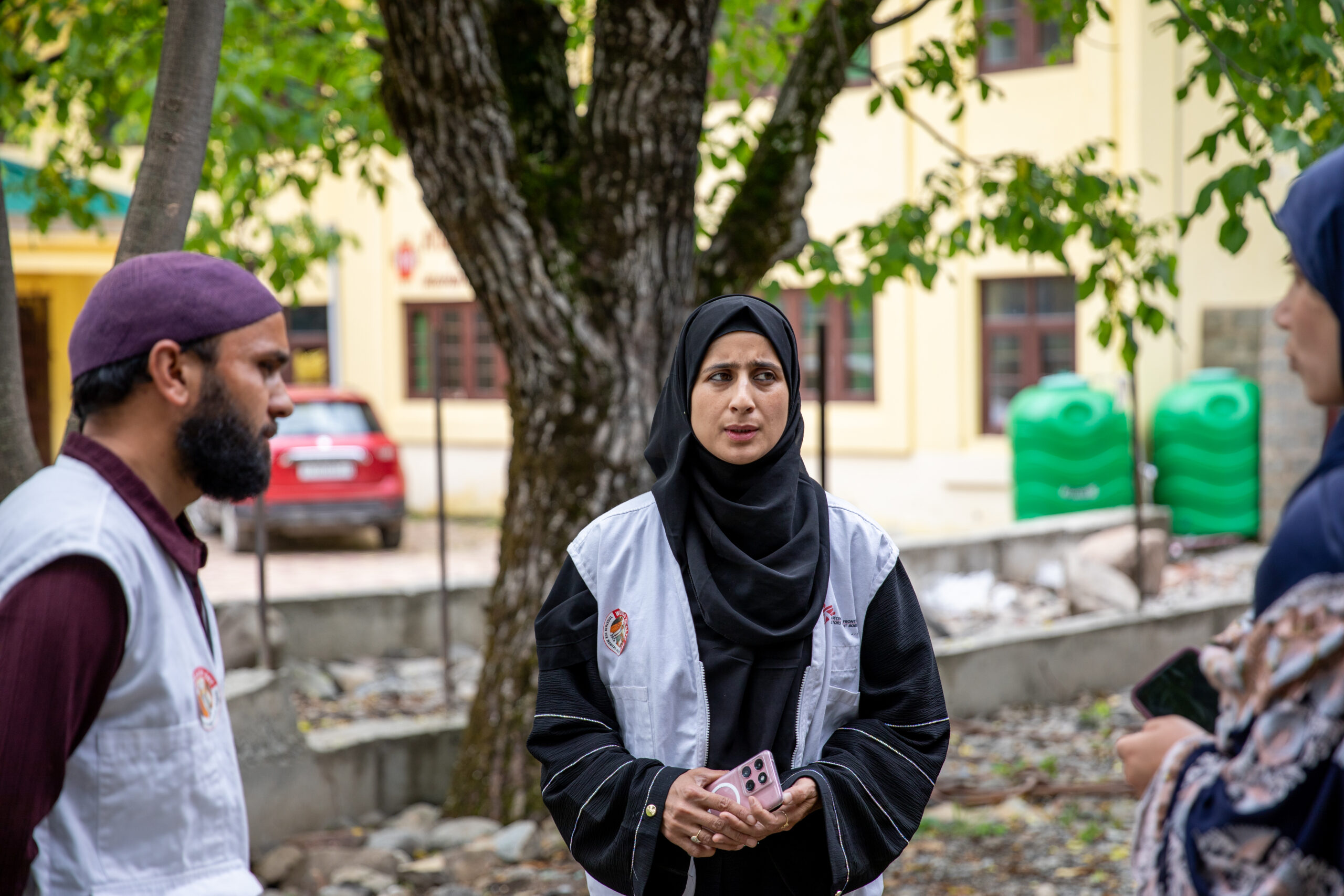
Living with advanced HIV is not just a physical challenge; it affects your mind and spirit too. The mental health support I received was critical in helping me face my fears, the stigma, and the uncertainty. MSF’s team, including mental health professionals, worked closely with me and my family to provide counseling and education. This support helped me to overcome despair and regain control of my life. It showed me that I am not alone and that with the right care, I can live well.
Recovery and Empowerment
Living with HIV is not just about taking medicines; it is about fighting the social and economic challenges that come with it. Sometimes, it feels overwhelming, but the support I received here made all the difference. I learned that HIV is a medical condition, not a curse or a punishment. With the right treatment and care, I can live a normal life, care for my daughters, and even run my shop again.
I want others who are newly diagnosed with HIV to know that they are not alone. There is help available, and with proper treatment and support, they can live well. I encourage everyone to come forward for testing and treatment without fear. The MSF team here in Bihar has shown me that care is not just about medicines but about understanding, compassion, and empowerment.
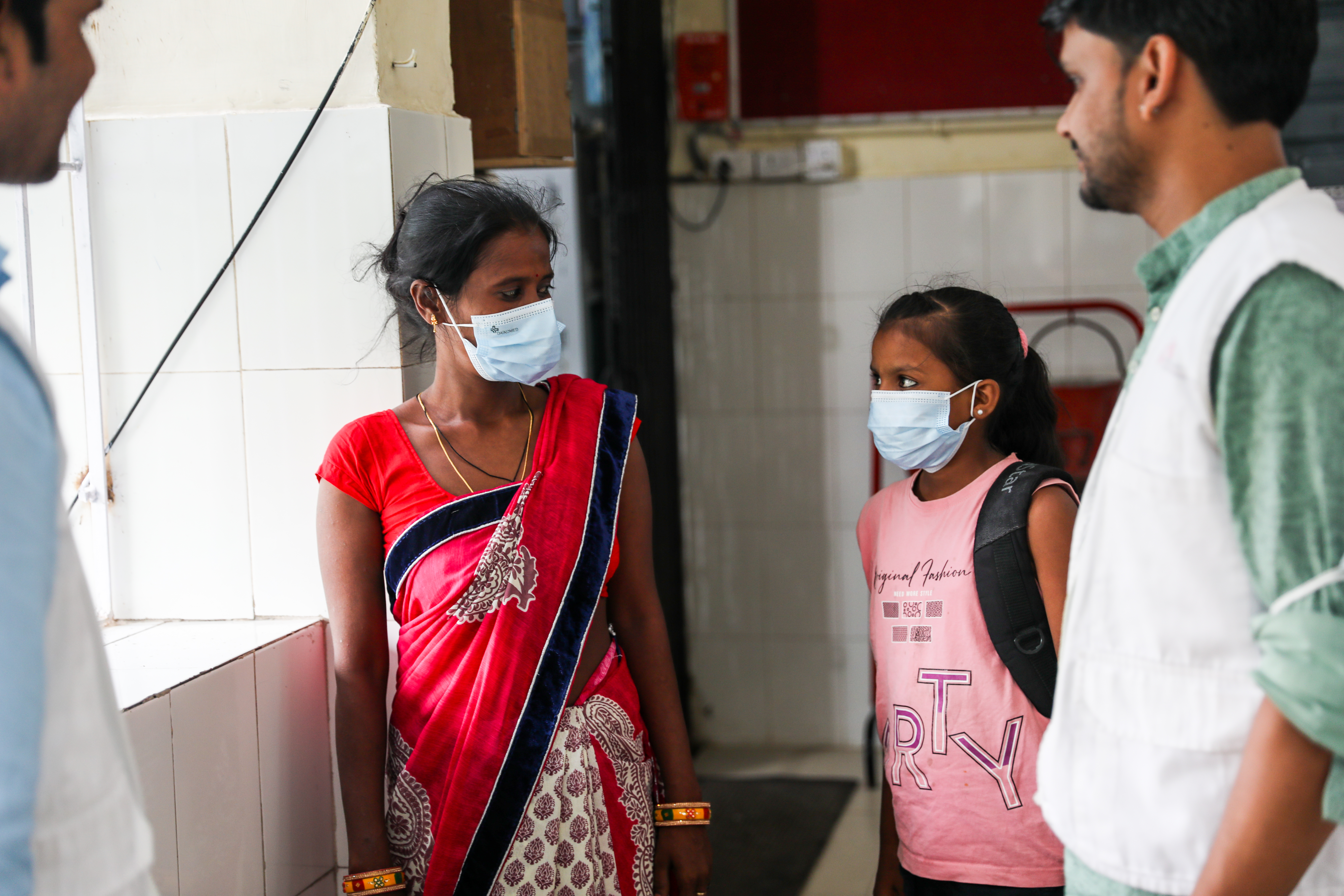
*Name changed
©Deepak Bhatia/MSF
Looking Ahead: Hopes for My Children
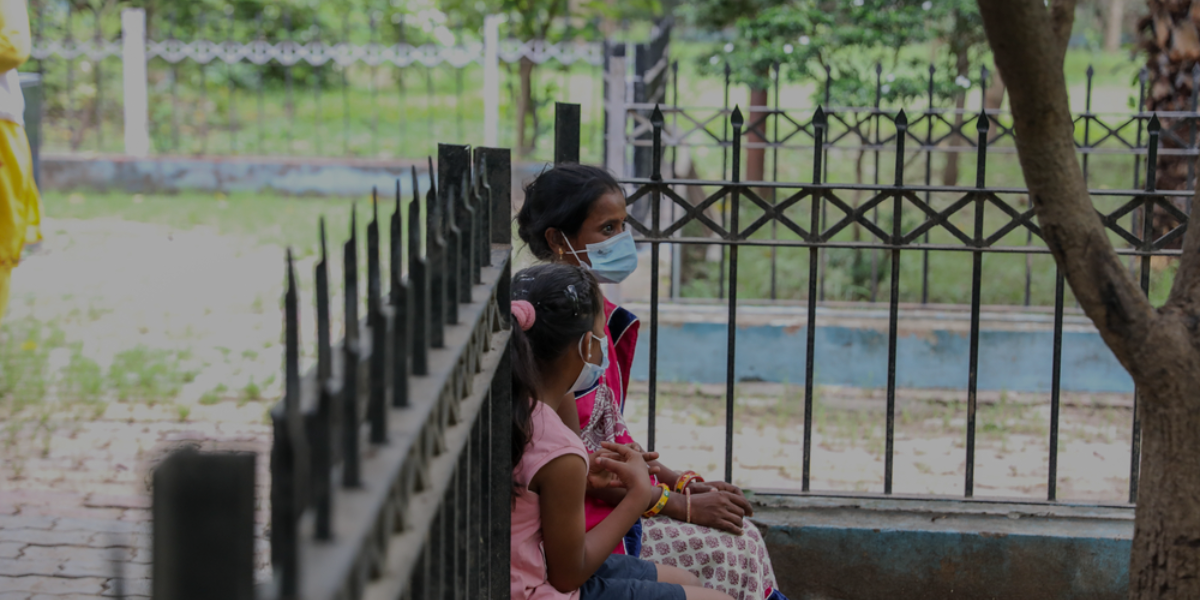
My daughters are my motivation. I want them to study, grow, and have bright futures. I want to live for them and show that HIV does not define who I am. If you or someone you know is living with HIV, please remember: take your medicines on time, eat well, and seek support. There is hope, and there is life beyond the diagnosis.
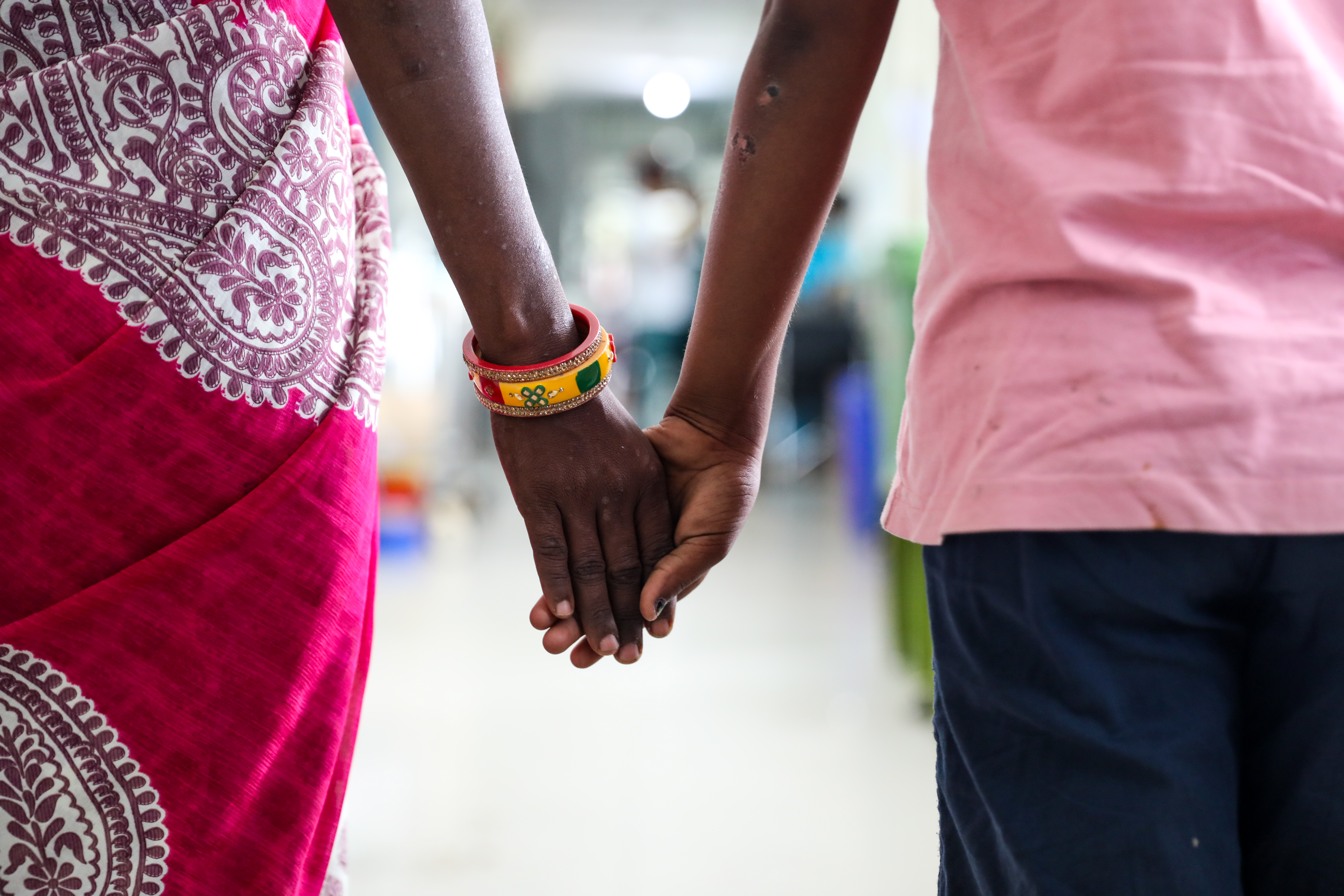
*Name changed
©Deepak Bhatia/MSF
*Name in this story have been changed to protect the privacy of individuals.