Warning: This article contains references to suicidal thoughts. If you or someone you know is experiencing similar thoughts, please reach out for support. Crisis resources are listed at the end of this article.
My name is Anjali*. I am a 32-year-old mother from Bihar, India, living with HIV. After years of suffering in silence, I finally reached out for medical support at an advanced HIV care center in Patna, where I found not just treatment for my physical health, but also resources to address the deep emotional wounds that had brought me to the brink of despair.
My difficult journey began after I married Ramesh. He had a history of alcohol addiction, and after our marriage, he became violently abusive towards me. In 2019, my husband tested positive for HIV, and shortly after, my daughter and I were also diagnosed with the virus.
The domestic violence, combined with my husband’s infidelity with another woman, left me feeling hopeless and helpless. I often thought life wasn’t worth living, which made it difficult for me to take my antiretroviral medication regularly. At one point, overwhelmed by everything, I went to live with my parents for three months. However, their limited financial means made it difficult to provide for me and my daughter’s needs, forcing me to return home.
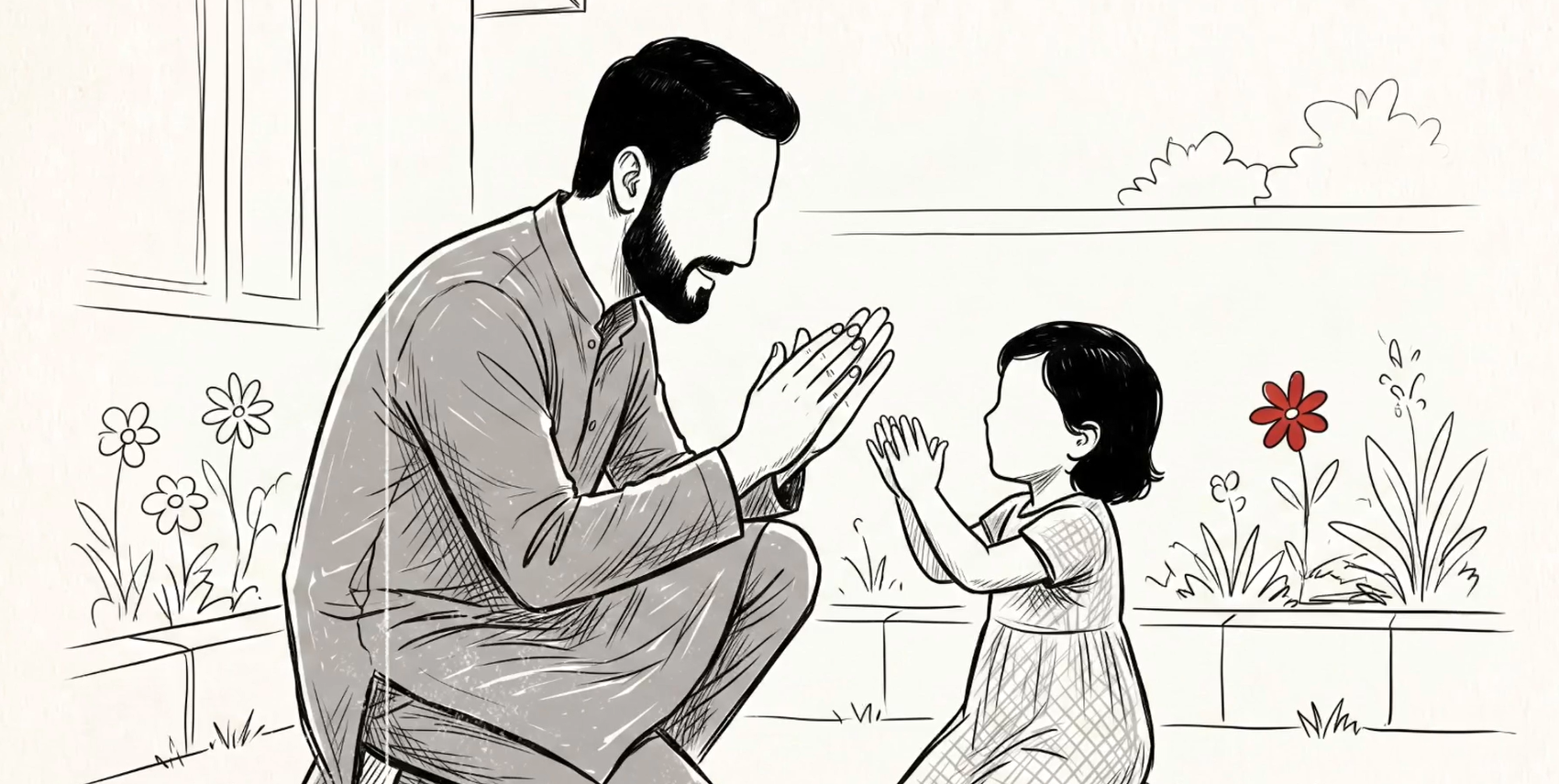
Upon returning, the violence worsened to unbearable levels. In my darkest moment, I decided to attempt suicide with my six-year-old daughter.
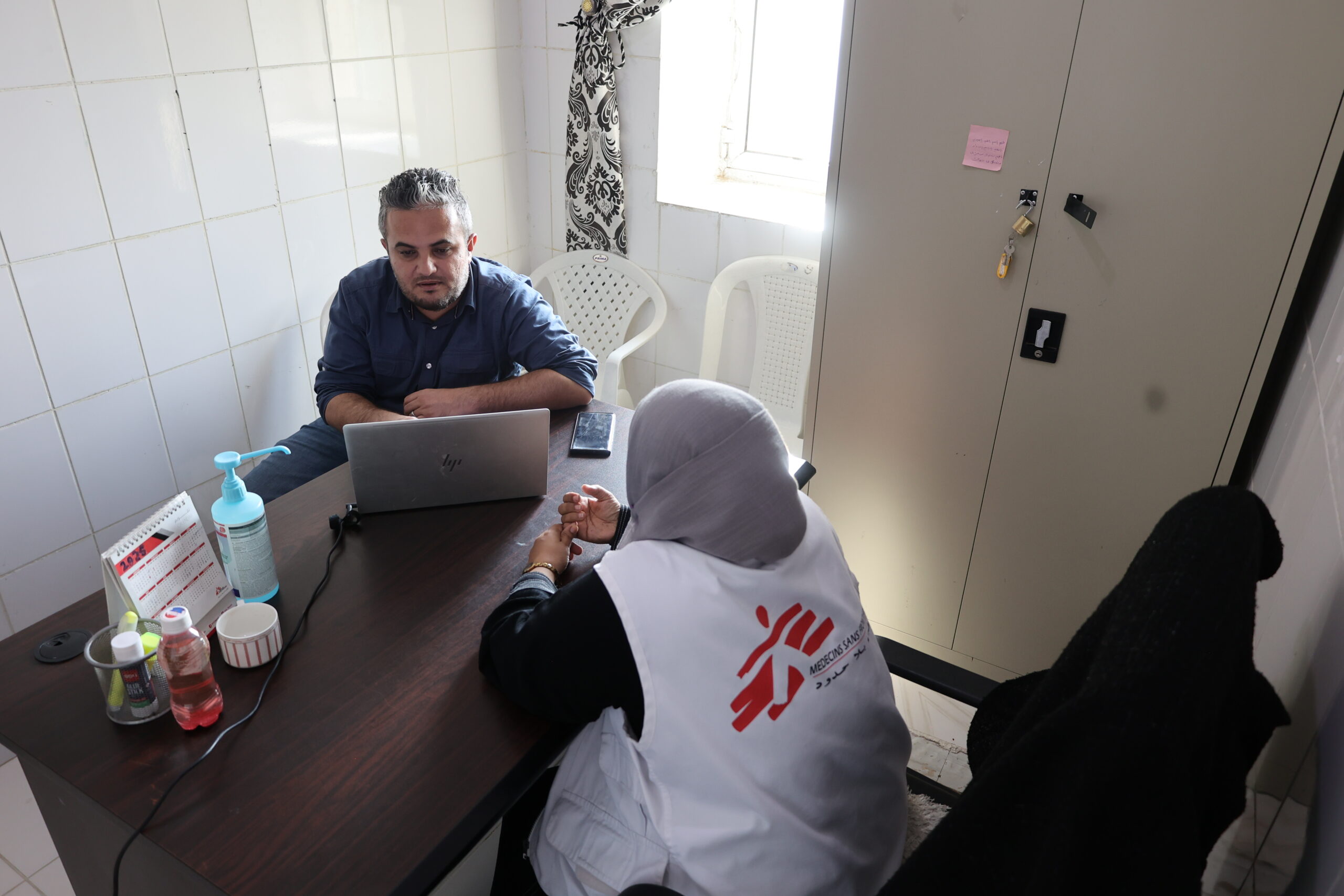
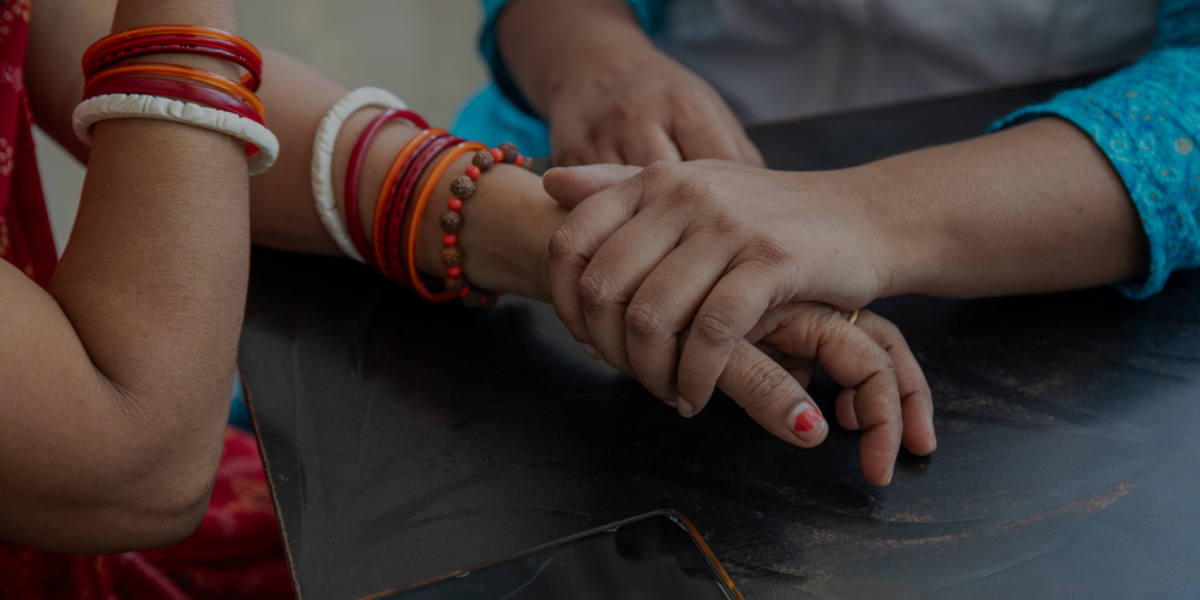
When I came to Doctors Without Borders/Médecins Sans Frontières (MSF) advanced HIV care center in Patna, Bihar, for treatment, I realized this was not the end of my life. After enduring six years of trauma and hardship, I began to focus on caring for myself and my daughter. I agreed to counseling and found great support through the sessions. The social workers also helped me in accessing applicable social welfare and protection programs of the state.
Now, I have a plan for the future and a new perspective on safety and security. I have come to understand my own worth and self-respect. I am fully aware of the importance of my and my daughter’s medications and am committed to adhering to treatment. I want a bright future for my daughter and hope she becomes well educated.
I was on the verge of making a tragic mistake that would have ended both our lives. But with the support of MSF staff, I have learned that as parents, we must be aware of gender equality and speak out for help when needed. I also now understand that family support is essential for empowerment and strength.
*Name in this story have been changed to protect the privacy of individuals.
If you or someone you know is experiencing thoughts of suicide or mental health challenges, please reach out. Help is available 24/7:
National Helplines:
- Tele MANAS (Ministry of Health & Family Welfare): 14416 or 1800-89-14416
- 24/7, toll-free
- Available in English and 20+ regional languages
- Mental health counseling and crisis support
- Free and confidential
- Vandrevala Foundation: +91 9999 666 555
- 24/7, call or WhatsApp
- Multilingual support
- Free and confidential
- AASRA: +91-22-27546669
- 24/7 helpline
- Email: aasrahelpline@yahoo.com
Remember: You are not alone. Reaching out for help is a sign of strength, not weakness. These services are confidential and staffed by trained professionals who care.