The province of South Kivu, in the eastern part of the Democratic Republic of the Congo (DRC), is facing an extremely alarming humanitarian situation. In Baraka, in the Fizi territory, ongoing insecurity following the fighting in the Hauts Plateaux and deteriorating roads are severely limiting access to healthcare. Many patients arrive at health facilities in critical condition, often too late to receive life-saving care. This situation reflects the direct impact of the conflict on communities and highlights the urgent need to strengthen medical and humanitarian assistance, which remains largely insufficient. In response to these needs, Doctors Without Borders (MSF) is one of the few organisations on the ground providing care to affected populations.
Clashes between the Congolese army (FARDC) and the AFC/M23 and their respective allies in the Fizi Hauts Plateaux are fuelling long-standing intercommunal tensions. This escalation has triggered new mass displacements, bringing the number of displaced people in the region to nearly five million, including 1.9 million in South Kivu and Maniema, according to the Office for the Coordination of Humanitarian Affairs (OCHA).
In the absence of formal reception facilities, nearly all displaced people are living with host families or in displacement sites such as Monge Monge, thereby increasing the strain on already limited resources. Access to water, food, and basic healthcare remains difficult for displaced people and host communities.
Ikupe Roger, 60, is a father from Mikenge. He fled his village a year and a half ago to escape the fighting. “When the fighting broke out, I decided to leave with my wife and our eight children to save our lives,” he says. “My main concern today is being able to stay in Baraka, despite the climate of violence and insecurity. Before MSF arrived, access to healthcare was nearly impossible for us. Paying more than 100,000 Congolese francs for medical care is simply out of reach.” To provide for his children, he relies on farming, fishing, and a small poultry farm. Despite these constant efforts, living conditions remain particularly precarious. Many displaced families have lost their means of livelihood.
Deprived of resources, many can no longer afford transportation or access basic healthcare. In this context, precariousness becomes entrenched, exacerbated by very low incomes from occasional agricultural work.
Gianpietro Campedelli
MSF project coordinator in Baraka
On the escape routes, this vulnerability is often accompanied by violence. In addition to injuries directly related to the fighting, many people also suffer from trauma and injuries caused by attacks they endure along the way, particularly when traveling through highly insecure areas.
Fatou, 40, also fled her village of Makobola in a hurry. “While fleeing, I was beaten by armed men. We were also robbed of everything we had. When we left, the village was deserted, and everything we left behind was looted,” she says.
Now living with a host family in Mwandiga, she has no means of support. She survives by doing day labour in the fields, when she can find it, for about 5,000 Congolese francs a day (nearly two dollars). “The healthcare I received helped me a lot. Without that help, the situation would have been even harder for us,” she says.
MSF on the front lines of a healthcare system under pressure and on the brink of collapse
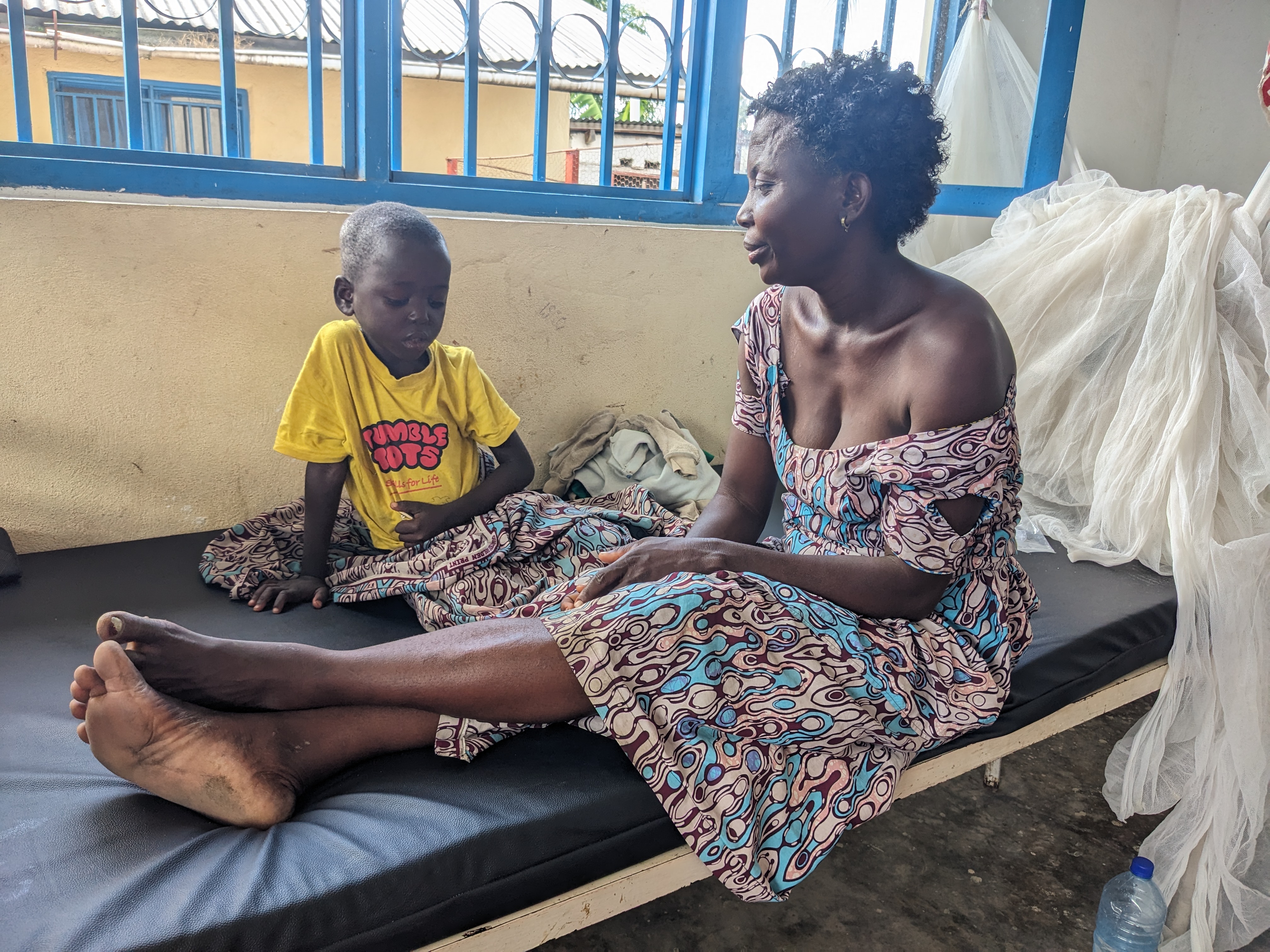
In Baraka, the vulnerability of the population is placing a heavy burden on an already fragile healthcare system. Healthcare facilities are simultaneously dealing with an influx of conflict-related casualties, recurring cholera outbreaks, and a sharp rise in malaria cases. Overwhelmed by this accumulation of emergencies, healthcare facilities are struggling to respond.
Between January and April 2026, MSF supported the Baraka General Referral Hospital by strengthening its capacity through medical and logistical supplies, as well as training sessions for healthcare staff, to better respond to the influx of violence-related casualties. This support enabled the care of 426 injured patients. The organisation also covered the treatment costs for patients transferred for severe conditions, including severe malaria and acute respiratory infections.
MSF also supported seven community health centres for the rapid detection of malaria and diarrhoea cases. A total of 26,234 patients were treated, including 16,574 for malaria, 2,953 for diarrhea, and 3,832 for pneumonia.
To combat the cholera outbreak, MSF teams supported medical care at the Cholera Treatment Centre (CTC) in Baraka during the first four months of the year. A total of 1,002 patients were treated there. The outbreak is now under control, and efforts are focused on disease prevention: setting up chlorination stations, repairing hand pumps in the health zones of Baraka, Mwangaza, and Mushimbakye, and distributing hygiene kits to patients admitted to the CTC.
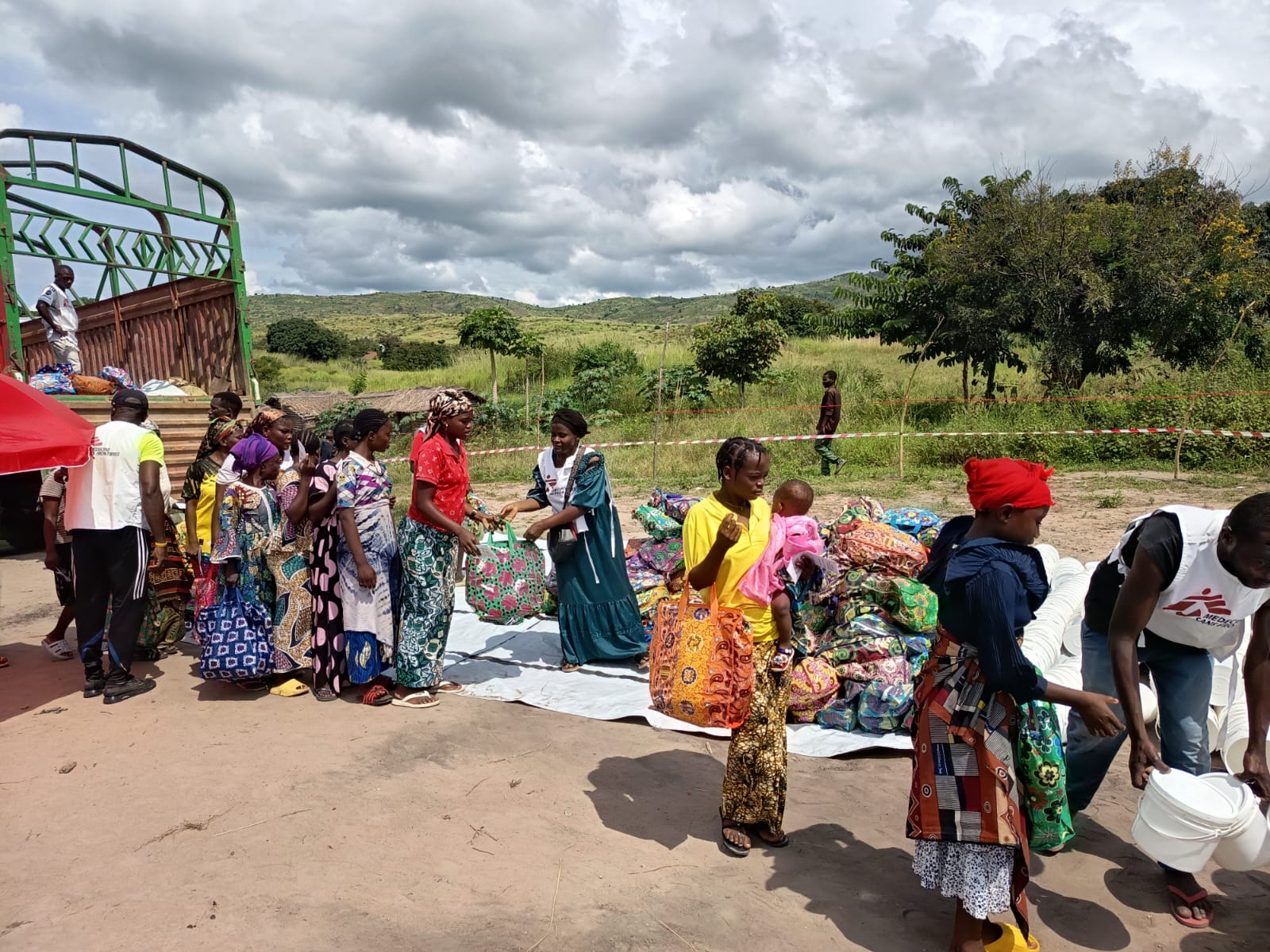
Additionally, in the Monge Monge camp, 488 displaced households received kits containing essential items (soap, blankets, plates, and mosquito nets), while 870 women received hygiene kits tailored to their needs.
Broader engagement from other stakeholders is now essential.
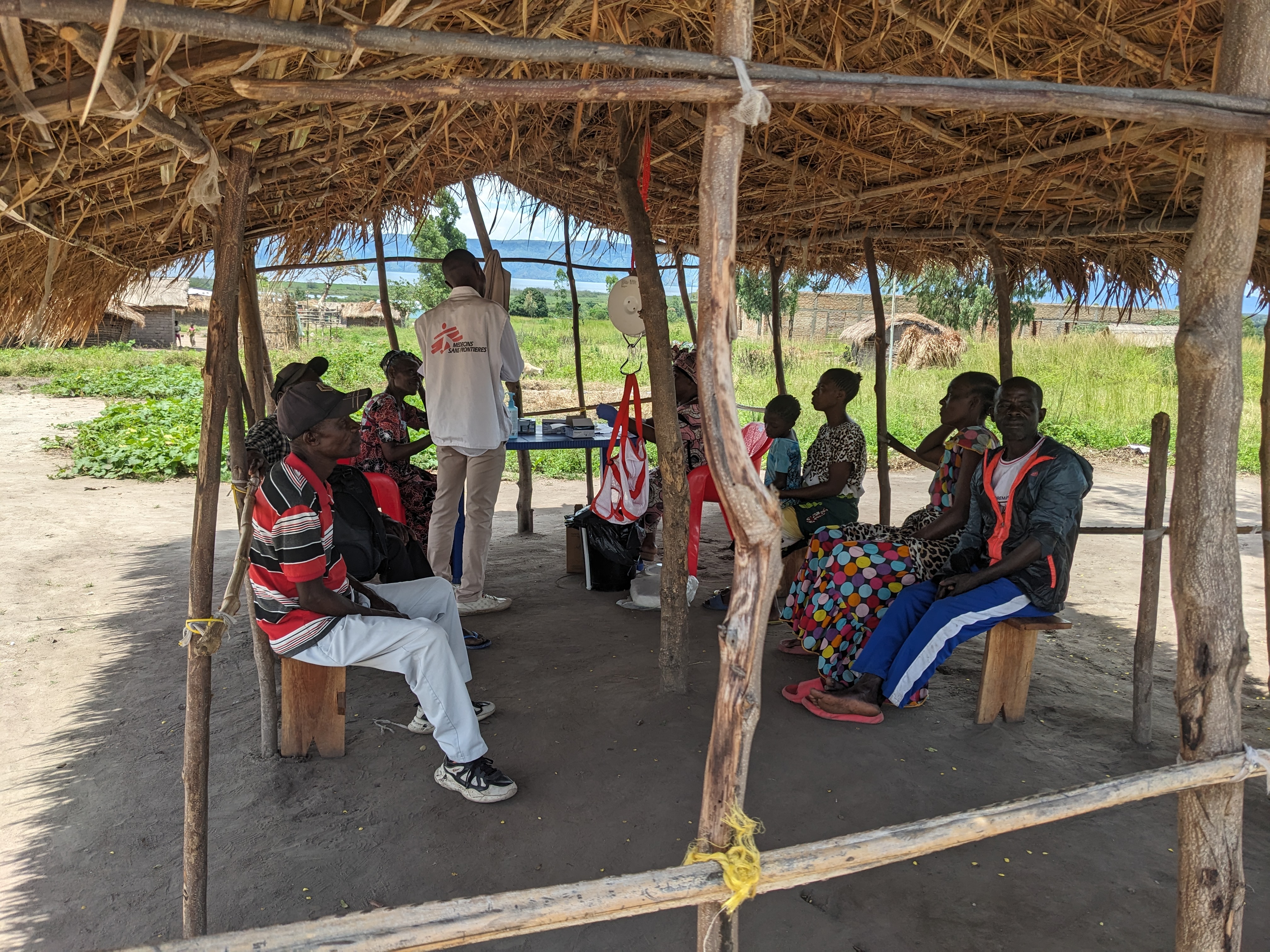
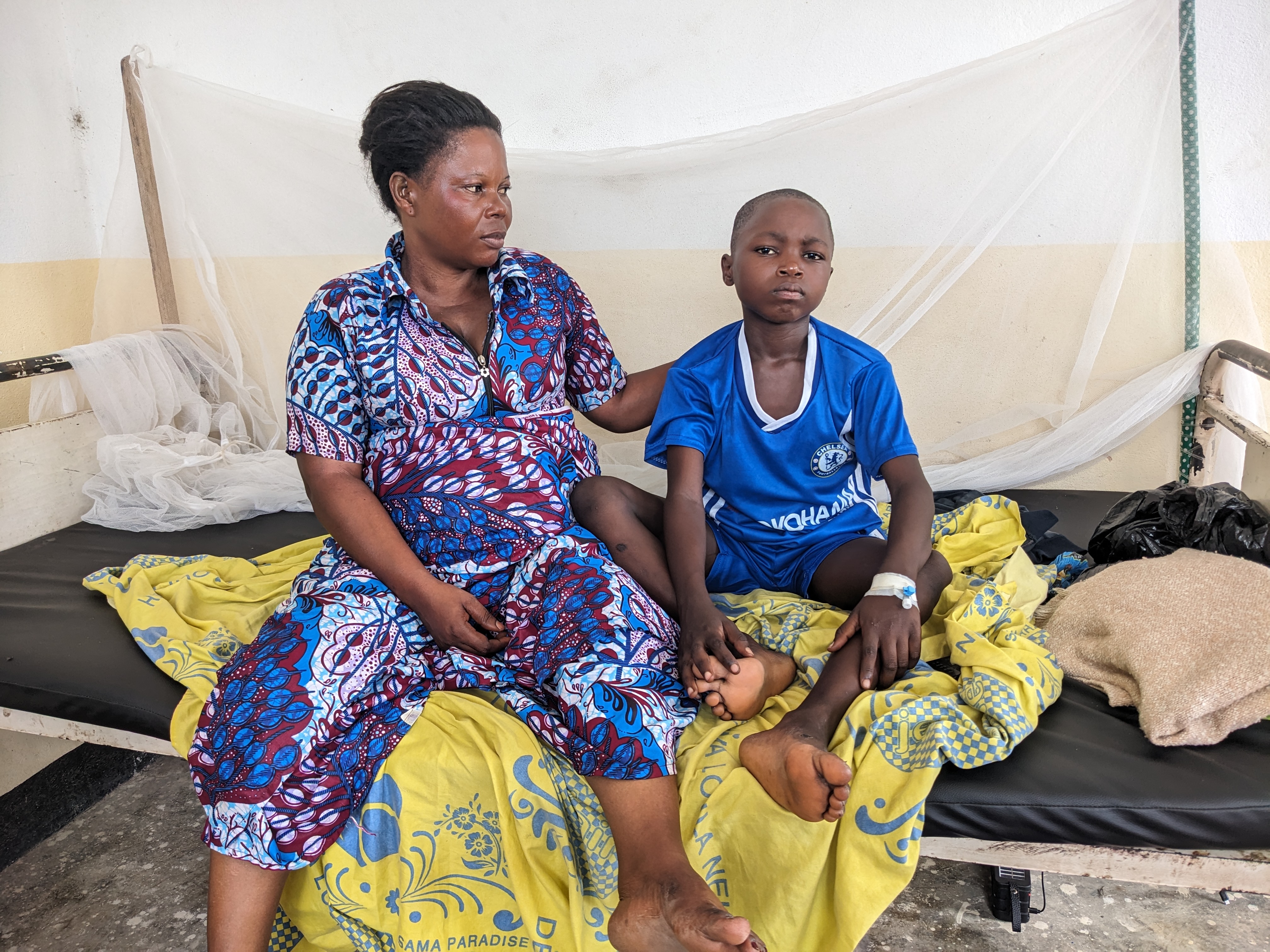
MSF’s emergency response at the hospital, the Baraka health centre, and community health facilities has now come to an end. The organisation is currently focusing its efforts on reproductive health and the care of survivors of sexual violence at the Baraka health centre, while continuing its water, hygiene, and sanitation activities at the Monge Monge displacement site, five kilometres from downtown Baraka.
However, the medical and humanitarian health situation remains concerning. Many families continue to arrive in Baraka in the hope of receiving free care. Despite ongoing interventions, needs far exceed the available response.
“MSF’s presence, while essential, is not enough to cover all needs. Mobilising other humanitarian actors is more than necessary to assist people who remain highly exposed to health and social vulnerabilities,” adds Gianpietro Campedelli.