Living with thalassemia is about far more than managing a medical condition. It is about navigating social stigma, promoting equal opportunities, building trust, and ensuring that patients and their families are not only treated, but also truly heard.
Thalassemia is an inherited blood disorder that affects the body’s ability to produce hemoglobin, leading to chronic anemia. For people with severe forms of the condition, care is lifelong: regular blood transfusions, iron chelation therapy (medication to remove harmful extra iron from their bodies), and continuous medical follow-up are essential to prevent serious complications affecting the heart, liver, and endocrine system that controls hormones.
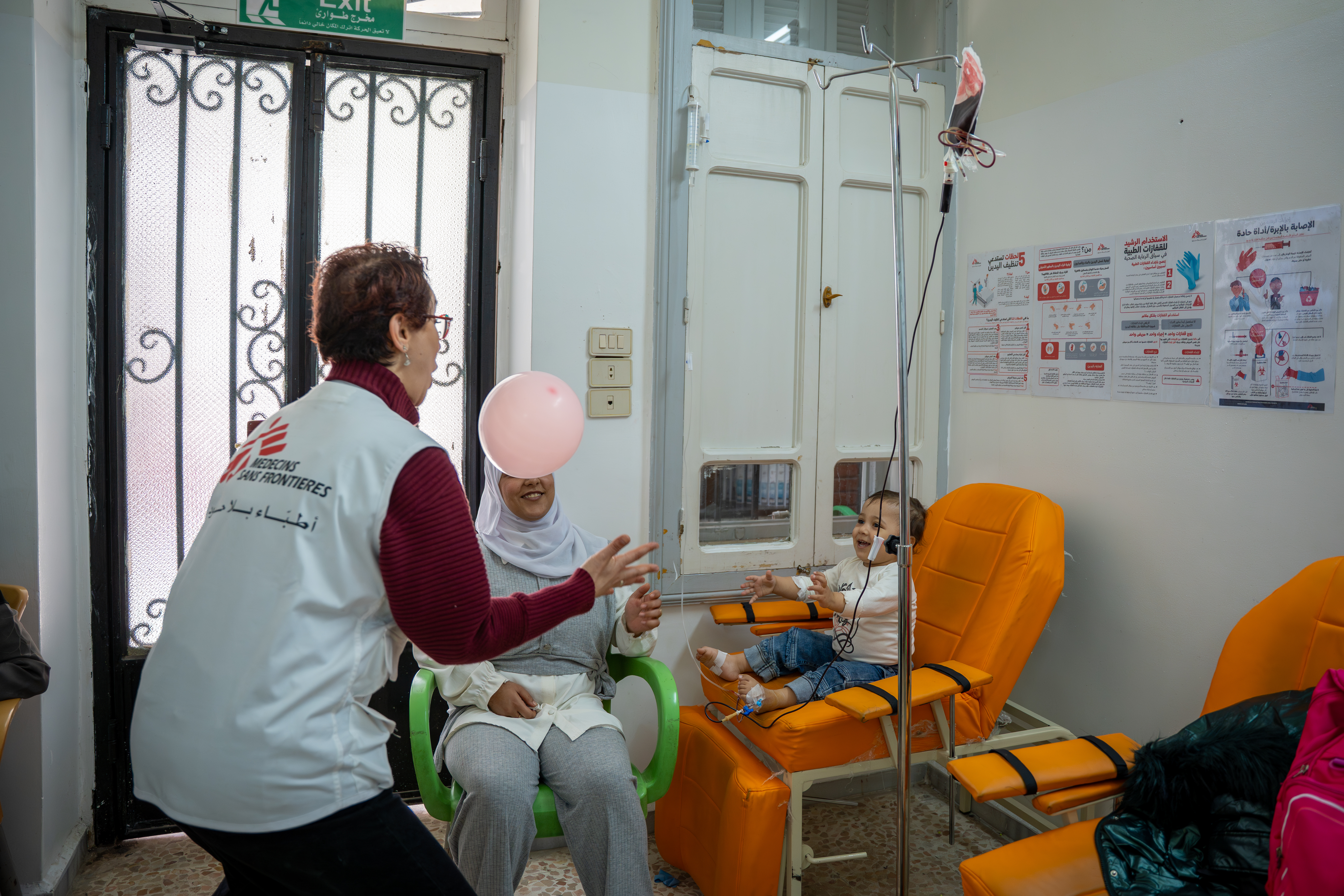
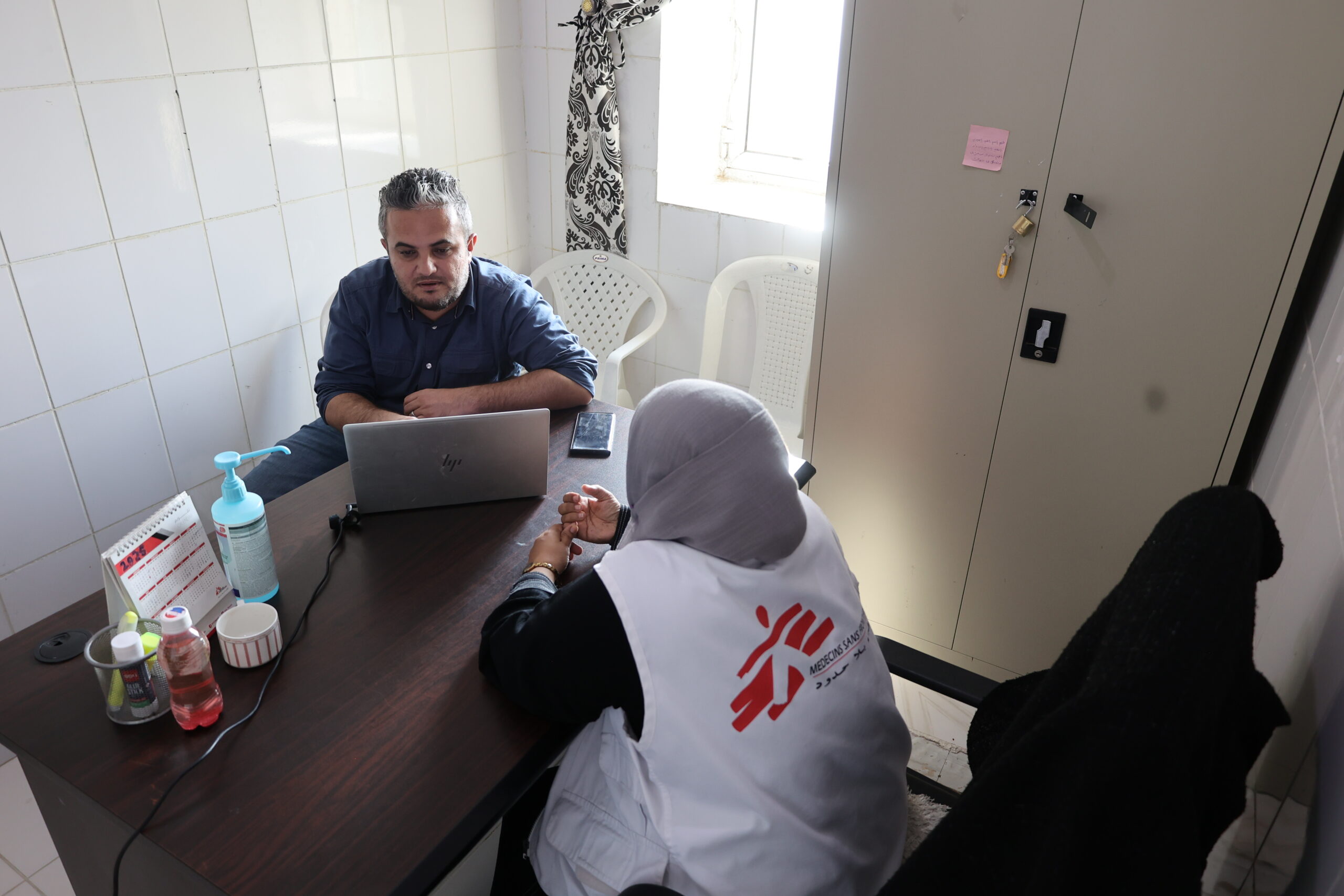
Syria, Homs, May 2026. ©Abdulrahman Sadeq/MSF
In Syria, thalassemia remains a significant public health challenge. About 5 percent of the population have thalassemia trait, meaning they carry one altered thalassemia gene but are usually healthy and may not know they have it. When both parents have thalassemia trait, there is a risk that their children may be born with severe forms of the disease. Although preventive measures such as premarital screening exist, access and participation are not always consistent.
Yet the challenges go beyond the medical. In communities across Homs, stigma continues to silence families. Some conceal the diagnosis, fearing social judgment. Others struggle with limited access to clear and reliable information, relying instead on informal networks that can both support and misinform. At the same time, patients and caregivers are showing a strong willingness to engage, share their experiences, and be part of solutions.
This is where organizations like Médecins Sans Frontières (MSF)/Doctors Without Borders are working alongside communities, not only to provide medical care, but to strengthen understanding, trust, and dialogue.
In Homs, MSF also supports the Center for Hereditary Blood Diseases through a range of complementary activities that help improve the overall wellbeing of patients and caregivers. This includes rehabilitating the building of the center, providing essential medical supplies and equipment, and support for Directorate of Health (DoH) staff working at the center in thalassemia care. Alongside medical support, MSF conducts mental health and health promotion and community engagement activities that create safer, more supportive spaces for patients, caregivers, and the surrounding community, helping strengthen awareness, trust, and continuity of care.
Listening to lived experiences
For many patients, the experience of thalassemia is deeply personal, shaped by routine visits to the Center for Hereditary Blood Diseases, family support, and moments of uncertainty. But it is also marked by resilience.
“I see thalassemia as a friend, not an obstacle,” says Ali, medicine student and thalassemia patient at Homs Center for Hereditary Blood Diseases. “Since eleventh grade, I have been determined to study medicine, and now I am in my third year. My dream is to become a haematologist so I can help patients who have the same disease as me, and support and understand them the way my doctors support and understand me now.”
Caregivers, often parents or close relatives, play a central role, supporting treatment, navigating health systems, and advocating for their loved ones.
“We discovered that Ali had thalassemia when he was 6 months old… I used to bring anything he liked to distract him during blood transfusions at the hospital,” says Ali’s mother. “I would stay up all night until he finished using the chelation machine when he was a child.”
“Sometimes he comes home from school upset. I used to ask him what was wrong, and he would tell me that one of the kids had annoyed him by asking, ‘Why is your skin color like this?’ and ‘Why are your eyes yellow?’” she adds.
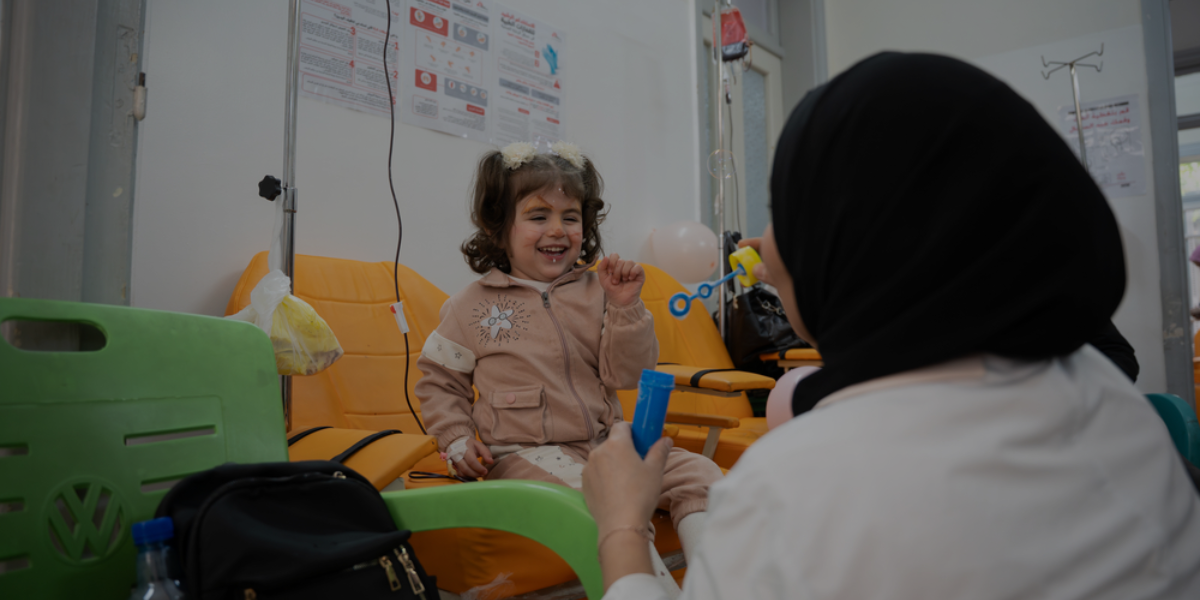
Healthcare providers see both the clinical and human dimensions of the condition every day. A crucial part of MSF team’s work is to stand by the patients, during the repetitive visit to the Center for Hereditary Blood Diseases, support them and bring joy to caregivers as well as patients, during some of the heaviest moments of their day.
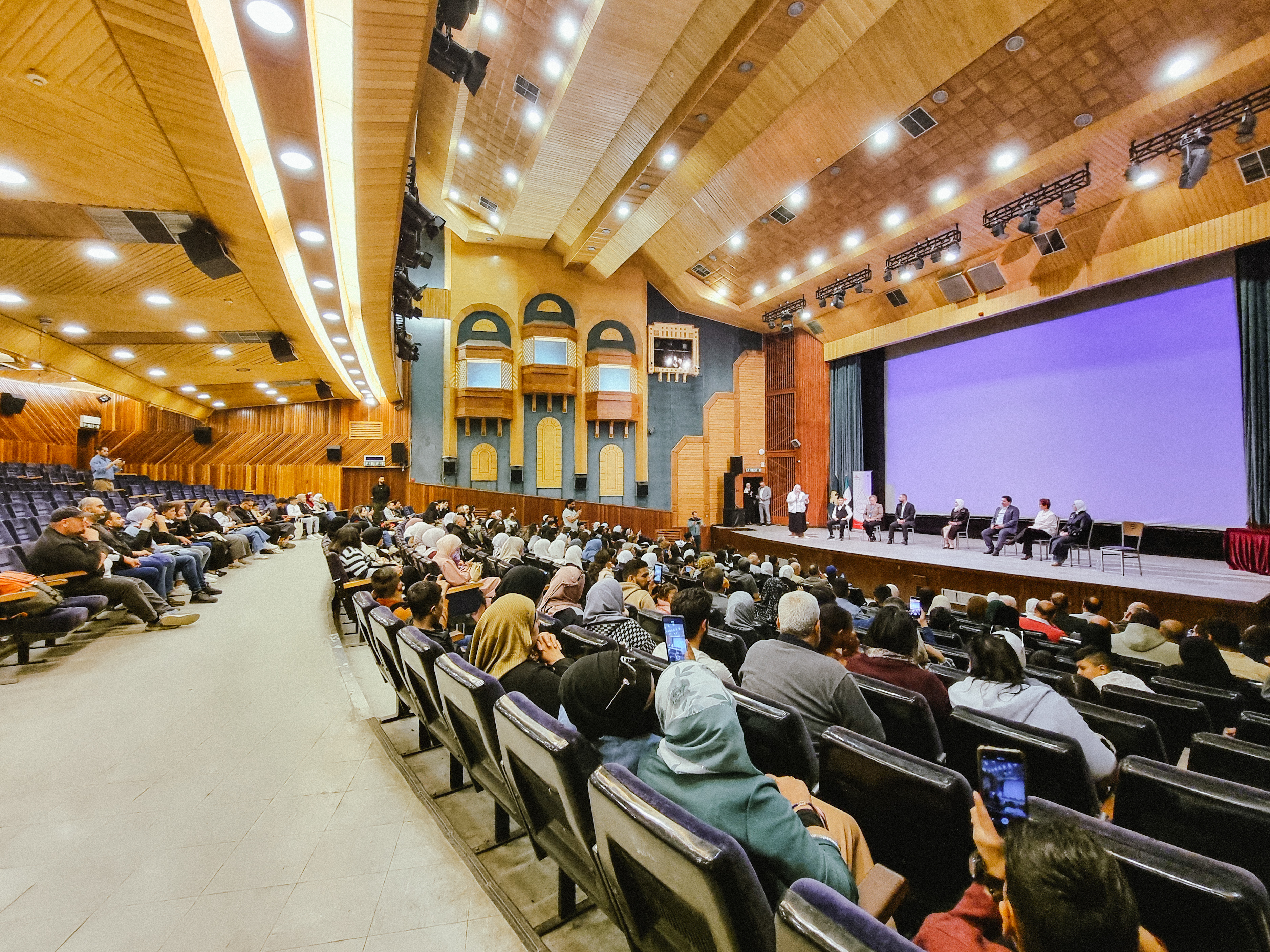
Syria, Homs, May 2026. ©Grace Loo/MSF
Moving beyond stigma
Thalassemia is a manageable medical condition, not a source of shame. Open conversations help challenge misconceptions and create space for inclusion. When communities understand the condition, patients are more likely to seek care early, follow treatment, and live fuller lives.
In Homs, efforts are underway to make testing more accessible and to encourage proactive health-seeking behaviors. Reflecting on her family’s experience, Ali’s mother emphasizes the importance of premarital screening and early diagnosis to help future families make informed decisions.
“People should try to avoid going through all this and do what they can, including premarital testing and early diagnosis, so their children will not blame them in the future,” she says.
But just as important is the shift in how thalassemia is discussed: not in whispers, but with clarity, dignity, and respect.
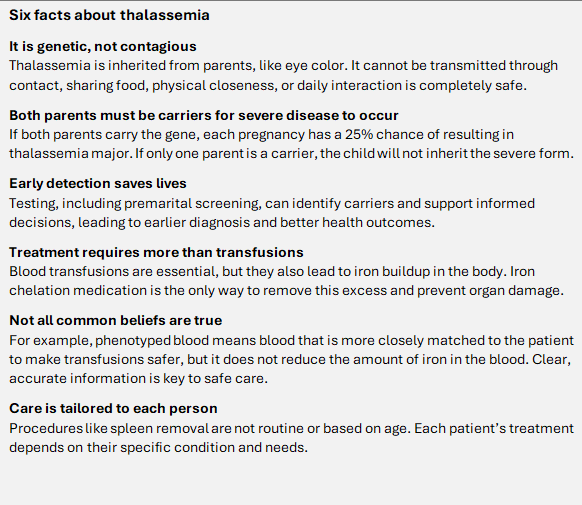
Patients and Communities at the Center of Care
Patients and caregivers are not passive recipients of care. They are active participants, advocates for their own health and contributors to stronger, more informed communities.
Building trust in healthcare requires more than services. It depends on clear, consistent, and human-centered communication, on listening as much as informing.
“In our health promotion tea-chat sessions, people living with thalassemia told us they had never been spoken to this way before, ” says Grace Loo, health promotion and community engagement manager. “Not lectured but truly listened to. That moment, when someone realizes their experience matters, is where trust begins. And trust is not a soft skill; it is the foundation of care. Our patients are already advocates, teachers, and problem-solvers. Our role is not to replace their resourcefulness, but to support it and help keep them safe.”
Beyond the diagnosis, people living with thalassemia deserve to be seen, heard, and valued. Their voices are essential, not only to improving care, but to shaping a future where no one is defined or limited by their condition.