30 April 2026– In Ituri province, in northeastern Democratic Republic of the Congo (DRC), Doctors Without Borders/Médecins Sans Frontières (MSF) teams are witnessing the impact of renewed violence civilians wounded by gunfire, survivors of sexual violence unable to access appropriate care and families forced to flee. Since February 2026, MSF has treated thousands of patients in the town of Fataki. Despite these efforts, the broader response remains drastically insufficient given the scale of needs.
Security conditions in Ituri have sharply deteriorated since fighting resumed in late 2025 between the Convention for the Popular Revolution (CRP) and the Armed Forces of the Democratic Republic of the Congo (FARDC). In a region already weakened by years of recurrent violence, the town of Bule – east of Fataki – has become the main epicenter of repeated clashes over the past three months. Civilians are paying a heavy price, often being directly targeted or accused of belonging to armed groups. Between December 2025 and March 2026, at least 40 people were killed and 42 injured in the violence.
Targeted while fleeing
I was at home when heavy gunfire broke out nearby. Before leaving, I untied my livestock and cut banana leaves with a machete so they would have something to eat while I fled. When armed men saw me carrying the machete, they assumed I was a fighter and stopped me immediately. The situation escalated quickly. Without checking, they shot me and seriously injured my knee.
Patrick
53 y/o refugee
Augustine, who was already struggling to survive in the Doudou displacement camp in Bule had to flee into the bush with her son to escape the shooting.
“While I was fleeing, I was hit in the leg by a stray bullet,” she says. “My son was also wounded Despite the pain, I carried him on my back and kept moving, sometimes crawling on all fours Along the way, people helped me and took me to the Salama health centre in the Plaine Savo displacement camp.”
In Bule, as across Ituri, civilians should never be targeted. Yet every day, MSF teams treat men women and children injured by violence.
“Protecting people is an obligation,” says Sylvain Groulx, MSF Head of Programmes in Ituri “Today, guns speak loudly, while suffering continues to worsen in deafening silence. We call on all parties to the conflict to strictly protect civilians.”
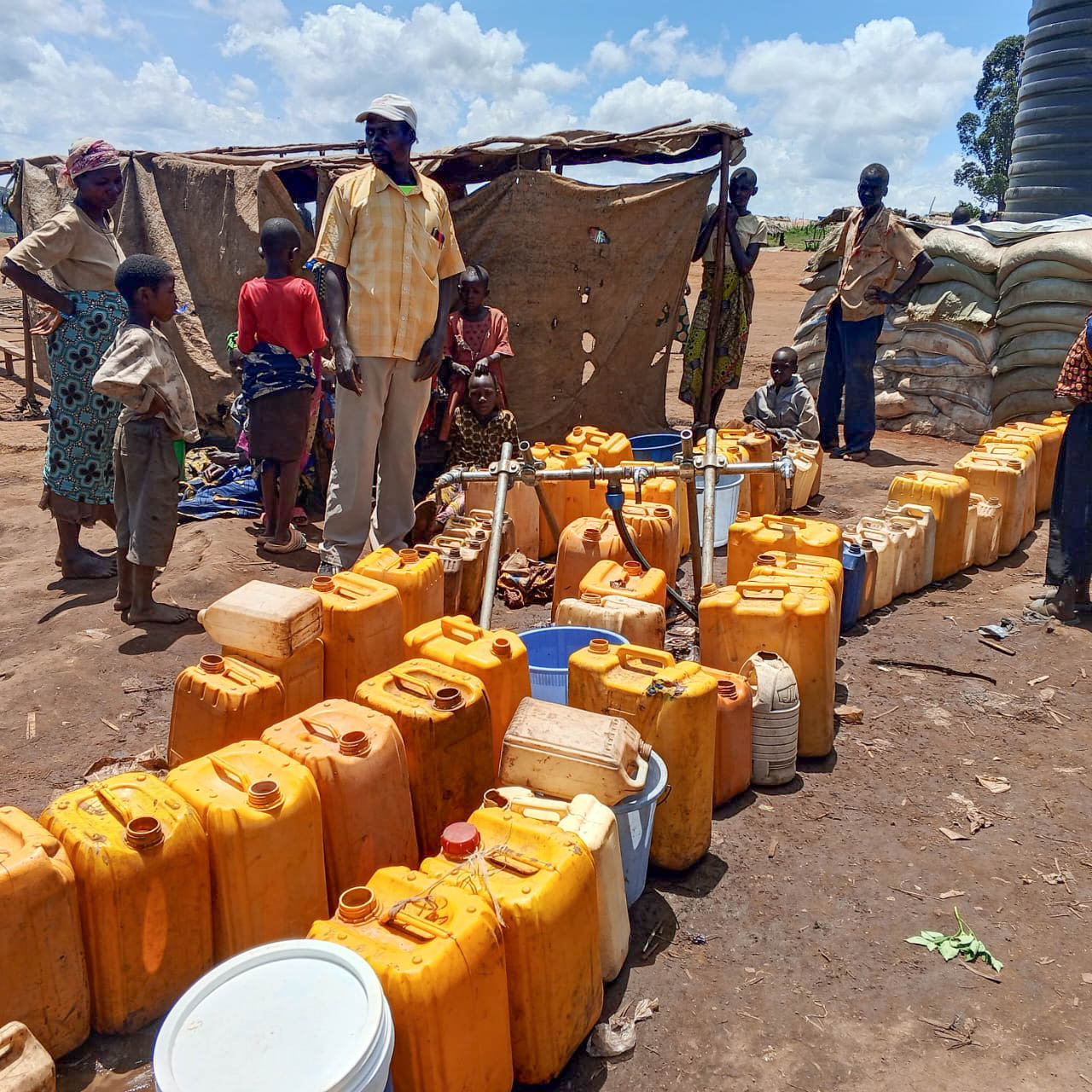
Massive displacement and a health system under pressure
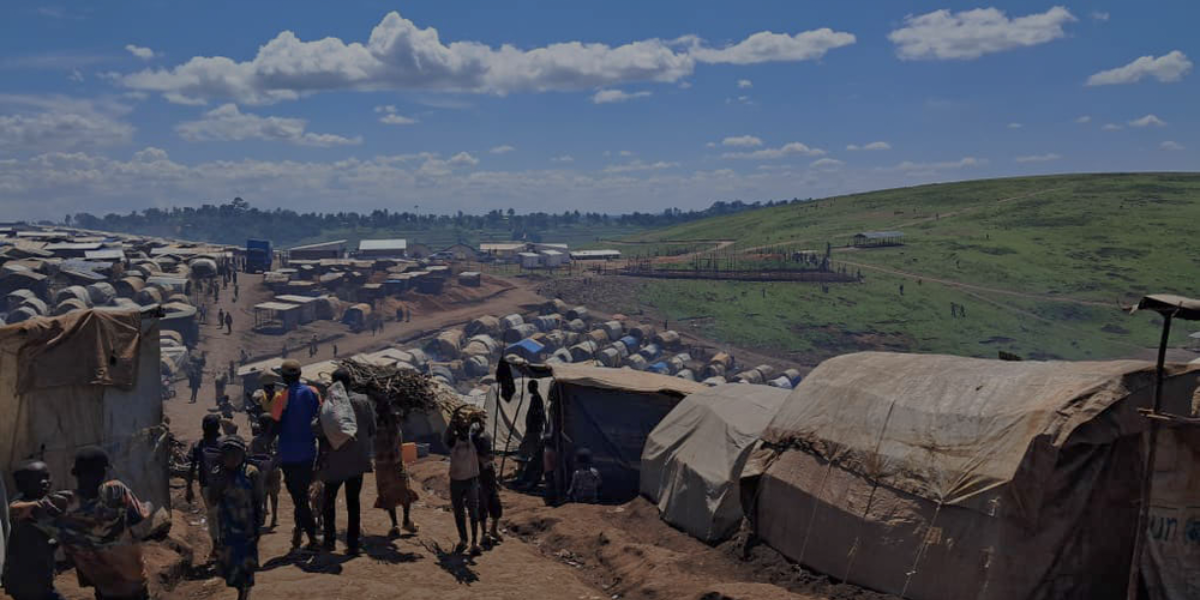
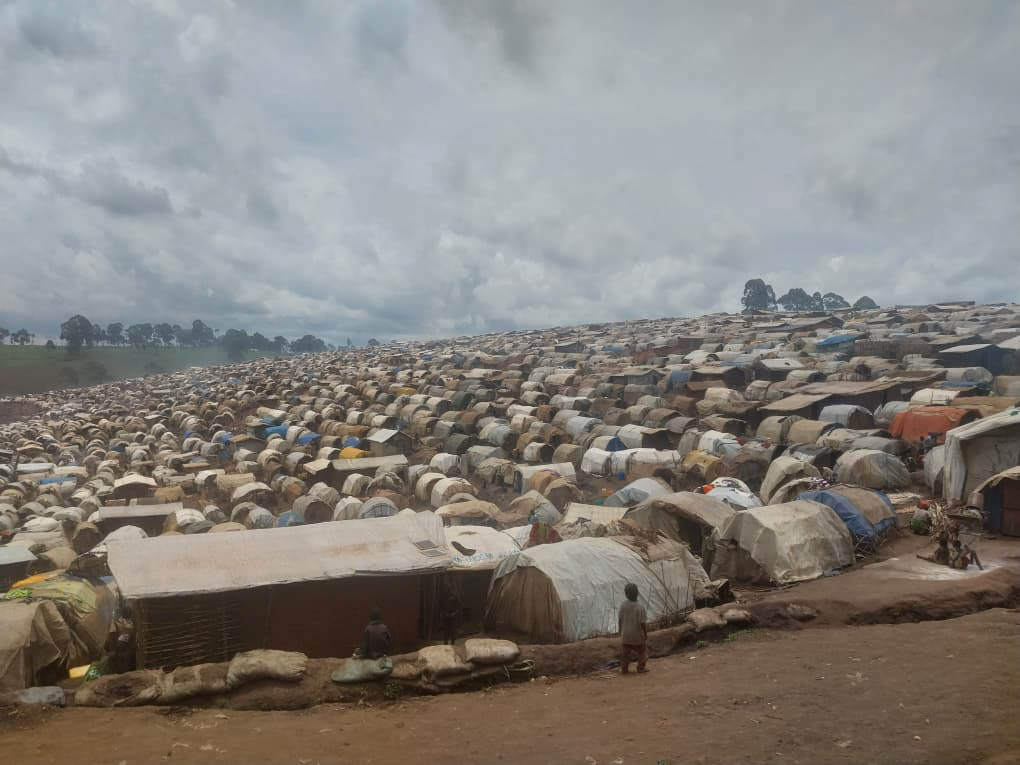
Ituri is facing a major humanitarian crisis marked by displacement on an unprecedented scale According to United Nations Office for the Coordination of Humanitarian Affairs (OCHA), more than 920,000 people are displaced across the province. The latest surge in violence has forced tens of thousands of people to flee their homes. In the first quarter of 2026, more than 100,000 people were newly displaced in Ituri.
Many people have sought refuge in areas such as Plaine Savo, near Fataki, where access to health care remains critically inadequate. Hygiene conditions are catastrophic, exposing communities to diseases such as cholera and acute diarrhea.
In Plaine Savo, access to primary health care is extremely limited, and care for survivors of sexual violence is almost non-existent. Already fragile local health facilities are now overwhelmed or completely non-functional in some areas. Some facilities have been forced to close altogether. In the Fataki health zone, seven of 14 health centers were shut down and relocated to camps in Plaine Savo. The remaining centers continue to operate despite insecurity, medical staff fleeing, and the impact of fighting in surrounding areas.
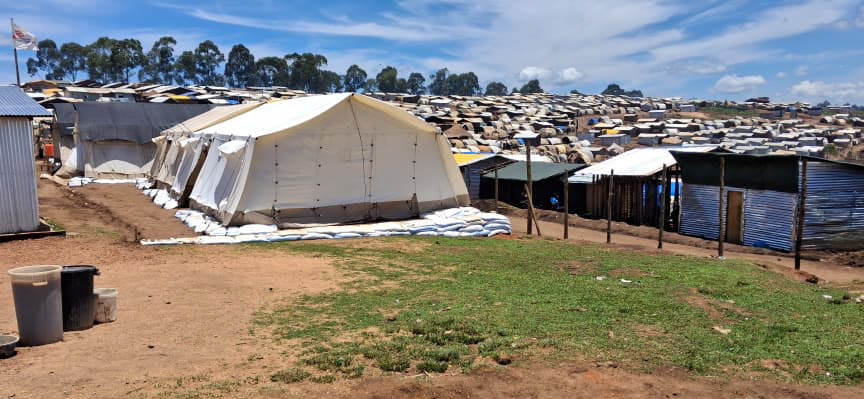
Scaling up lifesaving care
In mid-February 2026, MSF deployed a team to respond to urgent medical needs in Plaine Savo and nearby areas. Activities include primary health care consultations and treatment for survivors of sexual violence. Since operations began, our teams have provided more than 10,000 consultations, mainly for diarrheal diseases, malnutrition, respiratory infections, and gastric illnesses. Approximately 30 victims of sexual violence were also treated.
MSF teams are working with local health authorities at Fataki General Referral Hospital, where they support trauma surgery services and the nutrition unit. Our teams are supporting infection prevention and control, including water, hygiene, and sanitation measures to improve the safety and quality of care.
Even with MSF’s support, access to health care remains extremely limited and dangerous for patients, especially at night because of persistent insecurity. Many patients no longer dare to travel to seek care. It’s urgent and essential to establish a humanitarian corridor so people can safely access the services they need to survive, including health care, water, and food.
Sylvain Groulx
MSF Head of Programs in Ituri
Crisis worsened by lack of humanitarian access
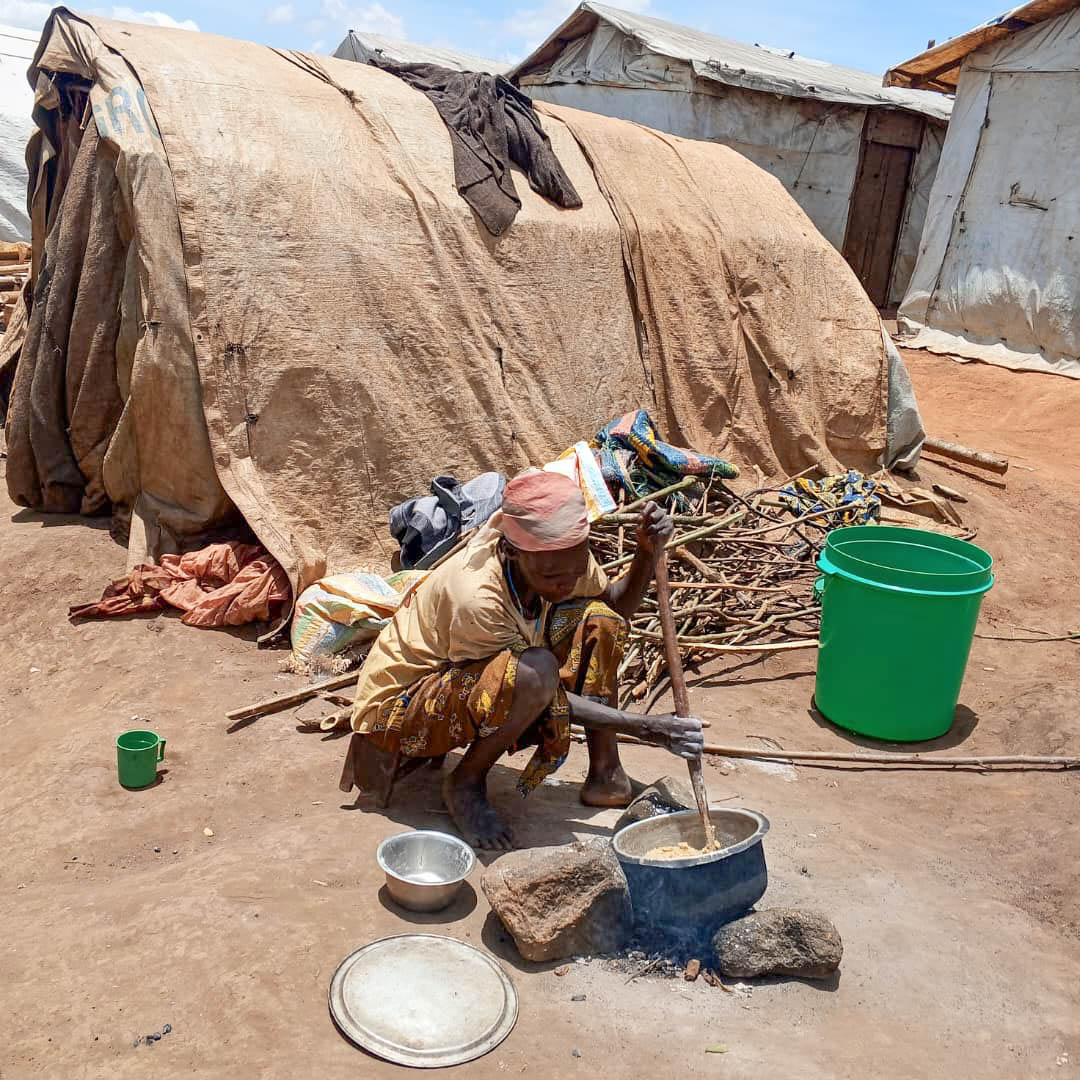
Beyond health needs, the crisis in Fataki affects every aspect of daily life. Needs for food water, shelter and protection are immense. Persistent insecurity and the volatility of the situation are preventing aid from reaching people. In several parts of Ituri, including Fataki organizations have been forced to suspend activities, leaving hundreds of thousands of people without lifesaving assistance.
“We are suffering greatly here because it’s impossible to find food,” says Judith, 33, who has sought shelter in the Fataki camp. “It’s too dangerous to go to the fields: there is gunfire from morning to evening, and people have been killed. What we need most is food. Money is not the priority right now. If food were distributed now, it would bring great relief to people here.”
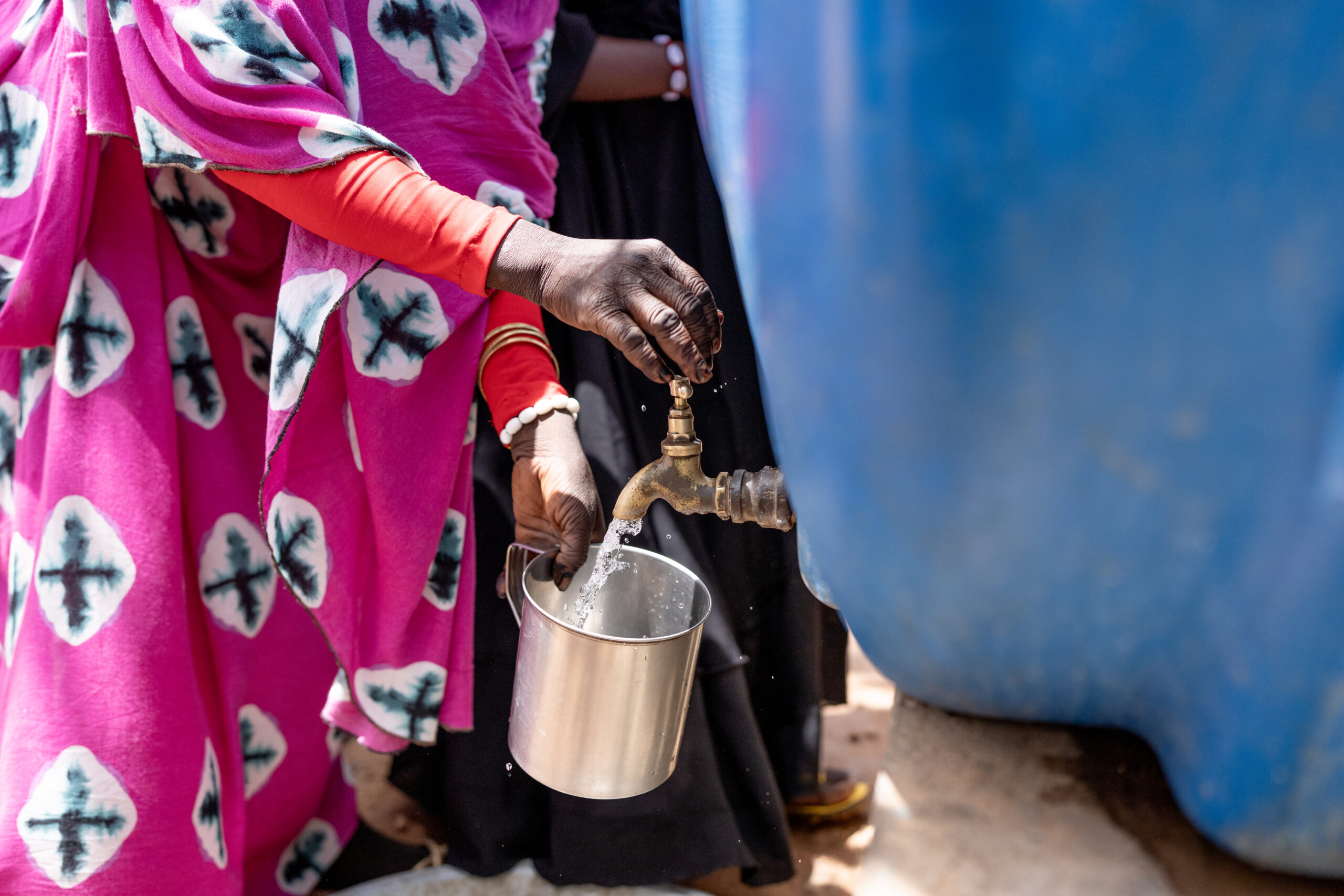
Displaced families are living in extreme conditions, often without enough food or access to basic services. Safe drinking water and sanitation facilities are scarce, increasing the risk of disease outbreaks.
A lack of international funding is further limiting the response, even as the situation continues to deteriorate.
“MSF continues to provide emergency medical care, but the scale of the crisis exceeds our capacity,” says Groulx. “Without a rapid response in health, food security, water and sanitation, and protection – and without safe access to affected communities – the situation is likely to worsen. We urgently call on the Congolese authorities and every humanitarian organization in the region to strengthen the response immediately.”