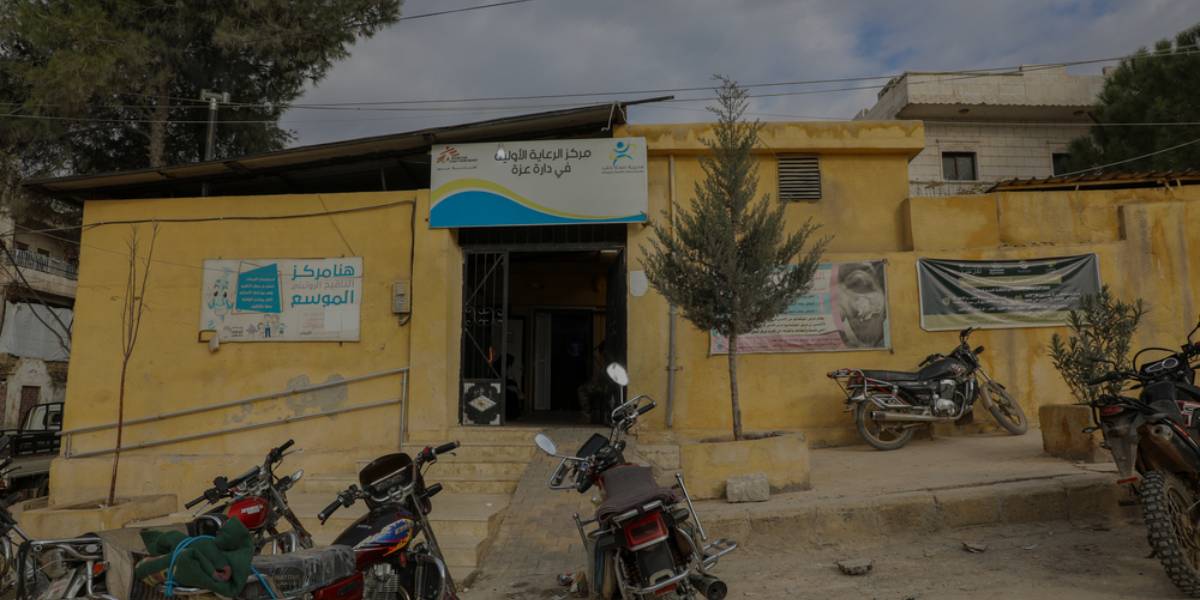
After more than three years of facilitating access to essential healthcare for families in Darat Izza, northwest Syria, Médecins Sans Frontières (MSF) transitioned out of direct support at the end of March 2026. MSF began supporting the Primary Healthcare Center (PHCC) in Darat Izza, in the western countryside of Aleppo in December 2022 with sustained efforts to strengthen the facility’s capacity.
This transition reflects MSF’s efforts to focus on areas with the most urgent medical needs, in line with its humanitarian and medical priorities. The organisation continues to work and monitor healthcare gaps across northwest Syria and remains ready to respond where the needs are the most.
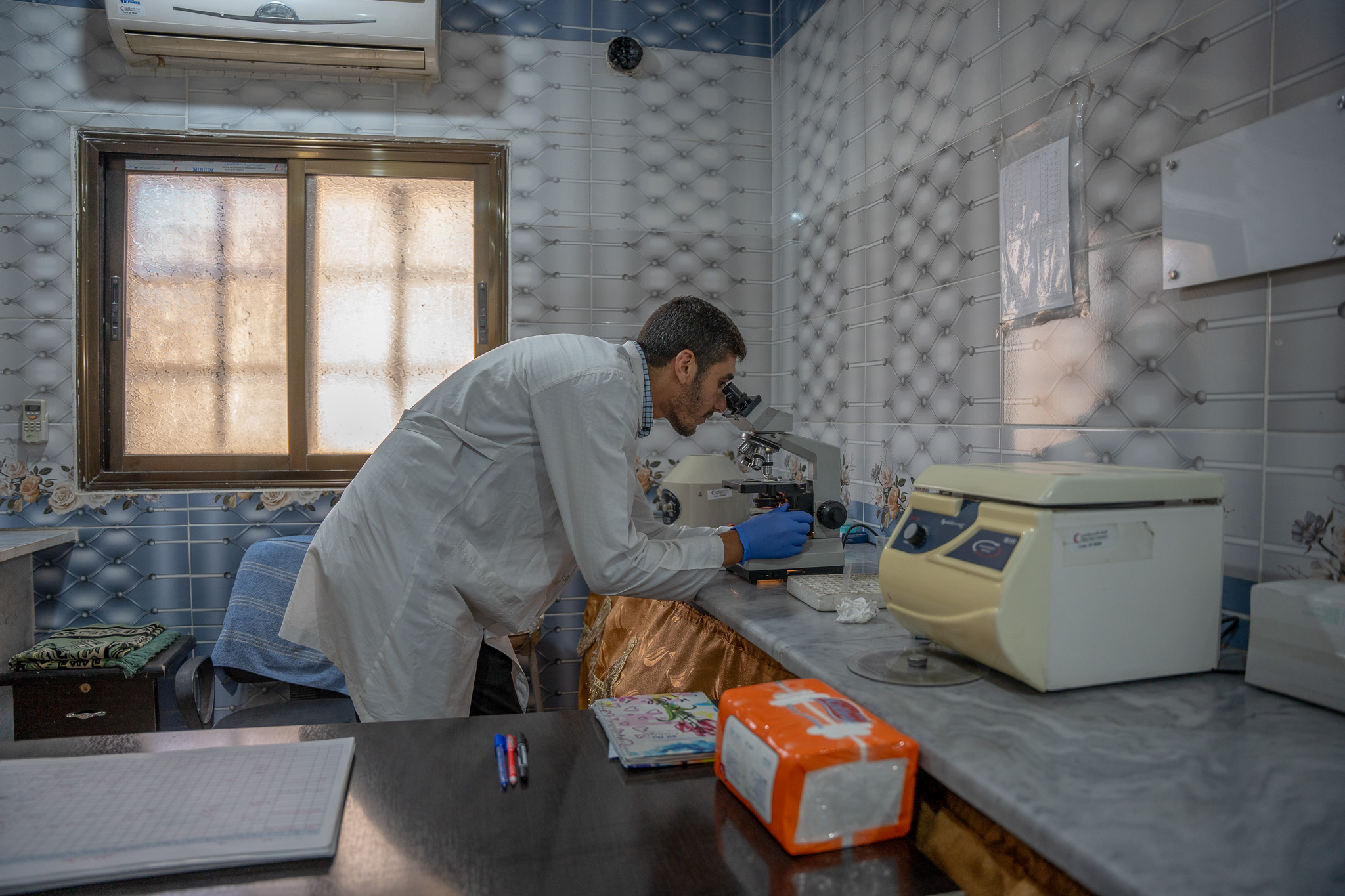
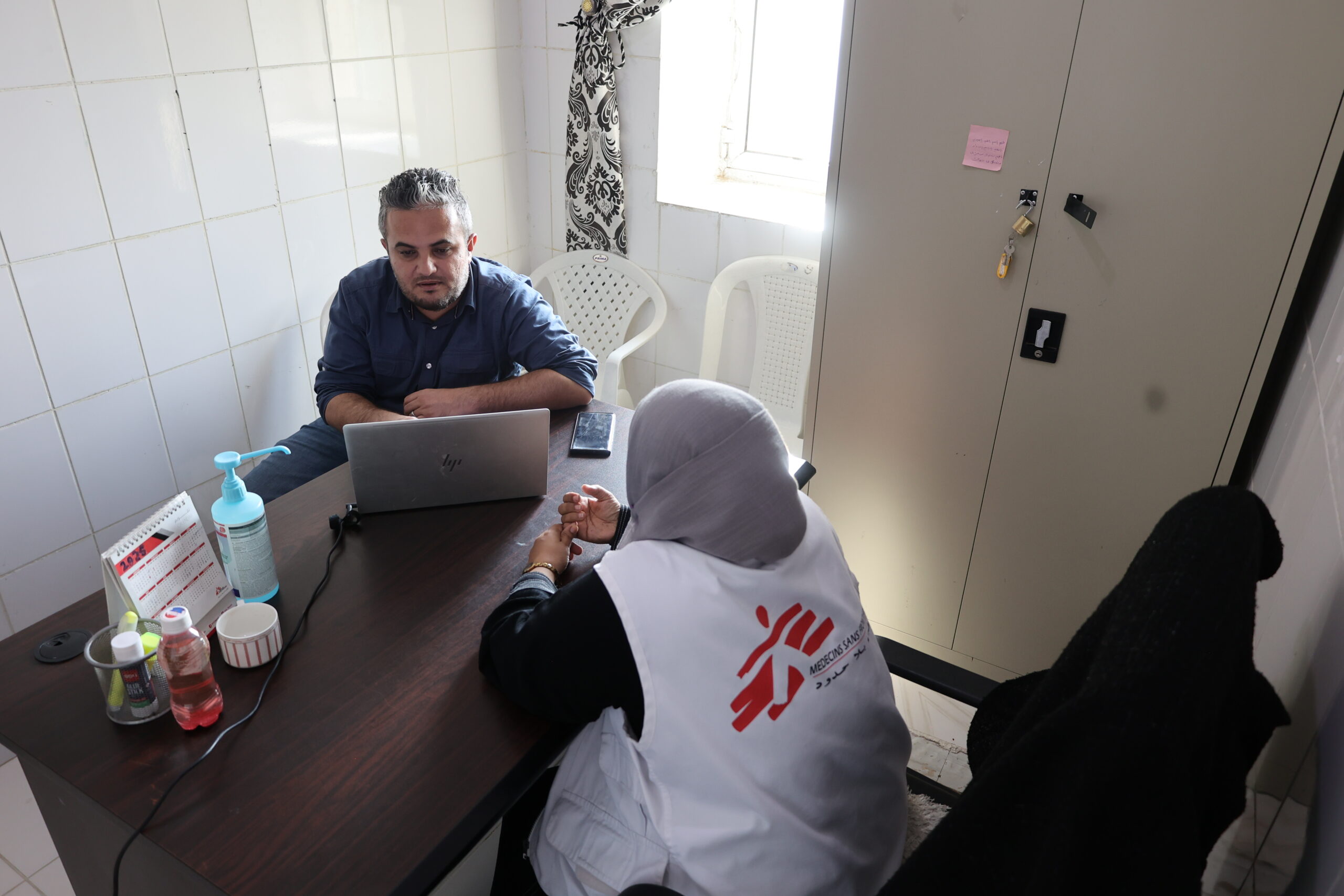
MSF concludes three years of support at Darat Izza Primary Health Care Center. Our teams supported the primary healthcare services, including consultations, sexual and reproductive health, emergency care, medicines, laboratory services, health education, and mental health support. ©Abdulrahman Sadeq/MSF
Expanding access to essential care
Over the course of our support, MSF contributed to strengthening the availability and quality of primary healthcare services at the PHCC. Medical care included general consultations, paediatric and maternal health services, reproductive healthcare, emergency treatment, laboratory testing, and the provision of essential medicines. Through outreach activities and mobile clinics, our staff, in collaboration with the Aleppo Directorate of Health teams, were also able to reach people in surrounding villages and displaced communities.
Between 2022 and 2026, MSF supported around 170,215 outpatient consultations, 18,950 maternal and child health consultations, and 7,660 individual and group mental health sessions. Together, these activities helped improve access to healthcare for people in the area.
MSF has been providing support to this center for the past three years, during which we have assisted over 180,000 patients. The organisation has informed us that it will be concluding its services at the PHCC, and we are working with the Aleppo Directorate of Health (DoH) to continue support and ensure continuity of care for the people in the area.
Ammar Misto
Director of Darat Izza PHCC
Delivering care in a challenging context
MSF’s support took place in a context shaped by years of war and instability, during which Darat Izza and surrounding areas have been repeatedly affected by insecurity, including artillery shelling and airstrikes. Despite these challenges, the MSF-supported PHCC remained open and able to receive patients, ensuring their continuity of care.
MSF teams worked closely with local health staff to maintain services in a volatile environment, while strengthening infection prevention and control measures, including during the COVID-19 pandemic. At the same time, water, sanitation, and hygiene activities, such as water trucking and waste management, were carried out in displacement camps and informal settlements to help reduce public health risks.
Alongside direct service delivery, MSF also supported the capacity of local health teams through training, supervision, the provision of medical supplies and equipment and staff incentives, contributing to the continuity, quality and longer-term sustainability of care.
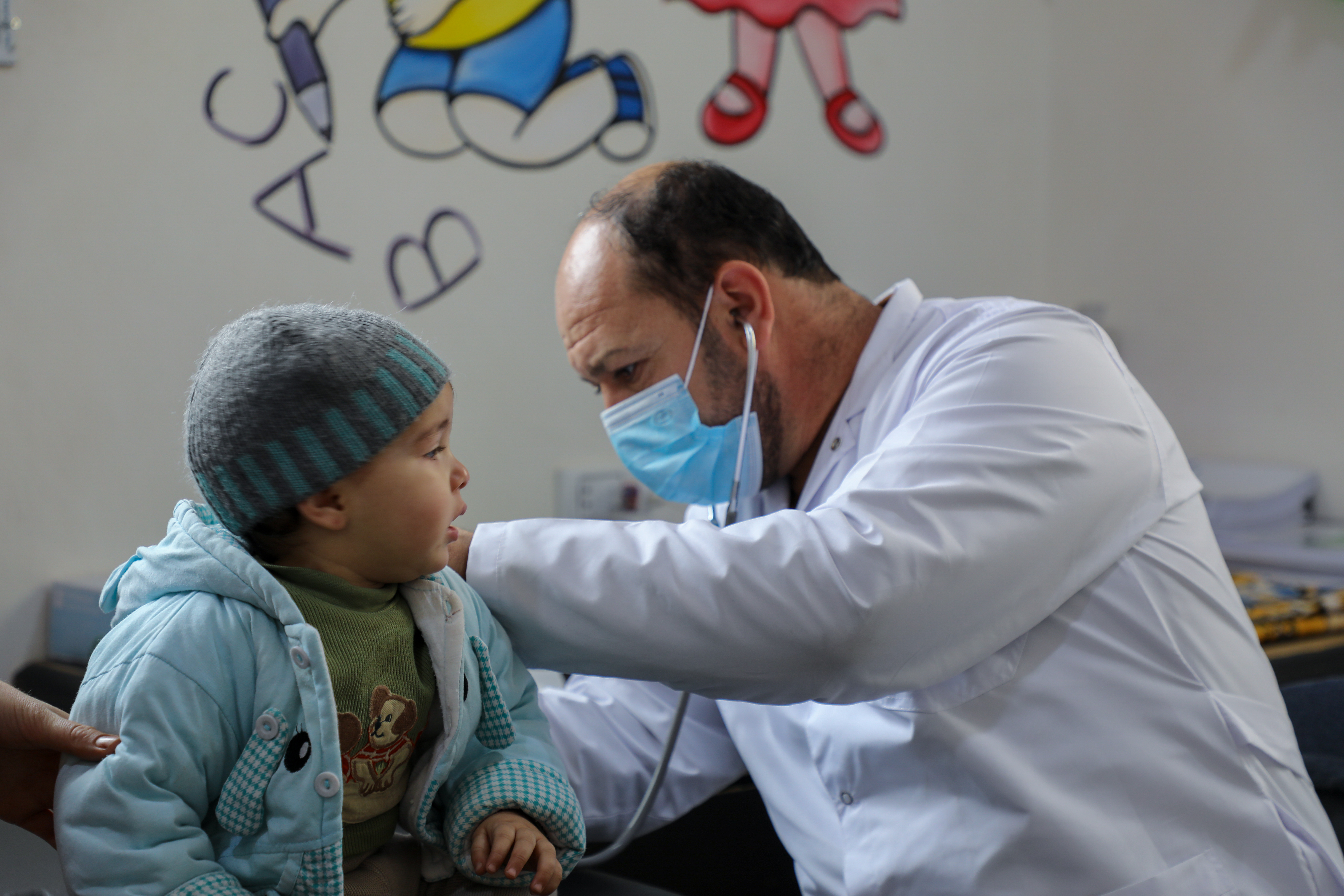
MSF concludes three years of support at Darat Izza Primary Health Care Center. Our teams supported the primary healthcare services, including consultations, sexual and reproductive health, emergency care, medicines, laboratory services, health education, and mental health support. ©Abdulrahman Sadeq/MSF
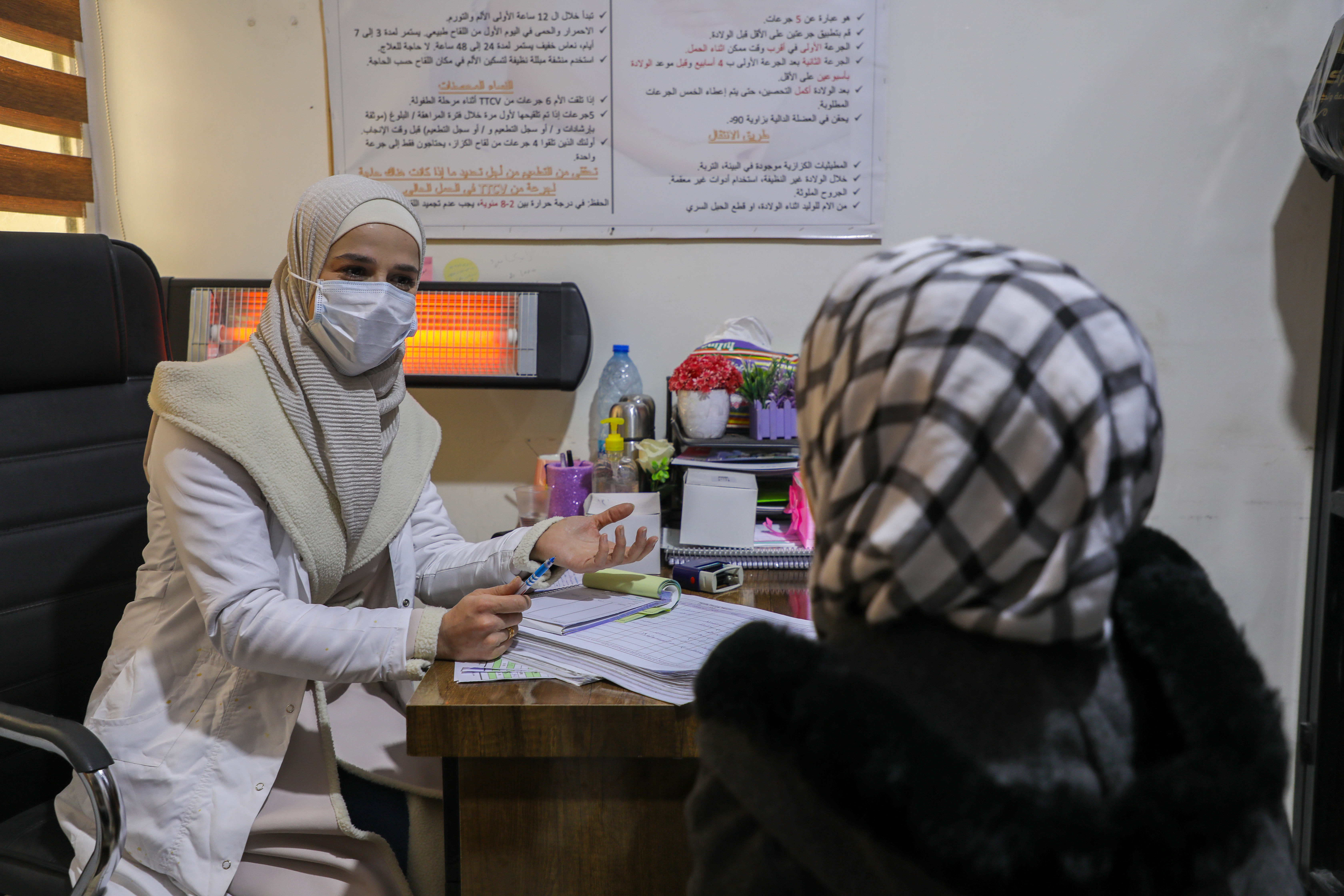
MSF concludes three years of support at Darat Izza Primary Health Care Center. Our teams supported the primary healthcare services, including consultations, sexual and reproductive health, emergency care, medicines, laboratory services, health education, and mental health support. ©Abdulrahman Sadeq/MSF
Ongoing needs in northwest Syria
Northwest Syria has faced significant healthcare challenges, with many communities struggling to access essential services. Years of conflict, displacement, and economic hardship have compounded both physical and mental health needs.
Mental health support formed a key component of MSF’s work at the Darat Izza PHCC, addressing the psychological impact of prolonged instability.
One of the challenges we observed in this area is stigma, as is the case in many other regions. We worked to raise awareness and educate people through both individual and group sessions. As MSF hands over Darat Izza PHCC services to the Ministry of Health, the team has also provided a three-month supply of medication to the Darat Izza PHCC to help ensure continued access to treatment in the coming period.
Ayham Al-Khattab
MSF medical doctor for mental health services
Looking ahead
While MSF has concluded its direct support to the PHCC in Darat Izza, our teams continue to respond to urgent medical needs across Syria. MSF teams remain present in the region, adapting the activities to reach people in need who have limited access to care.
“We recognise and deeply value the dedication of health workers at the Ministry and the Directorate of Health, who have been central to this collaboration,” says Ulrich Crepin Namfeibona, MSF Country Manager in Syria. “Their sustained efforts over the past three years have been instrumental in ensuring that thousands of people were able to access the care they need. To support continuity of services, we have also provided medical donations to cover three months.”