After years of displacement, many displaced Syrians are beginning to return to their home cities, determined to rebuild their lives in the rubble of war. But as the patterns of movement shift, so do the health care needs of communities facing a lack of functioning health services.
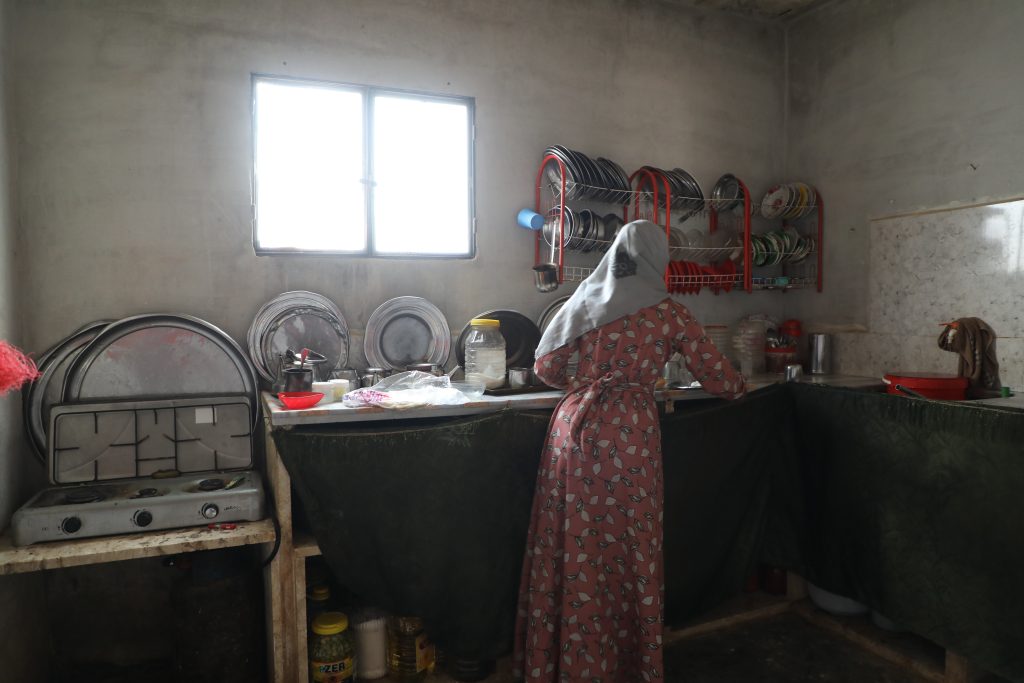
What was once addressed primarily through camp-based clinics and humanitarian health posts in northwest Syria, is now surfacing within rural and urban neighborhoods still struggling to recover from years of conflict and underinvestment. The movement of people is not just a return home; it brings chronic illnesses, interrupted treatments, urgent maternal health needs, psychological trauma, and deep economic vulnerability to cities with fragile and under-resourced health systems. As more people return home, the burden is steadily shifting from temporary camp services to permanent urban facilities, demanding new approaches on how and where to deliver care. “The day after the liberation, I returned back home,” says Aisha, a mother visiting the Doctors Without Borders/Médecins Sans Frontières (MSF)-supported Khalediya Primary Healthcare Center (PHCC) in Homs. “I went to see what was left of it; it had been damaged. I tried to repair what I could, and I’ve been living here.”
Back then [during the war], shells were falling and massacres were happening in Khalediya. There were snipers, and our children couldn’t go to school. Sometimes we couldn’t even secure bread... I may not be able to give my children everything.
Aisha
Mother of a patient
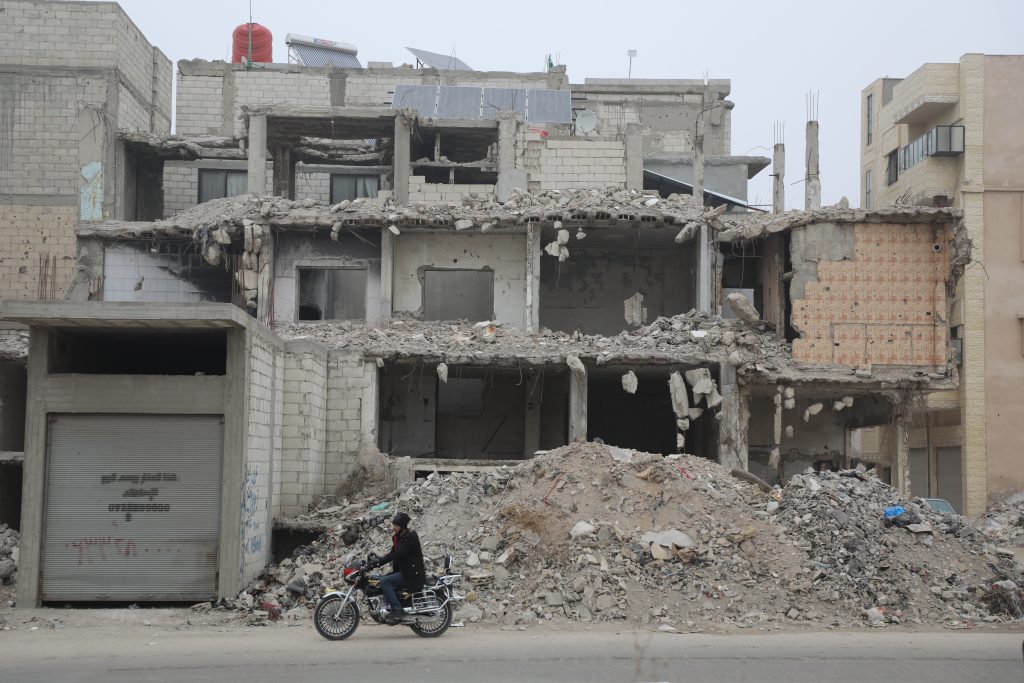
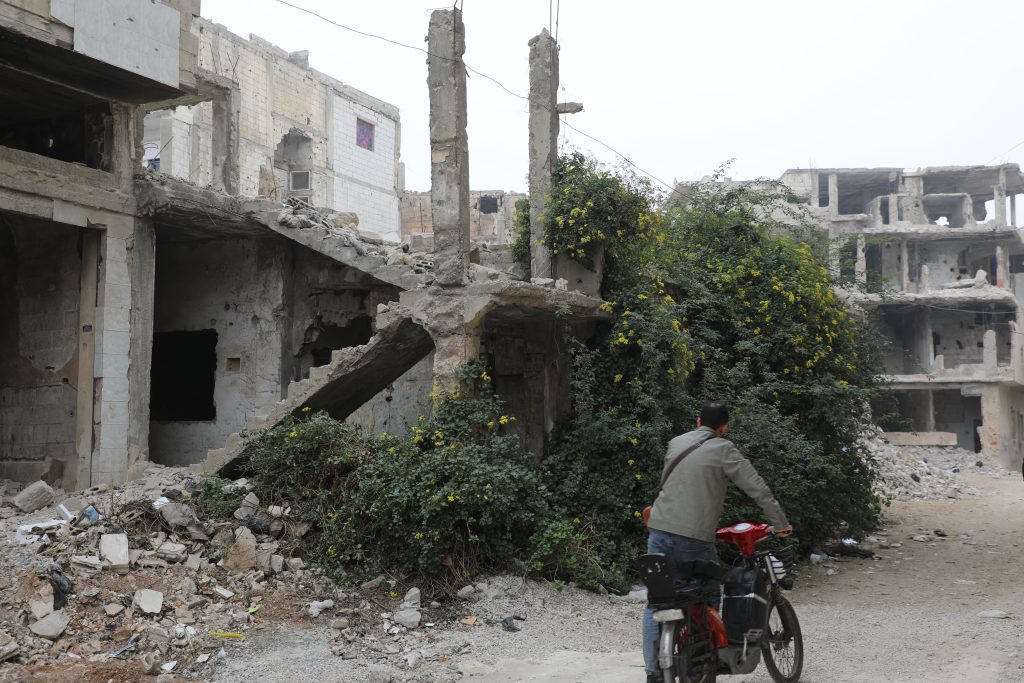
In Homs, entire neighborhoods have been heavily destroyed after years of conflict, and the neighborhood surrounding Khalediya PHCC remains strewn with rubble and damaged buildings. Despite the devastation, families are gradually returning, determined to rebuild their lives from scratch. Many are moving back into homes that are only partially repaired or still severely damaged, simply because they have nowhere else to go. Some residents have begun living in buildings that remain structurally unsafe, exposing themselves and their children to serious risks. Yet the desire to return home and restore a sense of normalcy is stronger than the fear of these hazards.
As more people come back, signs of life are slowly reappearing in the community. Streets that were once empty are seeing movement again, and neighbors are reconnecting. However, meaningful economic recovery remains distant. Most families lack stable income and struggle to cover even basic needs.
For many, daily life has become a series of difficult choices. Limited resources force families to prioritize one urgent need over another — deciding, for example, whether to pay a doctor’s fee for a sick child or spend the money repairing broken windows and doors in their homes.
These decisions illustrate the harsh realities faced by residents trying to rebuild their lives in a neighborhood still marked by the scars of conflict.
The healthcare needs are not only shifting, but growing more complex
During years of displacement, particularly in camps around Idlib, health services were largely designed to address acute conditions, communicable disease outbreaks, emergency maternal care, and other immediate needs delivered through short-term humanitarian responses.
Now, as people resettle in urban areas such as Homs, the health challenges they face are becoming more complex and long-term. Years of disrupted care have left many returnees living with unmanaged non-communicable diseases such as hypertension and diabetes. Others are coping with untreated injuries, disabilities, and the lasting psychological effects of conflict and displacement.
At the same time, families are trying to rebuild basic health routines. Children often require catch-up immunizations and nutritional support after years of interrupted services, while pregnant women need consistent care during pregnancy and after delivery, which was difficult to access during displacement.
This evolving reality requires a fundamental shift in how healthcare is delivered, one that aligns with the government’s integrated strategy for the country while implementation gradually takes shape. Yet local health systems, already strained by years of conflict and destruction, are often not fully equipped to absorb this growing and increasingly complex demand.
As more people return home, the lack of functional health services in many of these areas is becoming one of the most critical challenges for Syria’s fragile health system.
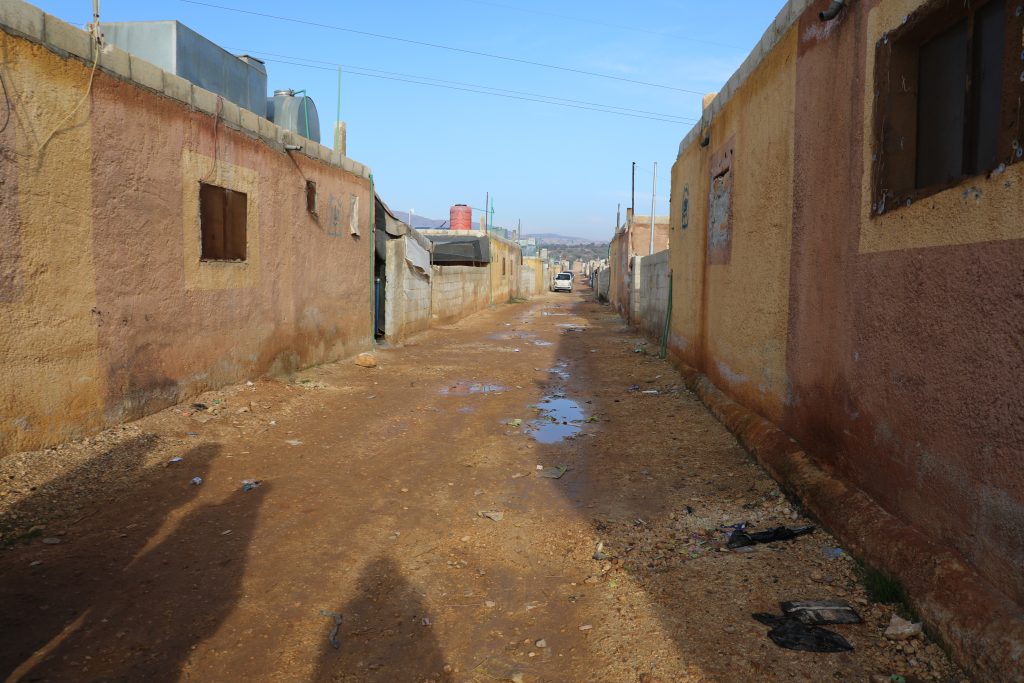
We were forcibly displaced from our homes, against our will, and ended up in Idlib. We lived in tents on mountainous land. Many families had been displaced there before us. We lived in those conditions for eight years. Some people stayed even longer — 10 years, others 12.
Tareq Aeshro
A returnee from the countryside of Homs
From Idlib camps to Homs: MSF’s medical activities
For more than a decade, MSF has been providing medical and humanitarian support to displaced communities in camps such as Termanin and Kafr Boni and in health facilities across Idlib and northwest Syria.
Through mobile clinics in displacement camps and remote areas, our teams and partners have provided primary healthcare consultations, maternal and reproductive health services, treatment for communicable diseases, and care for chronic conditions such as diabetes and hypertension. MSF has also supported vaccination activities, mental health care, and referrals for patients requiring specialized treatment. During disease outbreaks and the 2023 earthquakes, MSF responded with emergency medical supplies, trauma care, and logistical support to overstretched health facilities.
From January 2024 to February 2026, MSF supported Al Kindy Maternity Hospital and the primary health care centers of Termanin camp, Kafr Boni camp, and Mashhad Ruhin. Our teams have provided 59,918 pediatric outpatient consultations, 29,413 emergency consultations, and 6,051 individual and 4,512 group mental health sessions, while creating safe spaces for children and families to access medical and psychosocial support.
MSF teams continue to collaborate with the Directorate of Health in Idlib to provide specialized care across primary and secondary healthcare facilities, including Atmeh Burn Hospital, Salqin Hospital, Abu Adh Dhuhur PHCC, Maasaran PHCC and clinic, and Tal Al Karam non-communicable disease clinic. This support includes exchanging expertise with Directorate of Health teams, providing technical and medical assistance, and managing and rehabilitating parts of these facilities.
In Syria, the effects of war stand as a witness to a bloody conflict that lasted for fourteen years, while people try to rebuild their lives again.
To better understand emerging needs and gaps in services in Syria, MSF carried out an assessment in different governorates and adapted and expanded its activities based on the results. MSF now operates in 12 out of 14 governorates, supporting communities transitioning from displacement to return. By strengthening healthcare services in areas of return, MSF aims to help communities regain access to consistent medical care as the people rebuild their homes and restore daily life. In July 2025, MSF began supporting the Khalediya PHCC in collaboration with the Ministry of Health in Syria. The facility now provides a range of essential services for returning families, including pediatric consultations, emergency care, mother and child care services, mental health and psychosocial support, and access to essential medications, in addition to strengthening the only blood diseases center and blood bank in Homs through training, infrastructure improvements, and quality-of-care support.
Since July 2025, MSF teams at Khalediya PHCC, in collaboration with Homs Directorate of Health, have delivered over 6,930 pediatric consultations, 3,678 emergency room consultations, and 248 individual and group mental health sessions, supporting children and families with essential medical and psychological care.
Like many websites, MSF uses cookies to enhance your user experience. By continuing to navigate this site you are giving consent to the issue of these cookies. No, give me more info
This website uses cookies to improve your experience while you navigate through the website. Out of these cookies, the cookies that are categorized as necessary are stored on your browser as they are essential for the working of basic functionalities of the website. We also use third-party cookies that help us analyze and understand how you use this website. These cookies will be stored in your browser only with your consent. You also have the option to opt-out of these cookies. But opting out of some of these cookies may have an effect on your browsing experience.
Necessary cookies are absolutely essential for the website to function properly. This category only includes cookies that ensures basic functionalities and security features of the website. These cookies do not store any personal information.
Any cookies that may not be particularly necessary for the website to function and is used specifically to collect user personal data via analytics, ads, other embedded contents are termed as non-necessary cookies. It is mandatory to procure user consent prior to running these cookies on your website.