This web update is adapted from an op‑ed by Parthesarathy Rajendran, Executive Director of MSF South Asia, originally published in Observer Research Foundation on 7 April 2026, as part of the World Health Day 2026 series.
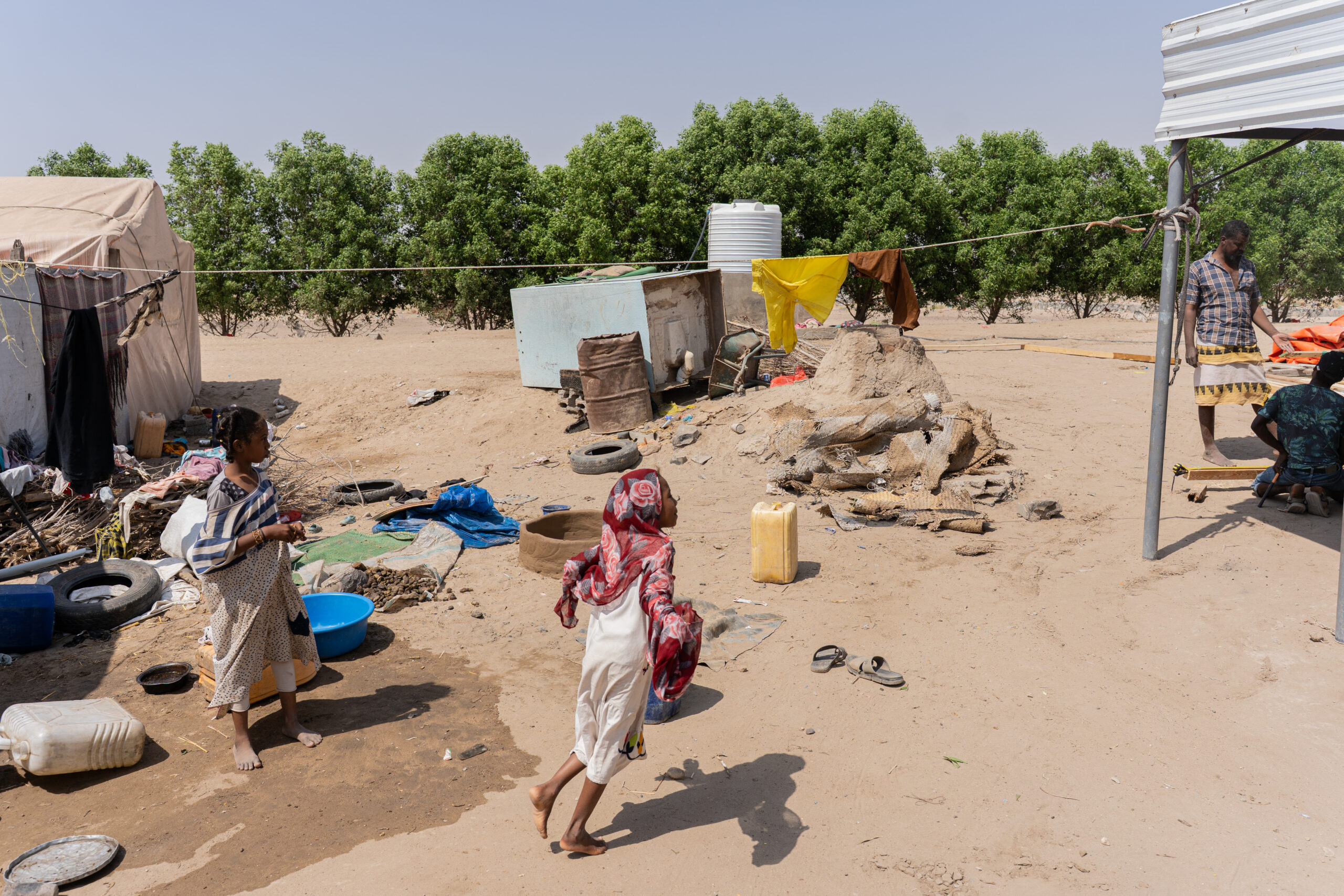
As conflicts escalate around the world, their human cost is often reduced to statistics. For medical and humanitarian teams working on the frontlines, however, the consequences are lived every day. Wars do not only injure and displace people—they systematically erode healthcare systems, turning places of healing into sites of risk and fear.
Across conflict settings, hospitals have been damaged or destroyed, vaccination programmes disrupted, water and sanitation systems dismantled, and access to basic care severely constrained. At the same time, healthcare workers themselves are increasingly exposed to violence. Attacks range from bombardment of facilities to intimidation, obstruction, and campaigns of misinformation that undermine trust in medical care. In many contexts, providing healthcare has become as dangerous as needing it.

Recent findings underline the scale of the crisis. MSF’s Medical Care in the Crosshairs report highlights a pattern of escalating attacks on healthcare and a growing disregard for the rules meant to protect medical missions during war. International data shows that fatalities linked to attacks on health facilities and personnel have risen sharply, with conflict‑affected countries such as Sudan, Myanmar, Palestine, Syria, and Ukraine among the hardest hit. Locally hired health and humanitarian workers continue to bear the brunt of this violence.
Beyond direct attacks, war itself acts as a public health emergency. Injuries caused by weapons are compounded by the resurgence of preventable diseases when vaccination coverage collapses, clean water becomes scarce, and displacement, malnutrition, and chronic stress take hold. Recent outbreaks of polio and cholera in conflict‑affected settings illustrate how quickly gains in public health can be reversed when systems break down.
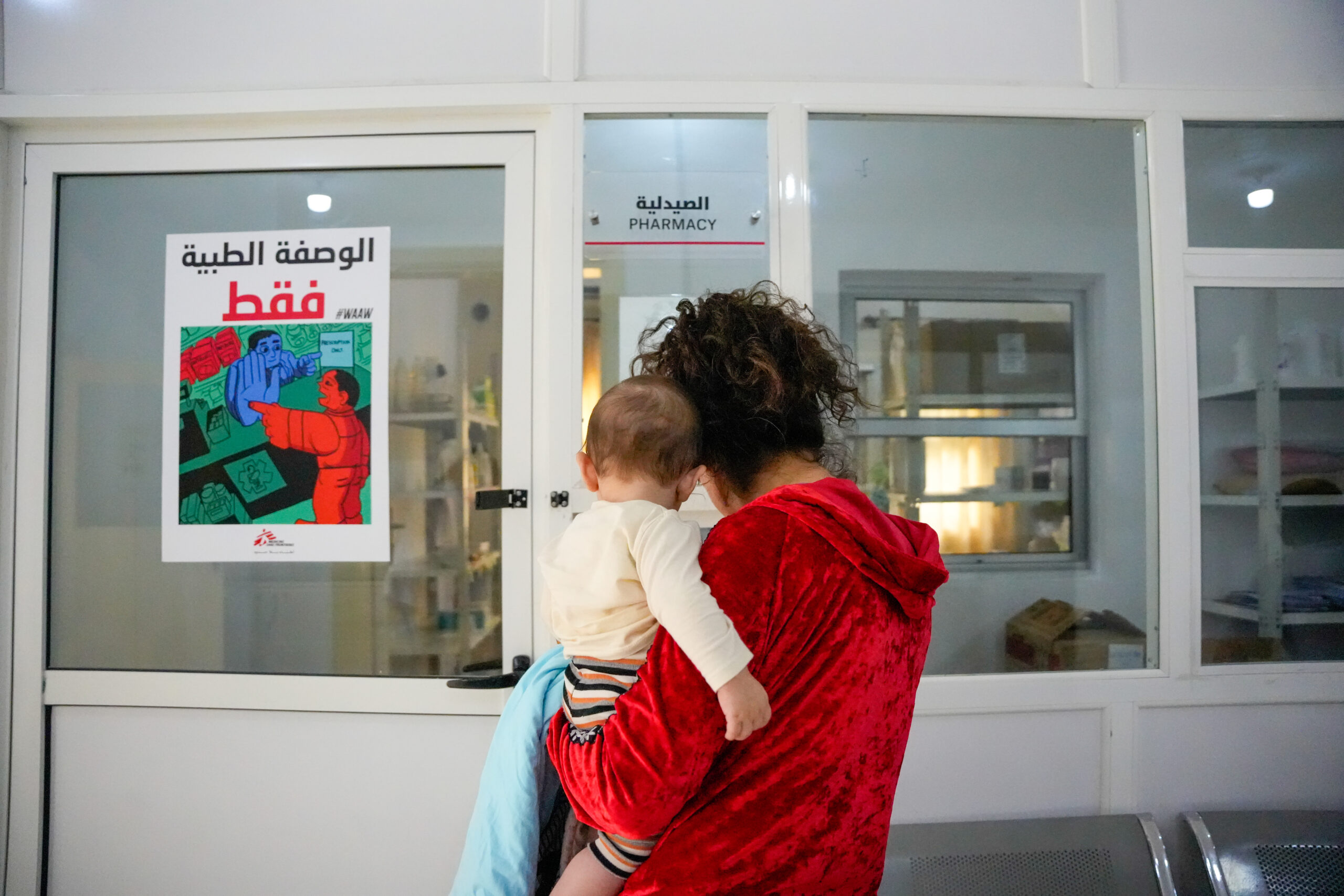
The consequences extend far beyond the moment of attack. When health facilities are damaged or perceived as unsafe, people delay or avoid seeking care altogether. Fear becomes another barrier—one that disproportionately affects women, children, older people, people with disabilities, and those already pushed to the margins of society. What should be protected spaces instead become symbols of risk.
International Humanitarian Law is clear: the wounded and sick must be cared for, and medical personnel and facilities must be respected and protected. These principles have existed for more than a century and are embedded in the Geneva Conventions. Yet increasingly, attacks on healthcare are framed as acceptable or unavoidable, shifting the burden onto hospitals and communities to prove they are not legitimate targets. This erosion of norms places healthcare at the mercy of military logic rather than humanitarian obligation.
For MSF teams and other humanitarian workers, this reality forces impossible choices, between staying and risking their lives, or withdrawing and leaving communities without care. It means working under constant threat, witnessing the destruction of lifesaving medicines and equipment, and mourning colleagues lost to violence.
In the words of the UN Secretary-General, ‘Even wars have rules’.
As global leaders mark World Health Day under the theme “Together for Health. Stand with Science,” MSF reiterates that protecting healthcare in conflict is not optional. It is a legal and moral obligation. Allowing violence against