“Sometimes, [we] were raised in an ‘old-fashioned’ way, and it’s very difficult to understand teenagers,” says Roxana*, the mother of an MSF patient. “I have a 22-year-old son and a 13-year-old daughter, and it’s not the same being alone [single] during their adolescence. I wouldn’t want my daughter to get pregnant at a young age, make bad decisions, or fall in with the wrong crowd. That’s why the support Doctors Without Borders/ Médecins Sans Frontières (MSF) provides is so important.”
Multiple factors in Honduras have made reproductive health care taboo and challenging to access. Among others, fear of social judgment, misinformation and a lack of education about sexual and reproductive health care, as well as difficulty accessing or affording quality care, prevent many people from getting the care they need, especially adolescents. At the same time, there is a high incidence of sexual violence — making this care even more vital.
Honduras continues to have one of the highest rates of teenage pregnancy in the world. In 2023, 82 out of every 1,000 girls and women between the ages of 15 and 19 gave birth in the country (these figures have not been updated since). The Ministry of Health (SESAL) also recorded 946 births to girls between the ages of 10 and 14. This reflects the enormous need for programs aimed at preventing pregnancy in children and adolescents.
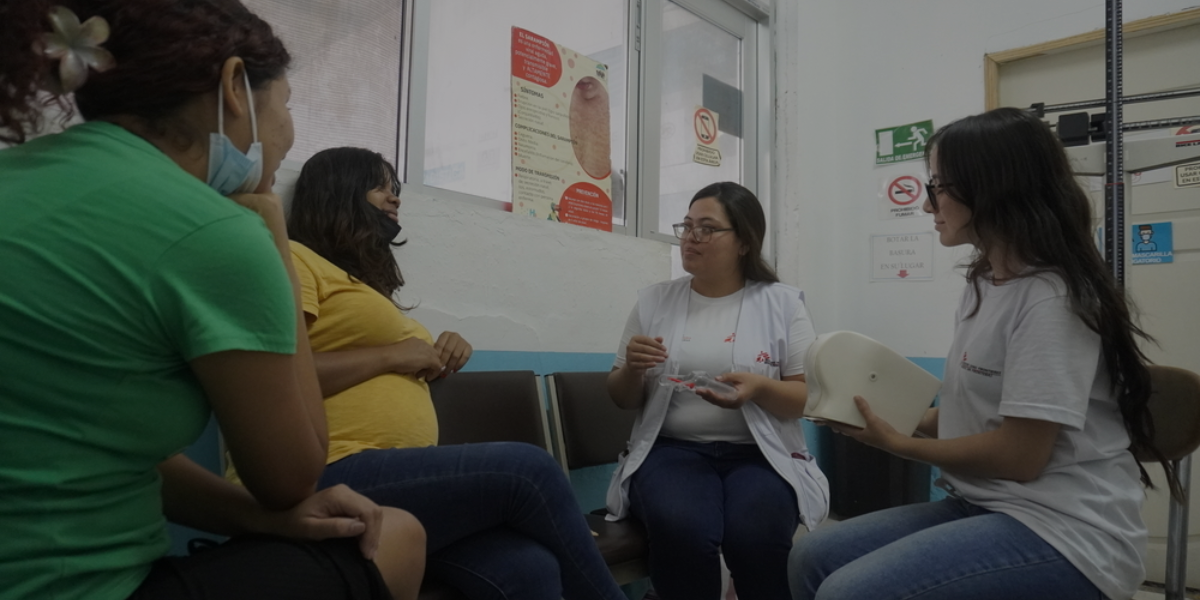
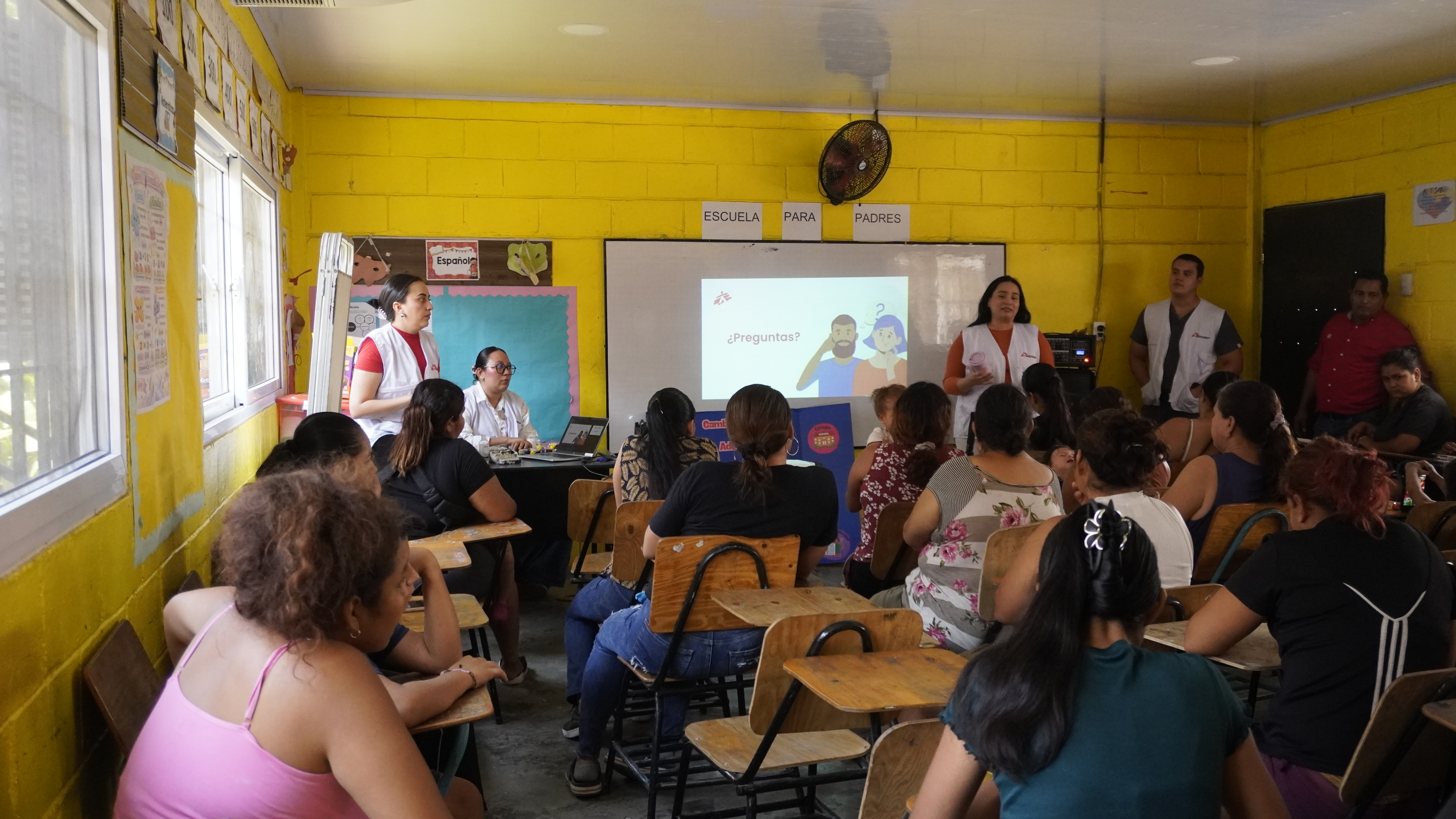
To address these gaps, in 2025, MSF adapted its program in San Pedro Sula, northern Honduras, to bring sexual and reproductive health services to adolescents between 10 and 19 years old. The services our teams now provide to children and adolescents include contraceptives, Pap smears, diagnosis and treatment of sexually transmitted infections, prenatal and postnatal care, mental health consultations, social work follow-up, health promotion and education services, as well as comprehensive care for victims and survivors of sexual violence.
MSF mobile teams travel to different locations and schools around the city to provide this care, and as well as supporting the adolescent clinic in the Ministry of Health run Miguel Paz Barahona Polyclinic. We also provide care to survivors of sexual violence of all ages at an MSF clinic.
“Between February 2025 and February 2026, MSF cared for 100 victims of sexual violence, 42 of whom were children under 18 years of age,” says Diana Dávila, MSF Medical Activities Manager in San Pedro Sula. “During this period, we conducted 598 prenatal consultations and 53 postpartum consultations for children under 19 years old. Most of the pregnant adolescents we cared were related to contexts where there is no consent or equality in the relationship.”
This reflects a small part of the multifaceted problem of accessing comprehensive mental health care, sexual and reproductive health care, and sex education, not only in San Pedro Sula but nationwide.
The need to eliminate barriers to accessing mental health support — even for children and adolescents — is strong.
“I remember my first period,” said Roxana. “I had fallen asleep, and when I woke up to eat, I was covered in blood. My family started insulting me, saying strange things: that I was useless . . . and I felt useless. Now, at 40 years old, I know it’s part of growing up. And my daughter understands everything. She’s also learned to understand her emotions when they change.”
During this first year, the MSF’s mental health team conducted 1,598 initial and follow-up consultations. The main reasons for seeking care were acute stress, depression, post-traumatic stress disorder, and anxiety — often linked to sexual violence, family separation, or problems in personal relationships.
Many survivors of violence we see — whether sexual violence or otherwise — have experienced these events for many years. If it is not addressed or dealt with, it impacts their daily lives. That is why at MSF we consider it important to pay attention to mental health from an early age.
Diana Dávila
MSF Medical Activities Manager in San Pedro Sula