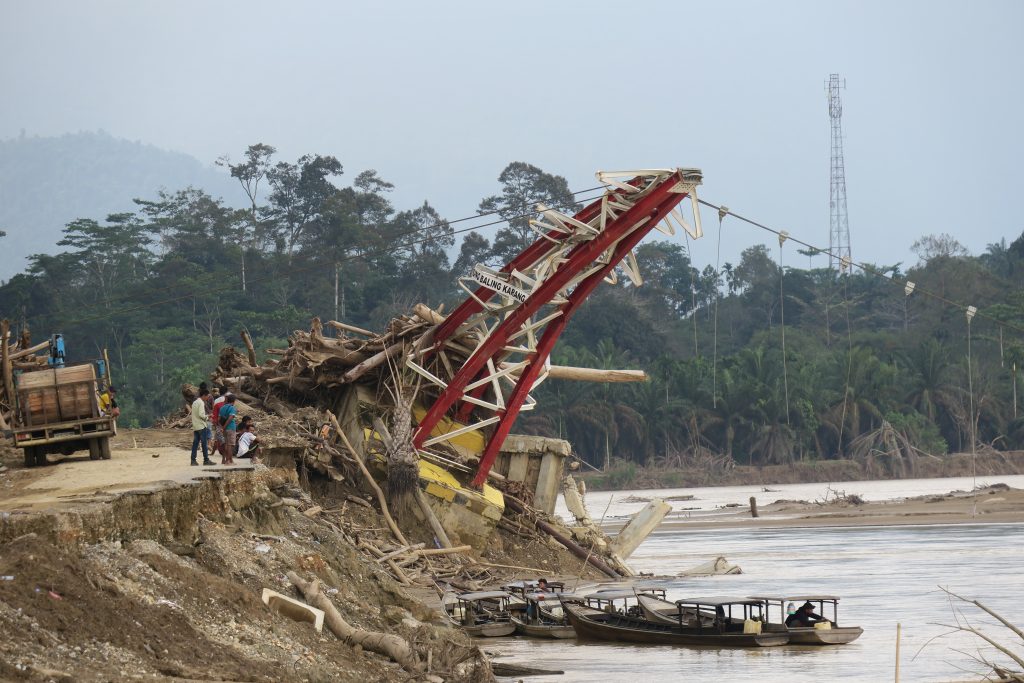
Aceh Tamiang, January 2026 – At the end of November 2025, Tropical Cyclone Senyar triggered extreme rainfall, that caused devastating floods in three provinces in Indonesia: Aceh, North Sumatra, and West Sumatra. As of 14 January 2026, official figures recorded more than 1,000 deaths and over 130,000 people displaced in the three provinces.
Through darkness and mud
Doctors Without Borders/Médecins Sans Frontières (MSF) arrived in Aceh Tamiang on 5 December 2025. Ivan Sinaga, the Head of Mission in Indonesia, recalled the conditions at the time, “The city was dark because there was no electricity and there’s no mobile coverage. It was basically covered in thick mud.” Seventeen out of 19 health facilities, including 12 primary healthcare centres in Aceh Tamiang, were no longer functional after floods and heavy mud covered it.
Syahri, Head of Post in Pengidam Village, recounted how quickly the water rose, reaching the height of 11 meters on the night of 26 November 2025. “We didn’t have any boat, so we used tires and jerrycans to evacuate to the higher ground in panic and darkness.” He added, “The flood receded two days later, leaving behind destroyed homes and mud. The mud even covered rooftops.”
Scaling up services in times of emergency
Although the flood had subsided, MSF sustained and scaled up its response operations until the end of January 2026:
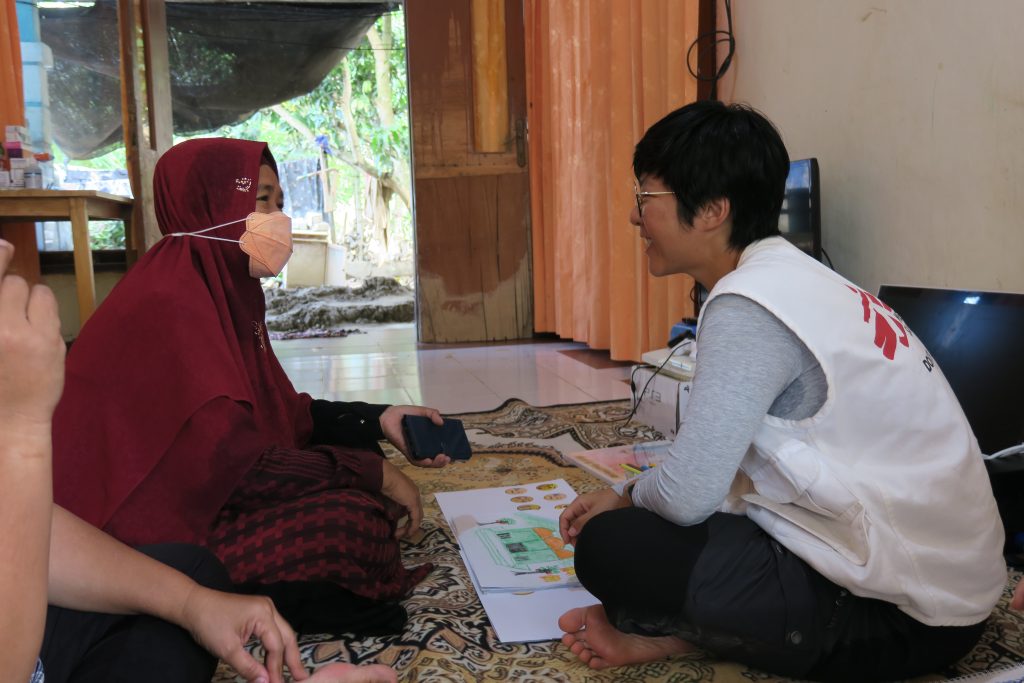
Mobile clinic: The team has treated 2,430 patients in eight subdistricts in Aceh Tamiang and one subdistrict in Aceh Timur. Top three cases are upper respiratory tract infection, generalised pain and aches, and chronic hypertension.
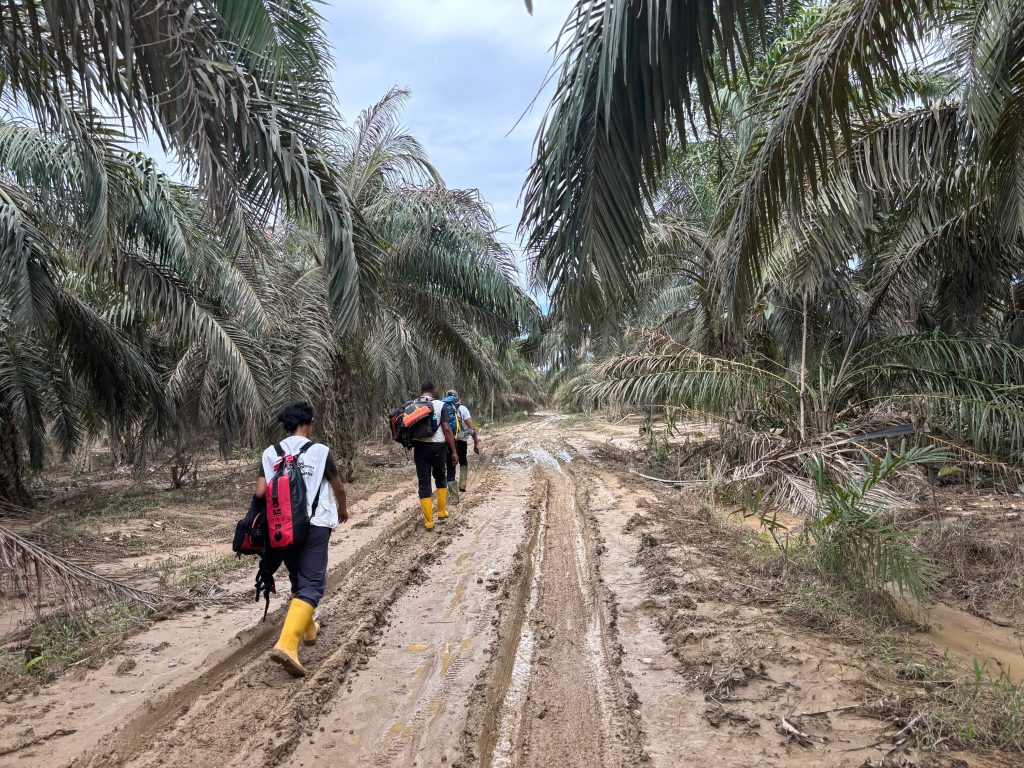
Access to hard-to-reach areas: The team had to travel by boat for five hours, and even stay overnight on site, to reach hard-to-reach villages in Aceh Timur, such as Batu Sumbang and Pante Kera.
Measles vaccinations: Responding to the confirmed measles case following the flood, MSF team worked with the District Health Office (DHO) to support the measles vaccination campaign from 5 January until 24 January 2026, reaching 283 children.
Mental health: Mental health and psychosocial support services are integrated into the mobile clinic, reaching 429 people to help them cope with their trauma due to the disaster.
Another major problem emerged as the flood receded: mud up to one-meter-thick burying homes and public facilities.
Facility rehabilitation: MSF’s water and sanitation team supported cleanup and reactivation of two primary healthcare centres, Manyak Payed and Sekerak, to restore services for patients.
Non-food items distribution: MSF has distributed over 4,000 relief packages, including hygiene kits, cleanup tools, cooking set, and materials to build emergency latrines.
Aside from direct medical services, MSF also supported the operation of the Health Emergency Operation Centre (HEOC) under the DHO of Aceh Tamiang. These include the supply of power sources (generators), Starlink internet connectivity, as well as operational support and data collection.
“The rehabilitation and cleanup efforts by MSF empowered the local community, enabling health centres to operate independently and resume providing services on their own,” said Dr Mustakim, Head of HEOC/Head of Aceh Tamiang DHO.
Like many websites, MSF uses cookies to enhance your user experience. By continuing to navigate this site you are giving consent to the issue of these cookies. No, give me more info
This website uses cookies to improve your experience while you navigate through the website. Out of these cookies, the cookies that are categorized as necessary are stored on your browser as they are essential for the working of basic functionalities of the website. We also use third-party cookies that help us analyze and understand how you use this website. These cookies will be stored in your browser only with your consent. You also have the option to opt-out of these cookies. But opting out of some of these cookies may have an effect on your browsing experience.
Necessary cookies are absolutely essential for the website to function properly. This category only includes cookies that ensures basic functionalities and security features of the website. These cookies do not store any personal information.
Any cookies that may not be particularly necessary for the website to function and is used specifically to collect user personal data via analytics, ads, other embedded contents are termed as non-necessary cookies. It is mandatory to procure user consent prior to running these cookies on your website.