Bangladesh

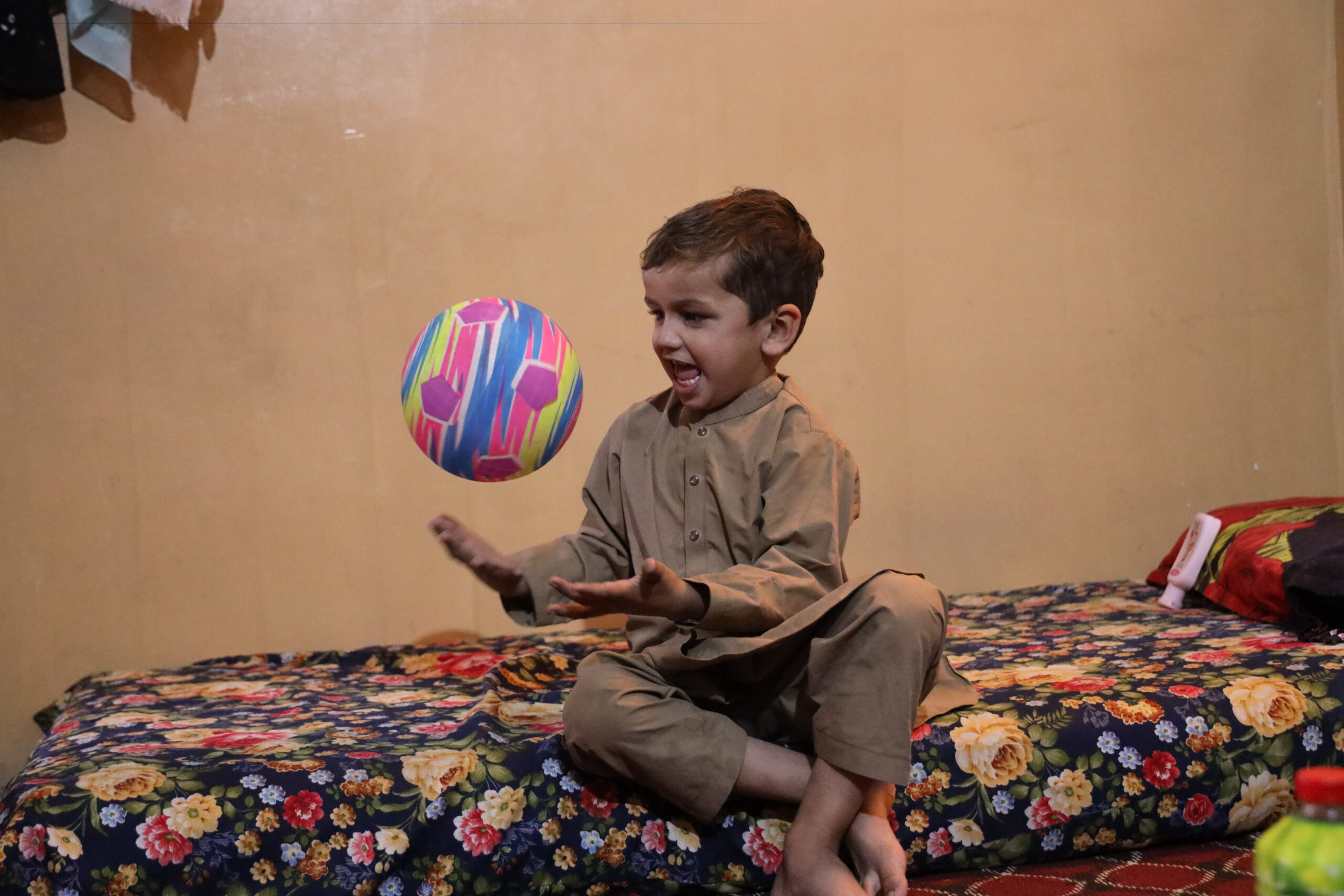
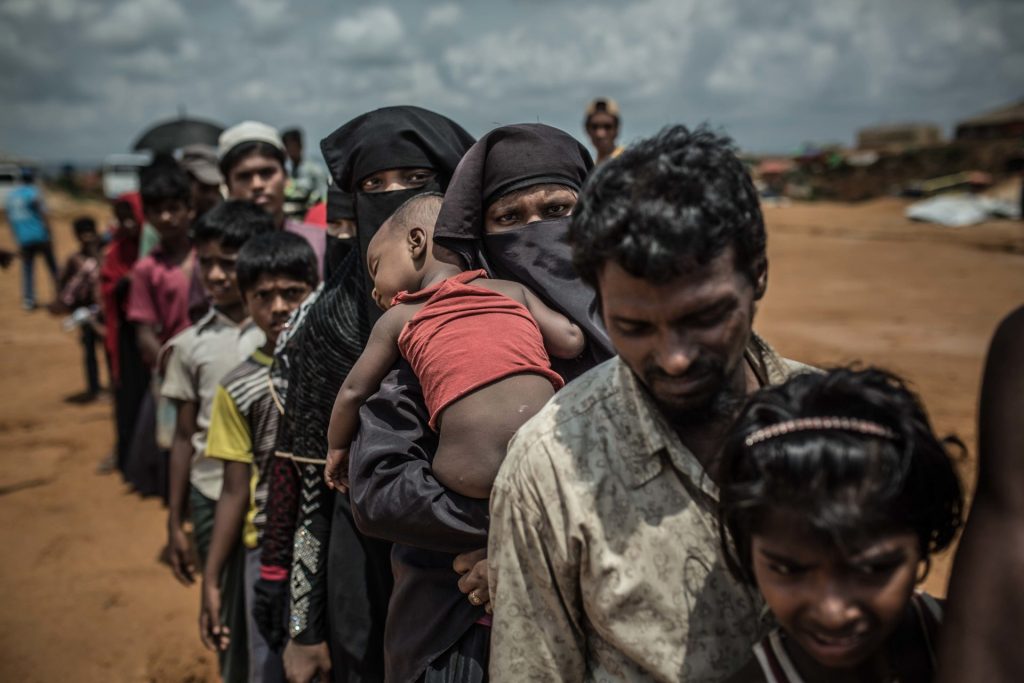
Hundreds of thousands of Rohingya are living in Bangladesh after fleeing targeted violence in Myanmar.

What We Do

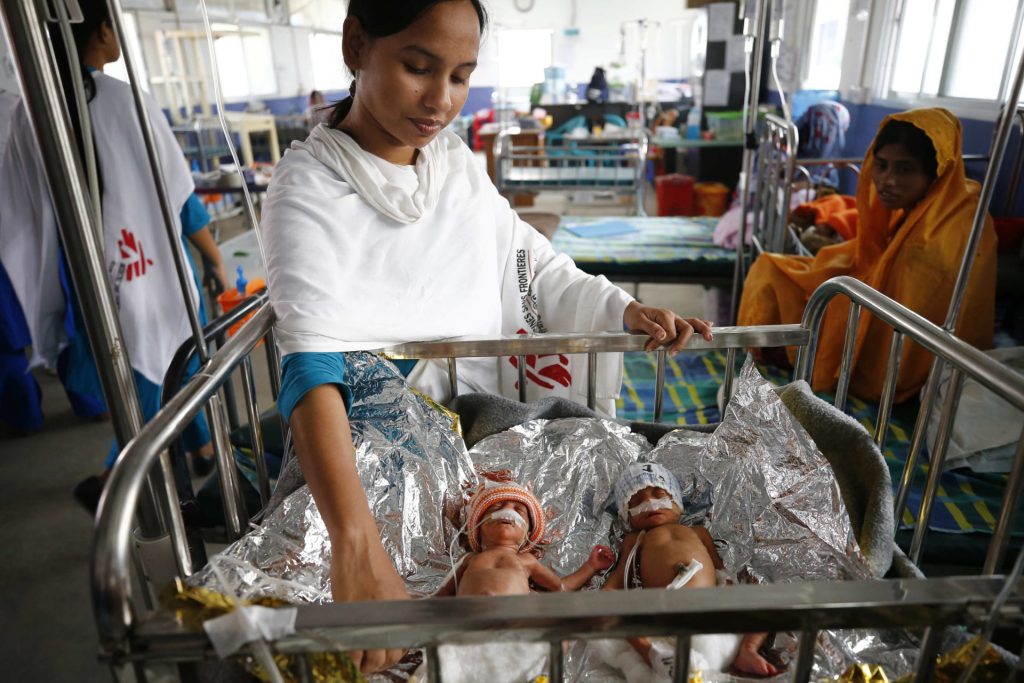
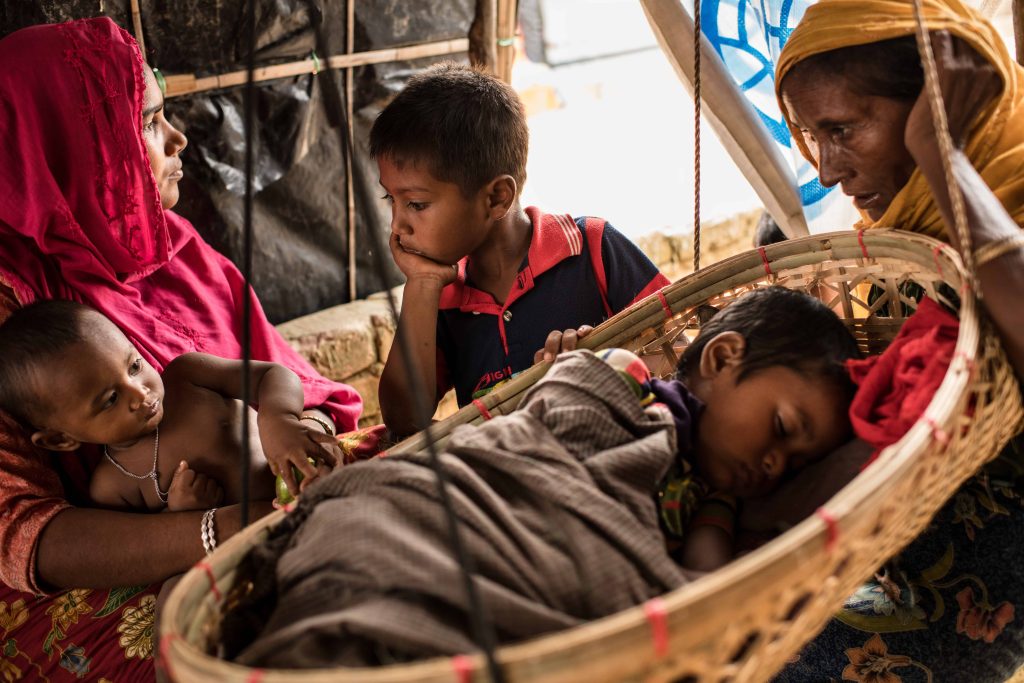
Cox’s Bazar district in Bangladesh has hosted Rohingya refugees fleeing targeted violence in neighbouring Myanmar’s Rakhine state since 1978. The latest violence, which began in August 2017, has provoked an unprecedented exodus, forcing hundreds of thousands of people to live in camps with deteriorating conditions. Around 860,000 Rohingya refugees live over a surface of 26 square kilometres.

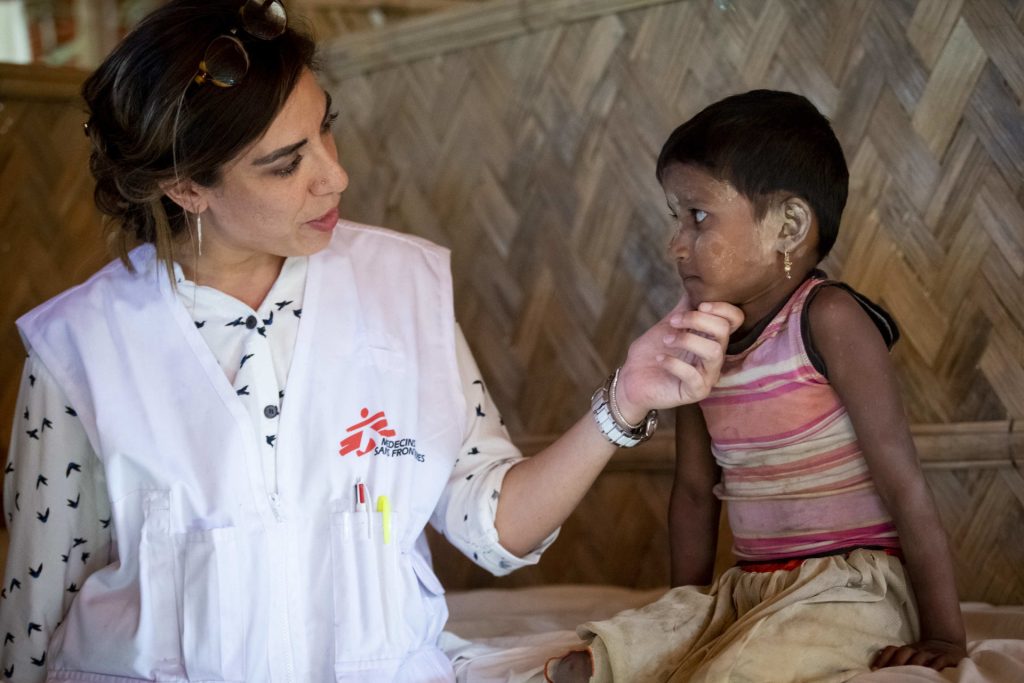
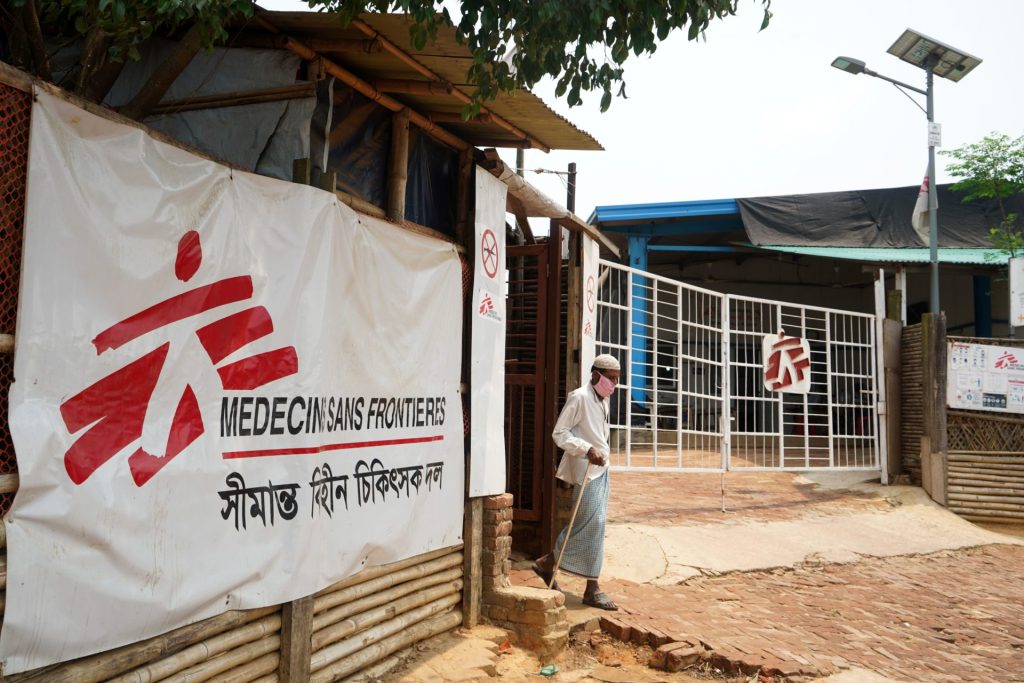
At present, we are providing medical care in two districts: Dhaka and Cox’s Bazar, while working to maintain our regular medical response. The current intervention in Cox’s Bazar started in 2009, when Kutupalong field hospital was established to serve both refugees and the local community.

In August 2017, we scaled up activities and now run nine health facilities across Cox’s Bazar district, including three hospitals, three primary health centres and two specialised clinics.

Hundreds of thousands of Rohingya are living in Bangladesh after fleeing targeted violence in Myanmar.

In 2025

Médecins Sans Frontières (MSF) provided medical services through multiple health facilities in Bangladesh, primarily serving Rohingya refugees and host communities in Cox’s Bazar and the capital, Dhaka.

Médecins Sans Frontières (MSF) provided medical services through multiple health facilities in Bangladesh, primarily serving Rohingya refugees and host communities in Cox’s Bazar and the capital, Dhaka.

Our Activities in Bangladesh

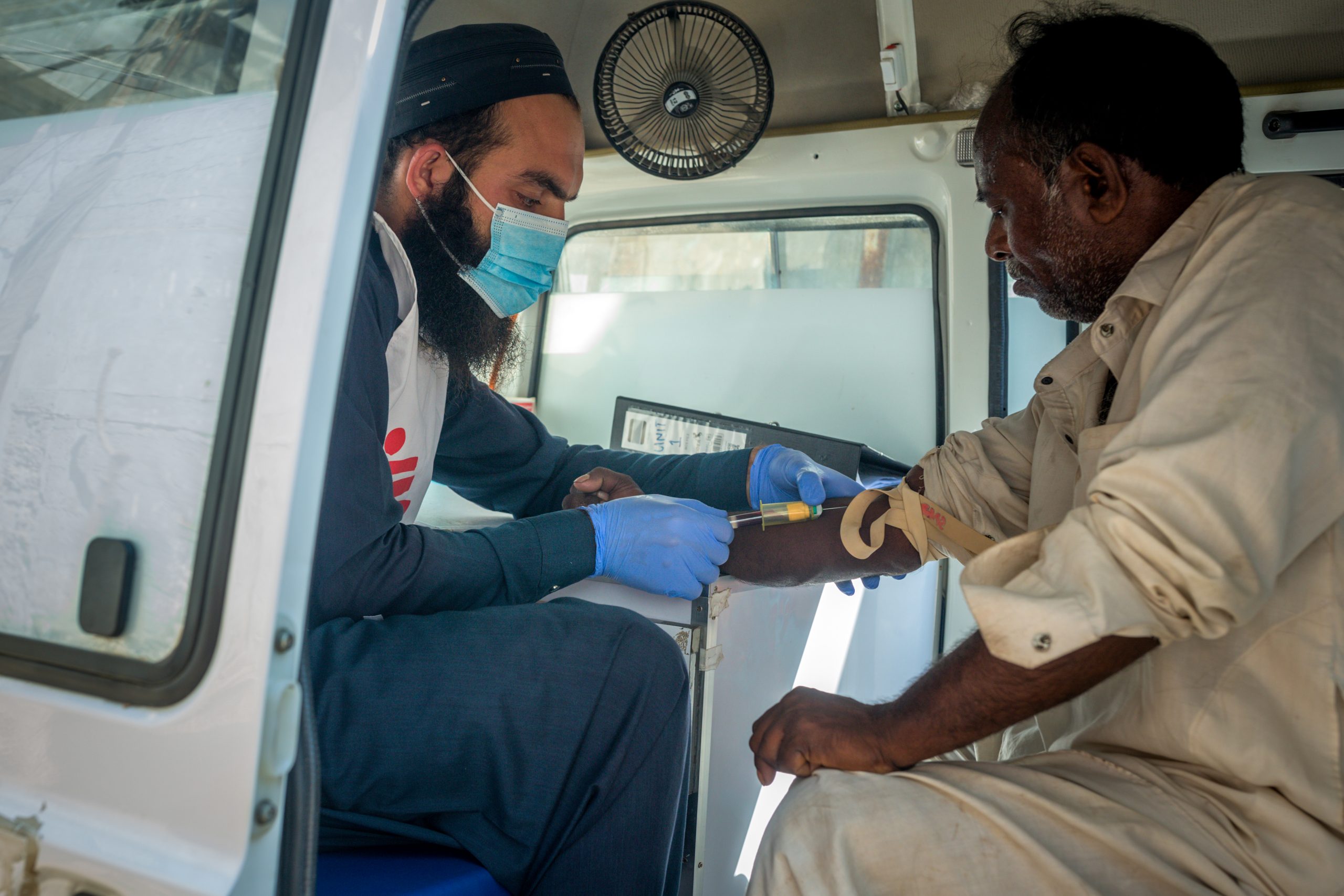
Our general and specialised health services included emergency care, sexual and reproductive care, and mental health support. We also treated patients with non-communicable diseases, such as diabetes and hypertension, and survivors of sexual and gender-based violence.

It is over seven years since hundreds of thousands of Rohingya arrived in Bangladesh, fleeing persecution in Myanmar, yet the possibility of a safe return remains remote. Dire, overcrowded living conditions, a lack of basic services and a complete reliance on humanitarian aid are taking a toll on both refugees and the host community.With no solutions to the crisis on the horizon, MSF is witnessing severe consequences for the physical and mental health of refugees stuck indefinitely in the camps.

Since 2019, we have been treating people with injuries sustained in physical assaults and other forms of intense violence, a further indication of the dangerous living conditions in the camps.

After the December 2023 mass drug administration (MDA), MSF saw a 42% drop in scabies consultations in 2024 compared to the previous year. Despite a planned but unimplemented second MDA in August 2024, scabies cases in the Rohingya community rose, exceeding 100 patients per clinician by the fourth quarter. While complicated scabies cases remained stable compared to 2023, MSF noted an increase in new arrivals from Myanmar with severe, often infected scabies. This suggests challenges in early detection and management. 

Towards the end of the year, we handed over our Unchiprang project, where we had been offering basic healthcare, to the International Rescue Committee, and concluded our activities at Sadar hospital in Cox’s Bazar.

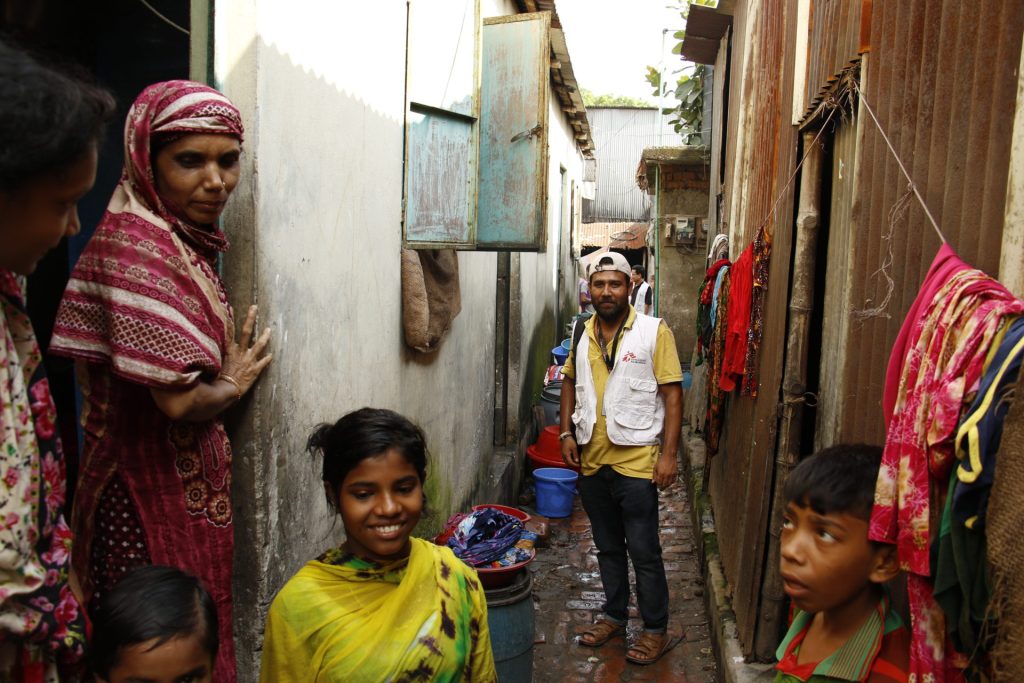
MSF’s Sexual and Reproductive Health (SRH) and Sexual and Gender-Based Violence (SGBV) services in Kamrangirchar made a significant impact in improving access to care for women, children, and vulnerable groups. From 2015 to 2024, MSF clinics provided over 263,436 SRH consultations, including antenatal, postnatal, family planning, and emergency obstetric services.

With the closure of MSF’s activities in Kamrangirchar, the focus now shifts to the ongoing need for sustained and collaborative efforts to address the health and protection needs of vulnerable populations in Dhaka.

The monsoon season in August 2024 brought record rainfall leading to widespread flooding across
the country in 2024. In Noakhali, MSF supported the pediatric acute watery diarrheoa (AWD) ward, focusing on treating patients in the 250-bed Noakhali General Hospital’s inpatient department. The hospital had seen a significant increase in the number of AWD cases right after the flood water started receding. MSF team set up a triage system, reinforced infection and prevention control to manage the risk of spreading acute diarrhea among people, and clinical management of cases.

OUR ACTIVITIES IN 2024

Patients Admitted
0
Outpatient Consultations
0
Individual Mental Health Consultations
0
Births Assisted
0

Why are we here?

Rohingya refugee crisis

In Cox’s Bazar, we provide support through three hospitals, four health centres and two specialised health clinics. In addition, two standalone isolation and treatment centres for severe acute respiratory tract infections (SARI) are ready to be activated if necessary. Inpatient and outpatient services include emergency and intensive care, paediatric care, obstetrics and sexual and reproductive healthcare, as well as victims of sexual violence and patients with non-communicable diseases. We also provide water and sanitation activities for people in the camps.

Occupational health

From 2010 to 2024, MSF operated an occupational health programme in the Kamrangirchar slum area of Dhaka, Bangladesh’s capital. With the closure of MSF’s activities in Kamrangirchar, the focus now shifts to the ongoing need for sustained and collaborative efforts to address the health and protection needs of vulnerable populations in Dhaka.

Sexual and gender-based violence

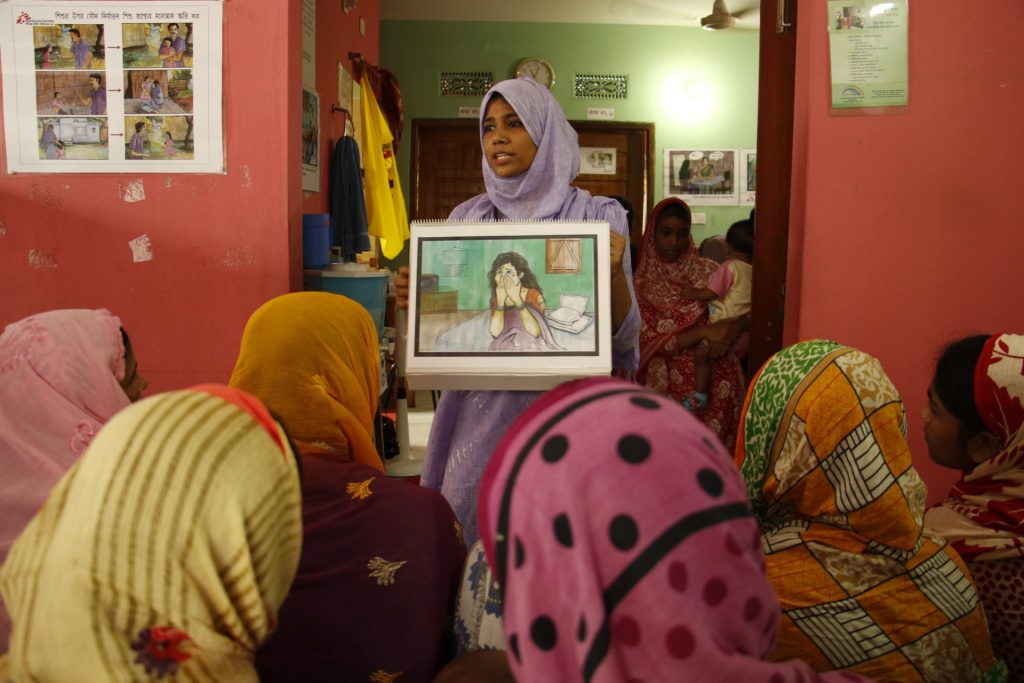
Different medical and psychological services are available for survivors of sexual and gender-based violence in our facilities in both Cox’s Bazar and Dhaka. MSF delivered Sexual and Reproductive Health (SRH) and Sexual and Gender-Based Violence (SGBV) services, significantly improving access to care for women, children, and vulnerable groups.

Reproductive health

Our reproductive health services include antenatal consultations, assistance for deliveries and family planning. In 2020, more than 43,000 antenatal consultations were performed and more than 35,000 people were supported through family planning. Additionally, almost 4,000 deliveries were assisted by MSF teams in Cox’s Bazar.

Vaccinations

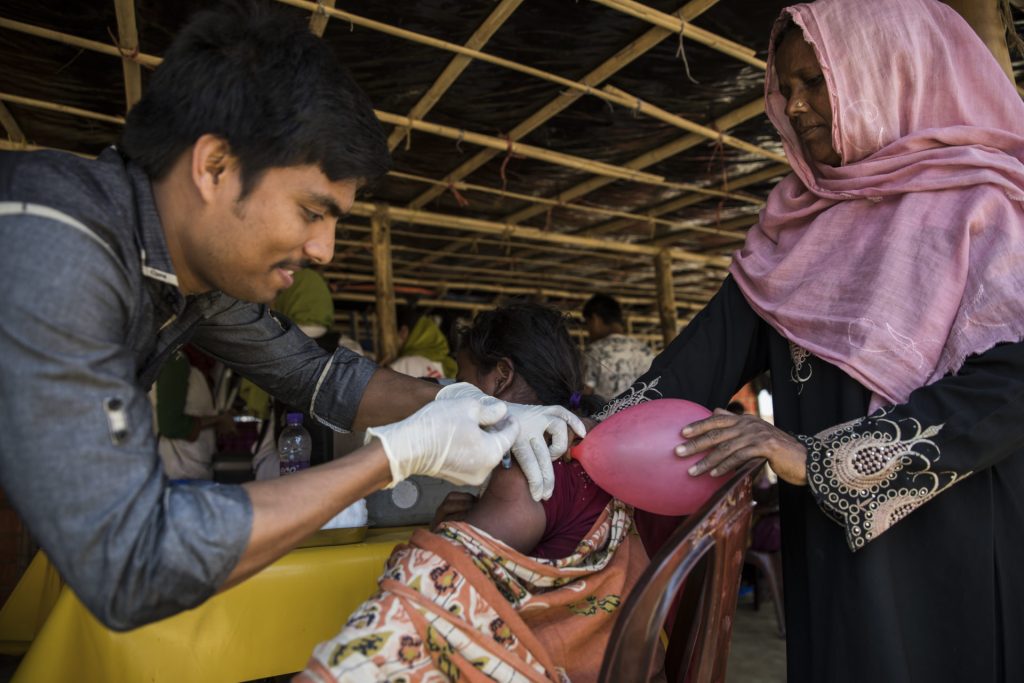
We’re supporting government initiatives to expand routine vaccinations and we have also supported the first round of COVID-19 vaccinations for Rohingya refugees (over 55 years old). Staff at all our facilities now have the capacity to administer immunisation for measles and rubella, oral polio and tetanus according to national protocols.

Mental health

Our teams in Bangladesh provide mental health support for thousands of people every year. We offer mental health and psychosocial support through group sessions or individual consultations.

Non-communicable diseases (NCDs)

As they require long-term treatments, NCDs are often not properly covered by health systems in low-income countries and migration contexts. In Cox’s Bazar area, we provide healthcare for NCD patients for both Rohingya refugees and host communities. Currently, more than 2,000 patients are under treatment and in the first nine months of 2021, more than 43,000 consultations have been performed at MSF facilities.

Vector
Live projects

Active programs across Bangladesh

All
Vector
Donate

Every donation helps someone reclaim dignity, health, and hope.

Stand with us to make care possible when it’s needed most.
Vector
Past projects

Legacy projects in Bangladesh landscape

Diabetes Management The burden of diabetes is high and increasing...

MSF COVID-19 Telemedicine Helpline is closed now. MSF India has...

Vector
Impact Stories

Rooted in the lives we serve

Global
News & Stories | July 1, 2026
At the MSF Advanced HIV Care Centre at Guru Gobind Singh Hospital in Patna, Bihar, doctors work every day to support patients facing some of the most severe complications linked to advanced HIV disease. For many patients arriving at the…
News & Stories | May 16, 2026
Fareed’s Journey: A Story of Courage and CompassionInspired by his father’s quiet acts of compassion as an ambulance driver, Fareed has dedicated his life to serving people most in need. Since joining Doctors Without Borders/Médecins Sans Frontières (MSF) in 2011,…
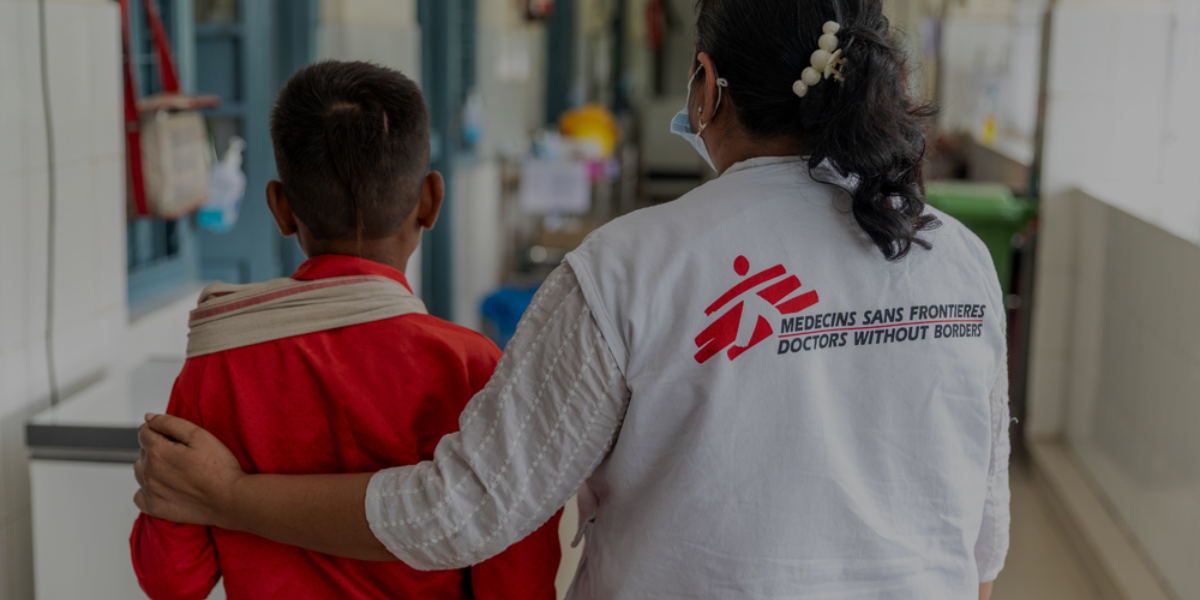
News & Stories | April 28, 2026
Sameer* is a 16-year-old boy from Bihar. At 11, Sameer had already lost both parents to HIV and was losing faith that medicine could save him until a team of doctors and counsellors at MSF showed him that survival was…
News & Stories | April 27, 2026
Warning: This article contains references to suicidal thoughts. If you or someone you know is experiencing similar thoughts, please reach out for support. Crisis resources are listed at the end of this article. My name is Anjali*. I am a…
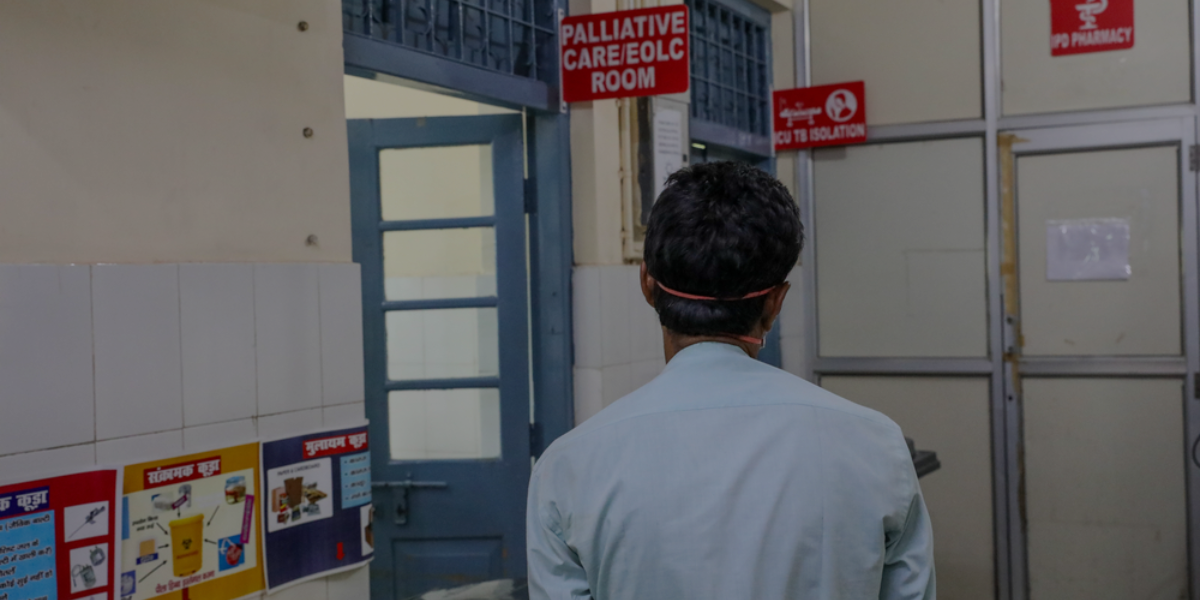
News & Stories | April 25, 2026
This poem was written by Kaushalya Kumari, a mental health counselor at the Doctors Without Borders/Médecins Sans Frontières (MSF) Advanced HIV Project in Patna, Bihar reflecting her experience with an 11-year-old patient. The young girl, who struggled with vision problems…
News & Stories | April 24, 2026
23 April 2026More than seven weeks after the war in Iran began, Médecins Sans Frontières (MSF/Doctors Without Borders) teams are expanding activities in Tehran and continuing to respond to growing medical needs in other areas where the organisation works. While…
News & Stories | April 24, 2026
My name is Nisha*, and I am 31 years old. I live in a large family with my two daughters and many relatives. Living with HIV has been a difficult journey, but it has also taught me a lot about…
News & Stories | April 23, 2026
My father used to say, ‘If you can turn someone’s pain into laughter, if you can transform someone’s tears into happiness, you are doing a great deed.’ This has always stayed with me. That’s why I try to make people…
News & Stories | April 22, 2026
This web update is adapted from an op‑ed by Parthesarathy Rajendran, Executive Director of MSF South Asia, originally published in Observer Research Foundation on 7 April 2026, as part of the World Health Day 2026 series. As conflicts escalate around the world,…
News & Stories | February 27, 2026
On 24 February 2026, Médecins Sans Frontières (MSF) South Asia convened a roundtable discussion marking the formal launch of the TB Survivors Collective, a survivor-led community-based organization (CBO) dedicated to strengthening community engagement within India’s TB response. Titled “Building Change…
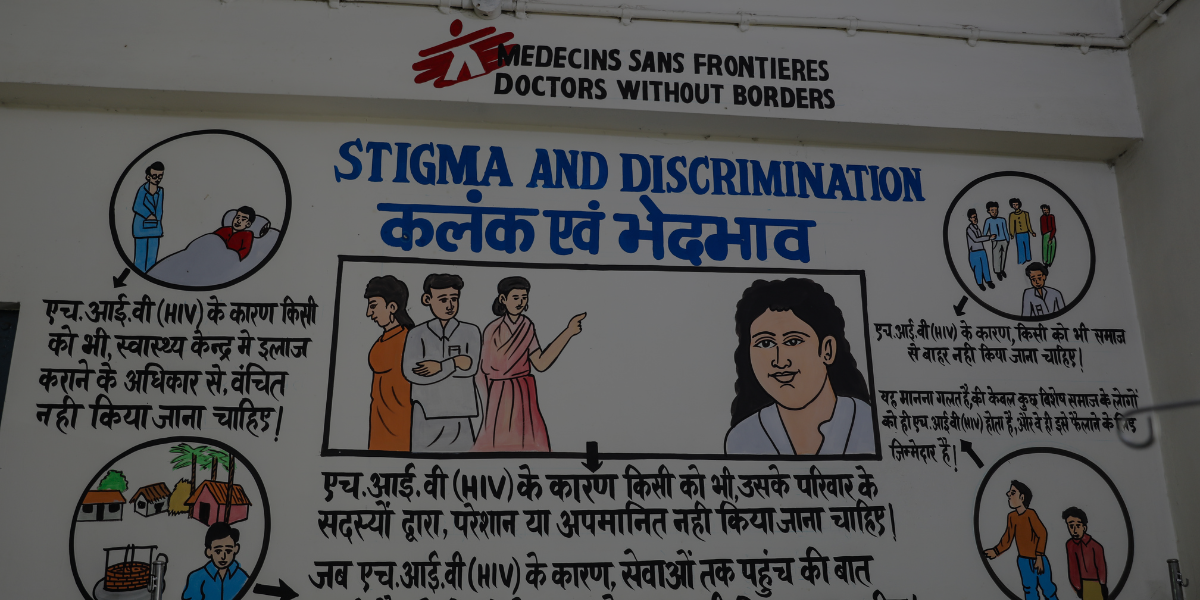
MSF in news | January 29, 2026
In a candid and insightful discussion with Sarwat Fatima on "Lallantop", Dr Himanshu M, a physician and global health expert leading MSF’s advanced HIV project in Patna, sheds light on critical aspects of HIV care, prevention, and the stigma surrounding the…
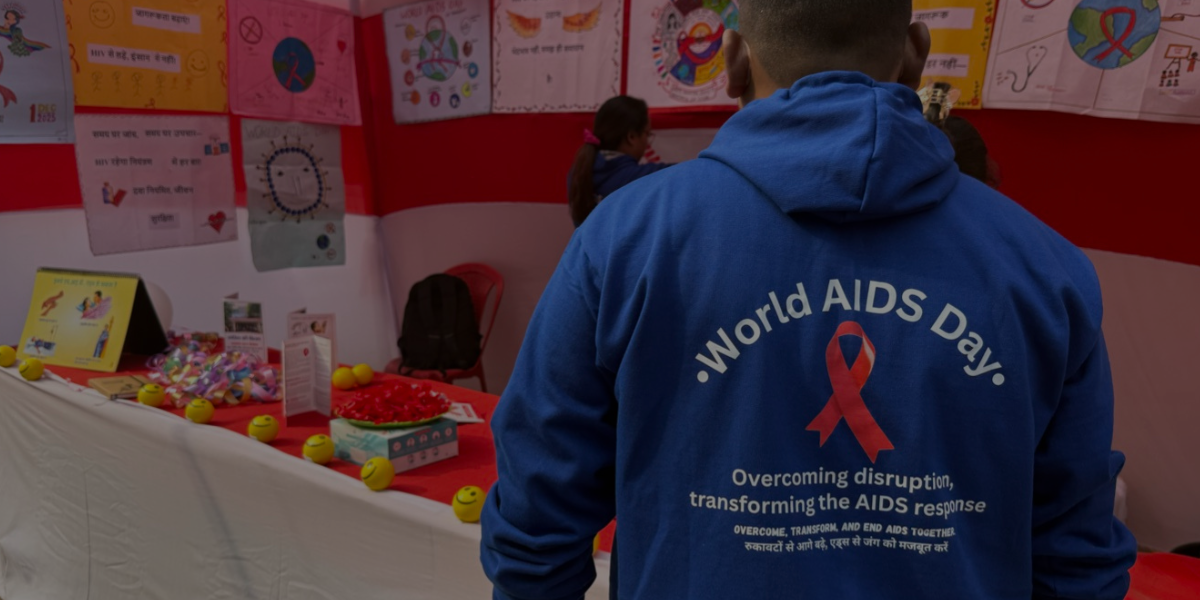
News & Stories | December 1, 2025
Patna, Bihar – December 1, 2025:  This World AIDS Day, Médecins Sans Frontières/Doctors Without Borders (MSF) India, in collaboration with Bihar State AIDS Control Society (BSACS) and Guru Gobind Singh Hospital (GGSH), unveiled a wall mural at Garima Ki Kiran…
News & Stories | November 29, 2025
My name is Rakesh*, and my journey with HIV began in early 2004. It started with small signs—loose motions, itching on my skin—but soon, my right leg began to tremble uncontrollably. It felt like the earth beneath me was shaking.…
News & Stories | November 29, 2025
At Doctors Without Borders/Médecins Sans Frontières (MSF), we believe that understanding our patients goes far beyond their medical symptoms. That’s why we introduced the Social Vulnerability Assessment (SVA) in our Advanced HIV project in Patna, Bihar, in April 2023, a…
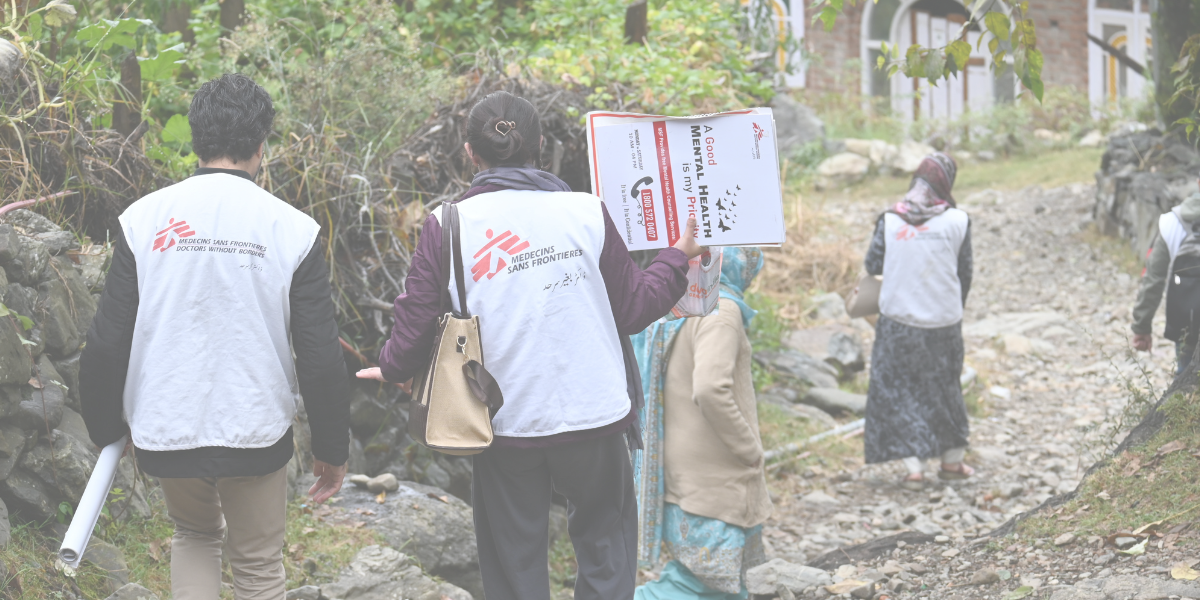
News & Stories | October 29, 2025
Doctors Without Borders India/Médecins Sans Frontières (MSF) has been actively conducting a series of mental health awareness sessions across Srinagar, Kashmir, aiming to promote understanding, break stigma, and provide practical tools for mental well-being.Mental health awarness session at Government Women's…
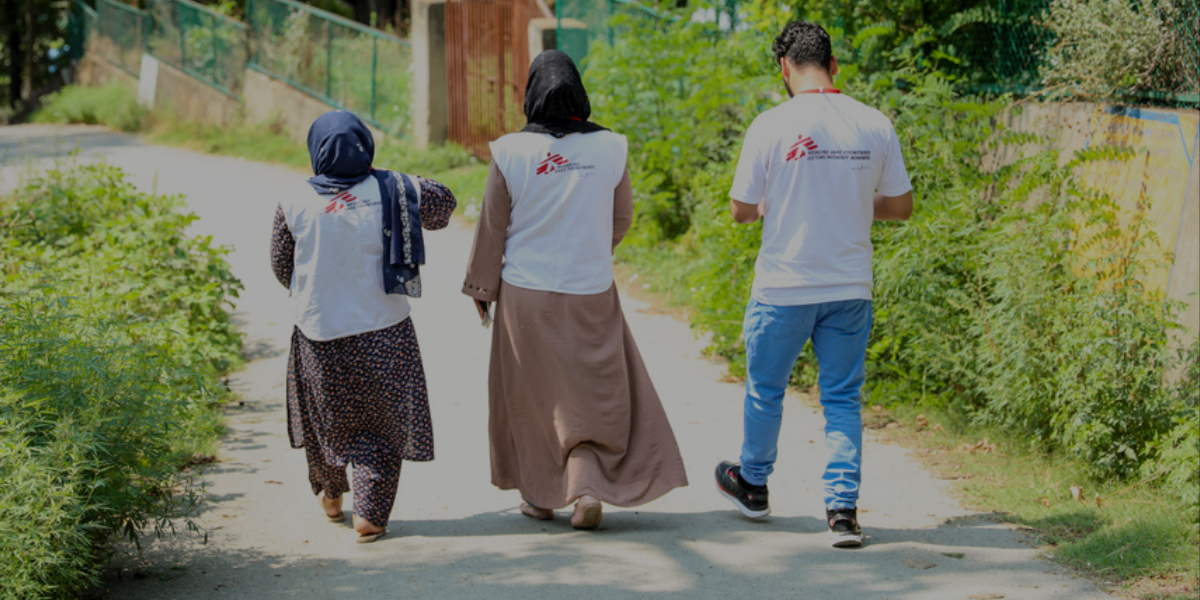
News & Stories | October 28, 2025
We understand that survival is about more than just treating physical injuries. For people who have endured the hardships of humanitarian crises, the psychological wounds often remain long after the visible scars have healed.Since 2001, MSF has been providing free,…
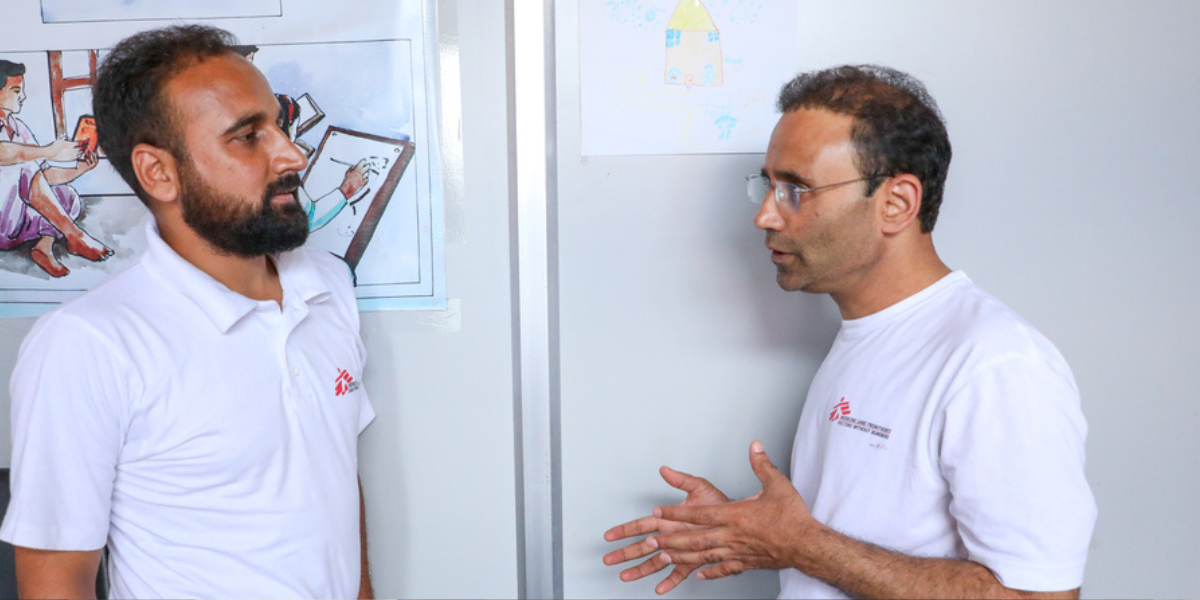
News & Stories | October 8, 2025
The first rays of dawn break over the mountains as Naseer Mir Ahmad begin his morning. A brisk two-kilometer walk through his neighborhood, the crisp air filling his lungs as he mentally prepares for the day ahead. For Naseer, a…
News & Stories | October 8, 2025
The morning sun rises over the green mountains of Kashmir as Taheem Jafar prepares for another day as a community mental health worker with Doctors Without Borders India/Médecins Sans Frontières (MSF). It's 9:00 AM, and she's already gathering her materials—information…
News & Stories | October 8, 2025
In the picturesque valleys of Kashmir, where communities have faced years of uncertainty, mental health remains a critical yet often overlooked concern. Two drivers with Doctors Without Borders India/ Médecins Sans Frontières (MSF), Mohammad Yakoob and Mohammad Ashraf, have witnessed…
News & Stories | October 7, 2025
In a small consultation room in Kashmir, Nadia Ishfaq listens intently as a one of the MSF counsellor discusses one case and speaks about the challenges. As a clinical psychologist working as a Mental Health Supervisor with Doctors Without Borders…
Vector
Recognition

Acknowledging humanitarian excellence

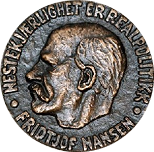
Nansen Medal, United Nations High Commissioner for Refugees 1993
Indira Gandhi Prize for Peace, Disarmament and Development 1996
Nobel Peace Prize 1999
J.-William-Fulbright-Prize-for-International-Understanding-2012-Photoroom
J. William Fulbright Prize for International Understanding 2012
World Community Excellence Award - 2013
World Community Excellence Award – 2013
Vector
Events

Join us on the ground

Join MSF-led events and panel discussions that shed light on public health challenges and the power of medical action across South Asia.

Friends of MSF
Join a Programme
Attend an event