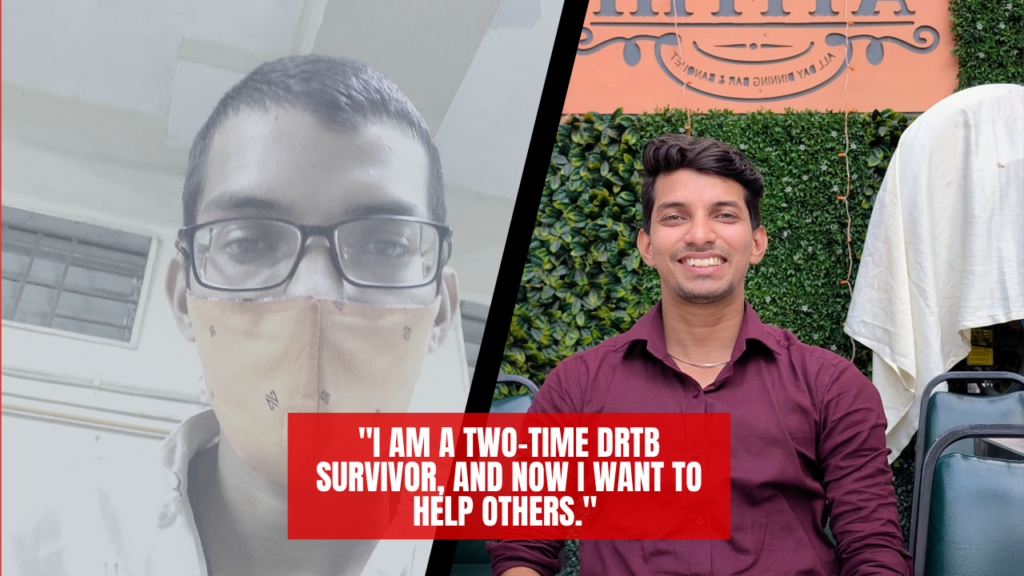
“I am a two-time DRTB survivor, and now I want to help others.”
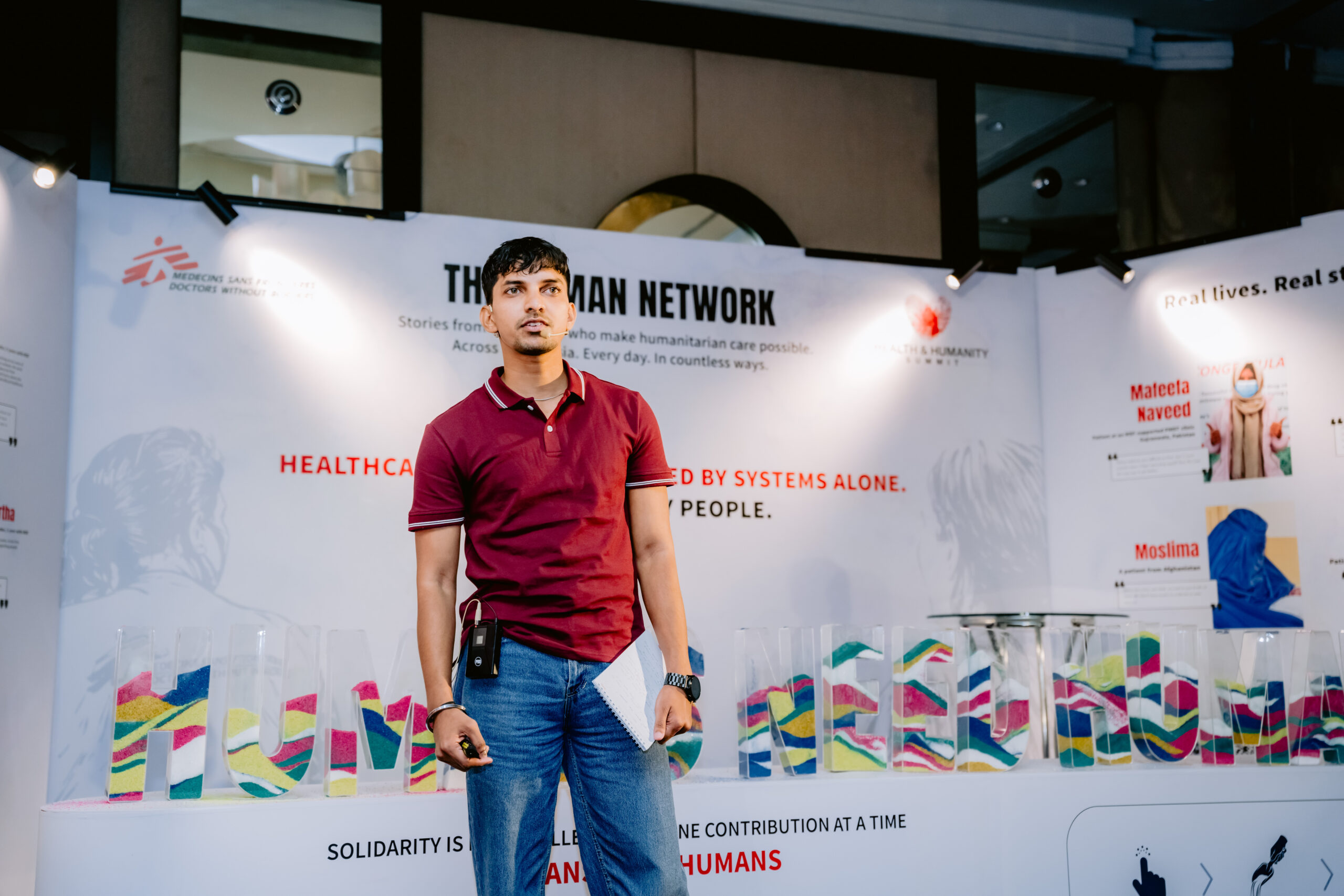
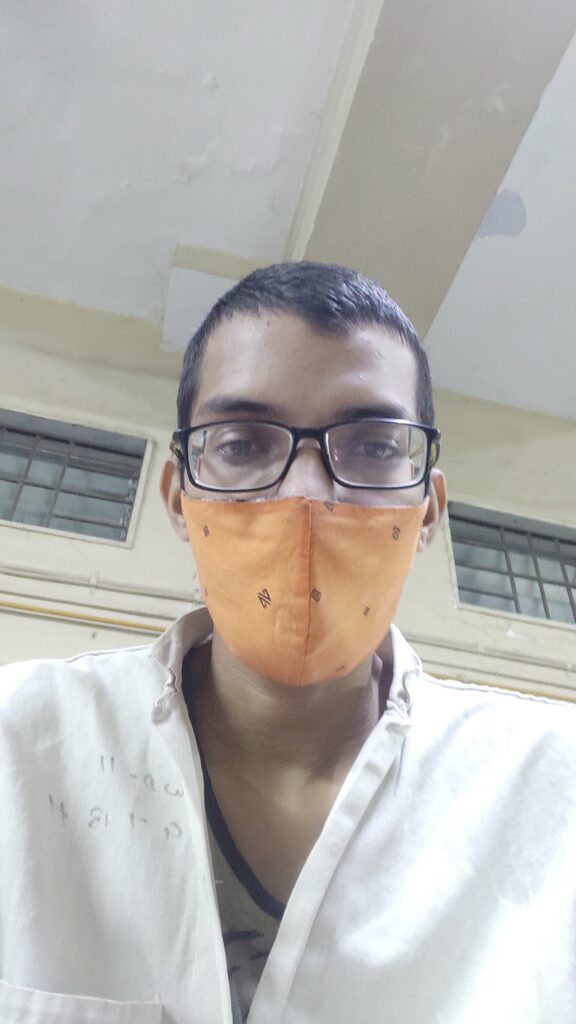
When a healthy, confident young man took the stage at MSF South Asia’s Health and Humanity Summit 2026, the audience had no way of knowing he was once the frail, unwell figure staring back at them from the screen beside him. Playing “Spot the Difference” with the crowd, Nitesh Yadav asked them to guess: were these two photos of the same person?
They were. And the distance between them is a story of two battles with drug-resistant tuberculosis, ten months without a diagnosis, a hospital stay that nearly took his life — and a decision that, once he’d made it through, he would do what he could to ensure no one else had to go through it alone.
The First Diagnosis, and the Warning No One Explained
Nitesh was 11 years old the first time he had TB. He didn’t understand what the disease was or why he couldn’t stop coughing. He was diagnosed in time, started on medication, and finished his course.
But one instruction stayed with him long after the illness had gone: don’t tell anyone you had TB. No one explained why. He was just 11 — he just knew he wasn’t supposed to talk about it.
The Second Time, and Ten Months Without an Answer
Years later, in the middle of the COVID-19 pandemic, Nitesh found himself coughing incessantly again. He was working at a call centre and assumed it had to be COVID. He was sent home to rest.
But the symptoms didn’t fit: fever, weight loss, loss of appetite, a cough that would just not go away. He didn’t recognise them for what they were as he simply didn’t have the information to know what they could mean. It took ten months, and a visit to a private hospital, before a sputum test finally gave him an answer: tuberculosis again.
Strangely, his first feeling wasn’t fear. It was relief. Finally, I’ll get medicine. Finally, I’ll be fine.
It didn’t go that way.
The Body Fights Back
The treatment nearly broke him before it healed him. Instead of gaining weight, he kept losing it. His doctor advised stopping the medication when the weight loss became too alarming to continue.
Unable to eat properly for more than a week, one day, his glucose dropped so low that he fainted. He was admitted to a government hospital. His condition didn’t improve — by his own account, he was close to losing his life. Eventually he was moved to a TB hospital in Mumbai, where he was isolated and treated for a month and a half.
He never asked his parents to visit. The infection risk was too high, and so was the stigma It was the same stigma an 11-year-old had once been warned to hide. People stopped talking to him, afraid that even standing near him meant risk. He spent that isolation more or less alone.
Coming Back — and Deciding Not to Stop There
Two months later, he finally went home. His symptoms had eased. And he had one life-changing epiphany: I don’t want this to end here. I want to help others.
If he could get through this twice, he wanted to do something with it — build something for the people coming after him, the ones as under-informed as he’d once been. He found others who’d survived TB and wanted the same thing. Together, they built the TB Survivors Collective.
Today, the Collective runs awareness sessions and peer support — led entirely by survivors with lived experience of the disease, people who understand exactly what it feels like to be the person in that hospital bed. Nitesh is one of them. He’s also, now, a teacher and a living proof, that a normal life on the other side of TB is possible. It’s his life.
“Today I’m a teacher by profession, and I’m having a normal life. Trust me, you all can too.”