I joined the GHHM course without keeping any assumptions of what it would contain and what it could teach me. However, before i start describing the course I have to mention about Dr. Ankur and the ease in which he helped us organise and get ready for the course and helped us through out the course regarding all matters of the course at micro level especially considering the fact that he was a participant in the course himself.
The course with its lectures, group discussions etc. broadened my view on how to manage a case, emergency, outbreak etc. holistically rather than just a clinical approach and the diverse opinions and views of my peers who were all established professionals aided tremendously in improving my outlook with regard to all aspects of medicine and various aspects of life. The practical approach to all aspects of medicine in all manners of setting and circumstances that was imbibed in us through the wonderful and engrossing lectures will remain with me through the length of my career. Special mention of the week spent at CMC Vellore is absolutely necessary as the Lab and clinical training and the interaction between RCP, MSF,CMC Vellore faculty and GHHM participants provided a wealth of information that is incomparable to what one learns purely by means of academic stream.
Following my completion of GHHM, I worked in an ICMR measles and rubella project and am currently working as Surveillance Medical Officer for W.H,O in Bihar, India. I am extremely glad that i attended the GHHM course as the knowledge and experience that i gained during the course aids me in almost all spectrum of my day to day work especially with regard to investigation of VPDs, outbreak investigation and management, holistic management of cases with special focus on careful approach to mental health of people and patients involved, emergency management as is seen in the current Corona situation etc.



Dr Chiara Morrison
GHHM Programme Manager
Chiara is a medical doctor with a speciality in infectious diseases and public health. She graduated in 2010 from St George’s Hospital Medical School London…
Dr Chiara Morrison
GHHM Programme Manager
Chiara is a medical doctor with a speciality in infectious diseases and public health. She graduated in 2010 from St George’s Hospital Medical School London…
×
Dr Chiara Morrison
GHHM Programme Manager
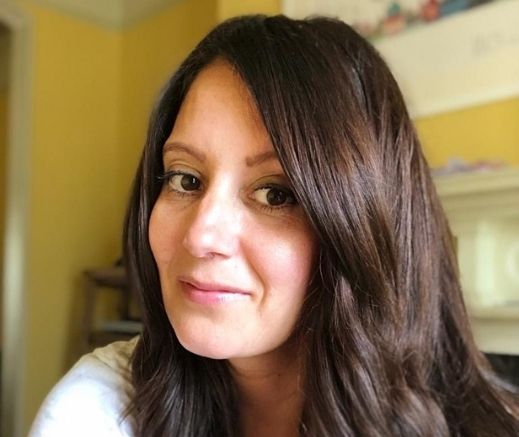
Chiara is a medical doctor with a speciality in infectious diseases and public health. She graduated in 2010 from St George’s Hospital Medical School London and completed her MRCP in 2015. Her practical experience ranges from working in General medicine, Infectious diseases and Sexual health in London, developing and running a HIV programme at a clinic in Swaziland, managing a TB clinic in rural South Africa and working in a remote hospital at the foot of Kilimanjaro in Tanzania. Chiara’s research work includes investigating Podoconiosis in Ethiopia, as well as developing outbreak evaluation tool for MSF. She was a participant in the augural MSF Global Health and Humanitarian Medicine course, gaining a Diploma in Tropical Medicine & Health in 2016. She gained her MSc Public Health from the London School of Hygiene and Tropical Medicine in 2017 and continues to pursue interests in Global health and Infectious diseases
Dr. Ian Cropley
GHHM Content Advisor / Consultant in Infectious Diseases and HIV / Honorary Associate Professor, University College London
Ian Cropley is a consultant in Infectious Diseases and HIV at the Royal Free London. He studied medicine at Cambridge and London Universities. He became…
Dr. Ian Cropley
GHHM Content Advisor / Consultant in Infectious Diseases and HIV / Honorary Associate Professor, University College London
Ian Cropley is a consultant in Infectious Diseases and HIV at the Royal Free London. He studied medicine at Cambridge and London Universities. He became…
×
Dr. Ian Cropley
GHHM Content Advisor / Consultant in Infectious Diseases and HIV / Honorary Associate Professor, University College London
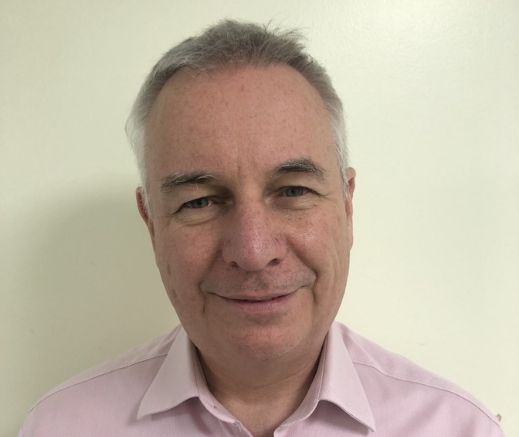
Ian Cropley is a consultant in Infectious Diseases and HIV at the Royal Free London. He studied medicine at Cambridge and London Universities. He became interested in infectious diseases during his medical school elective to the highlands of Papua New Guinea. He has subsequently trained in infectious diseases and HIV at hospitals in London. He has been closely involved in the design of teaching and training programmes for medical students and trainees in infectious diseases. His main interests are tuberculosis, HIV/TB coinfection and HIV in the UK and LMIC settings.
Dr. Parvati Nair
GHHM Course Coordinator for South Asia
Parvati is a medical doctor with ten years of experience in the field of tropical medicine. She has been working for MSF since 2014 initially…
Dr. Parvati Nair
GHHM Course Coordinator for South Asia
Parvati is a medical doctor with ten years of experience in the field of tropical medicine. She has been working for MSF since 2014 initially…
×
Dr. Parvati Nair
GHHM Course Coordinator for South Asia
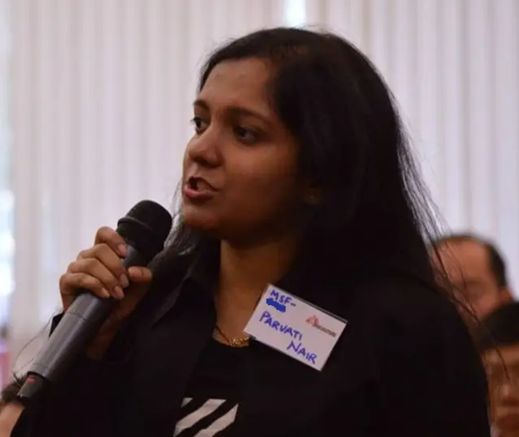
Parvati is a medical doctor with ten years of experience in the field of tropical medicine. She has been working for MSF since 2014 initially in Mumbai and then in Central Asia, and Eastern Europe in the field of infectious diseases (including operational research) primarily TB, HIV and Hepatitis. Her research experience has been primarily in drug-resistant TB, mostly focused on the new drugs, bedaquiline and delamanid. She has completed the Global Health and Humanitarian Medicine course at the South Asia site, gaining a Diploma in Tropical Medicine & Health in 2019, and was subsequnetly associated with it as a student moderator who mentored students throughout the learning process. She has also completed her Masters in Tropical Medicine from the Institute of Tropical Medicine. Her areas of interest lie in the fields of tuberculosis, HIV and viral hepatitis.
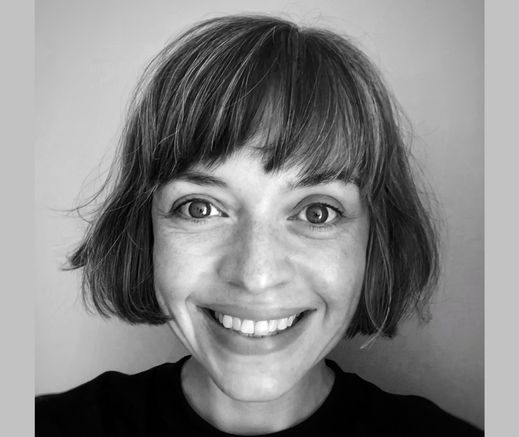
Bonnie Darroch
Content Developer and Student Liaison for UK
Dr Bonnie Darroch is a medical doctor who graduated from St George's Hospital Medical School London in 2010. Her clinical practice has been varied, having…
Bonnie Darroch
Content Developer and Student Liaison for UK
Dr Bonnie Darroch is a medical doctor who graduated from St George's Hospital Medical School London in 2010. Her clinical practice has been varied, having…
×
Bonnie Darroch
Content Developer and Student Liaison for UK
Dr Bonnie Darroch is a medical doctor who graduated from St George’s Hospital Medical School London in 2010. Her clinical practice has been varied, having worked as a Medical Officer in a rural hospital in South Africa, as a GP in Jakarta, Indonesia as well as gaining extensive experience in General Medicine, Sexual Health / HIV and latterly Critical Care in London. Bonnie was a student on the inaugural MSF Global Health and Humanitarian Medicine course, gaining a Diploma in Tropical Medicine & Health in 2016. She is currently studying for a Masters in Public Health at the London School of Hygiene & Tropical Medicine.
James Stickley
GHHM Project Manager
MSF is the world’s leading humanitarian medical organisation and recipient of the 1999 Nobel Peace Prize. Where better to learn about global health and humanitarian…
James Stickley
GHHM Project Manager
MSF is the world’s leading humanitarian medical organisation and recipient of the 1999 Nobel Peace Prize. Where better to learn about global health and humanitarian…
×
James Stickley
GHHM Project Manager
MSF is the world’s leading humanitarian medical organisation and recipient of the 1999 Nobel Peace Prize. Where better to learn about global health and humanitarian medicine?
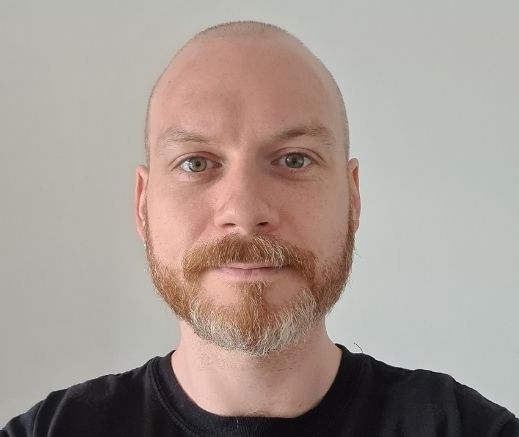
James is the GHHM Project Manager. He first joined MSF in 2012 and until 2021 has worked in the MSF UK Fundraising Department leading the Face-To-Face and Payroll Giving campaigns. James has also managed touring partnerships between MSF and Ed Sheeran and Florence and The Machine. James comes from a music industry background and is a keen composer in his spare time.
Chandrika Rao
International Field Staff , MSF (GHHM Class of 2017-2018)
In the era of specialised medicine a course like GHHM will make me gain knowledge about conditions that I don't deal with in everyday practice…
Chandrika Rao
International Field Staff , MSF (GHHM Class of 2017-2018)
In the era of specialised medicine a course like GHHM will make me gain knowledge about conditions that I don't deal with in everyday practice…
×
Chandrika Rao
International Field Staff , MSF (GHHM Class of 2017-2018)
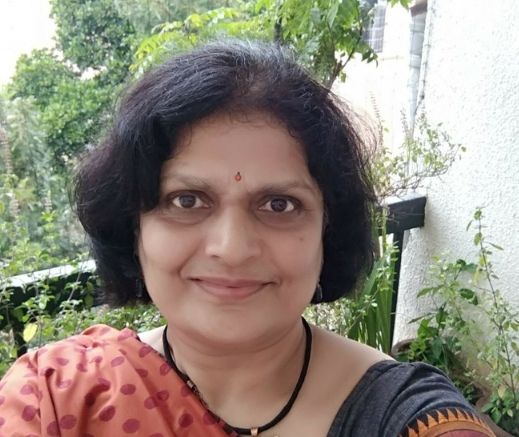
In the era of specialised medicine a course like GHHM will make me gain knowledge about conditions that I don’t deal with in everyday practice while on an assignment. The updated and advanced knowledge of tropical diseases and their management as well as other public health related issues is certainly welcome !
GHHM course covers a significant amount of tropical conditions that we deal with in remote areas and in the field postings of MSF, be it parasites ,infectious diseases or public health scenarios we come across while dealing with refugees and displaced people. A part from the MSF guidelines ,attending this course will certainly make it less stressful to manage some of the diseases we commonly encounter in remote settings.”
Zahed ul Islam
Medical Activity Manager, Kutupalong-project, MSF (GHHM Class of 2018-2019)
I was one of the Youngest student of our cohort. In the beginning It seems a bit difficult for me to understand the way of…
Zahed ul Islam
Medical Activity Manager, Kutupalong-project, MSF (GHHM Class of 2018-2019)
I was one of the Youngest student of our cohort. In the beginning It seems a bit difficult for me to understand the way of…
×
Zahed ul Islam
Medical Activity Manager, Kutupalong-project, MSF (GHHM Class of 2018-2019)
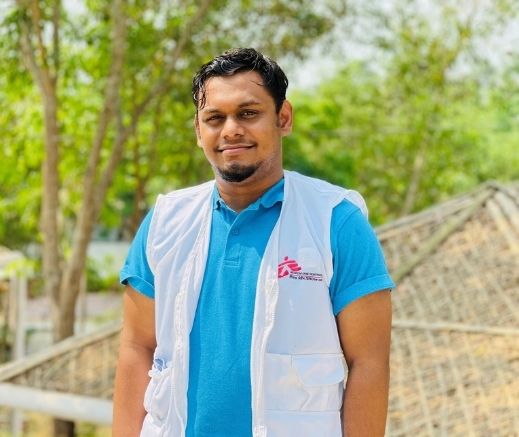
I was one of the Youngest student of our cohort. In the beginning It seems a bit difficult for me to understand the way of learning process. Soon I was getting accustomed with the online Platform Which called Moodle.Its been my privilege to get in touch with some of The world Famous Doctors and pioneers in the field of Public Health and Tropical Medicine.They delivered lectures in a way which was excillent and very much informative. I got all kinds of Support From the GHHM south Asia site. I can’t explain them in words because they are super helpful and Supportive. They tried their level best to Support any possible way they could. One thing I have done during the whole Journey is to Attend all the lectures on time and To complete all the Online activities within the time frame. Proud to mention I have 100% percentage in Lectures and Online activities. which I think my key to Success.
I found The Study materials Which I got From GHHM are Quite Enough Informative to Pass in Diploma in Tropical Medicine and Hygiene (DTM&H) offered by RCP. After The GHHM course I found my self quite confident in dealing patient with Infectious and Tropical Diseases.
It’s was my Dream to Fly in the field of Public Health. I think I Got my wings From the GHHM South Asia Cohort.
I Found A family Out side of my Country . Total Cohort was just amazing And Super Friendly. An experience of life time and will cherish them Through out My life.
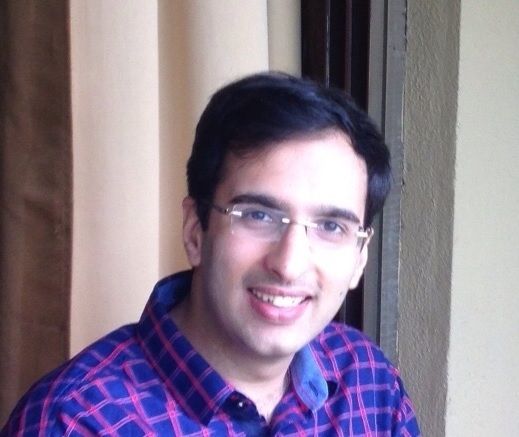
Mohit Bhatia
Assistant Professor, Department of Microbiology, AIIMS, Rishikesh (GHHM Class of 2018-2019)
The Global Health & Humanitarian Medicine (GHHM) course was something I accidentally stumbled upon while browsing the internet one fine day in April, 2018. Being…
Mohit Bhatia
Assistant Professor, Department of Microbiology, AIIMS, Rishikesh (GHHM Class of 2018-2019)
The Global Health & Humanitarian Medicine (GHHM) course was something I accidentally stumbled upon while browsing the internet one fine day in April, 2018. Being…
×
Mohit Bhatia
Assistant Professor, Department of Microbiology, AIIMS, Rishikesh (GHHM Class of 2018-2019)
The Global Health & Humanitarian Medicine (GHHM) course was something I accidentally stumbled upon while browsing the internet one fine day in April, 2018. Being a Clinical Microbiologist by profession, I was interested in educating myself further in the field of Tropical Medicine & Infectious diseases. I had received an offer from LSHTM, UK in 2017 to pursue MSc Tropical Medicine and International Health course. However, owing to financial constraints, some personal and professional commitments, I had to decline that offer. Through GHHM course, I got yet another opportunity to fulfil my dream of attaining the prestigious Diploma in Tropical Medicine & Hygiene degree from Royal College of Physicians, UK. The best part of this course was webinar based learning, contact programme at CMC, Vellore and of course affordability. Through this course, I got to meet so many amazing people from different parts of India and the world. Also, I learnt about an organisation called “MSF”, which is doing some ground breaking & exceptional humanitarian work. I am currently working as Assistant Professor in the Department of Microbiology at All India Institute of Medical Sciences, Rishikesh. It is my dream to train more number of Medical graduates in various aspects of Clinical Microbiology, and Infectious diseases, which include patient care, research and public health.
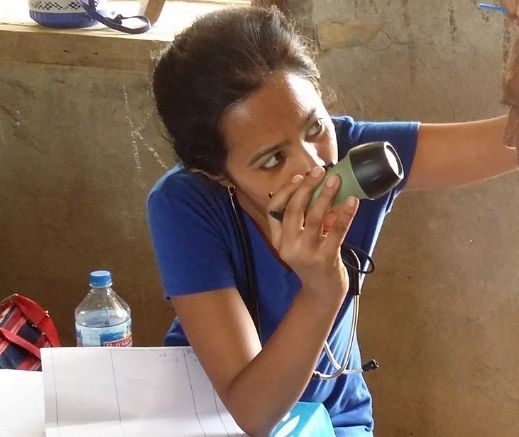
Bhavya Balasubramanya
Senior Research Officer at Menzies School of Health Research, Darwin Northern Territory / Epidemiologist with MSF (GHHM Class of 2017-2018)
" Bad things do happen in the world, like war, natural disasters, disease. But out of those situations always arise stories of ordinary people doing extraordinary things"…
Bhavya Balasubramanya
Senior Research Officer at Menzies School of Health Research, Darwin Northern Territory / Epidemiologist with MSF (GHHM Class of 2017-2018)
" Bad things do happen in the world, like war, natural disasters, disease. But out of those situations always arise stories of ordinary people doing extraordinary things"…
×
Bhavya Balasubramanya
Senior Research Officer at Menzies School of Health Research, Darwin Northern Territory / Epidemiologist with MSF (GHHM Class of 2017-2018)
” Bad things do happen in the world, like war, natural disasters, disease. But out of those situations always arise stories of ordinary people doing extraordinary things” – Daryn Kagan
Here is your chance to become extraordinary, through the GHHM course. It acts like a stepping stone or a stimulus, to motivate you to think beyond yourself, go beyond your comfort zone, and do something for the greater good of humanity.
The global faculty (from MSF, CMC and Manipal), bring with them a treasure trove of knowledge and on-field experience in a spectrum of infectious diseases and humanitarian projects. Each online lecture and interaction with them has been a great learning curve.
Have you ever dreamt of stepping out and working for MSF or other humanitarian organizations? This will take you closer to achieving your dreams. This course teaches you not only how to screen/diagnose or treat diseases, but also how to do so in resource poor settings with a ‘humane’ side to it.
I surely have grown as a person throughout this course and have enjoyed every bit of it. Kudos to the GHHM team, and thanks for bringing it to India.
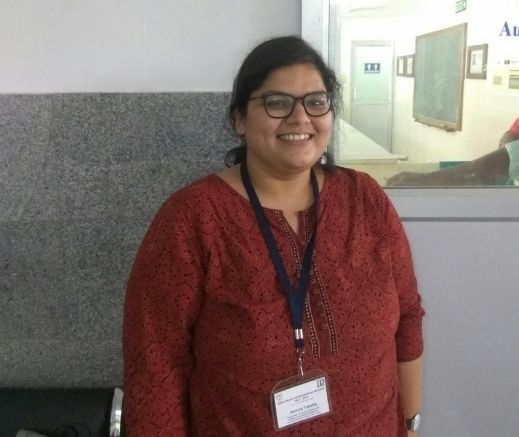
Amruta Tripathy
Senior Resident, AIIMS Bubaneshwar (GHHM Class of 2017-2018)
GHHM happened at a time when professionally I had reached a saturation and at a personal level I wanted to make a meaningful contribution to…
Amruta Tripathy
Senior Resident, AIIMS Bubaneshwar (GHHM Class of 2017-2018)
GHHM happened at a time when professionally I had reached a saturation and at a personal level I wanted to make a meaningful contribution to…
×
Amruta Tripathy
Senior Resident, AIIMS Bubaneshwar (GHHM Class of 2017-2018)
GHHM happened at a time when professionally I had reached a saturation and at a personal level I wanted to make a meaningful contribution to the society I am living in. Working with MSF has always been a dream for me and the GHHM course provided me a means to achieve the dream which had somehow taken a back seat.
The course provides a comprehensive guide to treat infectious diseases and other relevant problems that usually plague a resource limited setting. The lectures were delivered by an excellent panel of specialists, people who have had tremendous experience and command in their respective fields.
The four day long practical session was brilliantly conducted covering all the aspects of the practical part of the course ranging from parasitology to bedside clinics to field visits. Moreover, it also provided me a chance to connect with the wonderful group of GHHM students. The diversity of the group and the zeal and enthusiasm of the other members was refreshing and highly inspiring.
Another excellent part of this predominant online course was the all-time availability of support from the MSF- be it technical, logistic or even moral. You never get a “cannot happen” answer from them.
Overall the GHHM course provides me with an opportunity to try and make the world a better, happier place to live in.
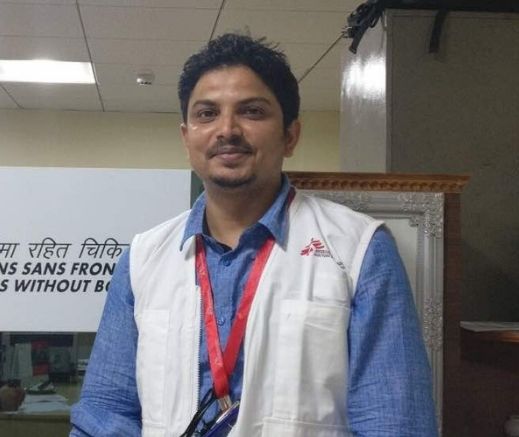
Shawar Kazmi
MSF international field staff (GHHM Class of 2017-2018)
Shawar Kazmi, MSF international field staff. Last mission done as a Clinical Trial Coordinator in MSF at Minsk in Belarus for MDR/XDR TB. First of…
Shawar Kazmi
MSF international field staff (GHHM Class of 2017-2018)
Shawar Kazmi, MSF international field staff. Last mission done as a Clinical Trial Coordinator in MSF at Minsk in Belarus for MDR/XDR TB. First of…
×
Shawar Kazmi
MSF international field staff (GHHM Class of 2017-2018)
Shawar Kazmi, MSF international field staff. Last mission done as a Clinical Trial Coordinator in MSF at Minsk in Belarus for MDR/XDR TB.
First of all, I would like to thank MSF for bringing this course to India. The GHHM course provides a comprehensive package of tropical medicine with necessary insights into public health aspects of different diseases and health conditions. The course has been perfectly tailored for busy health professionals who would like to brush-up all about tropical diseases while working at their own place.
The course has helped me refreshen my clinical and laboratory skills along with making me adept in presentation, diagnosis and management major tropical diseases prevalent across the world. The GHHM course will definitely help me grow as a public health professional and has improved my understanding and reignited my interest in tropical medicine.
Last but not the least, the course coordinators have been very supportive, providing personalised assistance and thus motivating the students to complete the course on time and with ease!
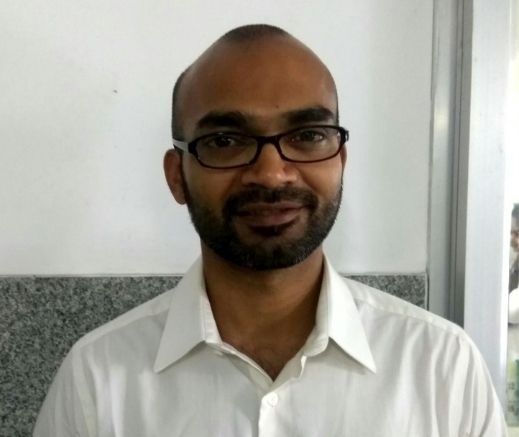
Nishit Kumar
Project Medical Referent, MSF in Iraq (GHHM Class of 2017-2018)
I feel GHHM provided me with a better understanding of many tropical diseases, especially the management part, and made me aware of the current guidelines,…
Nishit Kumar
Project Medical Referent, MSF in Iraq (GHHM Class of 2017-2018)
I feel GHHM provided me with a better understanding of many tropical diseases, especially the management part, and made me aware of the current guidelines,…
×
Nishit Kumar
Project Medical Referent, MSF in Iraq (GHHM Class of 2017-2018)
I feel GHHM provided me with a better understanding of many tropical diseases, especially the management part, and made me aware of the current guidelines, which will help me improve patient care. For the most part, the lectures were interesting, and the random quizzes encouraged me to look up resources and find information myself, which is a great way of learning and retention. The lab training, besides being fun, made me confident in microscopic identification of many organisms, preparing me for field conditions where not much expert lab help is available. I definitely recommend this course.
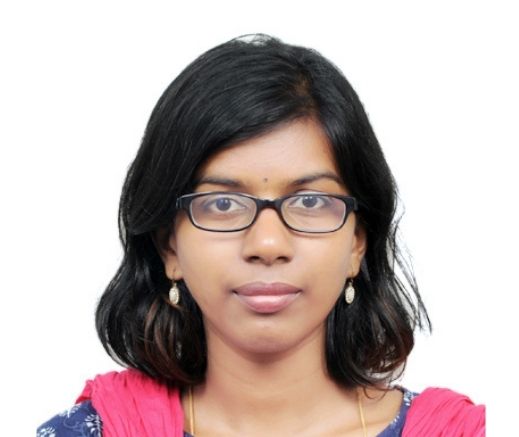
Nancy Angeline
Lecturer in the Department of Community Health at St. John's Medical College (GHHM Class of 2017-2018)
1. GHHM enabled me to become a better public health practitioner. 2. It has widened my knowledge and skills in infectious diseases and global health.…
Nancy Angeline
Lecturer in the Department of Community Health at St. John's Medical College (GHHM Class of 2017-2018)
1. GHHM enabled me to become a better public health practitioner. 2. It has widened my knowledge and skills in infectious diseases and global health.…
×
Nancy Angeline
Lecturer in the Department of Community Health at St. John's Medical College (GHHM Class of 2017-2018)
1. GHHM enabled me to become a better public health practitioner.
2. It has widened my knowledge and skills in infectious diseases and global health.
3. Since I have not yet decided about my long term career plans yet (clinician/researcher/planning&policy making/ academician ) i feel that GHHM gives me a solid foundation to build on.
4. I also learnt a bit from my co students of GHHM.
5. The course was flexible hence despite my tight work and family schedule I could attend classes and learn a lot.
6. I thank the organisers for making the entire course hassle free for me and encouraging me at the right times, even though I was going through some really stressful events in my life.
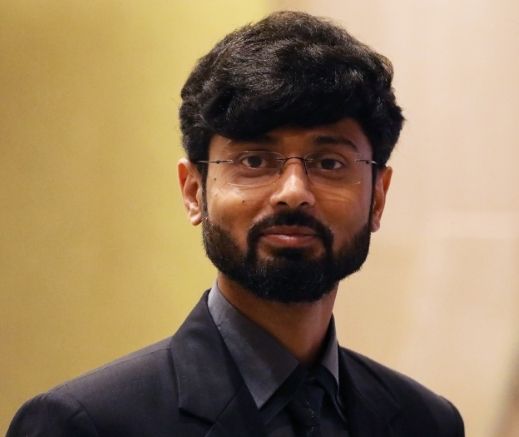
Ankur Rakesh
Former site lead Global Health and Humanitarian Medicine, MSF (GHHM Class of 2017-2018)
“Developing countries are faced with a high burden of tropical diseases. While doctors in these countries have hands-on experience of managing these diseases, they are…
Ankur Rakesh
Former site lead Global Health and Humanitarian Medicine, MSF (GHHM Class of 2017-2018)
“Developing countries are faced with a high burden of tropical diseases. While doctors in these countries have hands-on experience of managing these diseases, they are…
×
Ankur Rakesh
Former site lead Global Health and Humanitarian Medicine, MSF (GHHM Class of 2017-2018)
“Developing countries are faced with a high burden of tropical diseases. While doctors in these countries have hands-on experience of managing these diseases, they are unable to develop their expertise because of high costs associated with a full-time post-graduate course and limited opportunities to pursue the same. MSF has initiated the Global Health and Humanitarian Medicine programme to address the need for a low-cost, part-time programme for mid-career doctors. The programme aims to provide high quality training in tropical medicine and public health in order to improve patient and programmatic care in areas where it is needed most”

Adarsh Varghese
Surveillance Medical Officer for W.H.O (GHHM Class of 2017-2018)
I joined the GHHM course without keeping any assumptions of what it would contain and what it could teach me. However, before i start…
Adarsh Varghese
Surveillance Medical Officer for W.H.O (GHHM Class of 2017-2018)
I joined the GHHM course without keeping any assumptions of what it would contain and what it could teach me. However, before i start…
×
Adarsh Varghese
Surveillance Medical Officer for W.H.O (GHHM Class of 2017-2018)