In Yemen, where ongoing conflict and limited resources have placed significant pressure on the healthcare system, well trained nurses play a critical role in saving lives. In rural areas such as Ad Dahi district in Al-Hodeidah governorate, access to healthcare is often limited, and patients depend heavily on the skills and the commitment of the local medical staff supported by International Non-Governmental Organizations such as Médecins Sans Frontières/Doctors Without Borders (MSF).
To address gaps in clinical training and professional development, MSF launched the MSF Academy for Healthcare in Yemen, with the aim of strengthening the skills and competencies of locally hired healthcare workers and improving the quality of care provided to patients.
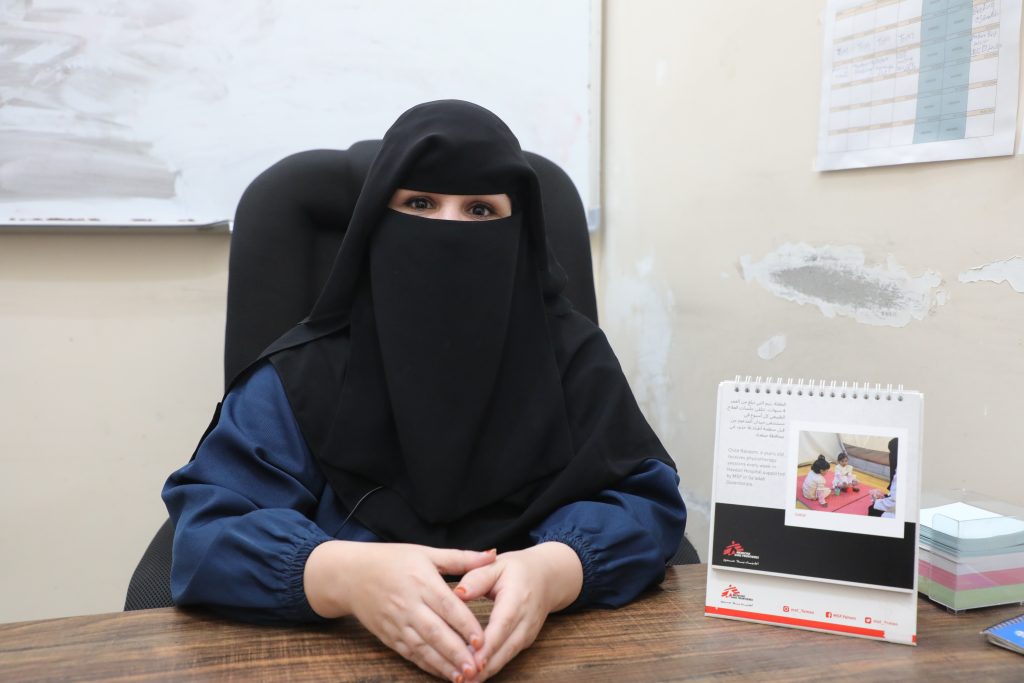
I come from a rural village where there were no health facilities. My mother lost her baby after a complicated delivery because there was no doctor and nowhere to go for care. That experience stayed with me from childhood and shaped my decision to work in healthcare.
Abdullah Enqad
MSF nurse at Ad Dahi rural hospital
What is the MSF Academy?
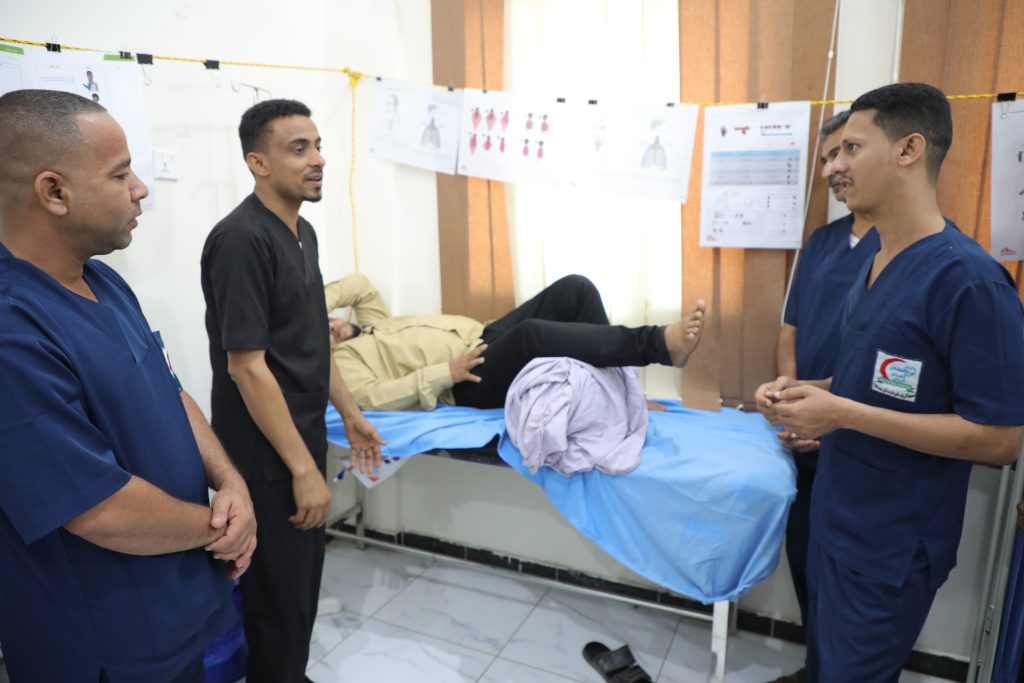
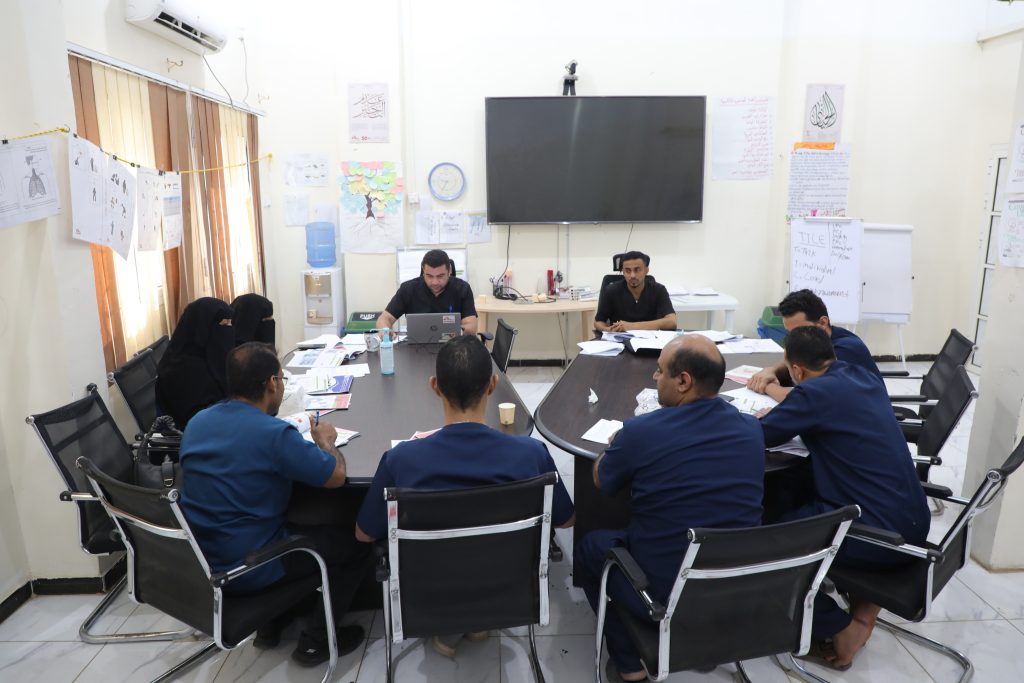
The MSF Academy for Healthcare was created to support healthcare workers through practical, workplace-based training, designed to have a long-term impact on patient care in the countries where MSF operates. These learning programmes are adapted to the realities of MSF’s projects, with clinical mentors providing hands‑on support at patients’ bedsides.
The MSF Academy began its activities in Yemen in November 2022, with nursing programmes implemented in Aden and Ad Dahi. For the first time, the Basic Clinical Nursing Care learning programme was delivered in Arabic, with the curriculum translated and the materials adapted to the Yemeni context.
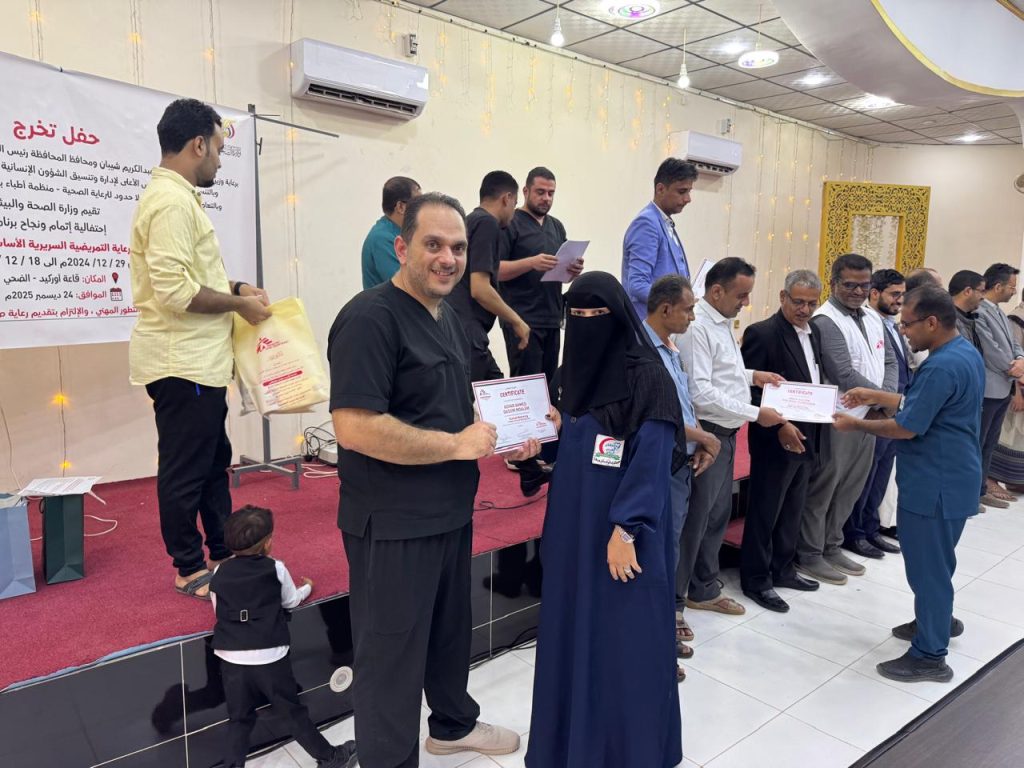
In Ad Dahi, a remote district facing severe gaps in healthcare services, the MSF Academy focused on strengthening essential nursing competencies to improve patient safety and quality of care. Learning activities were completed in December 2025, with 68 nurses graduating from the programme. Across Yemen, a total of 133 nursing staff has now graduated from MSF Academy programmes.
Assessment results indicated strengthened knowledge and technical competencies in all areas, with significant advances in infection prevention and control and dose calculation. Through ongoing practice and close supervision, nurses built confidence in delivering safe medication administration and emergency interventions.
The impact has been visible on the wards. Medical and nursing coordinators at Ad Dahi rural hospital reported that refresher training on cardiopulmonary resuscitation (CPR) during the programme “saved lives in the emergency room,” while improved drug calculations reduced risks and strengthened patient safety.
The MSF Academy training is designed to have a long term impact on the quality of care patients receive, including here in Yemen. By using hands-on scenarios and workplace-based learning, nurses can practice safely, build confidence, and apply what they learn directly with patients in a rural setting like Ad Dahi.
Beyond technical skills, the MSF Academy reflects MSF’s commitment to investing in the growth and development of locally hired staff and strengthening care where patients need it most. For many nurses, the training has reinforced their professional identity and their role within their communities.
“The training added new skills and strengthened the ones I already had,” says Enqad. “It reminded me that being a nurse is not only about medical care, but also about communicating with patients and supporting their families during difficult moments.”
The Basic Clinical Nursing Care certificate delivered by the MSF Academy has been formally recognised and signed by the Ministry of Health, further reinforcing the value of the programme and the achievements of its graduates.
A continued commitment to Yemen
With MSF’s maintained presence across multiple governorates, the MSF Academy remains a key initiative in addressing Yemen’s ongoing healthcare needs. By addressing training gaps and supporting nurses in their daily work, MSF is helping ensure that patients in Yemen receive safer, higher‑quality care—especially in areas where few alternatives exist.
Like many websites, MSF uses cookies to enhance your user experience. By continuing to navigate this site you are giving consent to the issue of these cookies. No, give me more info
This website uses cookies to improve your experience while you navigate through the website. Out of these cookies, the cookies that are categorized as necessary are stored on your browser as they are essential for the working of basic functionalities of the website. We also use third-party cookies that help us analyze and understand how you use this website. These cookies will be stored in your browser only with your consent. You also have the option to opt-out of these cookies. But opting out of some of these cookies may have an effect on your browsing experience.
Necessary cookies are absolutely essential for the website to function properly. This category only includes cookies that ensures basic functionalities and security features of the website. These cookies do not store any personal information.
Any cookies that may not be particularly necessary for the website to function and is used specifically to collect user personal data via analytics, ads, other embedded contents are termed as non-necessary cookies. It is mandatory to procure user consent prior to running these cookies on your website.