

In southern Tajikistan’s Kulob region, Médecins Sans Frontières (MSF) is bringing screening, diagnosis, and support for tuberculosis (TB) directly into communities.
TB is a curable disease, yet many people are diagnosed late due to limited access to healthcare services, lack of awareness, and stigma. Through our Zero TB project in the region, we want to reduce delays in diagnosis and improve treatment outcomes by actively searching for TB cases and providing people with the integrated medical, mental health, and psychosocial support needed for recovery.
Early diagnosis, full recovery
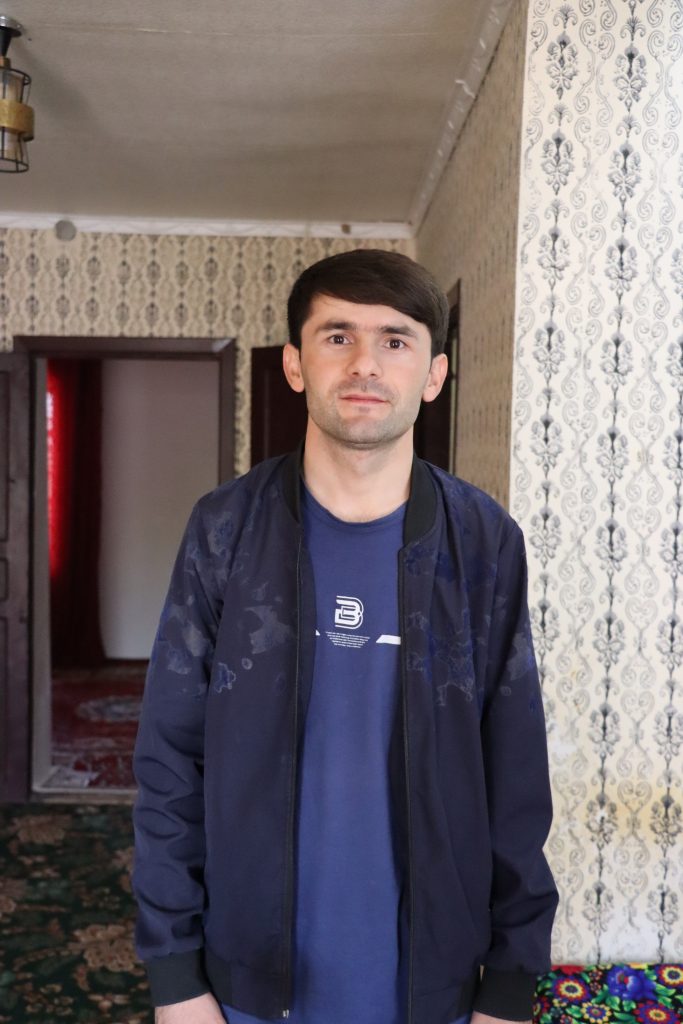
When Orzu Kalandarov began feeling unwell, he sought care at a local hospital that is supported by MSF. As he suspected, he was diagnosed with TB. Rather than being frightened, Orzu trusted the doctors and followed his treatment diligently. Within six months, he recovered and returned to an active life.
Active case finding in the community
While Orzu’s timely decision to seek help and his commitment aided in his recovery from TB, unfortunately, due to lack of awareness, many people are not diagnosed in time. As a result, some people only seek care when the disease has reached an advanced stage, allowing the chain of infection to continue.
Rather than relying on patients to seek care at health facilities, MSF teams conduct active case finding in neighborhoods and villages across Kulob. Multidisciplinary teams of nurses, health promoters, and community workers use portable x-ray machines to screen people close to their homes. Those with TB symptoms are referred promptly for further testing and treatment.
This approach significantly shortens the time between the onset of symptoms and diagnosis, helping to reduce TB transmission in the community.
The World Health Organization has a global goal of ending TB by 2035, and our Zero TB project is attempting to make this a local reality in Kulob. The “Zero TB” concept focuses on implementing localized, comprehensive Search–Treat–Prevent strategies to reduce or eliminate tuberculosis in a specific city, district, or region. It prioritizes high-burden and hard-to-reach communities. By translating global targets into measurable local impact, Zero TB aims to accelerate progress toward reducing TB deaths, incidence, and suffering.
Using maps to support high-burden areas
To guide outreach activities, MSF uses geographic information systems to map TB cases and identify areas with higher transmission. This data allows teams to focus our case-finding efforts where they are most needed, particularly in hard-to-reach or underserved communities.
Improving awareness and addressing stigma
Stigma remains a major barrier to TB care. Fear of discrimination can prevent people from seeking diagnosis or completing treatment. MSF integrates health promotion and stigma reduction into our Zero TB approach.
Health promotion teams work with community leaders and residents to share accurate information about TB transmission, treatment, and cure, emphasising that TB is curable, and that early treatment protects families and communities.
Mental health and psychosocial support
TB treatment can be long and physically demanding, often affecting patients’ mental health and social well-being. Alongside medical care, MSF provides mental health and psychosocial support, including individual counselling and treatment-adherence support throughout recovery.
When patients are diagnosed with TB, they are referred to the mental health and psychosocial support team. Mental health counsellors provide pre-treatment counselling, explaining the disease, treatment duration, and assessing the patient’s mental health, coping skills, and support needs. Counsellors discuss patients’ concerns and fears and offer emotional support in a safe and confidential environment.
Together with the patient, the counsellor develops an individual treatment-adherence support plan for the entire treatment course. This plan is reviewed during monthly follow-up sessions to identify and address barriers to adherence.
By addressing psychological and social needs, the project helps patients remain engaged in care and complete treatment successfully.
Supporting recovery and strengthening national TB efforts
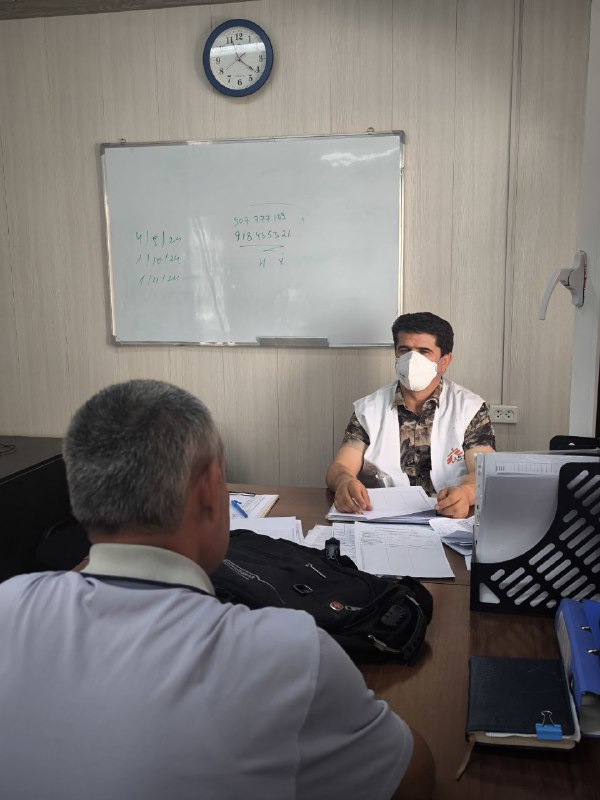
Once severely ill, former TB patient Kurbonali Shakhov has now fully recovered and returned to their daily life.
“At the beginning of the disease, I was very weak, had no appetite, and could barely walk,” says Kurbonali. “The medical staff at the hospital took very good care of me. I have fully recovered and now feel strong and healthy again.” The Zero TB project is run in close collaboration with Tajikistan’s Ministry of Health and Social Protection. MSF supports national TB strategies by strengthening diagnostic capacity, training healthcare workers, and introducing digital chest x-ray systems and computer-aided detection.
“In Kulob, we are demonstrating that TB elimination is possible through early case finding, appropriate treatment, preventive care, patient support, and strong community engagement,” says Dr Sinha.
Through the Zero TB project, we aim to improve access to TB care and contribute to national and global efforts to reduce TB transmission and mortality in high-burden communities in Tajikistan. For MSF, the goal is not only to treat TB, but to transform how communities experience TB care—making it accessible, respectful, and grounded in trust.
-
Related:
- DR-TB
- endTB
- MSF in Tajikistan
- Tajikistan
- Tubeculosis
- Zero TB