MOGADISHU/NAIROBI, 19th January 2026 – Somalia is facing a severe health and nutrition crisis following consecutive failed rainy seasons, soaring water prices, and drastic cuts in humanitarian aid. In November 2025, the Federal Government of Somalia declared a drought emergency. Médecins Sans Frontières / Doctors Without Borders (MSF) teams are witnessing a sharp rise in malnutrition cases and outbreaks of preventable diseases, such as measles, diphtheria, and acute watery diarrhoea, among displaced populations and host communities seeking care at the health facilities in Baidoa and Mudug.
Ranked among the world’s most climate-vulnerable countries, Somalia is facing recurrent climatic shocks, including devastating droughts and floods. Following four consecutive failed rainy seasons, UN reports indicated 4.4 million people could face crisis-level or worse food insecurity by the end of 2025, including 1.85 million children under five at risk of acute malnutrition. The same reports show that more than 3.3 million people have already been forced from their homes, many arriving in overcrowded camps around Baidoa and Mudug. As humanitarian funding reaches its lowest level in a decade, critical services are collapsing. Since early 2025, more than 200 health and nutrition facilities have closed nationwide, and food assistance has dropped from targeting 1.1 million people per month to just 350,000.
In Baidoa, in October 2025, the MSF team witnessed a worrying trend: admissions for severe acute malnutrition increased by 48 per cent compared to the previous month. Simultaneously, 189 children were treated for suspected measles, 95 per cent of whom had never been vaccinated. In Mudug region, admissions for severe acute malnutrition in inpatient therapeutic feeding centres increased by 35 per cent during the same period. Across the region, more than 182 health facilities have closed or are only partially functional, and an estimated 300,000 children are projected to be acutely malnourished.
We are seeing children arriving at our hospitals in critical condition, often after travelling for days without food or water. The drought has not only dried up wells but also the support systems families rely on. Our teams are working around the clock to treat severe malnutrition and outbreaks of measles and diphtheria, but the sheer volume of patients is stretching our capacity to the limit. People are exhausted, and without immediate access to water and healthcare, more lives will be lost to preventable causes.
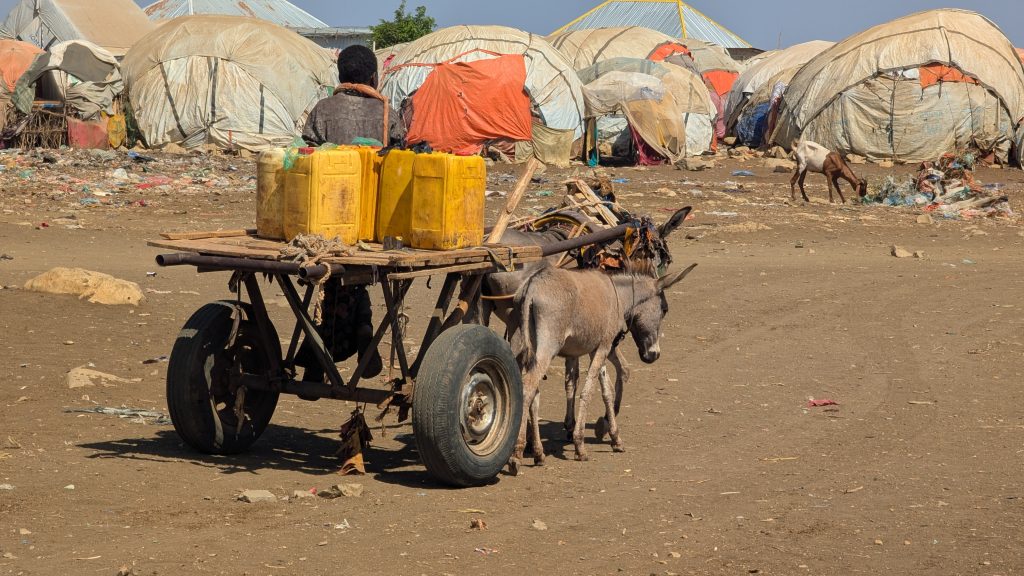
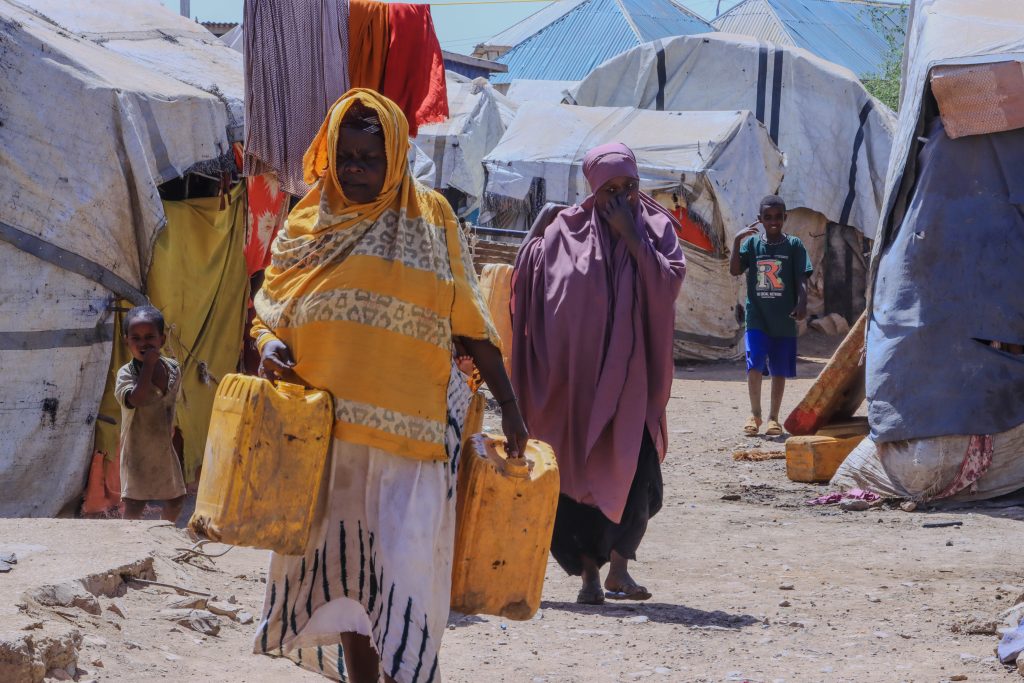
The drought has devastated livelihoods, forcing families to abandon their homes and seek refuge in overcrowded displacement camps where access to water and sanitation is severely limited. The cost of water has surged to unaffordable levels, with a 200-litre barrel costing between US$2.50 and US$4.00 in Baidoa and Mudug.
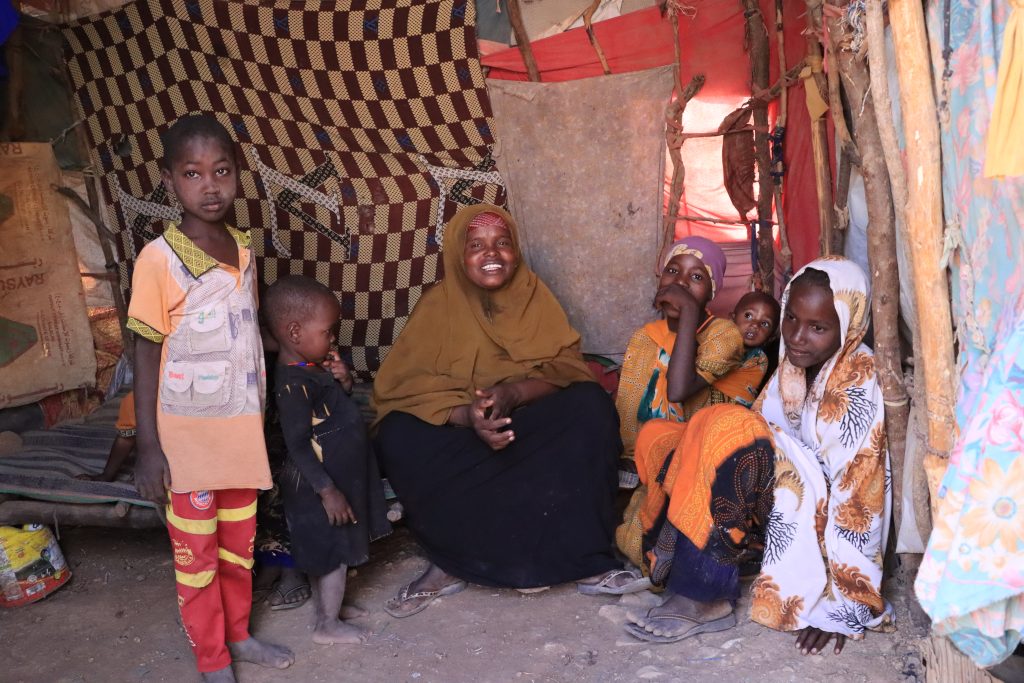
“Most of the men are unemployed, and the women are either pregnant or caring for children,” Kaltuma Kerow, a 35-year-old mother living in an internally displaced persons (IDP) camp in Baidoa, described the daily struggle. “We cannot afford water. We are extremely short of food and water, and we fear diseases like cholera. Hunger and lack of clean water are making everything worse.”
In response to the acute water shortages, MSF launched an emergency water trucking operation in Baidoa in December 2025. By mid-January, teams distributed more than 6 million litres of safe drinking water across 17 IDP sites, installing water bladders and solar lights to improve safety and access. Despite this intensive effort, the scale of needs remains overwhelming.
Rahma Bashiir, a 38-year-old mother living in an IDP camp in Galkayo, has been displaced multiple times by conflict and drought. “All of my goats and sheep died. We can’t afford clean water as a barrel costs US$4, and our children fall sick from drinking salty water,” she said. “Medicine from the pharmacy doesn’t help when you are hungry.”
This situation is unacceptable because it is predictable and largely preventable. The current humanitarian response is at its lowest level in a decade, leaving millions without access to basic healthcare, food, or water. The international community and Somali authorities must urgently act to prevent a catastrophic loss of life in the coming months.
Elshafie Mohamed
MSF Country Representative in Somalia
MSF is calling for immediate action to scale up nutrition programs, vaccination campaigns and water services, alongside sustained commitment to help communities withstand recurring climate shocks. With the Jilaal dry season now underway and needs expected to rise further, MSF urges donors and authorities to rapidly disburse emergency funding for lifesaving assistance, while also investing in longer-term measures, including climate resilient water infrastructure and sustained support for essential health services and vaccinations. Without a consolidated multisectoral response, a massive loss of life cannot be prevented.
Like many websites, MSF uses cookies to enhance your user experience. By continuing to navigate this site you are giving consent to the issue of these cookies. No, give me more info
This website uses cookies to improve your experience while you navigate through the website. Out of these cookies, the cookies that are categorized as necessary are stored on your browser as they are essential for the working of basic functionalities of the website. We also use third-party cookies that help us analyze and understand how you use this website. These cookies will be stored in your browser only with your consent. You also have the option to opt-out of these cookies. But opting out of some of these cookies may have an effect on your browsing experience.
Necessary cookies are absolutely essential for the website to function properly. This category only includes cookies that ensures basic functionalities and security features of the website. These cookies do not store any personal information.
Any cookies that may not be particularly necessary for the website to function and is used specifically to collect user personal data via analytics, ads, other embedded contents are termed as non-necessary cookies. It is mandatory to procure user consent prior to running these cookies on your website.