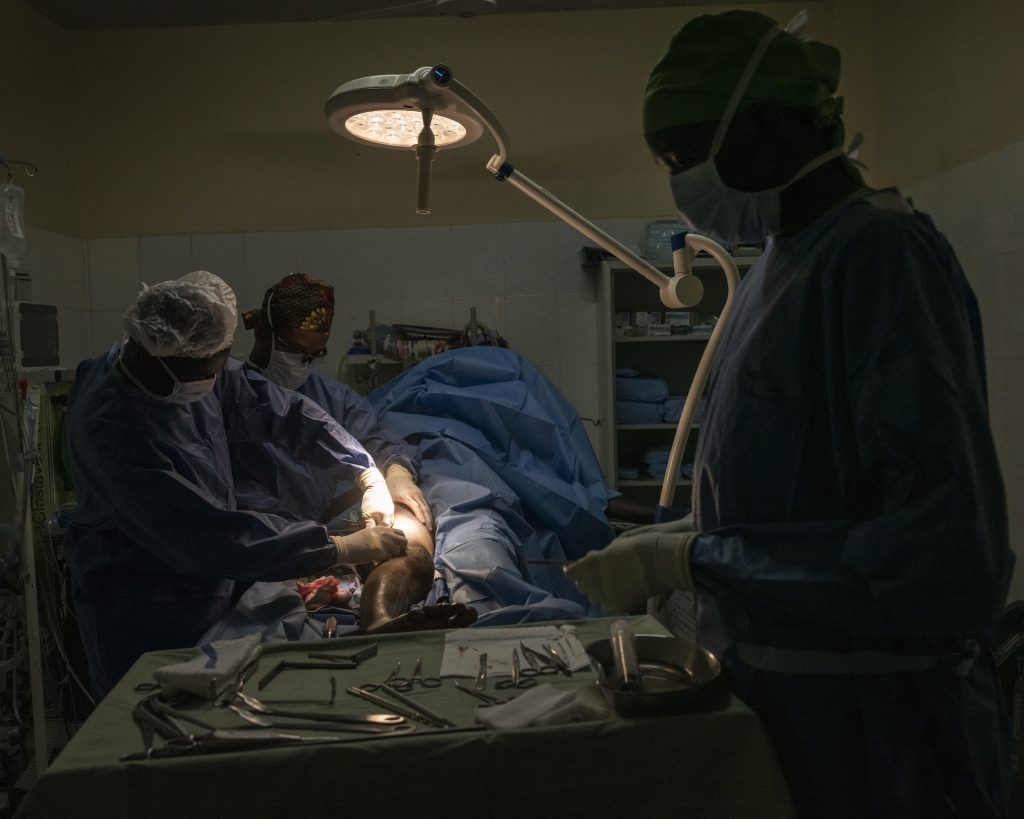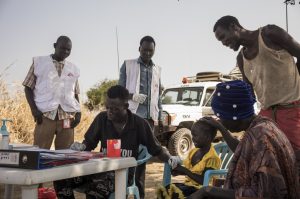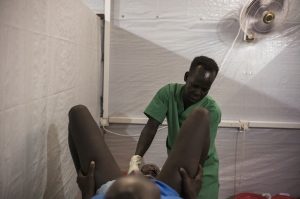

Barely a decade after gaining independence, the world’s youngest nation continues to face overlapping crisis such as open conflict, violence, insecurity and limited access to healthcare. For nearly three years now, the war in neighboring Sudan has unleashed yet another emergency, forcing hundreds of thousands of people to flee across the border to a country unprepared to absorb such an influx. To document this crisis, we collaborated with Nicolò Filippo Rosso, an internationally renowned photographer recognised for his powerful and evocative documentary work. He travelled to meet those living close to the border between Sudan and South Sudan, a context largely overlooked by media attention.
“I’ve been observing the Sudanese conflict from the sideline for some time now,” explains Nicolò. “I did several reportages to Eastern Chad where I mainly encountered women and children fleeing the conflict in Sudan seeking refuge in overcrowded camps. In South Sudan, the crisis is quite different, I saw a total collapse of the health system and an extremely layered crisis both for Sudanese refugees and internally displaced people.”
An improvised escape route for people fleeing Sudan
After landing in Juba, the capital of South Sudan, and attending several briefings with MSF teams, Nicolo travelled to Abyei Special Administrative Area, a territory long disputed between Sudan and South Sudan. For years it has been hosting internally displaced people fleeing violence in other states, but the outbreak of the war in Sudan has pushed the situation to a critical level.
“What really struck me in Abyei was the number of injuries. I saw people with gunshot wounds and severe burns arriving at the hospital. I couldn’t help but wonder what was happening back home for those who stayed, and the conditions they were living in.” remembers Nicolò.
-
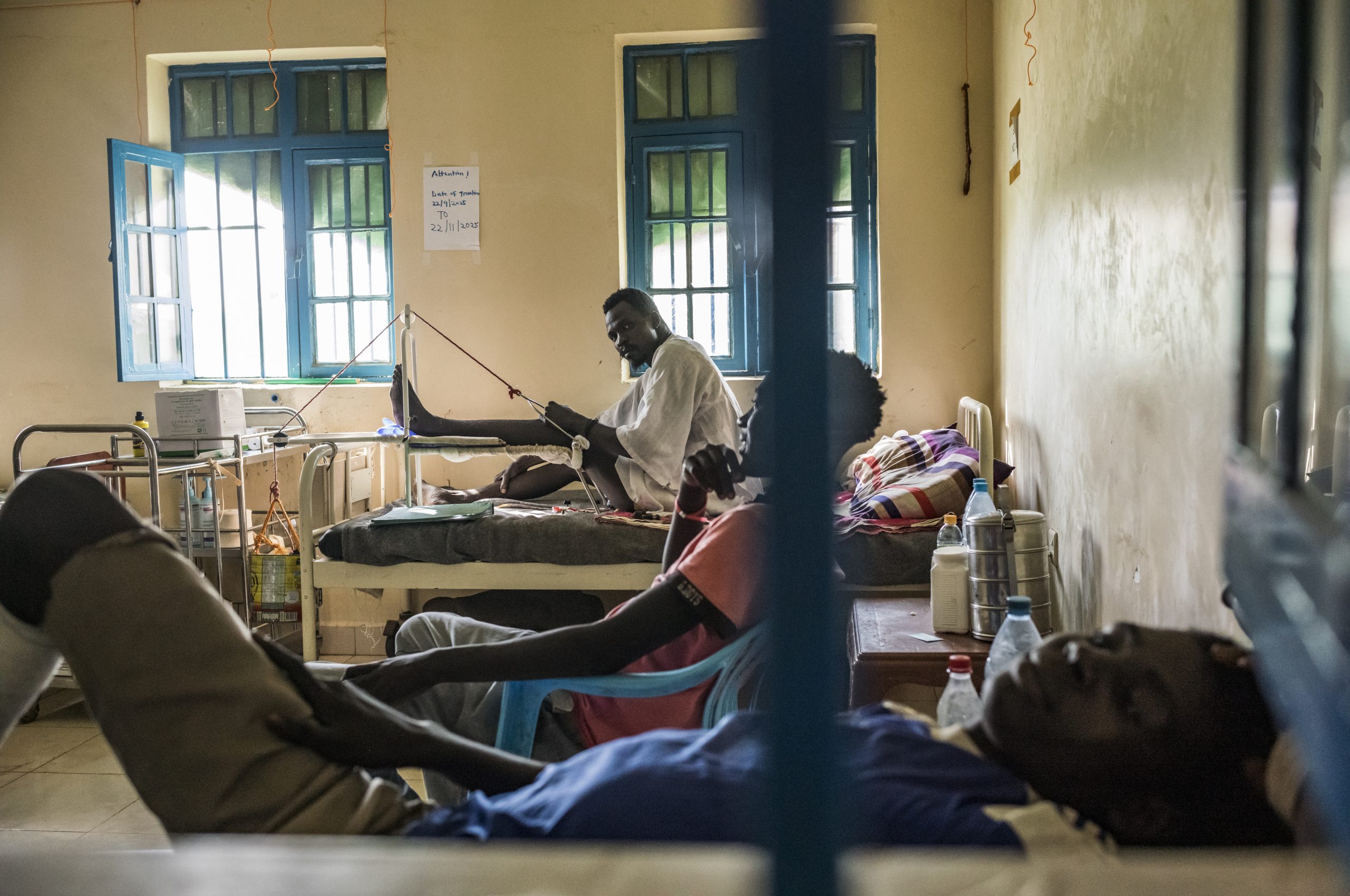
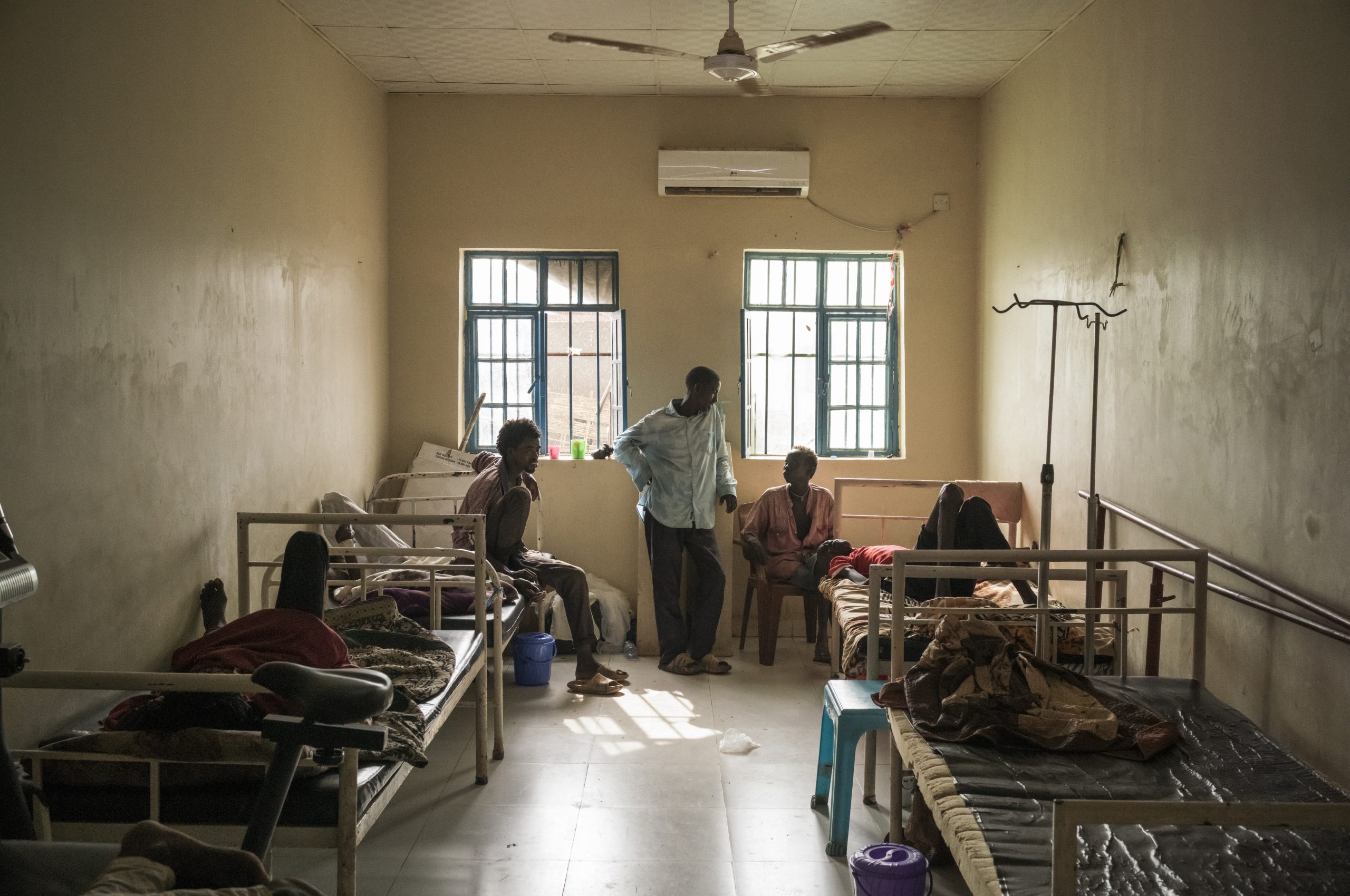
- In the center, Bol Mavien, 39, adjusts the rope of his skeletal traction inside the orthopedic ward of the MSF hospital in Abyei. He is one of many men recovering from fractures sustained while fleeing the fighting in Darfur and the Kordofan states—injuries that often go untreated until people reach this disputed borderland between Sudan and South Sudan. Around him, the ward fills with patients resting under open windows, waiting for wounds to knit and fevers to ease. In Abyei, where many people arrive exhausted from the road, this room becomes both a refuge and a reminder of how the war’s consequences ripple far beyond the front lines. ©Nicolò Filippo Rosso
-
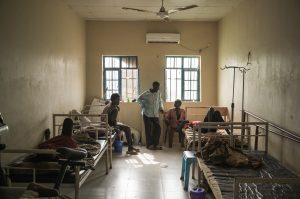
- Abyei, South Sudan — A hospital ward holds patients recovering from injuries and illness. With the surge of displaced people crossing the border and limited health services elsewhere, Abyei’s hospital has become the only reliable point of care, often stretching beyond its intended capacity. ©Nicolò Filippo Rosso
-
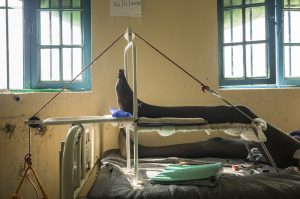
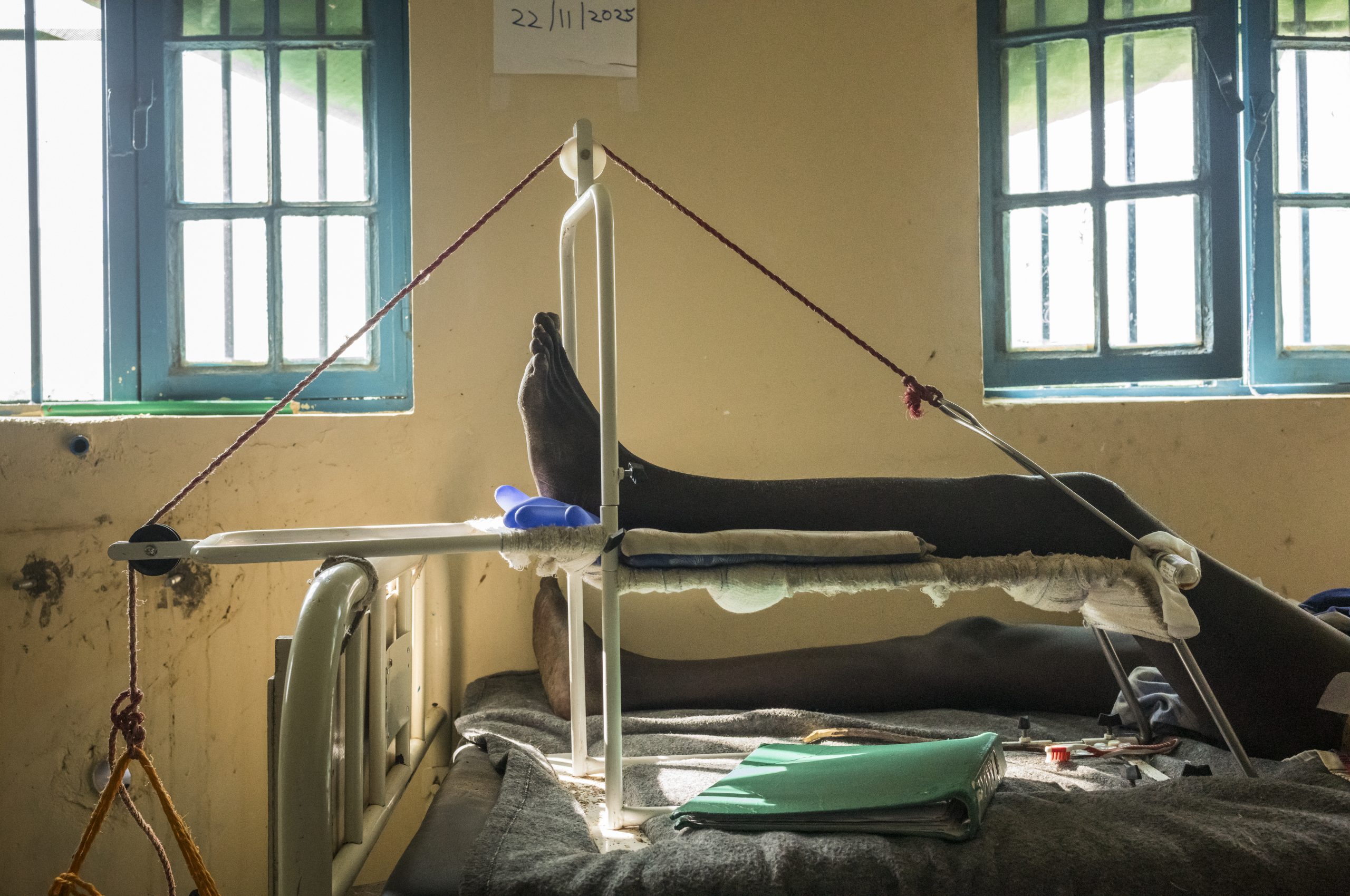
- A patient rests in skeletal traction inside the MSF hospital in Abyei, where the wards have filled with people escaping the fighting in Darfur and the Kordofan states. Many arrive with fractures from gunfire, beatings or the chaos of their flight — injuries that go untreated for days until they reach this contested strip of land between Sudan and South Sudan. Abyei’s status has remained unresolved for more than a decade, yet it has become a fragile point of passage for those pushed out by war, a place where the simplest medical care can mean the difference between recovery and lifelong disability. ©Nicolò Filippo Rosso
-
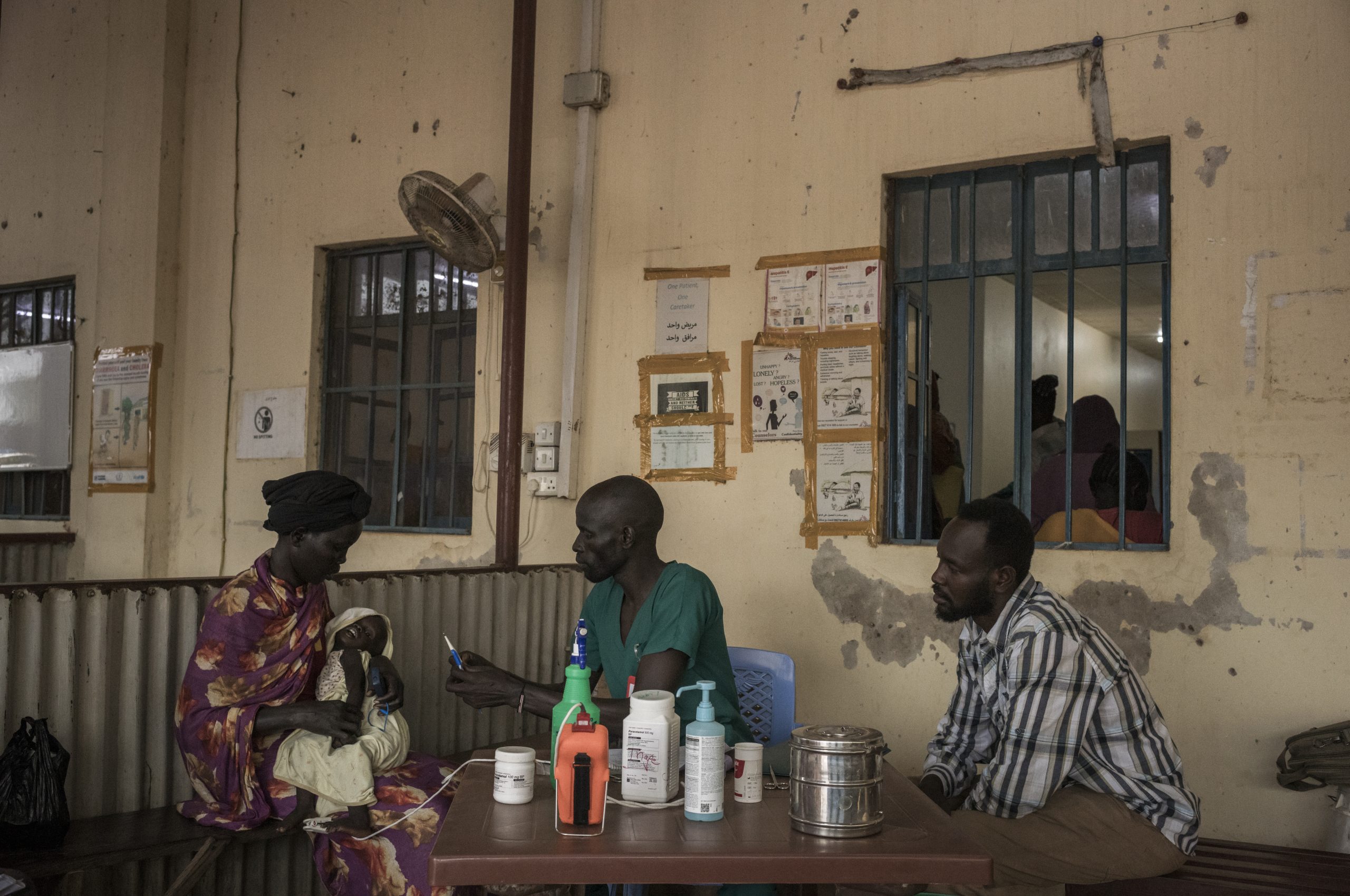
- Abyei, South Sudan — At the triage area of the MSF hospital, Yan Maper holds her one-year-old daughter, Thiany Chol, as a clinical officer performs an initial assessment for malnutrition and anemia. Many displaced families arriving from Sudan reach Abyei after prolonged journeys with little access to food, clean water, or shelter. Early triage is critical: rapid screening allows MSF teams to identify children at risk of severe acute malnutrition and stabilise them before complications set in. ©Nicolò Filippo Rosso
-
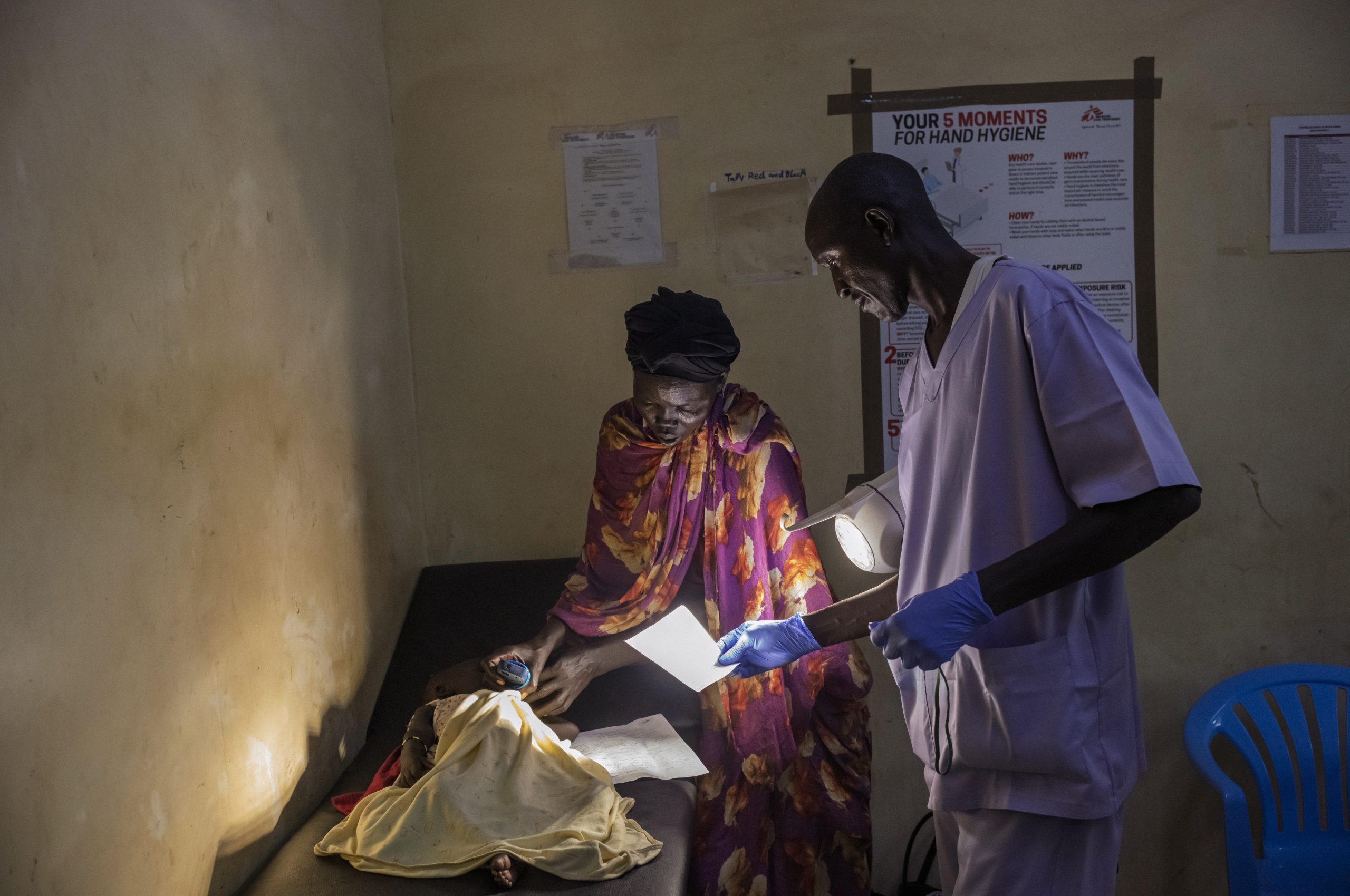
- Abyei, South Sudan — In a consultation room, an MSF nurse examines Thiany Chol under a focused lamp, using the light to locate a viable vein for intravenous hydration. After weeks of displacement and nutritional stress, many children arrive severely dehydrated, febrile, or anemic, requiring urgent stabilisation. For Yan Maper, who fled the conflict in Sudan with her daughter, this careful clinical procedure represents the first step toward restoring her child’s strength after a long period without reliable medical care. ©Nicolò Filippo Rosso
-
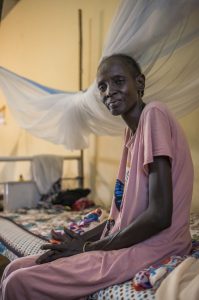
- A wounded stands in the orthopaedic ward of Abyei Hospital. MSF teams are providing ongoing wound care, pain management, and monitoring to prevent complications such as infection. With limited surgical options available locally and many patients arriving after long delays in seeking care, recovery often becomes a slow and fragile process — one that requires close follow-up and support from the medical staff. ©Nicolò Filippo Rosso
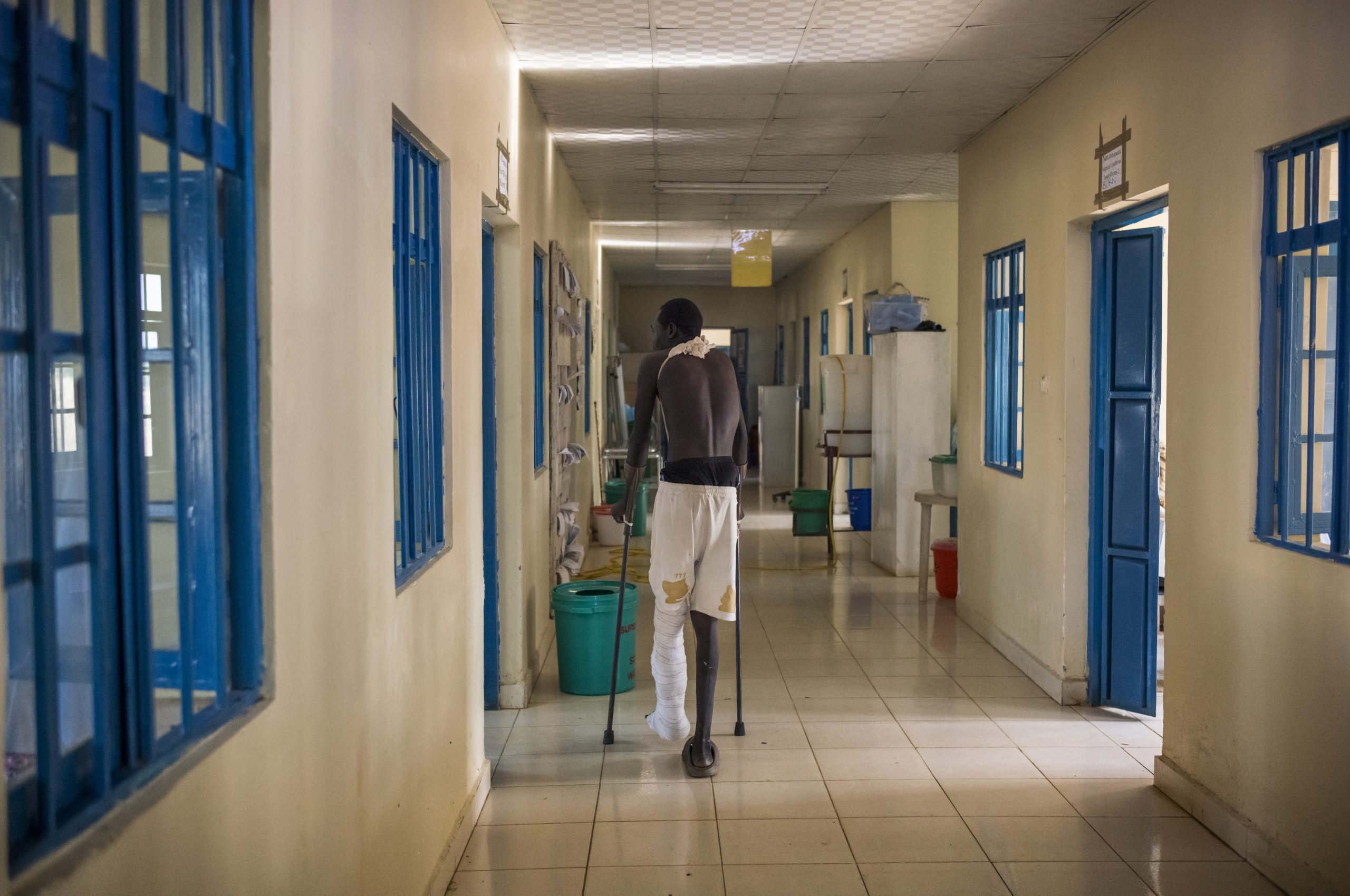
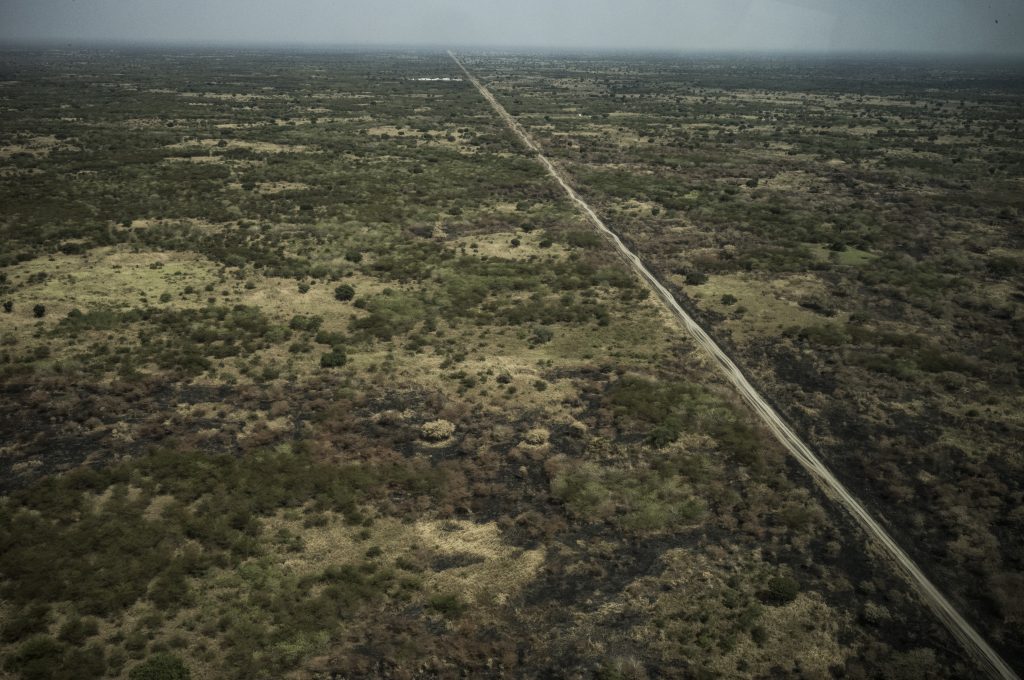
As the war in Sudan pushes deeper into Darfur and the Kordofan states and has reached its 1,000th day with no sign of respite, Abyei has become an improvised escape route. Many civilians arrive by foot, not only from Sudan but also from other South Sudanese states affected by years of violence and displacement. These movements place immense pressure on health facilities that were never designed to cope with such a massive and sustained influx of displaced populations.
“I met a woman named Regina.” Nicolò recalls. “She was very sick with tuberculosis and feared she might die. She didn’t have the strength to carry her children with her to the hospital, so she left her children by the market under a tree with a few belongings and some food, asking someone she knew to watch over them. She went to get treatment with no phone, no connection, hoping that after several weeks she could return and find them. It was a heartbreaking story.”
MSF’s Ameth Bek Hospital, the only functioning hospital care facility in the region, is increasingly overwhelmed by patients. The teams are focusing particularly on emergency services, including surgery, but also inpatient care and midwifery. Between January and September, MSF provided surgical care to 1,240 patients, including those with violence-related injuries.
Meeting the needs of remote communities
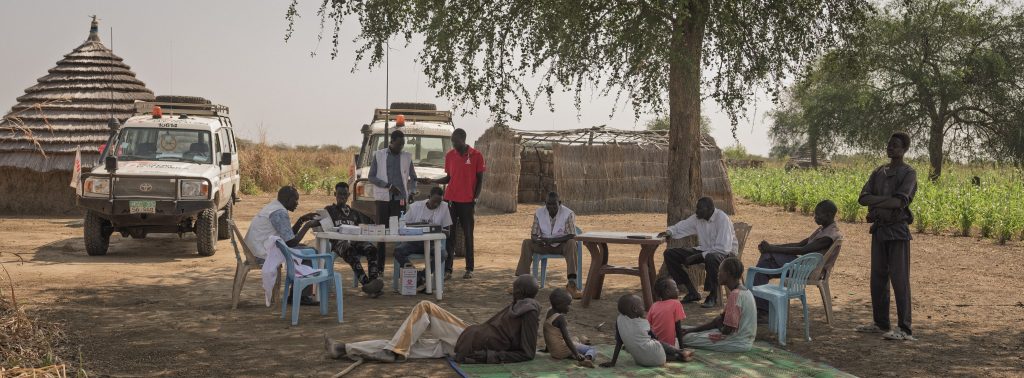
In addition to running the hospital, MSF has 9 integrated community case management (ICCM) sites managed by trained local volunteers in collaboration with local health authorities. MSF’s team travels long distances to the village health posts to bring medicine and support the trained community health workers.
“Some communities are really counting on the community health sites because they are extremely isolated.” explains Nicolò. “When they visit those sites, they can find trained staff and receive the care they need. It was the case of Ayom Deng, a young girl who suffered a serious burn injury while cooking at home. Her mother brought her to the community health site after seeing the wound worsen. Ayom received wound care and follow-up instructions as part of the program. It really brings essential healthcare closer to villages far from formal health facilities.”
Providing comprehensive care to uprooted families
After several days of documenting the situation in Abyei, Nicolò travelled further south, to Mayen-Abun. There, displacement has taken a different form but is no less urgent: families have been repeatedly forced to flee their homes by long-standing conflicts, including cattle raiding, land-use disputes, intercommunal violence, and climate-related crisis. In the MSF supported hospital, the teams focus on providing comprehensive care, from outpatient consultations to emergency and maternity care.
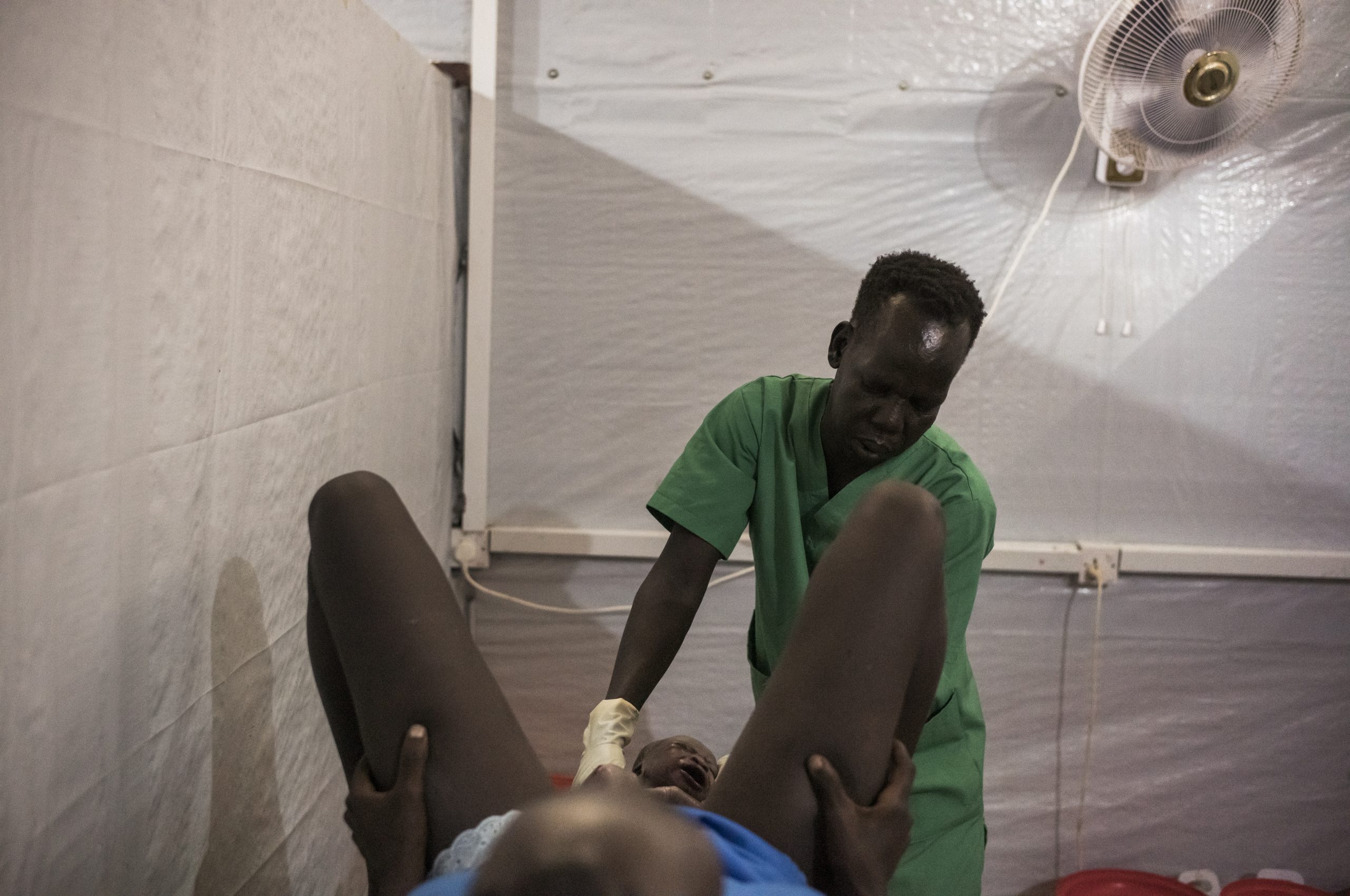
“I had the chance to accompany Abuk throughout her delivery, from the moment she was admitted until the birth of her baby.” shares Nicolò. “Births are always very emotional moments, and mothers are generally quite open to being accompanied by a camera. It was a very intimate moment, and I even got a high five after she made her final push.”
-
- Mayen Abun, Twic County, South Sudan — In the maternity ward of MSF’s hospital, a midwife supports 20-year-old Abuk Magolc Dhal through the final moments of labour. With limited space and only a handful of trained staff, midwives work methodically to ensure safe deliveries in a county where many women have little access to skilled birth care. ©Nicolò Filippo Rosso
-
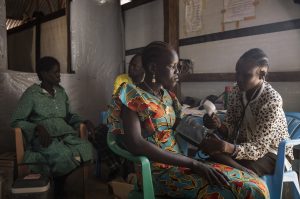
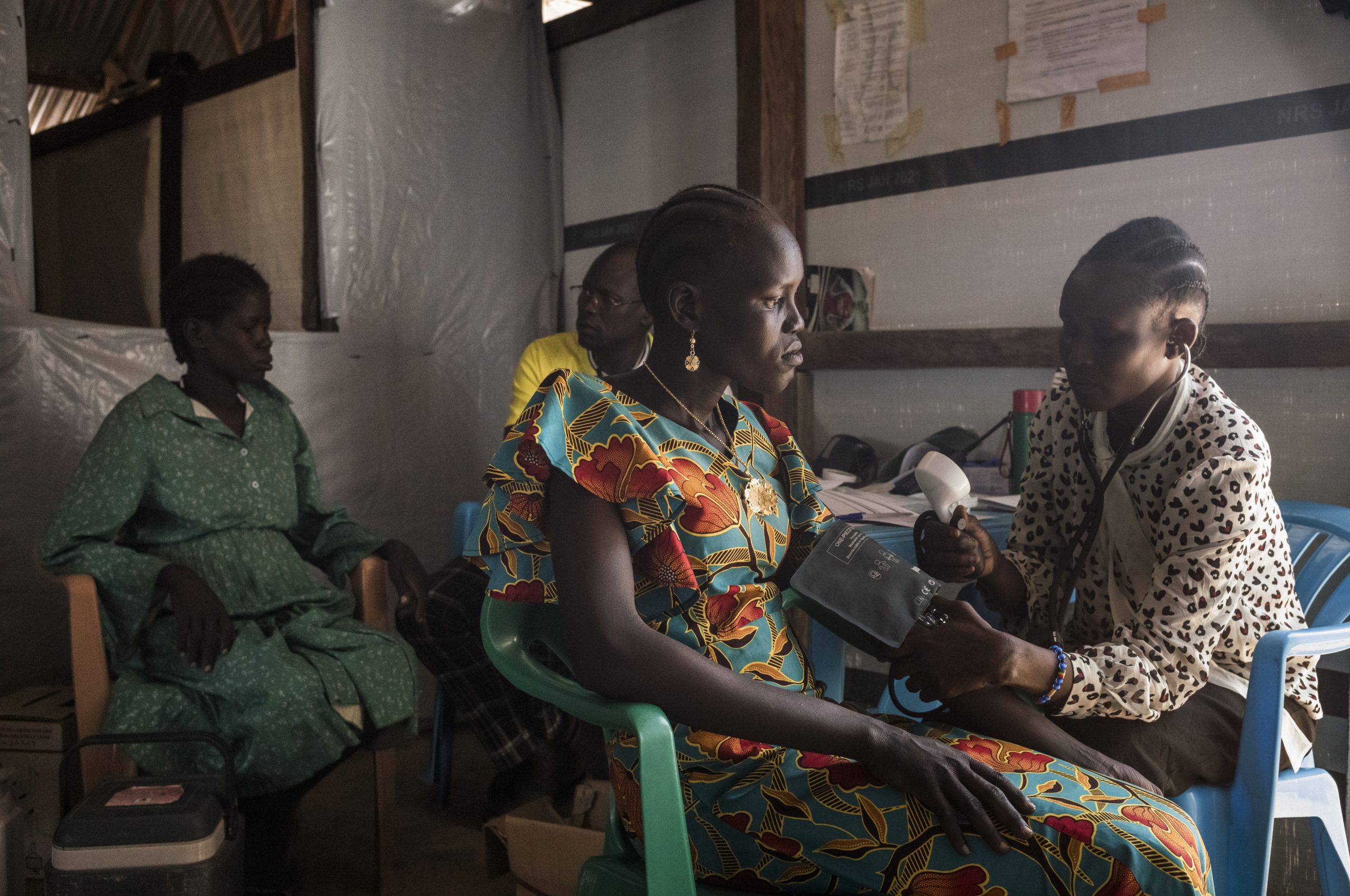
- A midwife measures the blood pressure of a pregnant woman during an antenatal consultation at the MSF clinic in Gom Koi, Twic County, Warrap State, South Sudan. In this remote area, where access to formal health services is extremely limited, MSF’s mobile and fixed clinics provide a crucial lifeline for expectant mothers to detect complications early and receive essential care. ©Nicolò Filippo Rosso
-
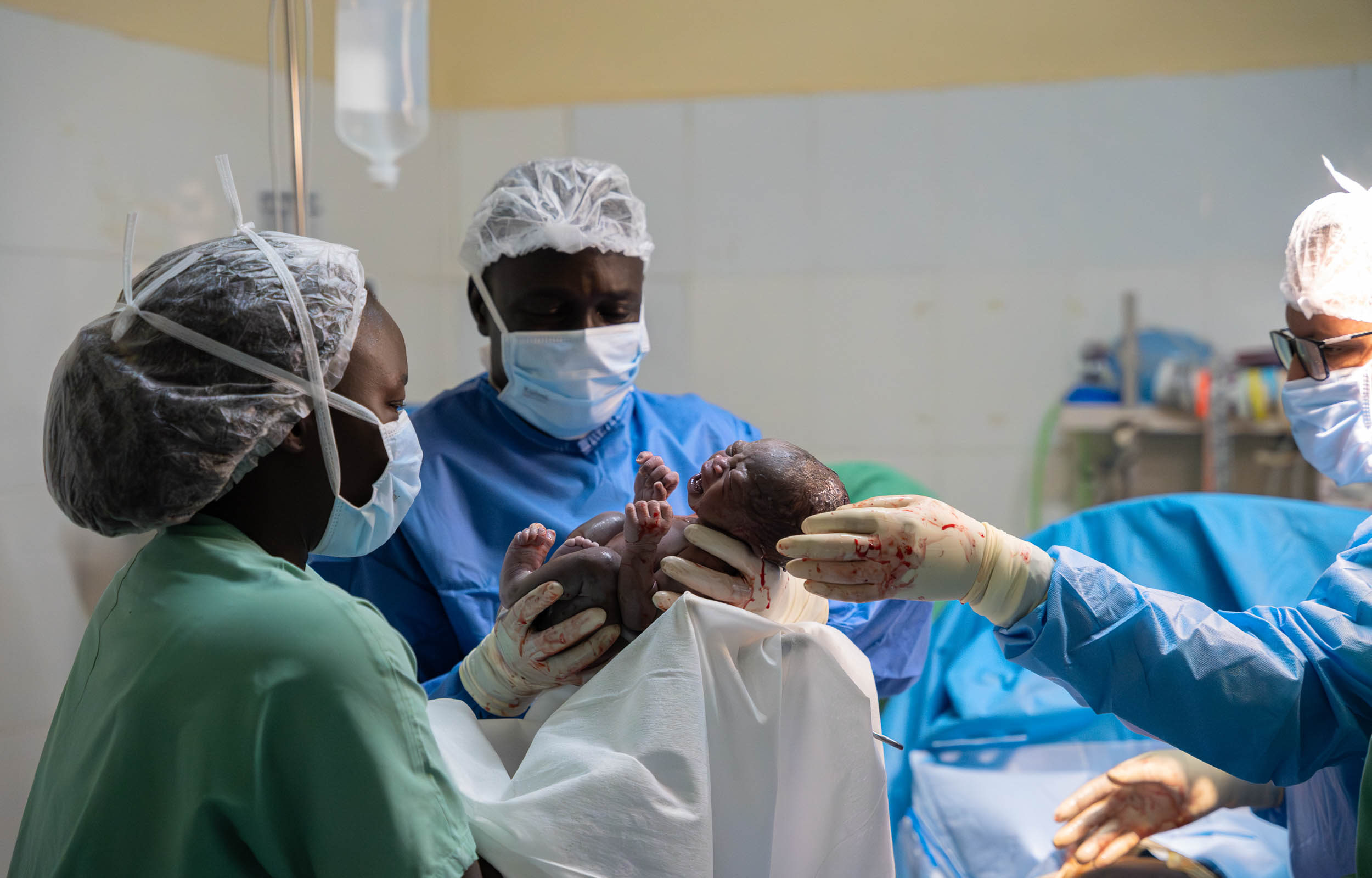
- An MSF surgical team delivers a baby following an emergency caesarean section at Ameth Bek Hospital in Abyei. ©Nicolò Filippo Rosso
-
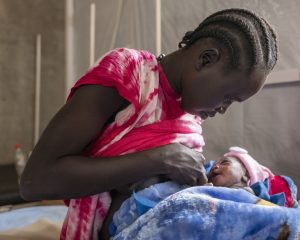
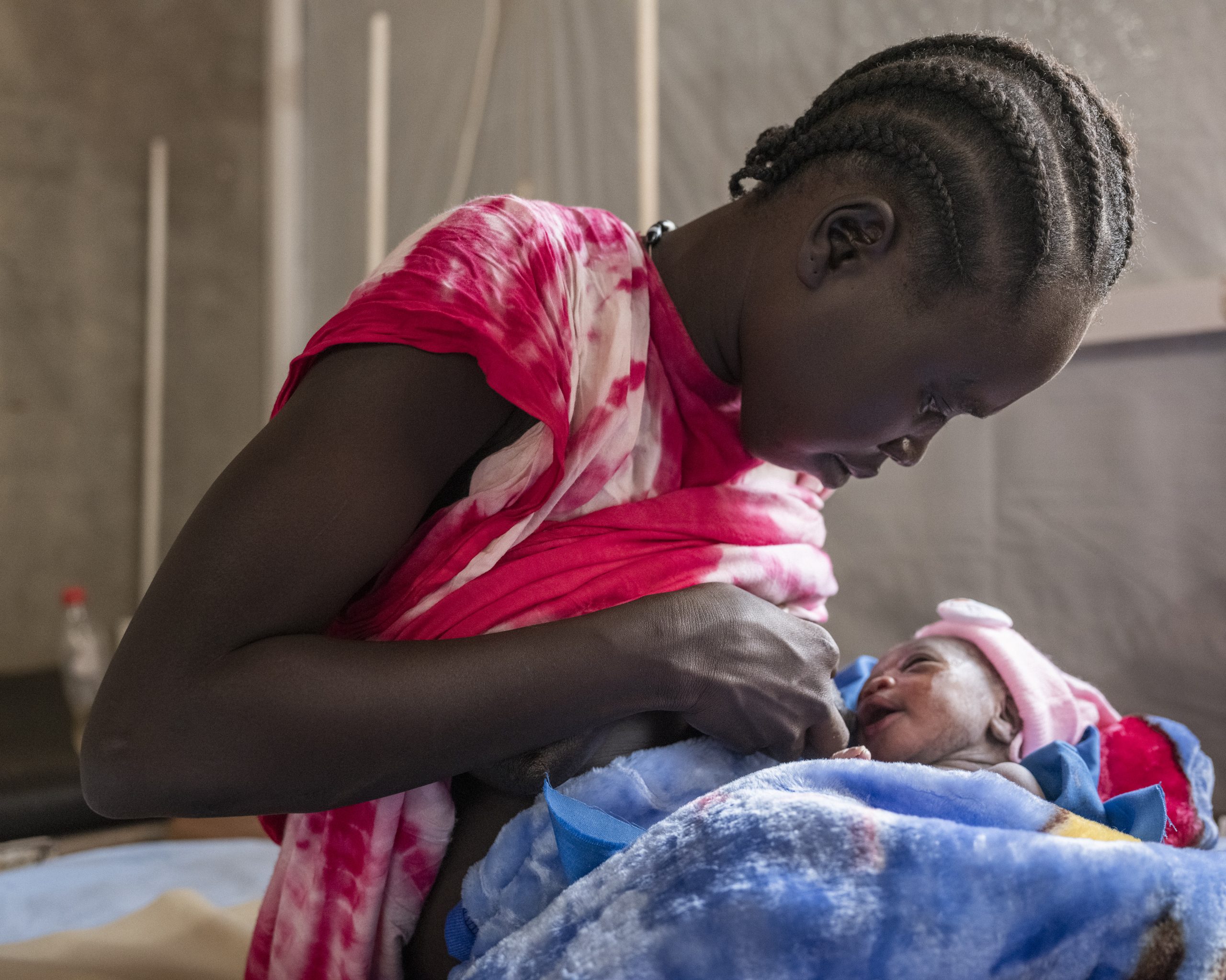
- Mayen Abun, Twic County, South Sudan — Abuk Magolc Dhal holds her baby for the first time as she begins breastfeeding under the guidance of MSF midwives. Early breastfeeding is encouraged in the maternity ward, especially in a region where malnutrition and illness threaten newborn survival in the critical first days of life. ©Nicolò Filippo Rosso
-
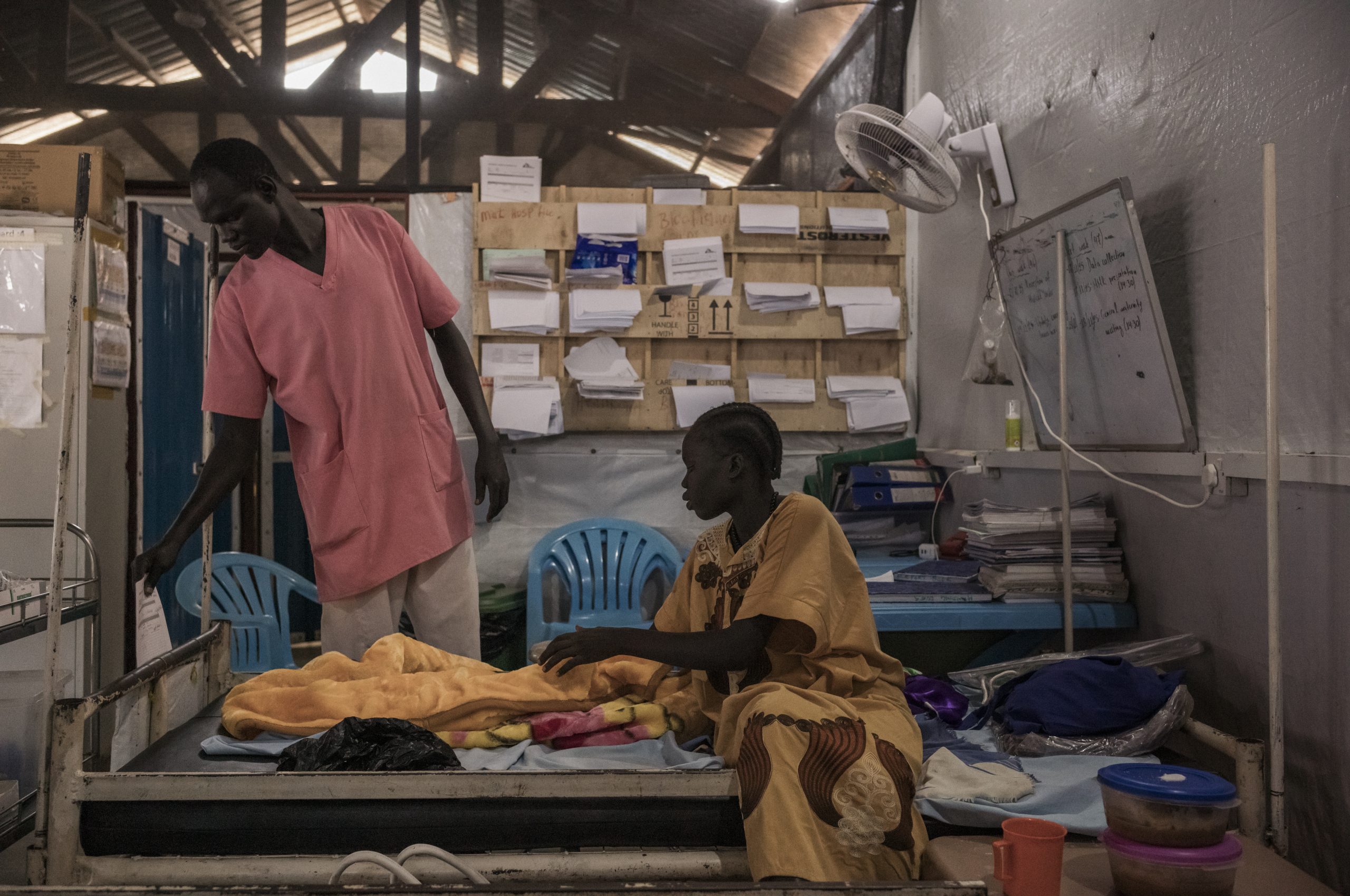
- Mayen Abun, Twic County, South Sudan — Inside the maternal unit of the MSF-supported hospital, a midwife checks on a woman who has just delivered. With Twic County’s health system severely weakened by years of conflict, displacement, and chronic understaffing, the facility is one of the few places where women can access skilled birth care. Many arrive after long journeys from remote villages or displacement sites, often in active labor, relying on MSF’s support to ensure safe deliveries in a county where most clinics lack trained staff, medicines, or functioning equipment. ©Nicolò Filippo Rosso
-
- Abyei, South Sudan — At the triage area of the MSF hospital, Yan Maper holds her one-year-old daughter, Thiany Chol, as a clinical officer performs an initial assessment for malnutrition and anemia. Many displaced families arriving from Sudan reach Abyei after prolonged journeys with little access to food, clean water, or shelter. Early triage is critical: rapid screening allows MSF teams to identify children at risk of severe acute malnutrition and stabilise them before complications set in. ©Nicolò Filippo Rosso
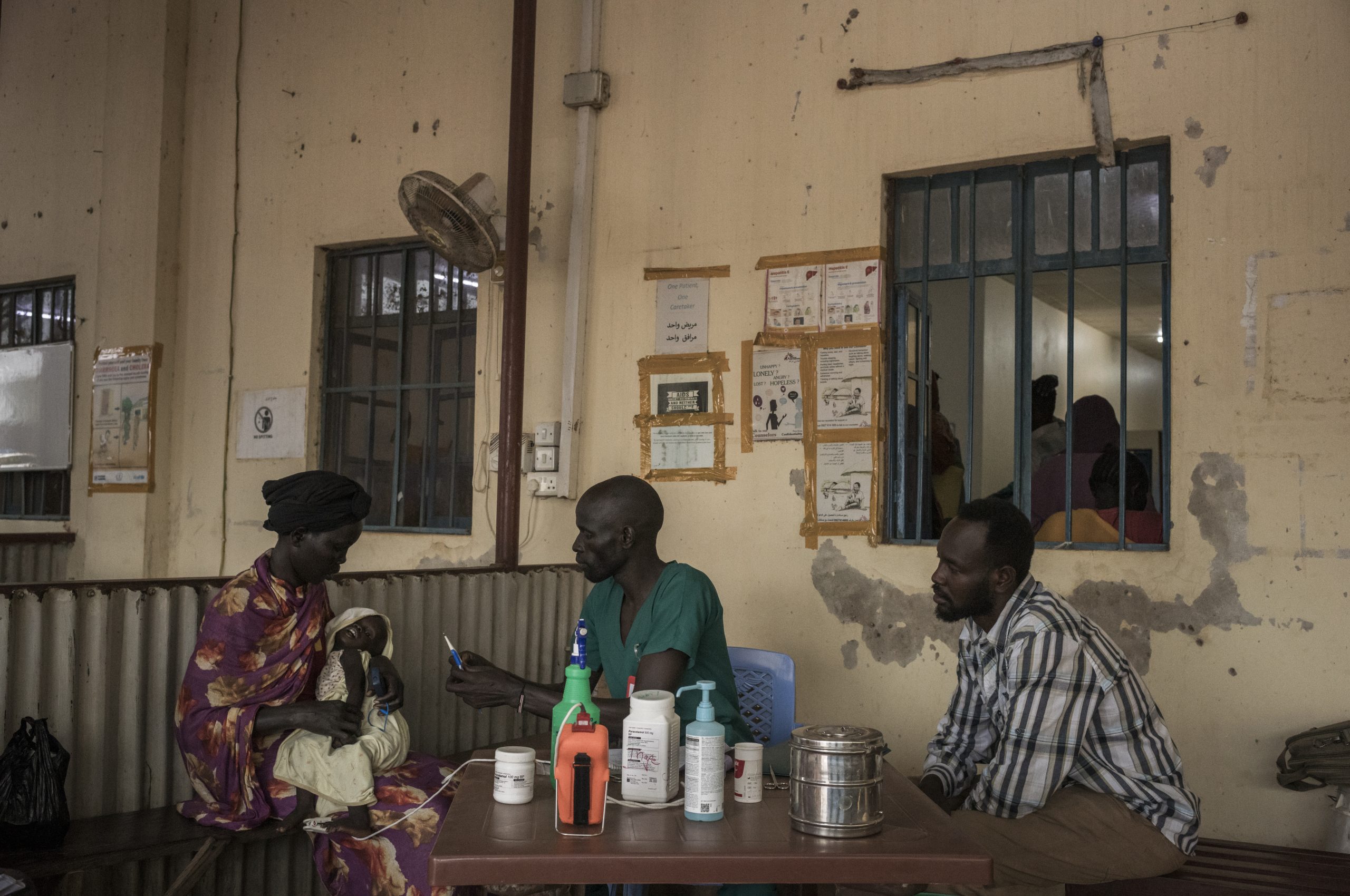
In rural communities outside Mayen-Abun, access to basic healthcare is also extremely limited. Clinics are few, distances between settlements are long, and many families must walk for hours to reach the nearest health post. As in Abyei, MSF works closely with communities. By bringing basic but essential care closer to where people live, these essential sites help bridge the gap created by the country’s collapsing health system and the insecurity that prevents families from reaching hospitals.
A fallen health system amid funding cuts and structural weakness
All these difficulties are exacerbated by a wider crisis. Despite being the world’s youngest country, South Sudan remains heavily dependent on humanitarian aid: more than 80% of essential health services are run with the support of NGOs.
In July 2024, the Health Sector Transformation Project (HSTP) launched a multi-donor-funded initiative (including the World Bank) to support basic health and nutrition services and emergency preparedness in South Sudan. Led by the government and implemented in collaboration with the WHO, UNICEF, and implementing partners, the model initially planned to support 1,158 health facilities across 10 states and three administrative areas over three years. However, due to funding constraints, it will now support only 816 facilities until 2027, leaving significant gaps in coverage.
Now more than ever, it is clear that this model is deeply unsustainable: some organisations are forced to close their doors after massive cuts in international aid and others because of insecurity and violent attacks, causing the entire health system to collapse. For patients receiving care from MSF, this is a painful reality: once they leave the facilities, there are few, if any, other places to turn for help and support.
Across all MSF project locations, teams are witnessing the devastating impact of a chronically under-resourced system. Many primary healthcare facilities are non-functional, essential medicines are frequently unavailable, staff salaries are delayed, and hospitals are neglected. As a result, people in need of lifesaving surgery or emergency maternal care have extremely limited options.
These pressures are unfolding alongside overlapping crises, including violence, mass displacement, flooding, and disease outbreaks, all of which further strain an already fragile system. In 2025 alone, MSF opened 12 emergency projects in response to cholera outbreaks, malaria peaks, flooding, and displacement linked to violence, more than double the number of emergency responses launched in 2024.
MSF continues to call for the crisis in South Sudan to be prioritised in the international agenda, with a coordinated response to support populations facing multiple overlapping crises across the country.
“What felt different about South Sudan compared to other countries I’ve worked in, was that I didn’t really have to do any investigative journalism.” concludes Nicolò, “Elsewhere, you have to dig to find the story. In South Sudan, everything is visible: a stark manifestation of layers upon layers of violence, tragedy, and conflict.”