
For several months, the security situation of the border areas between northern Benin and Nigeria have experienced a marked deterioration. In early February, there were violent attacks by armed individuals in several villages on the Nigerian side of the border, including Konkosso, Kokani, Zatinna, Kigbèra and Mazé. Testimonies from those who have fled report extreme violence, including killings, the burning of homes, looting and kidnapping. This violence has deeply affected communities. Zainabou, 22-year-old woman says, “Armed men killed my husband. It was early in the morning, and we heard gunfire and then screams from the first people attacked. My husband opened the door to see what was happening and as soon as he closed it again, they arrived. They forced the door open and shot him in front of me. No one could help him.”
Beyond the lack of adequate shelter, essential needs remain largely unmet. Access to food, hygiene services, and clothing remains limited. Increased mobilization of other actors is essential. MSF is calling for a strengthened humanitarian response to meet the basic needs of these refugees. Broader mobilization remains essential to guarantee dignified living conditions and access to essential services for these people in search of protection, especially for women and children.
Ibrahim, a 45-year-old man describes the scale of the attacks: “There were a lot of them, people who arrived on motorcycles. They were shooting and there were explosions as well. Several people had their throats cut; others were shot. They set fire to our motorcycles. I saw people fall. They kidnapped people, including my little brother.”
Faced with this persistent insecurity, thousands of people have fled to Benin, seeking refuge and protection in the border area of Ségbana.
Surviving in extremely precarious conditions in Ségbana
The commune of Ségbana is currently hosting more than 3,000 refugees. The majority arrived without resources and depend largely on the support of the local community. Accommodation is significantly overcrowded. “When we arrived, we were welcomed into this Beninese family, but due to lack of space we had to separate. My wife and children sleep in another house with other women. I sleep in a small room where there are more than 20 of us,” explains a 45-year-old father of seven.
The psychological consequences of the violence suffered are very present. Many people show signs of psychological distress, including sleep disturbances, anxiety, or withdrawal. Children often display persistent fear or have stopped speaking. Zainabou, a 22-year-old woman who lost her husband says, “I think about my husband all the time. My three children cry at night.”
The needs are immense
MSF teams are providing emergency assistance to the displaced and have been in Ségbana since 4 March 2026. “We have set up free primary health care services, including consultations, maternity care and medical referrals. At the same time, mental health and psychosocial support is provided by our psychologist to help the refugees cope with the trauma of the violence they’ve experienced. Between 4 and 22 March MSF provided 2,541 outpatient consultations, including 589 for children under 5; 438 prenatal consultations; 91 pregnant women under medical care; assisted 69 deliveries; admitted 82 to hospital; referred 18 to specialized structures for further care; and undertook 19 mental health and psychological support consultations,” said Laurent NDALUME, Medical Manager of the project.
In mid-March, a mass multi-antigen vaccination campaign coupled with screening for malnutrition and deworming with albendazole was organized targeting mainly children under 5 years in order to prevent diseases with a high epidemic risk like measles or meningitis.
A total of 5,157 children underwent nutritional screening. Of these, 522 were diagnosed with moderate acute malnutrition and 23 with severe acute malnutrition. Some parents attended sessions to raise awareness of good dietary practices and how to prepare fortified porridge.
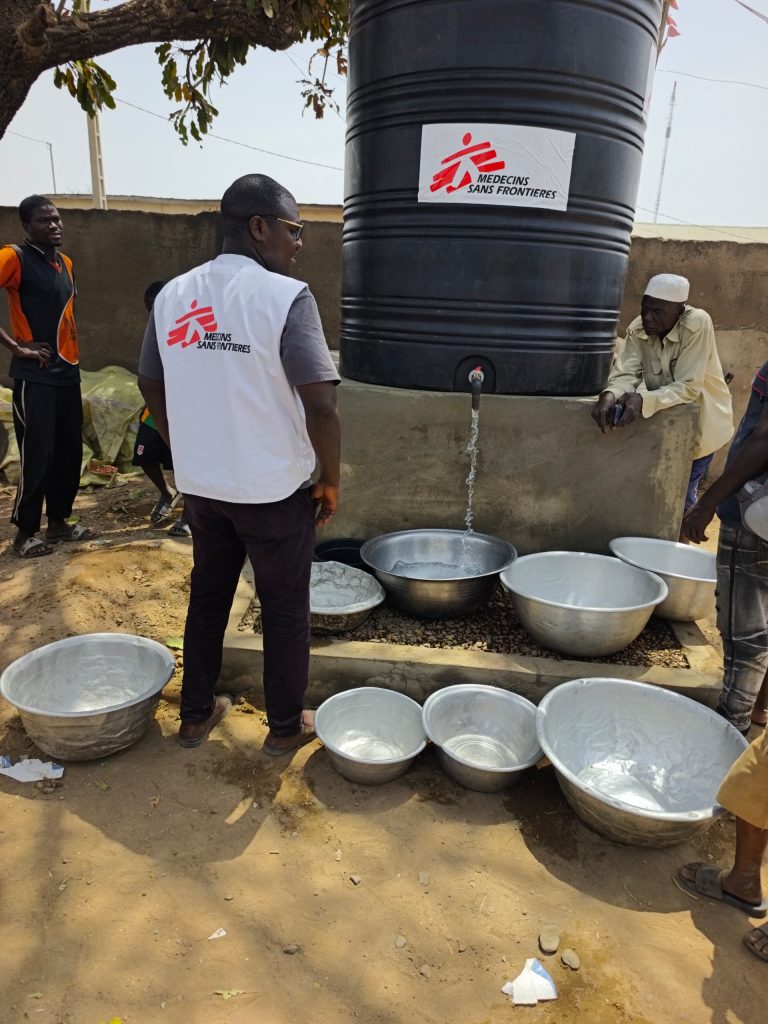
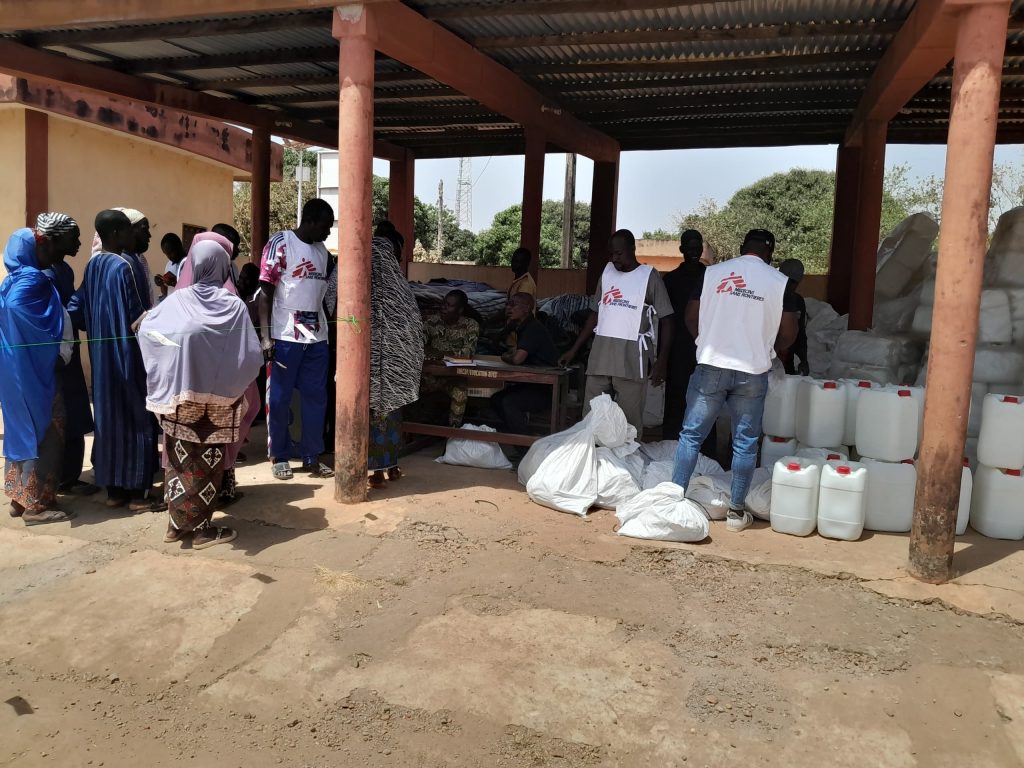
In addition to medical care, MSF has carried out several actions to improve the living conditions of refugee families. A total of 600 kits have been distributed, including soap, mosquito nets, water purification tablets and hygiene items. To ensure access to safe drinking water, 5,000-litre tanks have been installed at the health centre and in the community. The MSF teams also cleared pits and built 17 emergency latrines in areas hosting large numbers of refugees. The aim is to prevent water- and hygiene-related diseases, which represent a major risk in this type of environment.