On 24 February 2026, Médecins Sans Frontières (MSF) South Asia convened a roundtable discussion marking the formal launch of the TB Survivors Collective, a survivor-led community-based organization (CBO) dedicated to strengthening community engagement within India’s TB response. Titled “Building Change Together: Launching TB Survivor–Led CBO,” the event brought together TB survivors, policymakers, representatives from the National TB Elimination Programme (NTEP), civil society partners, academic stakeholders and programme implementers to explore how survivor leadership can contribute to more inclusive and person-centered TB care.
In his welcoming remarks, Parthesarathy Rajendran, Executive Director of MSF South Asia, described the gathering as both a moment of continuity and a deliberate transition. Following MSF’s planned closure of the Mumbai Project, the launch of the TB Survivors Collective signals a shift toward greater community ownership, where TB survivors themselves take leadership in advocacy, peer support and community engagement activities. This transition aligns closely with the ambitions of the NTEP, particularly its emphasis on decentralized, patient-centered and community-based care. He highlighted that the TB Survivors Collective builds on strong national and global evidence demonstrating that TB outcomes improve when communities are meaningfully engaged. By bringing lived experience into the health system, survivor leaders can help ensure that services are responsive, dignified and accessible to those most affected.
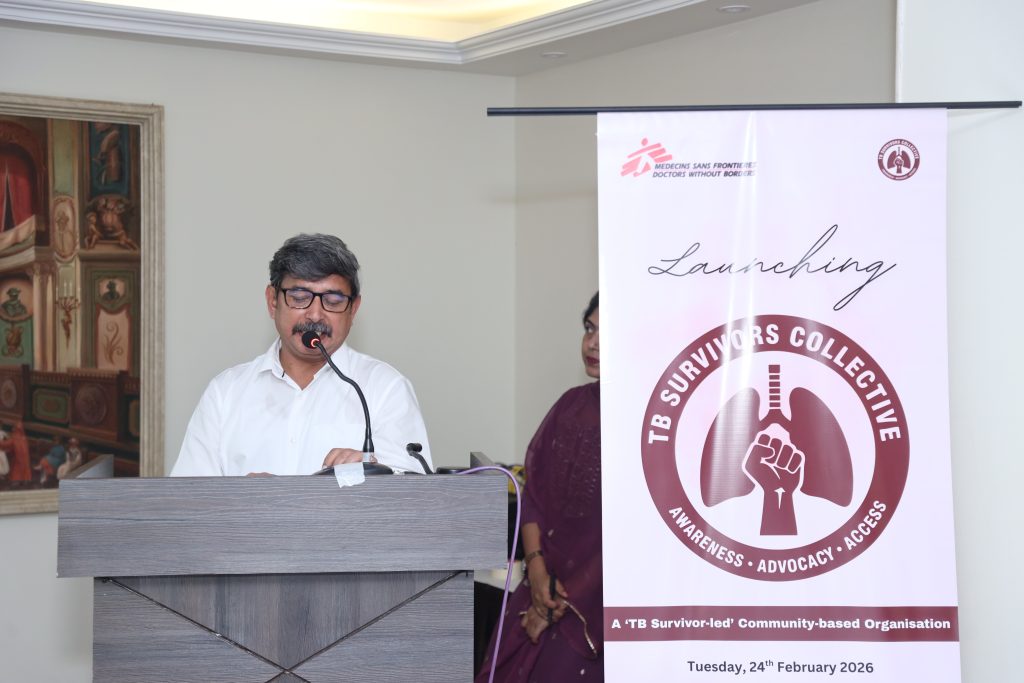
Parathesarathy Rajendran, Executive Director, Médecins Sans Frontières (MSF) South Asia, delivers the opening remarks at the roundtable discussion marking the formal launch of the TB Survivors Collective, a survivor-led community-based organization (CBO) dedicated to strengthening community engagement within India’s TB response.
The roundtable discussions focused on three key themes: embedding community engagement as a core pillar of the End TB Strategy by moving beyond tokenistic participation; recognizing TB survivors as change agents who bridge communities and health systems; and integrating survivor-led psychosocial support as an essential component of TB care to improve outcomes, dignity, and trust. From a policy perspective, the initiative reinforces key priorities within the TB response. First, it supports decentralization by strengthening community-based mechanisms that complement public health services. Second, it contributes to demand generation, treatment literacy and stigma reduction—critical elements for early diagnosis and sustained adherence. Third, it demonstrates how civil society and survivor-led organizations can play a structured, accountable and constructive role within the broader TB ecosystem.
Throughout the discussion, participants reflected on how to translate these principles into action. Survivors shared personal experiences of navigating diagnosis, treatment side effects, stigma and mental health challenges, underscoring the need for structured psychosocial support and peer networks. Government and programme representatives acknowledged that survivor-led organisations could strengthen trust between communities and the health system, improve treatment completion rates and ensure programmes are more responsive to lived realities.
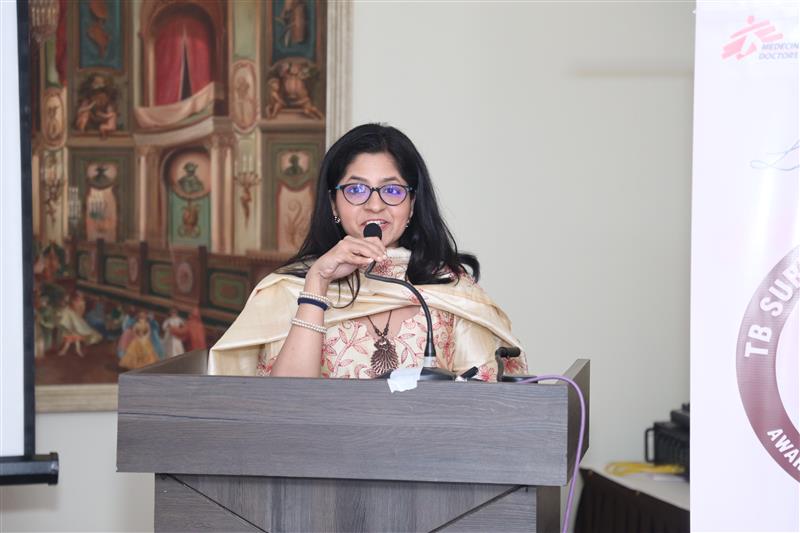
Ms Nandita Venkatesan, Board Member of the TB Survivors Collective, speaks at the roundtable marking the formal launch of the survivor‑led community‑based organisation, sharing how lived experience and civil society voices are essential in steering meaningful changes in TB programmes.
Government representatives, civil society representatives & other grass root stakeholders emphasised that eliminating TB requires strong collaboration across sectors. No single institution can achieve this goal alone. Sustainable progress depends on alignment between the public health system, survivor-led CBOs, civil society organizations, academic institutions, donors and implementation partners. Platforms such as this roundtable, recognized as essential spaces to synergise roles, align priorities and build mutual accountability while creating windows of opportunity for the involvement of the TB Survivors Collective in TB care.
MSF reaffirmed its commitment to supporting the TB Survivors Collective in its initial phase through technical guidance, organizational development and financial assistance. However, sustainability remains a core objective from the outset. The long-term success of the Collective will depend on integration with national programmes, and diversified partnerships that enable the CBO to grow beyond MSF’s direct involvement. Stakeholders collectively voiced that survivor-led, community-based approaches should not be viewed as parallel efforts but as integral components of the TB response. When communities are positioned as partners rather than beneficiaries, health systems become more resilient, equitable and effective.
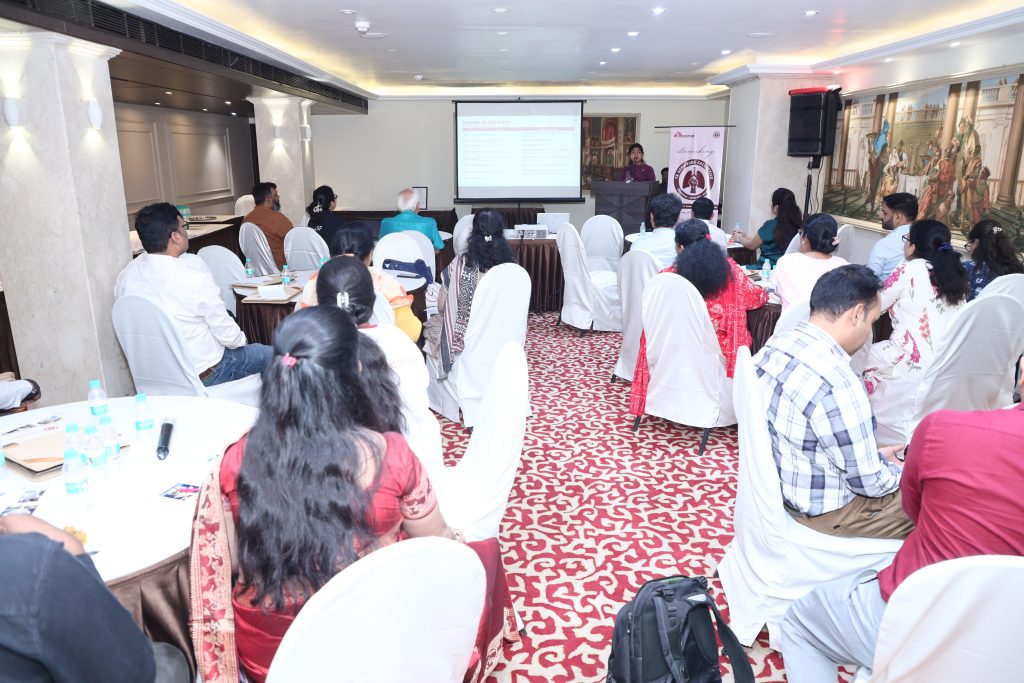
Arunima Silsarma from MSF’s IMPACT Unit moderates the roundtable discussion marking the formal launch of the TB Survivors Collective.
The roundtable concluded with a shared commitment to strengthen collaboration and embedding survivor leadership within TB programme planning and implementation. The launch of the TB Survivors Collective represents a significant step toward institutionalizing community engagement within TB care—ensuring that the voices of those most affected are central to shaping solutions. By fostering partnership, policy alignment and community ownership, this initiative aims to contribute meaningfully to a more people-centered and sustainable TB response in India.
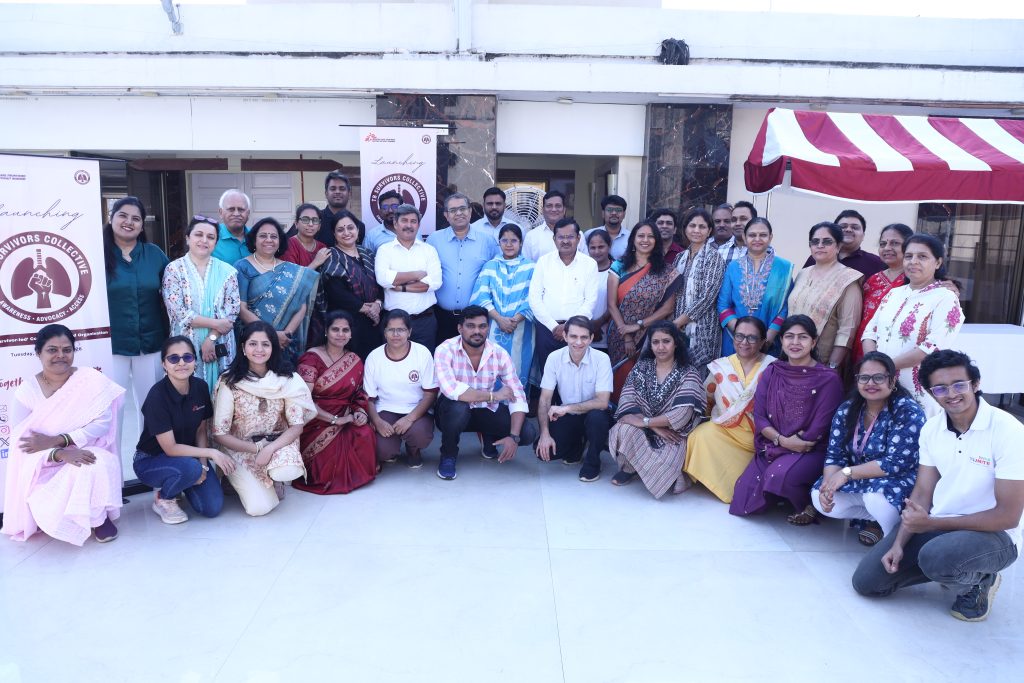
Participants gather at the roundtable discussion marking the formal launch of the TB Survivors Collective, a survivor‑led community‑based organisation.
Like many websites, MSF uses cookies to enhance your user experience. By continuing to navigate this site you are giving consent to the issue of these cookies. No, give me more info
This website uses cookies to improve your experience while you navigate through the website. Out of these cookies, the cookies that are categorized as necessary are stored on your browser as they are essential for the working of basic functionalities of the website. We also use third-party cookies that help us analyze and understand how you use this website. These cookies will be stored in your browser only with your consent. You also have the option to opt-out of these cookies. But opting out of some of these cookies may have an effect on your browsing experience.
Necessary cookies are absolutely essential for the website to function properly. This category only includes cookies that ensures basic functionalities and security features of the website. These cookies do not store any personal information.
Any cookies that may not be particularly necessary for the website to function and is used specifically to collect user personal data via analytics, ads, other embedded contents are termed as non-necessary cookies. It is mandatory to procure user consent prior to running these cookies on your website.