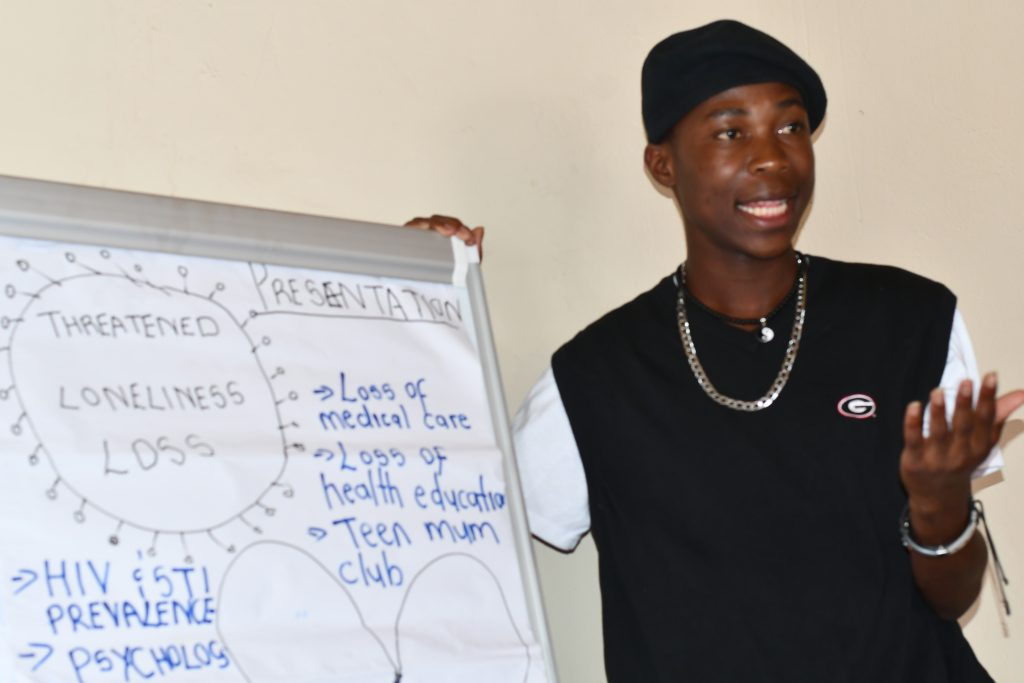
At just 21 years old, Thormilson Thompson, carries a responsibility far greater than his age might suggest, helping shape how healthcare services are delivered to thousands of adolescents.
He does not carry this responsibility alone.
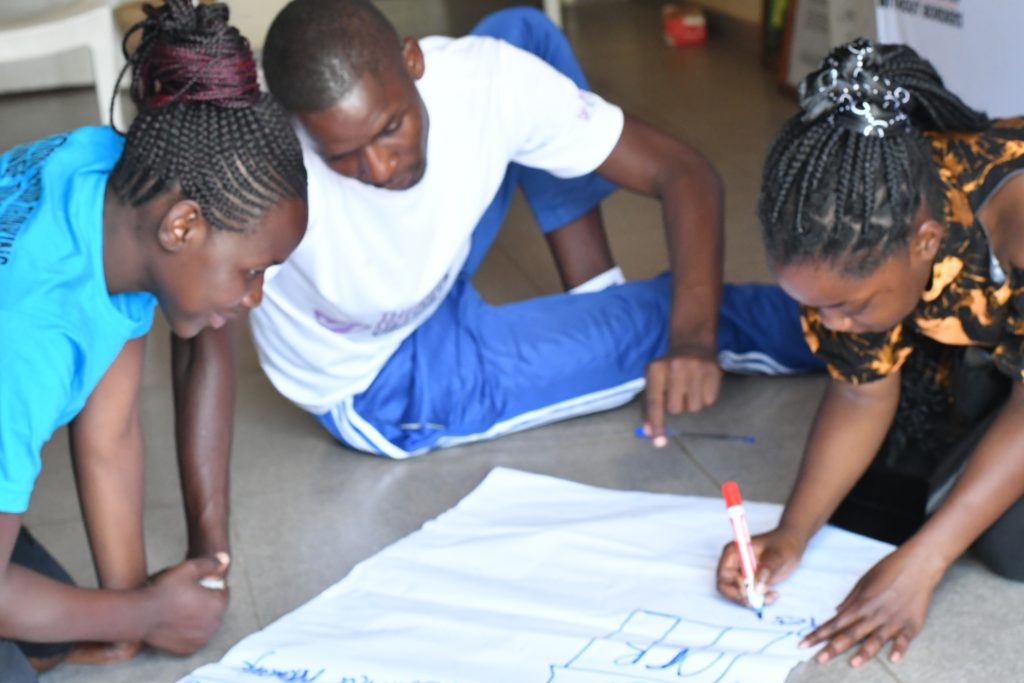
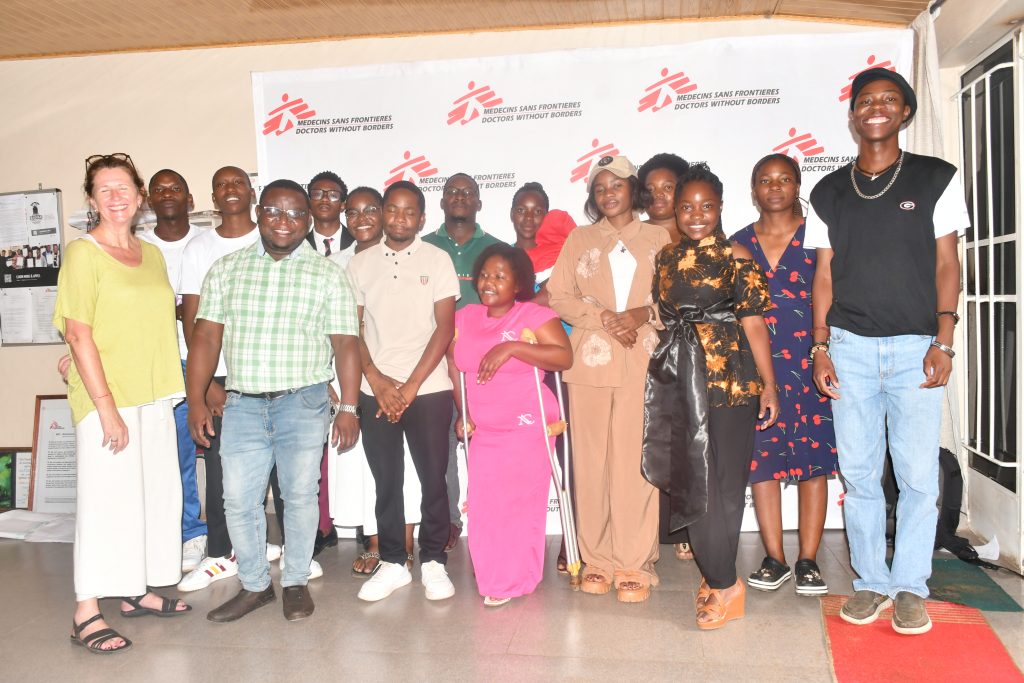
Together with a small group of young people, Thompson serves on the Adolescents Advisory Committee, a body established to ensure that MSF’s adolescent health programme in Mbare, Matapi and Epworth responds to the real needs of adolescents and young people, both at clinic level and within the community.
In Zimbabwe adolescents often face stigma, fear of judgment, lack of confidentiality, and limited youth-friendly spaces, barriers that discourage them from seeking essential sexual and reproductive health services.
Launched in 2024, the 12- member committee reflects the diversity of Zimbabwe’s youth. Its members include teen mothers, young people formerly using drugs, young people selling sex, and students, offering perspectives that mirror the realities faced by adolescents across the country.
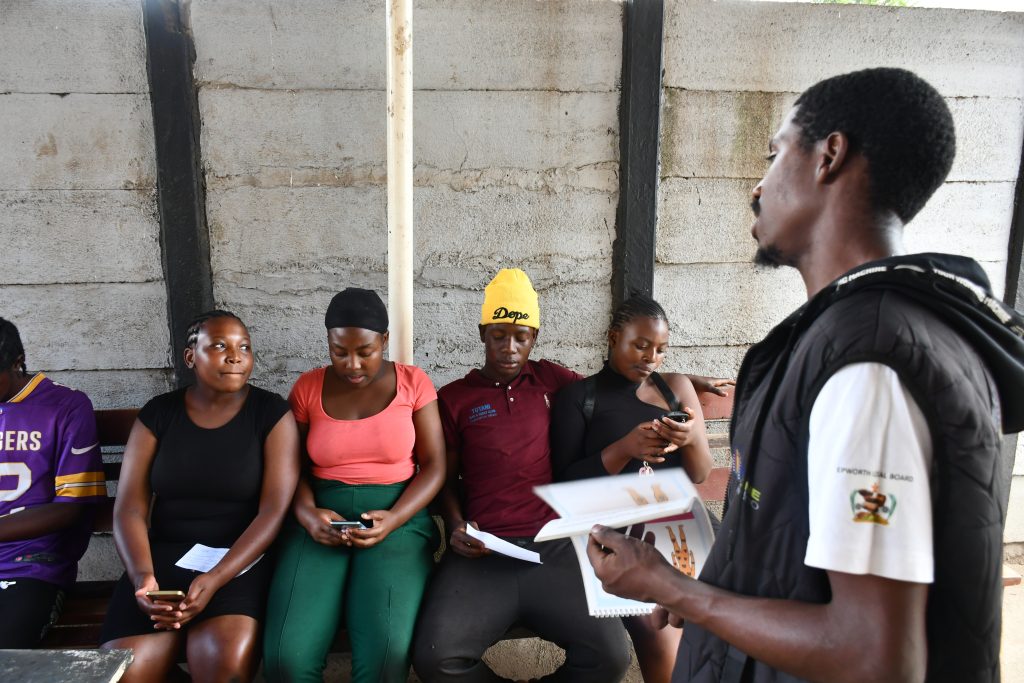
The committee meets every three months to review progress and make recommendations to MSF on any improvements that need to be made. Beyond formal meetings, members engage with other organisations, share experiences, and use platforms such as WhatsApp to update peers and mobilise young people during outreach activities.
The Advisory Committee is worth it because we are the voice of young people in the project. As young people and members of this community, we know the hotspots. We are best placed to advise MSF.
The committee acts as a bridge between the clinics and the community. It dispels misinformation, including rumours that MSF services are paid for, and ensures adolescents understand that services are free and accessible.
Through the Adolescents Advisory Committee, young people are not just patients but active partners in shaping adolescent-friendly care. To date, their input has helped not only to improve services but importantly to ensure that services are relevant, appropriate and meet the needs of young people in Mbare, Matapi and Epworth.
One of the committee’s key recommendations was the introduction of moonlight outreach activities to reach adolescents who could not attend daytime sessions. Since then, more young people have accessed services.
In 2025 alone, MSF-supported services across three sites in Mbare, Matapi and Epworth recorded 10,622 adolescent consultations, a significant increase from 8,481 in 2024 and 7,907 in 2023. Adolescents aged 15–19 accounted for the largest share in 2025, contributing 4,732 consultations.
During the same period, MSF worked with trained peer educators and the advisory committee members drawn from Mbare, Matapi and Epworth to help identify where young people frequent and where support was most needed. Through this initiative, the team reached 24,475 adolescents in the community and 25,943 more in health facilities through outreach activities.
“We are the ears of MSF,” Thompson explains. “We inform them what works and what does not.”
For adolescents like Yvonne, who attends the Mbare Adolescent Friendly Clinic, the impact is visible. She speaks confidently about her health and future, something she attributes to the supportive environment at the clinic.
The services we receive here are very good. We collect our medication without supply issues. While waiting, we receive health education and have time to play games. The staff are friendly, and the volunteers understand our needs. Apart from ARVs, we get pads, contraceptives, condoms, and treatment for other illnesses, even those not related to sexual and reproductive health. I feel free to visit the clinic anytime.
Yvonne
Mbare Adolescent Friendly Clinic attendee
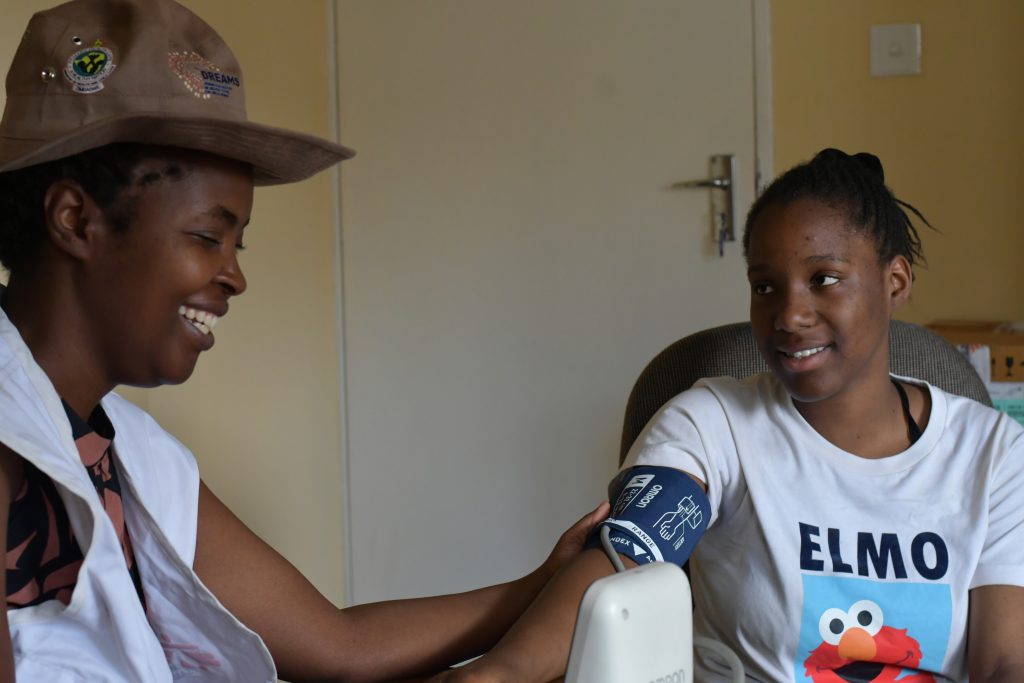
Beyond HIV care, the clinics offers several other services as part of the health package that adolescents receive.
Nelson, now 22, began accessing services in Mbare in December 2023. Born HIV positive, he previously collected medication from another facility.
“In other clinics, you are mixed with everyone, different ages, different needs. Here, we have a clinic of our own. And the services are free,” he says.
What stands out most to him is peer support.
“This clinic makes it easier for adolescents to support each other because we meet here.”
“Speaking out on issues without services is meaningless,” she says. “People will not take you seriously.”
Mirabelle, who is also a junior Member of Parliament and former Junior Mayor is in her final year at Epworth High School. She regularly refers peers and community members to MSF services. She recalls raising concerns about Solani, a hotspot area in Epworth that was not being reached by peer educators. MSF responded by deploying outreach teams.
“That made me feel proud, happy and honoured to be part of the committee,” she says.
To further strengthen community participation, MSF introduced suggestion boxes and patient feedback surveys. Committee members review and discuss this feedback with MSF teams, helping guide decision making and improve services.
Currently, MSF is supporting adolescent-friendly services through three sites, the nurse-led, fully medicalised Mbare Adolescent Friendly Clinic; the peer-led Matapi Youth Hub supported by a nurse and social worker from Mbare twice a week; and the peer-led Epworth Youth Centre supported by a nurse and a social worker three days per week. Together, these spaces provide health education, HIV screening and testing, social support, and referrals, ensuring adolescents have access to care in environments designed around their needs.
Like many websites, MSF uses cookies to enhance your user experience. By continuing to navigate this site you are giving consent to the issue of these cookies. No, give me more info
This website uses cookies to improve your experience while you navigate through the website. Out of these cookies, the cookies that are categorized as necessary are stored on your browser as they are essential for the working of basic functionalities of the website. We also use third-party cookies that help us analyze and understand how you use this website. These cookies will be stored in your browser only with your consent. You also have the option to opt-out of these cookies. But opting out of some of these cookies may have an effect on your browsing experience.
Necessary cookies are absolutely essential for the website to function properly. This category only includes cookies that ensures basic functionalities and security features of the website. These cookies do not store any personal information.
Any cookies that may not be particularly necessary for the website to function and is used specifically to collect user personal data via analytics, ads, other embedded contents are termed as non-necessary cookies. It is mandatory to procure user consent prior to running these cookies on your website.