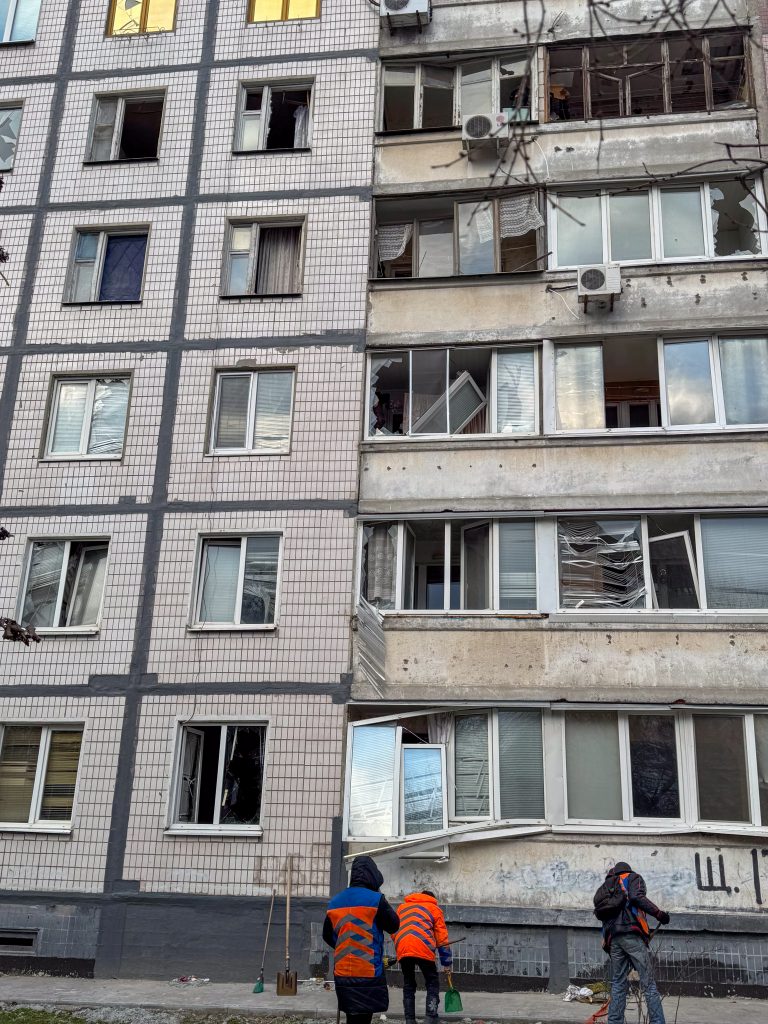
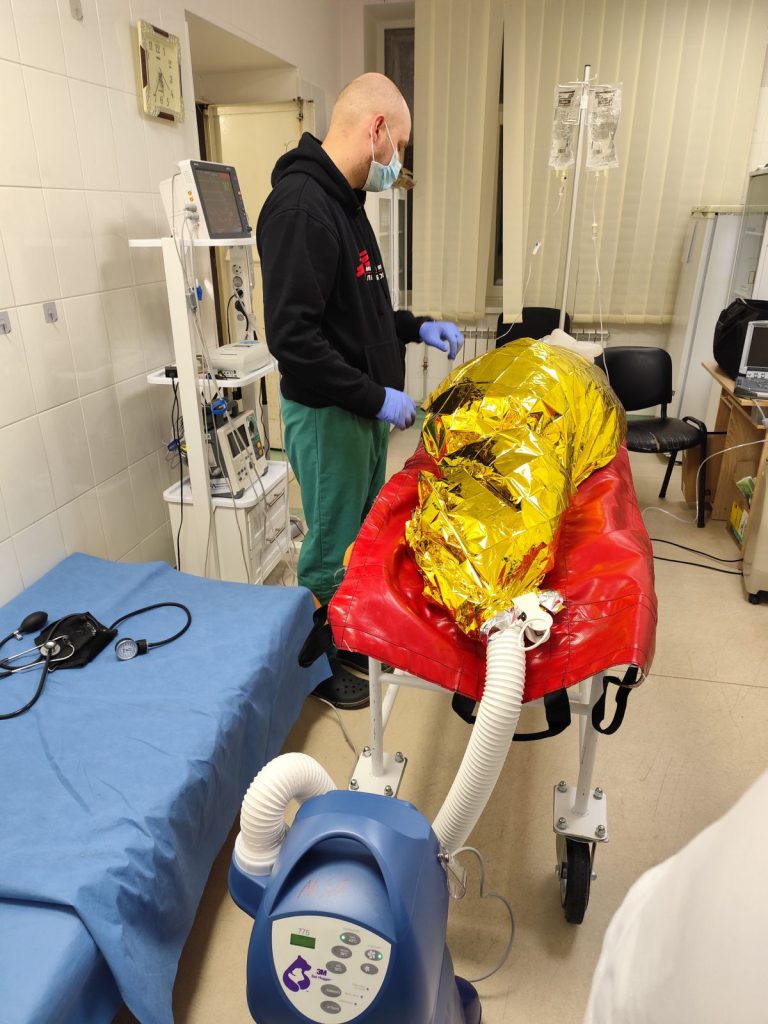
As temperatures drop as low as minus 20 degrees Celsius in Ukraine, Russian forces continue to bomb energy infrastructure, leaving millions with limited electricity, heating and running water. Médecins Sans Frontières (MSF) staff and patients alike are living and working without basic necessities, some in homes already damaged by strikes. Near the frontline, MSF teams are seeing patients with hypothermia, and a nationwide emergency has been declared as power outages continue across the country.
The majority of MSF’s patients in areas close to the frontline in Dnipropetrovsk, Donetsk, and Zaporizhzhia regions are over 50 years old and living with chronic conditions, which are now exacerbated by continued extreme cold and lack of proper shelter.
Today we were in a village that had an hour and a half of electricity for the whole day. Even our medical team was cold—imagine how the residents must feel. Prolonged exposure to extreme cold has a negative impact on people with chronic diseases. Patients have more difficulties in controlling their blood sugar levels and blood pressure; people with disabilities who cannot move to warm themselves are more vulnerable to hypothermia.
“It’s not just people who are living on the streets,” explains Roman Horenko, an MSF anaesthesiologist. “Due to power and heating outages, people cannot get warm in their own homes. We treated an older woman who had been lying at home for several days, struggling to move after suffering a stroke, eventually an ambulance brought her to the hospital in Dnipropetrovsk, where we treated her for dehydration and hypothermia.”
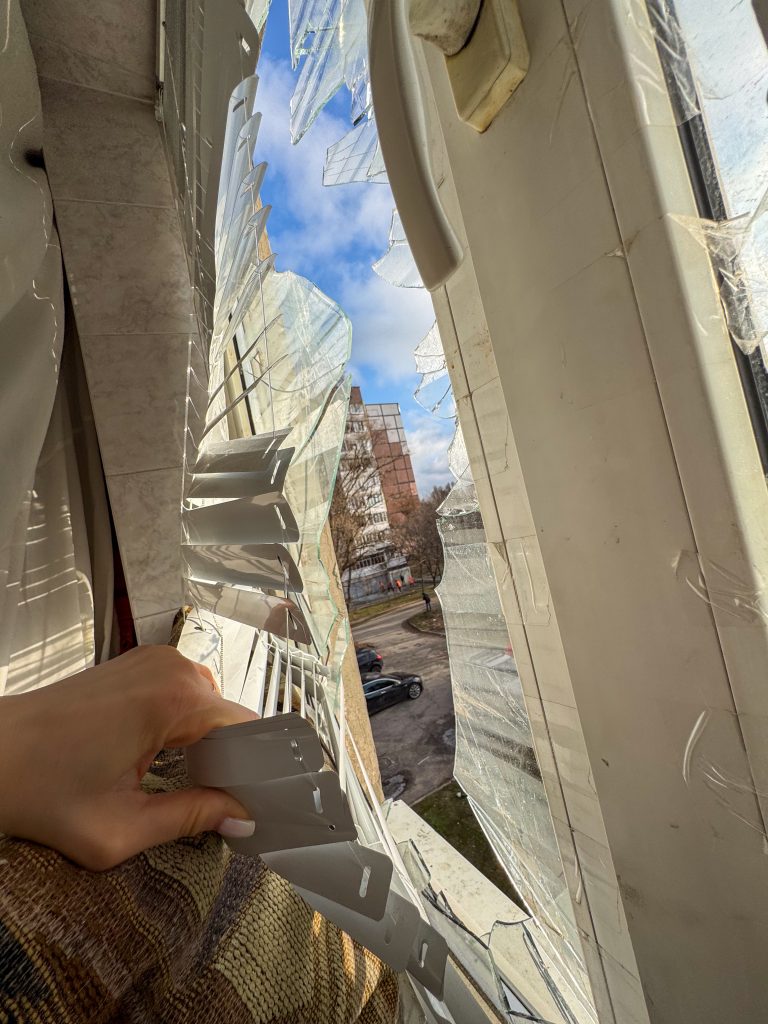
Our MSF colleagues in Ukraine are also facing these same hardships. Kseniia Lipynska, MSF procurement supervisor in Dnipro had her windows shattered during a drone strike.
“Drones attacked a nearby power station, and I saw the flames through the kitchen window,” says Lipynska. “The explosions were getting closer, so my parents and I sheltered in the hallway while the force of the strikes shattered our windows.”
During a pause between explosions, I ran to quickly put on some warm clothes. We covered the broken windows with boards, but it didn’t help. Now we block the windows with pillows and blankets. It's so cold inside that ice has formed on the blinds.
Kseniia Lipynska
MSF procurement supervisor in Dnipro
The level of destruction meted out to residential buildings is so widespread that reconstruction and rehabilitation can be slow. The additional costs due to inflation make some people question fixing their homes – knowing there is a chance it will be broken again.
Jokes and the exchange of memes in reference to the war are common in Ukraine, provide a coping mechanism for the fact that bombings and drone strikes damage homes, and wound or kill people, almost every day. Instead of saying good night to friends and family, many in Ukraine now wish one another a “silent night”, often in the vain hope that they will not face bombing before morning.
Further from the frontlines, from Vinnytsia to Kyiv, people continue to suffer from the nationwide power cuts, with some of the most extreme drops in temperature and power cuts in the capital.
“The last few weeks of life in Kyiv have been more like survival than living,” says Anhelina Shchors, MSF communication officer. “The feeling of constant cold haunts us, with temperatures reaching -20°Celsius outside, and no way to warm up at home. It seems that spring will never come.”
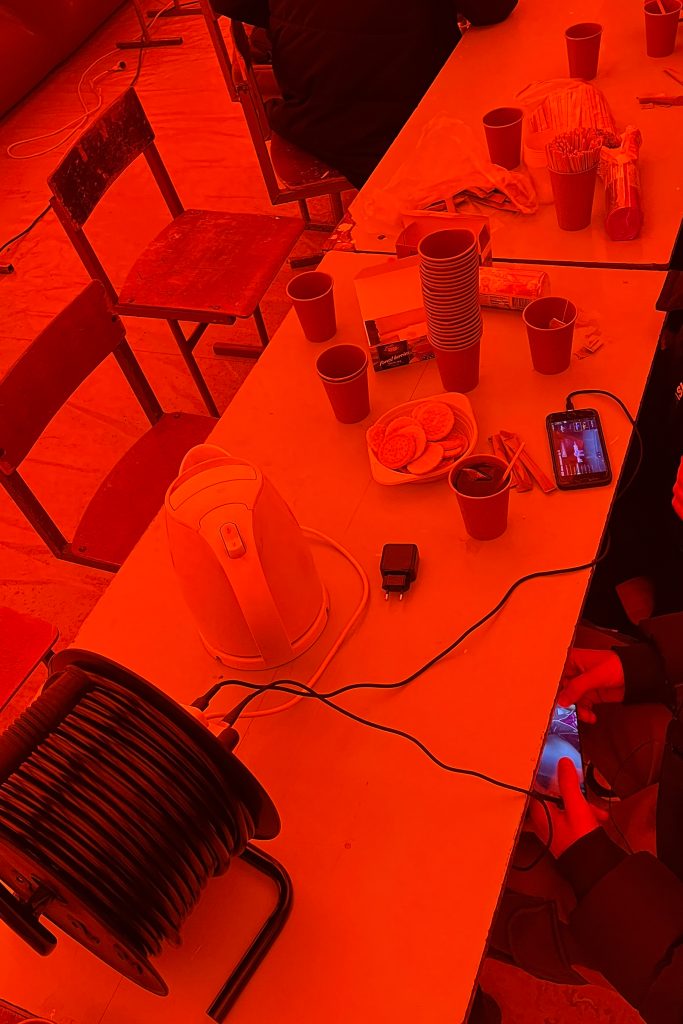
“Seeing mobile kitchens for those who can no longer make food at home is painfully reminiscent of images of Kyiv during World War II,” says Shchors.
Like many websites, MSF uses cookies to enhance your user experience. By continuing to navigate this site you are giving consent to the issue of these cookies. No, give me more info
This website uses cookies to improve your experience while you navigate through the website. Out of these cookies, the cookies that are categorized as necessary are stored on your browser as they are essential for the working of basic functionalities of the website. We also use third-party cookies that help us analyze and understand how you use this website. These cookies will be stored in your browser only with your consent. You also have the option to opt-out of these cookies. But opting out of some of these cookies may have an effect on your browsing experience.
Necessary cookies are absolutely essential for the website to function properly. This category only includes cookies that ensures basic functionalities and security features of the website. These cookies do not store any personal information.
Any cookies that may not be particularly necessary for the website to function and is used specifically to collect user personal data via analytics, ads, other embedded contents are termed as non-necessary cookies. It is mandatory to procure user consent prior to running these cookies on your website.