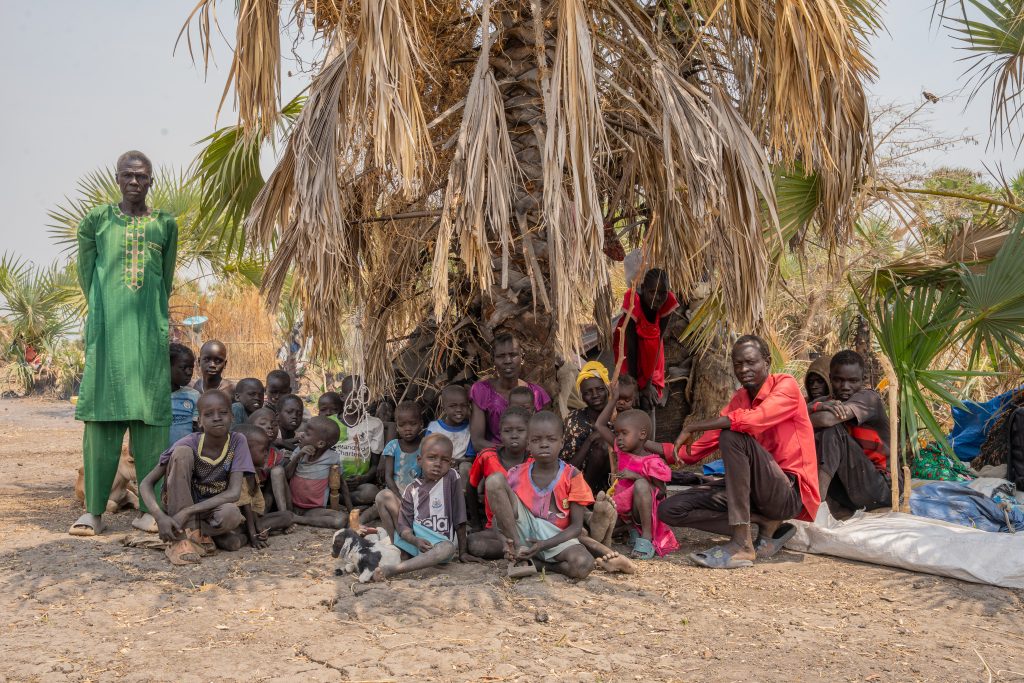
After escaping violent attacks in Jonglei and Upper Nile, thousands of people are surviving outdoors with little food, water, or medical care.
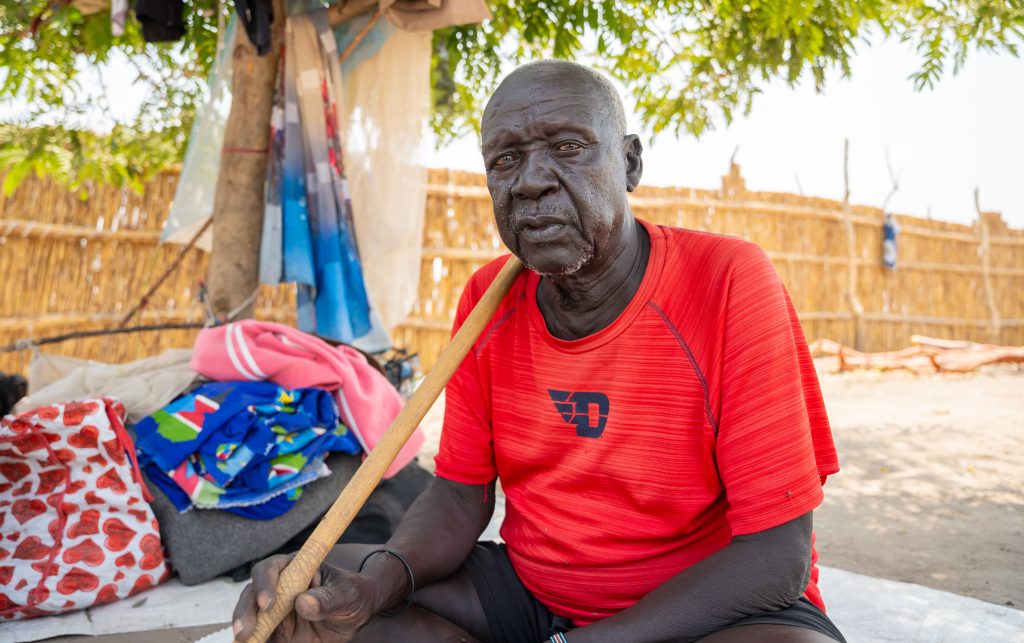
I have lived through many wars, but this kind of displacement has never happened before. I have never seen civilians’ homes burned to ashes on such a scale. We are now living under the trees.
Moses
77-year-old who fled his home in Lankien
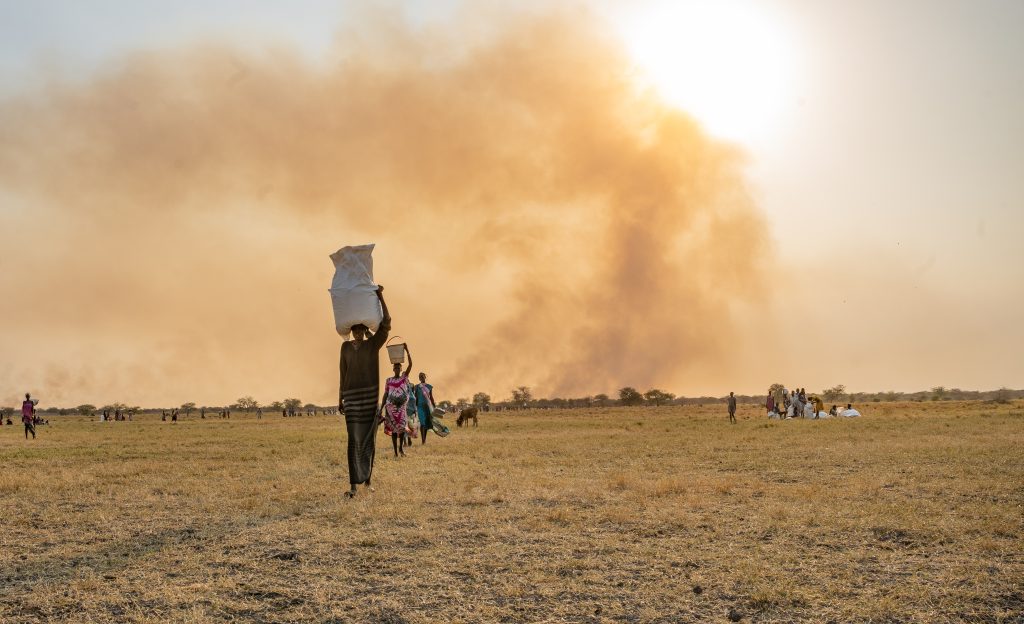
An escalation of violence between government forces and opposition groups in and around Lankien in Nyirol County, Jonglei State and along the Sobat River in Upper Nile, northeastern South Sudan, has forced tens of thousands of people from their homes. Many families fled on foot, walking for days, to escape attacks and burned villages. At least 25,000 people have sought refuge in Chuil town, Jonglei, and thousands more are scattered across surrounding villages and swamps. Others have moved to Nyangore and Barmach in Ulang County, Upper Nile, and an additional 28,000 people have arrived in Minkaman, Lakes State. Many had to flee multiple times. People arrive with nothing and are now living outdoors without any shelter, or in makeshift settlements without adequate food, clean water, or health care.
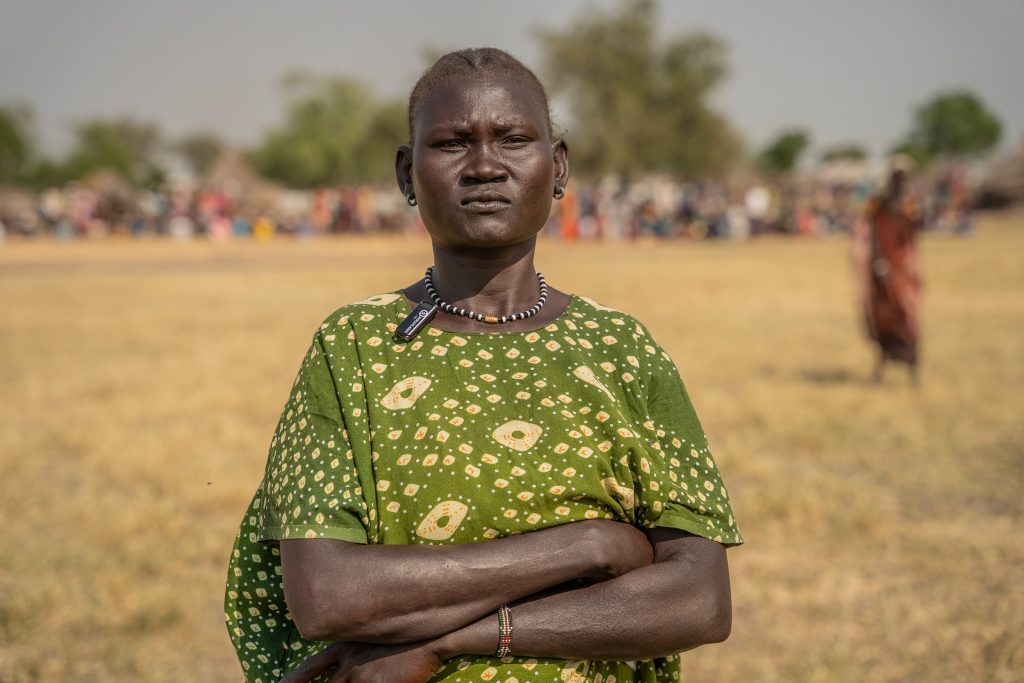
This situation is about life and death. At one point, we survived by boiling leaves from the trees and eating them. We had nothing else. The needs go beyond hospital care and medicine. We need food, water, and shelter. Without these, survival here will not be possible.
Nyamai
Mother of three living in an informal displacement site in Chuil
Scaling up activities to support thousands left without care
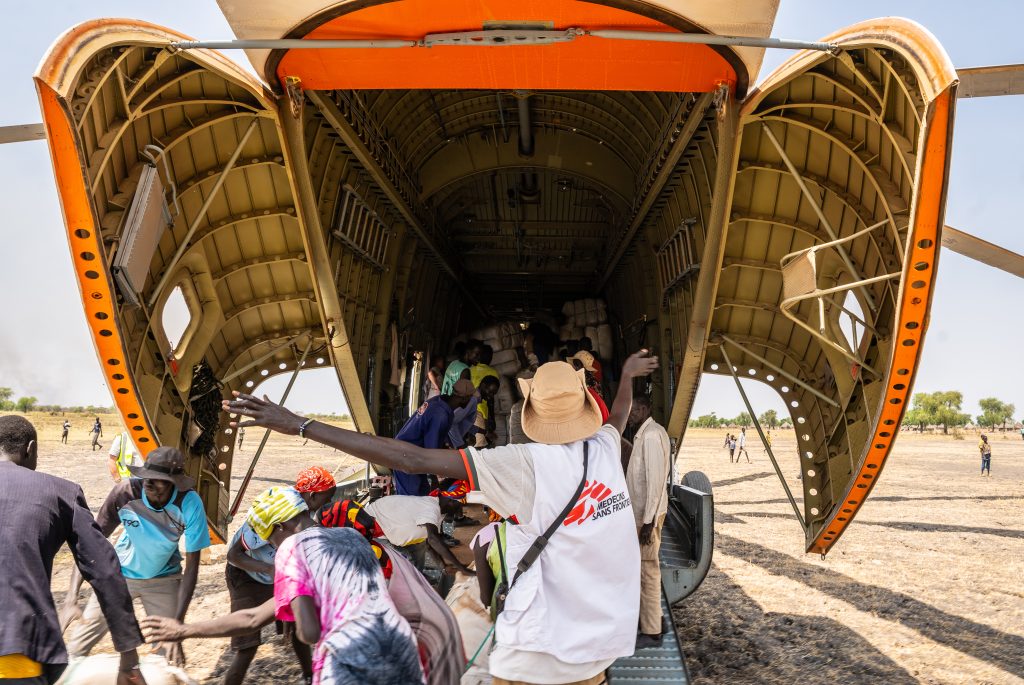
Doctors Without Borders/Médecins Sans Frontières (MSF) is scaling up medical and humanitarian support for people displaced in Ulang County, and in Chuil. In Chuil, MSF has upgraded the primary health care center (PHCC), increasing capacity to 60 beds to provide emergency care, malnutrition treatment, maternal health services, and trauma stabilization. Since late February, MSF teams have provided 2,200 consultations, admitted 172 patients to Chuil PHCC, and referred 16 for further treatment. Our teams also distributed non-food relief items – including mosquito nets, blankets, soap, jerry cans, sanitary pads, plastic sheeting and empty sandbags – to more than 1,500 families to help them cope with the harsh living conditions, with more distributions to follow. To help with water and sanitation services, MSF is building 300 latrines and constructing a water purification plant.
MSF teams also travel through swamps and rivers by boat to run mobile clinics in Yakuach, Tanakuacha and Pathiel, areas around Chuil. We have provided 1,349 medical consultations and have referred some patients needing higher-level care. More than 70 MSF staff members who were also displaced from Lankien are now supporting the response in Chuil. In the coming weeks, MSF will establish a health post in Tanakuacha, while our teams will continue running mobile clinics in Yakuach and Pathiel, providing referrals, mental health activities, outpatient consultations, and sexual and reproductive health activities.
Since early March, in Minkaman, Lakes State, MSF has provided 2,210 consultations to new arrivals from Jonglei through mobile clinics. We have also made medical donations to Minkaman PHCC and are reinforcing their capacity to respond to outbreaks. MSF water and sanitation teams have also drilled two boreholes, repaired broken hand pumps and are rehabilitating the surface water treatment plant and constructing emergency latrines.
Displaced by violence, left without protection
Humanitarian organizations are increasing activities in Chuil area and in Minkaman, but the response still falls short, and many remote communities remain without life-saving assistance. We call for an urgent and coordinated scale-up of other humanitarian actors, to reach people in the hardest-hit areas — especially those still cut off from aid. Without sustained support, the risk of disease outbreaks and further displacement could rapidly escalate into catastrophe.
Zakaria Mwatia
MSF Head of Mission in South Sudan
Major gaps remain, particularly in nutrition and water, sanitation, and hygiene, raising the risk of cholera and other waterborne diseases. Screenings by MSF in Chuil show alarming malnutrition levels: Of 1,263 children under five screened, 54 percent were acutely malnourished, while 21.5 percent of 609 screened pregnant and breastfeeding women were acutely malnourished. Referrals of complicated cases remain a challenge as well.
Continued attacks on civilians and health facilities
The crisis is unfolding in a region where access to health care was already limited. In 2025, the MSF-supported hospital in Ulang was looted and destroyed, and just last month, Lankien hospital was bombed, closing the two main referral hospitals for the region.
We are seeing a deeply alarming pattern of attacks on health facilities and health care workers, alongside violence against civilians. Chuil now hosts a large number of civilians who have fled fighting, including women, children, and the elderly. It also provides one of the few functioning health facilities in the area, and many aid organizations are coordinating their medical and humanitarian activities from there. It is essential that communities can access these services, and that humanitarian and medical workers can carry out their work safely and without restriction.
Tuna Turkmen
MSF emergency project coordinator
“In swampy areas around Lankien, thousands remain in dire conditions, still waiting for assistance,” said Turkmen. “People continue to arrive every day. Displaced MSF medical staff there are doing everything they can, but patients die due to lack of medicine. MSF has requested access from local authorities, so far without success.”
Humanitarian access remains limited and irregular, and safe, sustained, uninterrupted access must be guaranteed. MSF calls all parties to the conflict to take all feasible measures to spare civilians from the effects of hostilities. Civilians and civilian infrastructure, including healthcare, must never be targeted; direct attacks against them constitute serious violations of international humanitarian law. Any further escalation of fighting in or around Chuil would have devastating consequences for civilians sheltering there, severely disrupting life-saving medical and humanitarian assistance.
Like many websites, MSF uses cookies to enhance your user experience. By continuing to navigate this site you are giving consent to the issue of these cookies. No, give me more info
This website uses cookies to improve your experience while you navigate through the website. Out of these cookies, the cookies that are categorized as necessary are stored on your browser as they are essential for the working of basic functionalities of the website. We also use third-party cookies that help us analyze and understand how you use this website. These cookies will be stored in your browser only with your consent. You also have the option to opt-out of these cookies. But opting out of some of these cookies may have an effect on your browsing experience.
Necessary cookies are absolutely essential for the website to function properly. This category only includes cookies that ensures basic functionalities and security features of the website. These cookies do not store any personal information.
Any cookies that may not be particularly necessary for the website to function and is used specifically to collect user personal data via analytics, ads, other embedded contents are termed as non-necessary cookies. It is mandatory to procure user consent prior to running these cookies on your website.