

People living with HIV in Bihar face challenges such as lack of access to basic healthcare, financial and social isolation due to stigma, disease-associated unemployment, and rejection from society, family, and friends. Patients often have to bear the high costs of private care before receiving an HIV diagnosis, which can result in significant mental health burdens that impact their ability to access proper diagnosis, treatment, and adherence.
Since 2019, MSF has been providing holistic care to people living with advanced HIV care at Guru Gobind Singh Hospital (GGSH), Patna, Bihar, India. Patients with advanced HIV(People living with HIV are diagnosed with advanced HIV if they have a CD4 count of less than 200 cells/mm3 or if they have certain opportunistic infections of WHO stage 3 or 4 in adult and adolescent ar all children younger than 5 years old.) have an extremely high mortality rate, with complex treatment needs covering nutrition, infection, mental health and psychosocial support.
MSF has been working in collaboration with the government to reduce the mortality and morbidity in this group of patients through increasing access to holistic care for those presenting with life-threatening opportunistic infections. Read below to learn about what MSF has been doing in Bihar.
Rakesh’s story
Rakesh* reflects on his journey with HIV—a path marked by immense emotional and physical challenges but also resilience, hope, and transformation. Diagnosed in 2004, the news felt like the ground had vanished beneath his feet. The stigma was crushing, and accessing care became a daily struggle, compounded by financial strain and the demands of daily wage work. Yet, his family’s unwavering support became his first light in the darkness.
In 2005, after years of battling deteriorating health, Rakesh began treatment, but the journey was far from easy. Traveling between Delhi and Bihar for care meant exhausting journeys and sacrifices, yet he persevered. Over time, he regained strength and began to rebuild his life. In 2020, during a critical hospitalization for gallbladder stones and jaundice, MSF’s team became his lifeline. Their slogan, ‘Garima ki Kiran’ (Ray of Dignity), reflected the compassion he received.
Living with HIV taught Rakesh resilience. He survived years without treatment, battled life-threatening complications, and faced societal stigma head-on. Today, he openly shares his story to break the silence and stigma surrounding HIV, inspiring others to live with hope and dignity. His message is clear: HIV is a chronic condition like any other. With proper medication, timely treatment, and a disciplined lifestyle, people living with HIV can lead fulfilling lives.
Read Rakesh’s story here
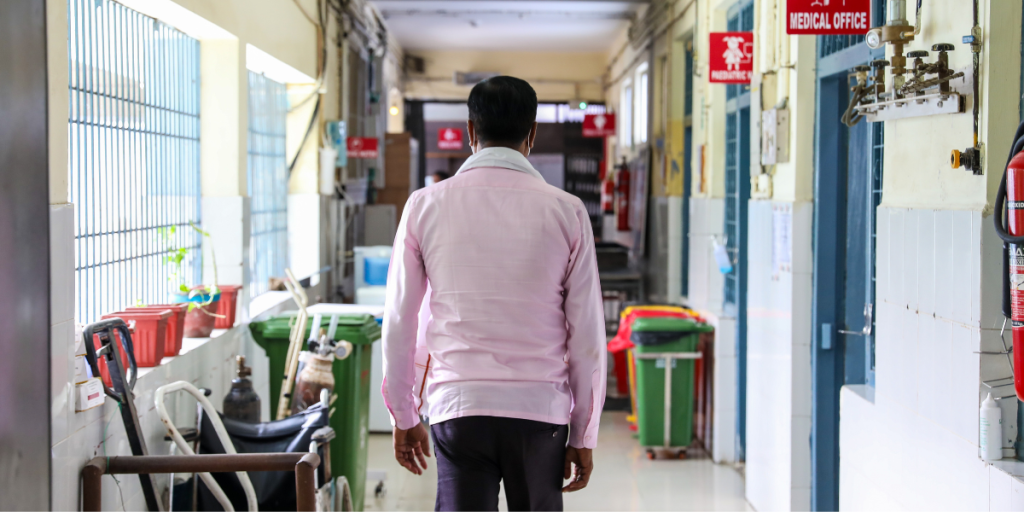
A Caregiver’s story of hope and strength
Ramila’s journey as a caregiver has been one of strength and resilience. Her husband, living with HIV, faced repeated misdiagnoses and the harsh reality of stigma and discrimination in their community. Despite financial and emotional hardships, Ramila remained determined, caring for her family and seeking the support they needed.
When they reached Doctors Without Borders/Médecins Sans Frontières (MSF)’s Advanced HIV Care Center at Guru Gobind Singh Hospital in Patna, Bihar, they received more than just medical treatment—they found emotional support and education that empowered them. Through this comprehensive care, Ramila discovered that HIV can be managed effectively with the right knowledge and support.
Her story reminds us all why standing against stigma and supporting people living with HIV with compassion and dignity is so important.
Watch Ramila’s story below
Social Vulnerability Assessment (SVA)
At MSF’s Advanced HIV Care Center at Guru Gobind Singh Hospital in Patna, Bihar, the Social Vulnerability Assessment (SVA) helps us understand the complete picture of each patient’s life—their challenges, living conditions, and the stigma they face.
Through one-on-one conversations, we create personalized care plans that include clinical treatment, nutrition, mental health support, and social services. This holistic approach ensures no patient falls through the cracks, improving health outcomes and saving lives.
Watch this video to see how SVA is transforming care for people living with HIV
Mental health support at Guru Gobind Singh Hospital in Patna
“Mental health is not just a department here; it’s a vital part of holistic care.”
HIV recovery is more than just medical treatment—it’s about nurturing mental health, resilience, and dignity. At the Doctors Without Borders/Médecins Sans Frontières (MSF)’s Advanced HIV Care Center at Guru Gobind Singh Hospital in Patna, Bihar, mental health counsellors play a crucial role in supporting people living with HIV. They help patients face stigma, build emotional strength, and regain hope.
For children, therapies like art and mindfulness provide a safe space to express themselves and grow with confidence. These compassionate, holistic approaches are transforming lives and showing that healing goes beyond physical health.
Hear from our mental health counsellors and learn how they support people living with HIV every day.
MSF unveils anti-stigma wall mural to mark World AIDS Day
On World AIDS Day, Médecins Sans Frontières/Doctors Without Borders (MSF) India, in collaboration with Bihar State AIDS Control Society (BSACS) and Guru Gobind Singh Hospital (GGSH), unveiled a wall mural at Garima Ki Kiran Clinic, the advanced HIV centre within GGSH. The mural carries a message to dispel myths and challenge stigma around HIV. Advancements in HIV treatment have ensured that people living with HIV (PLHIV), adhering to treatment, not only live normal lives but also prevent transmission of the virus to others, including mother-to-child transmission during pregnancy. Yet, the stigma faced by people living with HIV continues to affect their ability to access and adhere to treatment.
The mural, created by artist Ravi Shankar, reflects the power of community participation and science in responding to HIV. It is part of MSF’s ongoing efforts to raise awareness about the challenges faced by people living with HIV and to promote empathy, awareness and community resilience. It also highlights MSF’s comprehensive care approach, which includes a strong focus on nutrition, mental health support and social support that help patients navigate the socio-economic barriers to treatment.
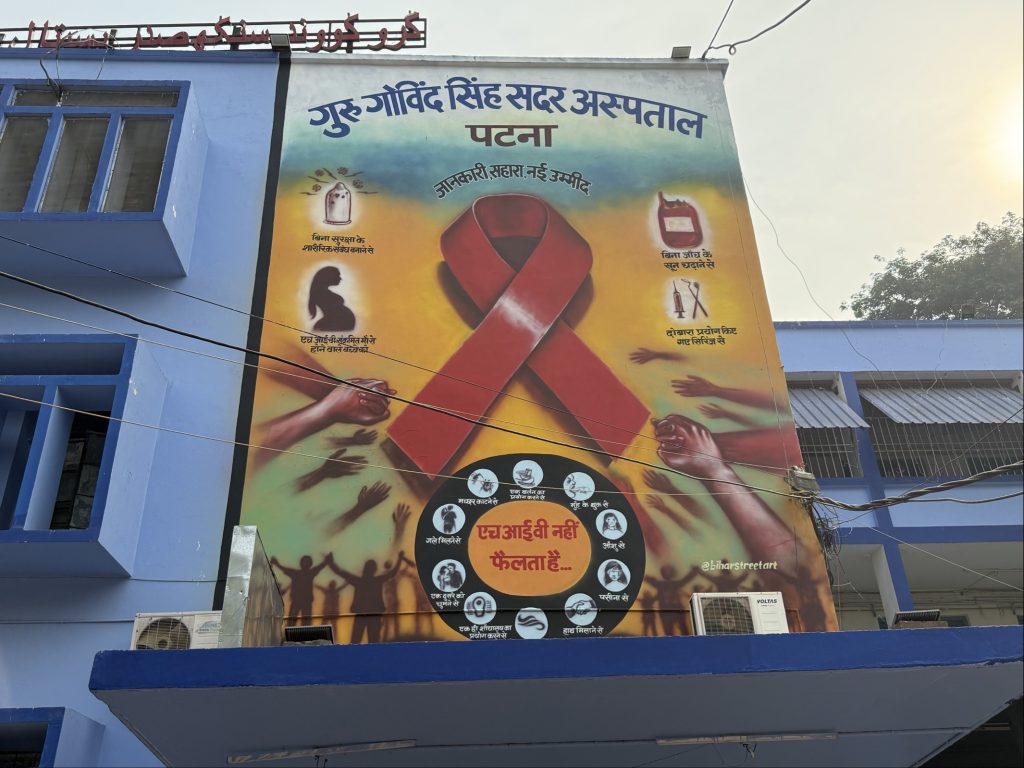
Apart from unveiling the Wall Mural, MSF carried out a series of awareness and community-engagement activities in Patna. These included information booths and street plays to spread awareness and promote emotional support among people living with advanced HIV. MSF also ran an awareness campaign with promotional vehicles, conducted district-level outreach, and set up an interactive selfie stand for community participation.
Learn more about the activities on World AIDS Day