

“Good morning, Tikamaya community. Doctors Without Borders and the Ministry of Health invite you to participate in the vaccination campaign we will be carrying out in your community. We are vaccinating children under five years old”, repeats Wendy, an MSF community educator, through a megaphone as she walks along the wide dirt and mud streets.
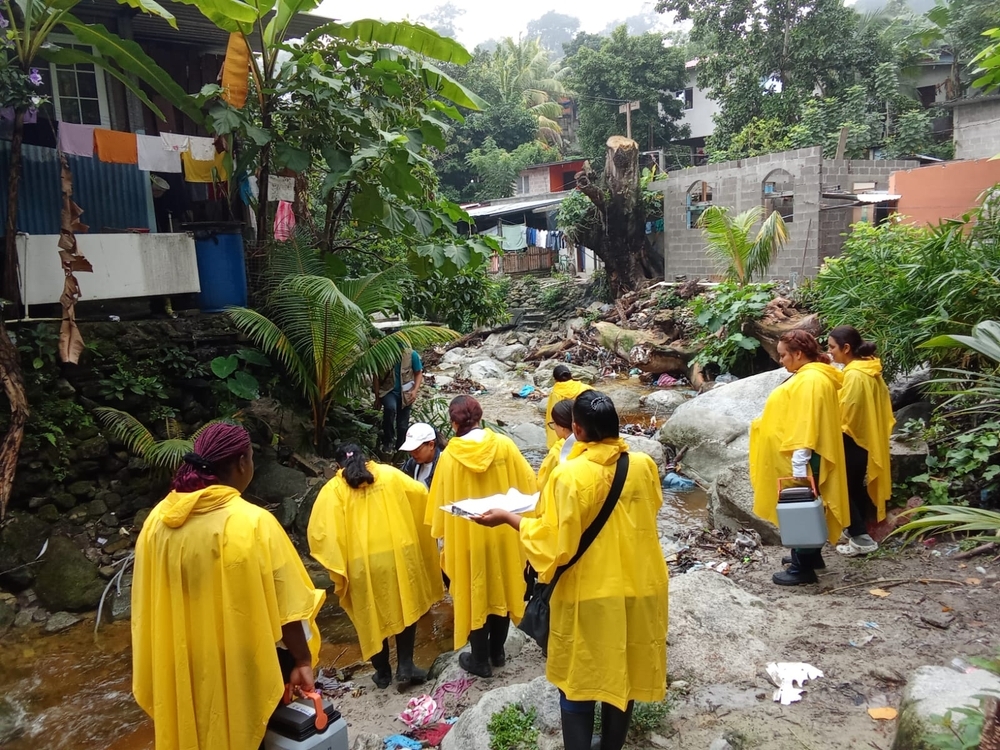
Tikamaya was one of 17 communities visited by vaccination brigades from Doctors Without Borders/ Médecins Sans Frontières (MSF) and the Ministry of Health (SESAL) at the end of 2025. Located 40 minutes from San Pedro Sula, Tikamaya is highly vulnerable to rainfall and with limited access to health services, it is one of the most populated municipalities in Honduras with an estimated 1,260,000 inhabitants in 2025, of whom an estimated 62,000 are under 5 years old.
Over the past year, the Ministry indicated that vaccination coverage within this population fell below the threshold required to ensure herd immunity. Children, for example, have been exposed to outbreaks of vaccine-preventable diseases including reports of deaths from whooping coughs in children under 5 years old, cases of chickenpox, neonatal tetanus, and suspected cases of measles.
The vaccination brigades were conducted between November and December by a 41‑member MSF team including nurses, nursing assistants, community educators, and motorcyclists, working together with SESAL in Tikamaya and 16 other communities identified by health authorities as needing intervention.
Figures achieved in the first phase
During the first phase, the teams experienced resistance, rejection, and fear from people during vaccine promotion, especially regarding their application to children. “There is a lot of misinformation, many myths that have been circulating and have increased since the COVID pandemic. As a result, mothers no longer want to vaccinate their children for fear of complications or because they are not sure if we are really administering the vaccines we claim”, Asencio points out.
In this first phase of vaccinations 1,692 children were found, of whom 481 (28%) had completed their vaccination schedule. A total of 669 children were immunized, equivalent to 68% coverage among the children identified, including 86 children with delayed vaccination schedules. This highlights the importance of continuing to strengthen the vaccination coverage strategy. During the house-to-house visits, 175 children were found to be home alone or in the care of adolescents, meaning they were unable to receive vaccines due to the lack of parental consent, representing 10%. Additionally, there were a total of 367 (22%) refusals to vaccinate.
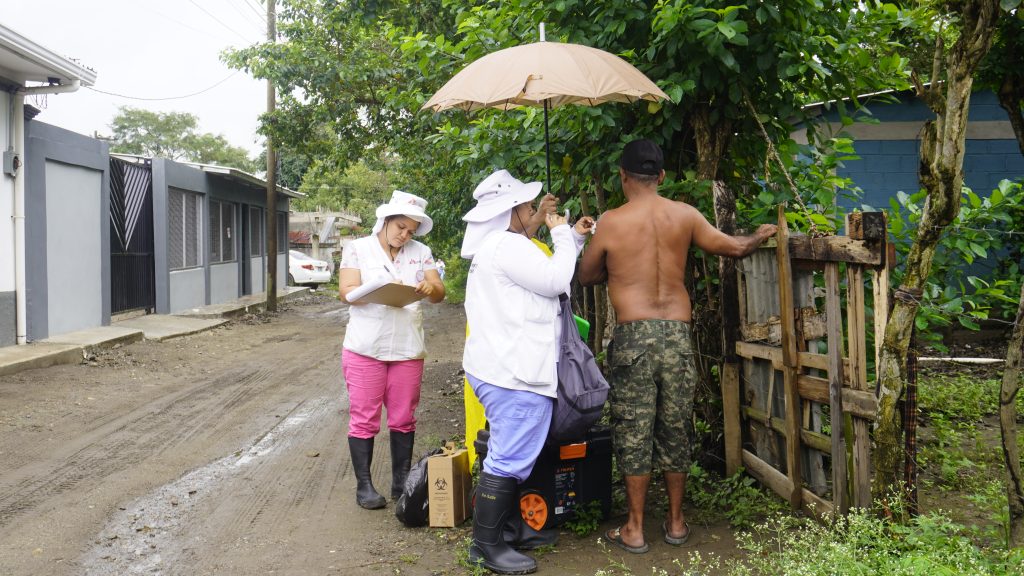
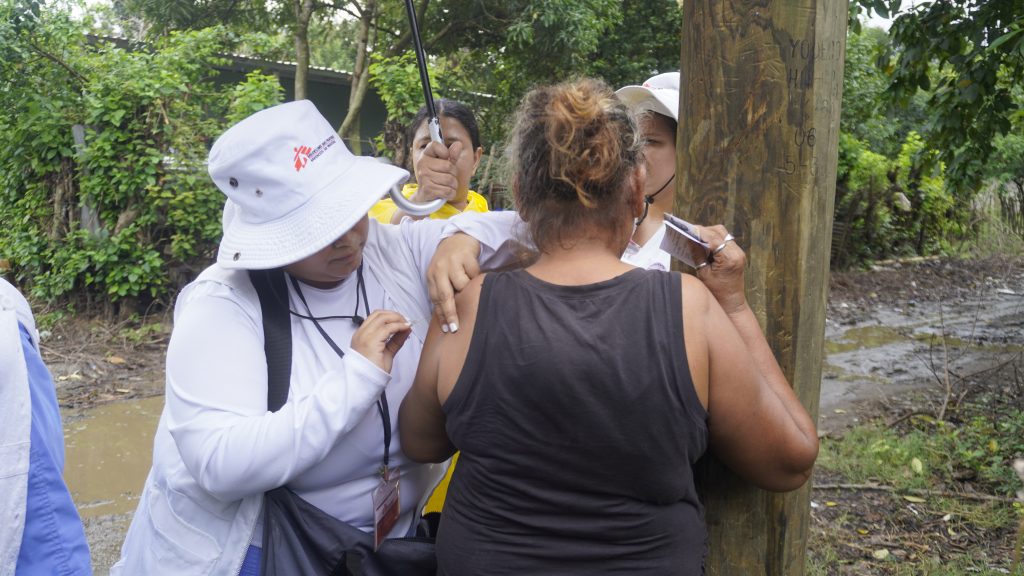
To better understand vaccine hesitancy, MSF conducted a survey to identify the underlying reasons. As a mitigation measure, for the second phase of vaccination, which began in late January 2026, an MSF health promotion team was formed to conduct education and awareness sessions in the community with community leaders, trustees, and others in the days leading up to the arrival of the brigades, in order to ensure a better reception of the vaccines.
“The first phase was quite difficult because we did see a lot of hesitancy, and it saddened us to see that children weren’t being vaccinated, despite our attempts to explain, people were very reluctant. But in this second phase, now that we’ve [sensitized] the community, we’ve seen a change. We’re observing that holding these workshops and educational and awareness-raising talks are really helping us because people are now waiting for us, they know about the vaccines, and they accept them”, adds Asencio.
In addition to administering vaccines, the teams also carried out other activities such as vitamin A supplementation and deworming medication for children between the ages of 2 and 5. They also monitored the nutritional status of the children, identifying cases of acute and moderate malnutrition, which were referred to the corresponding health center. Furthermore, more than 2,106 adolescents and adults received Influenza vaccines and measles booster shots.
“MSF remains committed to closing the vaccination gaps among children, adolescents, and adults in cooperation with authorities and key stakeholders in the municipality of San Pedro Sula to improve access to these health services. Vaccination is one of the most important and essential ways to prevent epidemic outbreaks in the region; vaccine refusal is a barrier that can only be overcome through the inclusion of communities in the process”, Asencio concluded.