“If I hadn’t known about this disease, it would have worsened. Then who knows whether treatment would have been possible?” says Muhammad Rahim, his voice low as he sits outside the consultation room at the Médecins Sans Frontières (MSF) tuberculosis (TB) clinic in the Rural Health Centre of Baldia.
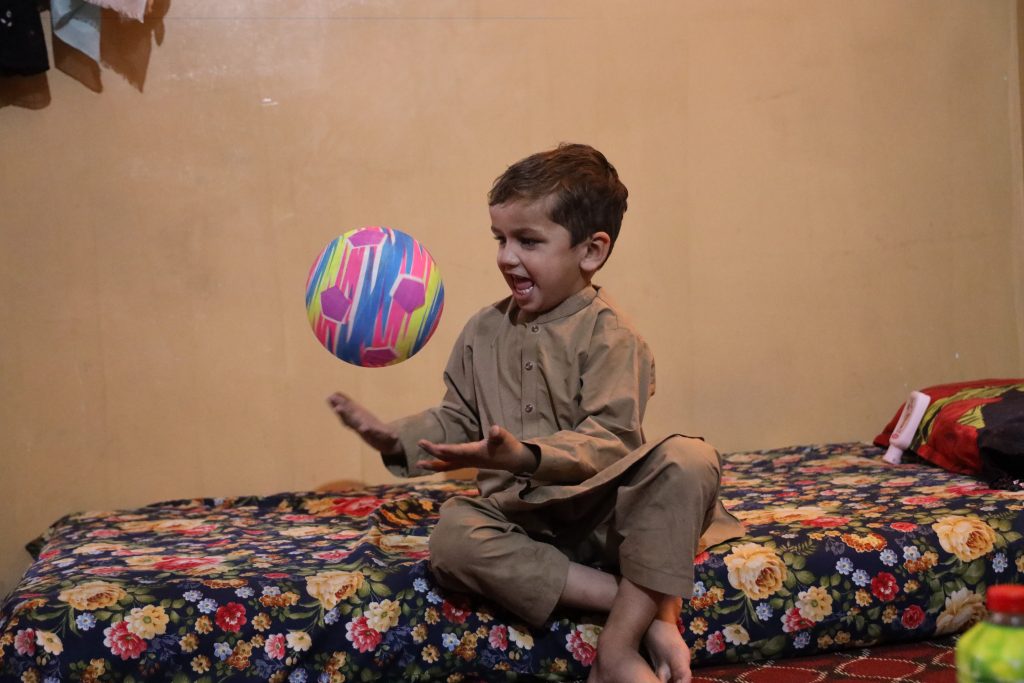
Nearby, his six-year-old son Mustafa swings his legs on a wooden bench, his mask slightly crooked as he tries to hide a shy smile. Only two weeks have passed since he completed treatment, yet his energy is already returning. Rahim, a father of two and a daily-wage labourer originally from Khyber Pakhtunkhwa and now living in Hafizabad, Karachi, recalls months of worry that led them from one doctor to another.
The road to recovery was far from straightforward. Mustafa’s illness began with chest pain and fever.
The doctors used to give medicines, but no proper tests were done. They gave cough syrup, and if he had a fever, they gave injections. But he was not getting better. Even if he improved for two days, the same symptoms came back, including tiredness, sweating and weakness.
Rahim
Father of 6y/o patient Mustafa
Their struggle is common in Baldia, a densely populated area of Karachi’s Keamari district, which has the lowest TB case detection rate among the seven districts of Karachi.
Pakistan is among the top five countries contributing to the global TB burden, with an estimated 670,000 new cases reported in 2024, around 6.3 percent of the world’s total. Children are especially at risk, with around 67,000 paediatric TB cases reported in 2023, about 14 percent of all cases. Many more remain undiagnosed.
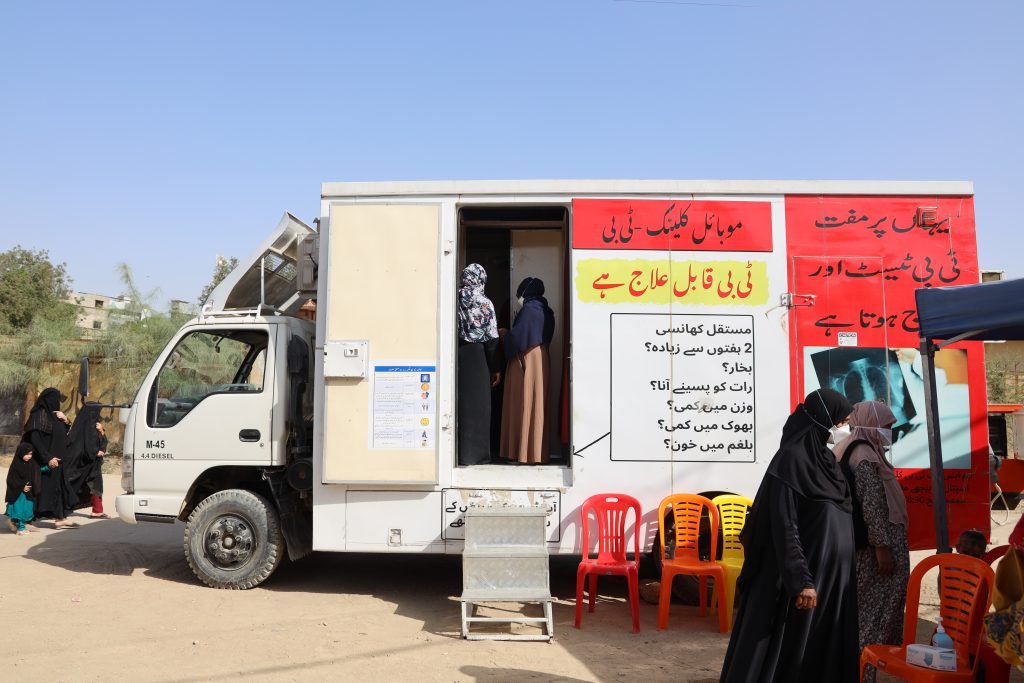
MSF began supporting TB services in Baldia in early 2025, strengthening access to testing and early diagnosis so that families no longer need to travel across the city to larger hospitals. As part of the outreach activities the team organise ‘chest camps’. These are mobile sites where people are invited for free TB screening without the need to visit a health facility, aiming to reach those who may not otherwise seek care, especially children. Rahim brought Mustafa for a check-up, not expecting much after their previous experiences.
“At the camp, we found out that Mustafa had TB. After that, all of us, me, my wife, and my other son were screened. Thankfully, nobody else tested positive. Then we started his treatment, and now he is absolutely fine,” Rahim says.
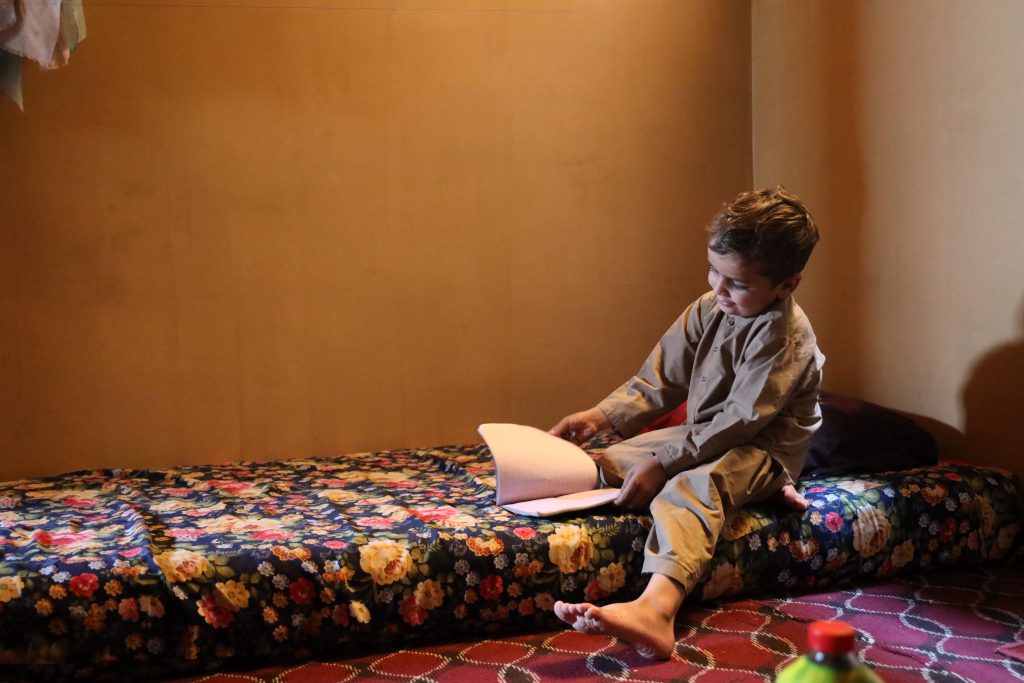
For six months, the family cared for Mustafa at home while he underwent treatment. “We did not allow him to go out and asked him not to sit with other children. He slept in a room with a window so fresh air could come in,” Rahim explains. Having seen his own mother struggle with TB three years ago, he knew how important it was to follow the advice given by the medical team.
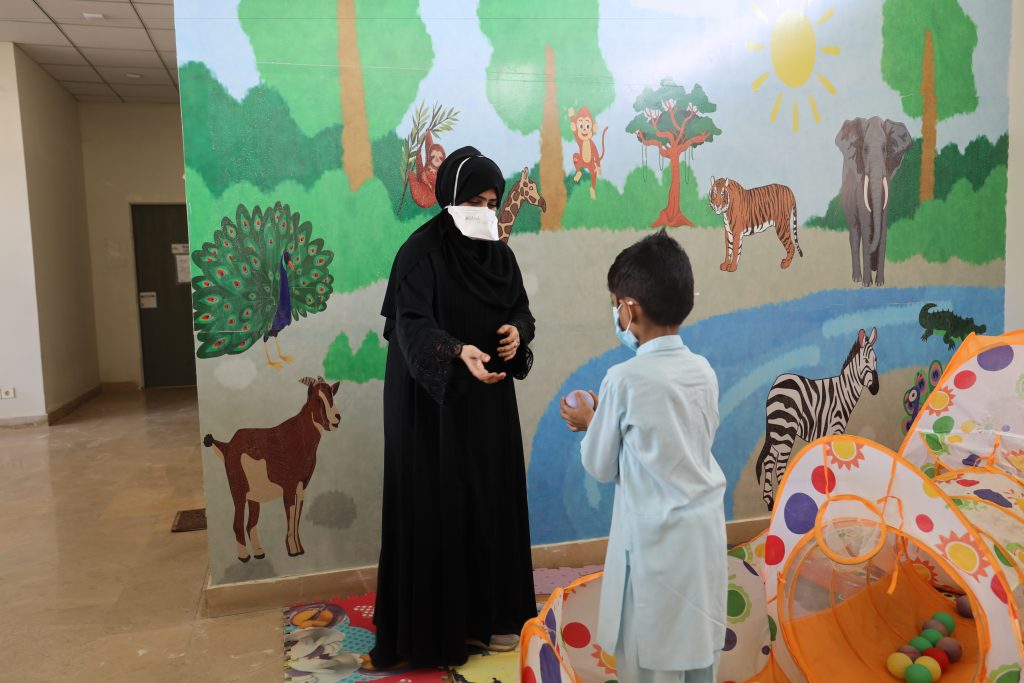
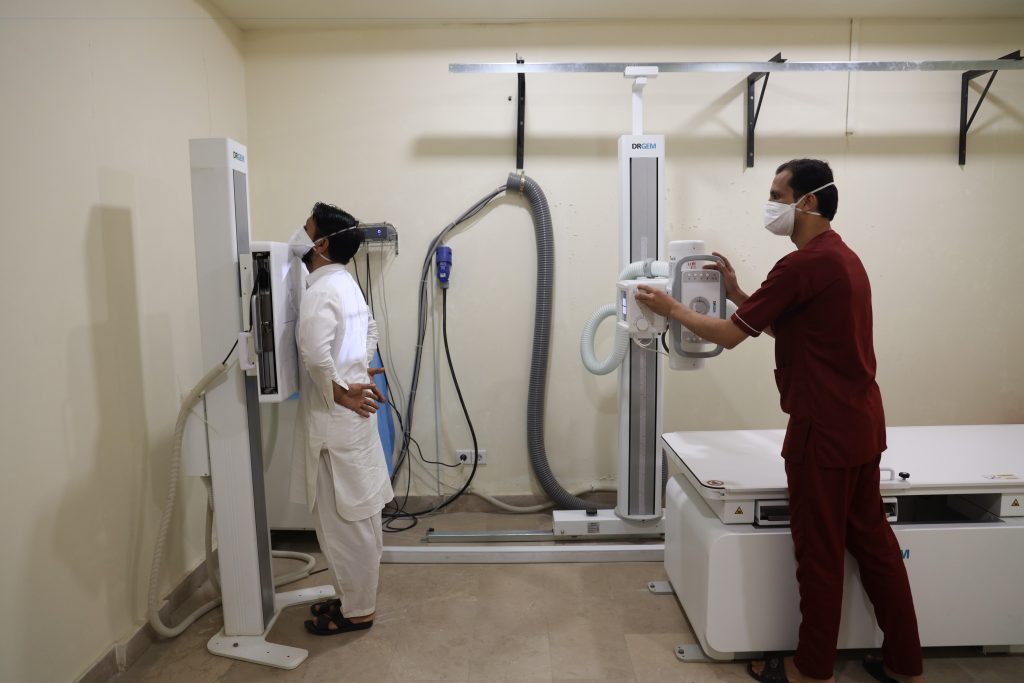
To improve access to TB care in Baldia, MSF uses a decentralised model at the Rural Health Centre. People can receive a diagnosis and be treated close to where they live instead of travelling to big hospitals. All essential services, including consultations, health promotion sessions, chest X-rays, and GeneXpert testing using stool and sputum samples, as well as screening for other health conditions such as hepatitis C and HIV, are available in one place. Families do not have to deal with long trips or complicated procedures. They can simply come to their local health centre and get help.
Since the project began, the MSF clinic has quickly become a vital service in a district of nearly two million people. In the first 10 months, the team enrolled 218 patients on treatment and conducted 2,235 consultations, while screening 2,904 individuals for TB through community chest camps. In addition, 372 household contacts of TB patients were traced, and 174 of them were initiated on TB preventive treatment, contributing to better early detection and care in Baldia.
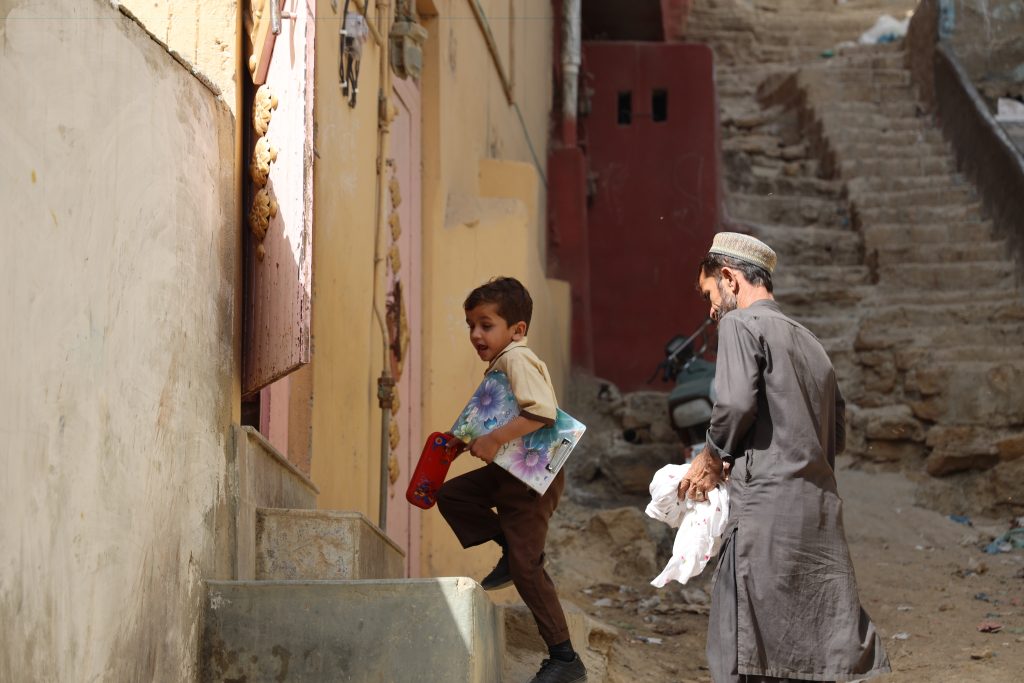
Watching Mustafa bounce with impatience to go home, Rahim smiles. “He’s back at school and wants to play cricket again. I hope he will become a doctor and treat others the way he was treated here. If he studies, he will be able to tell others that TB treatment can be done this way.”
Like many websites, MSF uses cookies to enhance your user experience. By continuing to navigate this site you are giving consent to the issue of these cookies. No, give me more info
This website uses cookies to improve your experience while you navigate through the website. Out of these cookies, the cookies that are categorized as necessary are stored on your browser as they are essential for the working of basic functionalities of the website. We also use third-party cookies that help us analyze and understand how you use this website. These cookies will be stored in your browser only with your consent. You also have the option to opt-out of these cookies. But opting out of some of these cookies may have an effect on your browsing experience.
Necessary cookies are absolutely essential for the website to function properly. This category only includes cookies that ensures basic functionalities and security features of the website. These cookies do not store any personal information.
Any cookies that may not be particularly necessary for the website to function and is used specifically to collect user personal data via analytics, ads, other embedded contents are termed as non-necessary cookies. It is mandatory to procure user consent prior to running these cookies on your website.