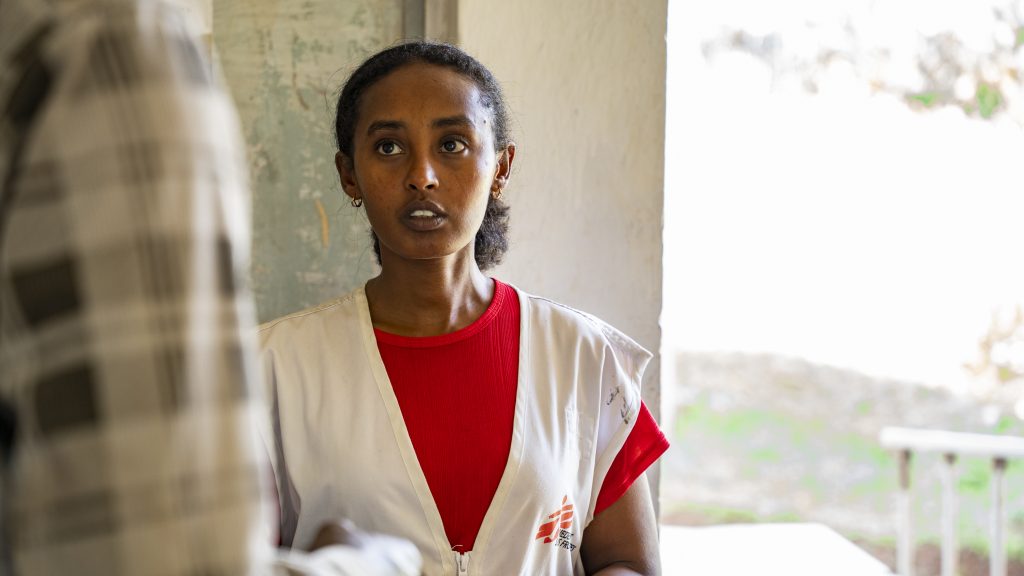
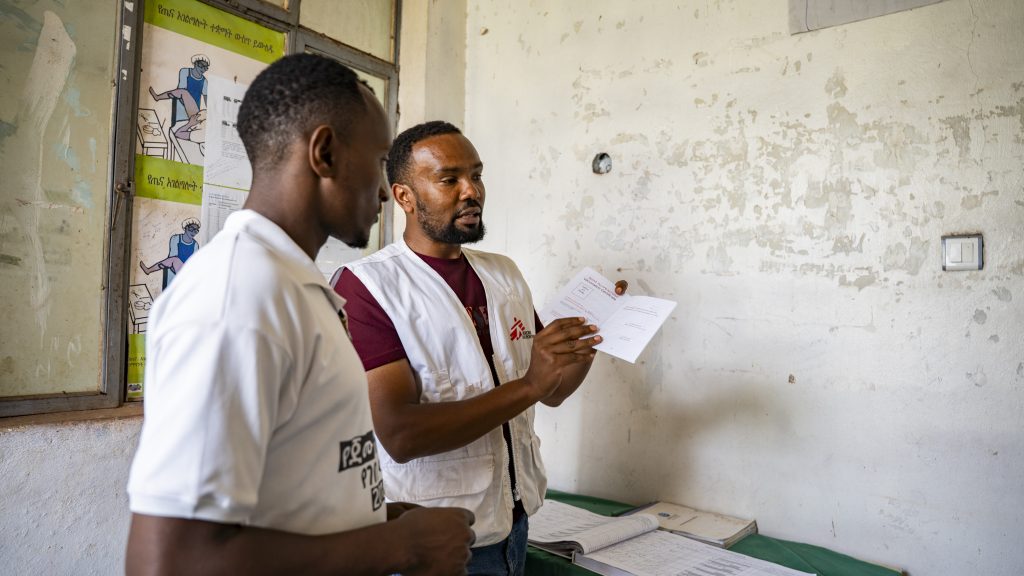
Addis Ababa, Ethiopia – February 2025: Médecins Sans Frontières (MSF) has launched a new emergency health project in South West Ethiopia Region, marking the beginning of a stable operational Emergency presence in the Southwest Region. The project started in 2025 following assessments that identified unmet medical needs in a region home to more than three million people and highly vulnerable to recurrent outbreaks of malaria, measles, cholera, and other infectious diseases.
The new MSF project aims at establishing an agile response capacity in a region with remote communities, particularly vulnerable during recurrent outbreaks and health emergencies. Through this intervention, MSF aims to strengthen the capacity of the local health system to prevent, detect, and respond to outbreaks while improving access to quality, free healthcare.
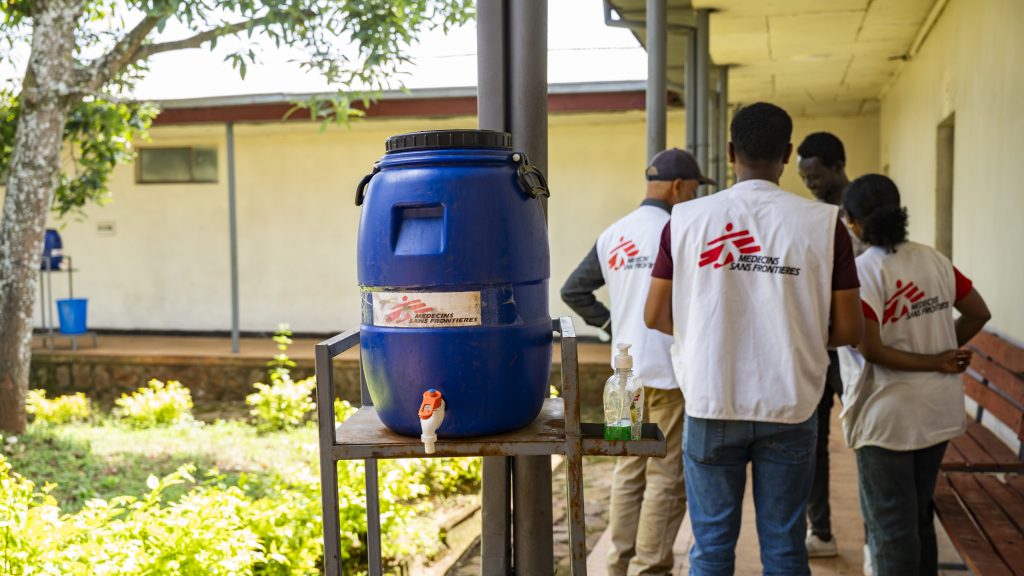
MSF currently supports Jemu and Aday Ababa Health Centers and Bachuma Primary Hospital, with a focus on strengthening referral capacity, emergency preparedness, infection prevention and control (IPC), and water, sanitation, and hygiene (WASH). Activities are implemented in close collaboration with the Ministry of Health and the local health authorities, reinforcing coordination and long-term health system resilience.
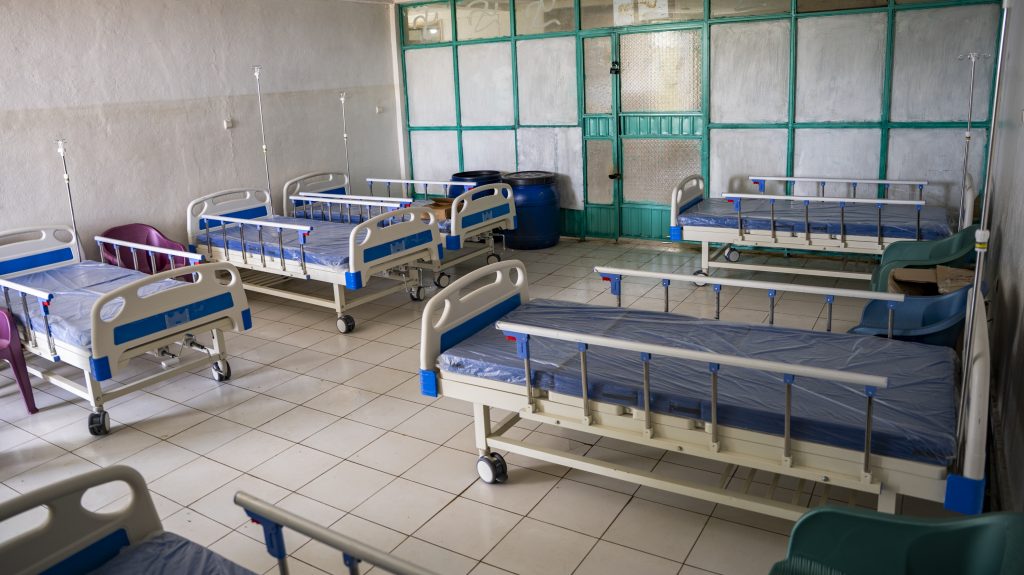
Key interventions include the establishment of an IPC committee with regular coordination meetings, the provision of hygiene materials, personal protective equipment (PPE), and waste management supplies, and major improvements to water systems through infrastructure rehabilitation and the installation of solar-powered water supply systems. At Bachuma Primary Hospital, MSF has established a six-bed isolation ward to enable the rapid and safe management of suspected infectious cases.
Emergency and referral care have also been strengthened through donations of essential medicines, medical supplies, and biomedical equipment, supporting the provision of healthcare services free of charge. These efforts are complemented by capacity building for Ministry of Health staff, support to routine health data collection, and community-level hygiene promotion and engagement activities.
Through this new project, MSF is building a stable presence in the Southwest Region to support communities that face repeated health emergencies and limited access to
care. By working alongside local authorities and health staff, we aim to strengthen outbreak preparedness, improve infection prevention, and reinforce essential health services for the population.
Overall, MSF’s support is contributing to improved outbreak preparedness, stronger infection prevention systems, and more resilient health services across the supported facilities in the South West Region.
Médecins Sans Frontières (MSF) is an international, independent medical humanitarian organization that delivers emergency aid to people affected by armed conflict, epidemics, natural disasters, and exclusion from healthcare.
Like many websites, MSF uses cookies to enhance your user experience. By continuing to navigate this site you are giving consent to the issue of these cookies. No, give me more info
This website uses cookies to improve your experience while you navigate through the website. Out of these cookies, the cookies that are categorized as necessary are stored on your browser as they are essential for the working of basic functionalities of the website. We also use third-party cookies that help us analyze and understand how you use this website. These cookies will be stored in your browser only with your consent. You also have the option to opt-out of these cookies. But opting out of some of these cookies may have an effect on your browsing experience.
Necessary cookies are absolutely essential for the website to function properly. This category only includes cookies that ensures basic functionalities and security features of the website. These cookies do not store any personal information.
Any cookies that may not be particularly necessary for the website to function and is used specifically to collect user personal data via analytics, ads, other embedded contents are termed as non-necessary cookies. It is mandatory to procure user consent prior to running these cookies on your website.