

Under-equipped health facilities, staff shortages, recurrent epidemics, and food insecurity continue to affect people’s health in Cameroon’s Far North region, which is also affected by the ongoing Lake Chad Basin crisis.
Attacks, displacement, and food insecurity have become part of the daily life of some communities in Cameroon’s Far North region, who have been living with the consequences of a prolonged conflict for more than a decade.
Hawa Marie is among the thousands of people forced to flee their homes due to ongoing violence along the border between Cameroon and Nigeria. The Lake Chad Basin crisis, which began in Nigeria in 2009, has spread across the region, affecting Cameroon’s Far North, western Chad, and south-eastern Niger.
According to UNHCR, more than 3.6 million people have been displaced, including over 500,000 in Cameroon. Displaced families face precarious living conditions, limited access to healthcare, and chronic food insecurity.
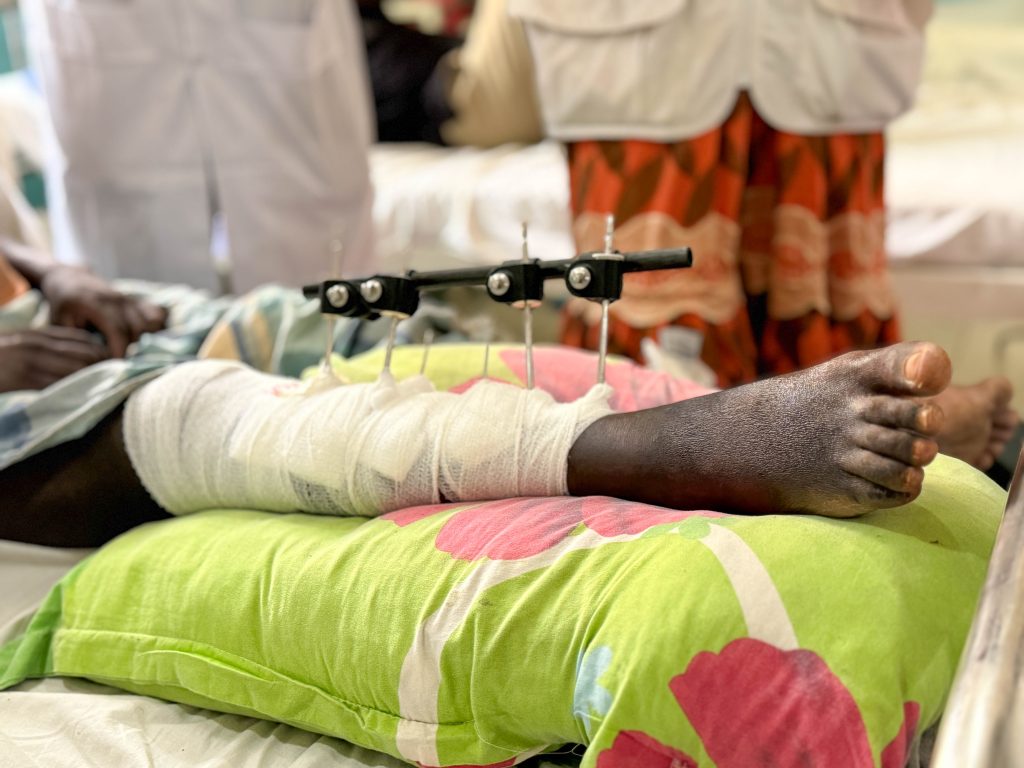
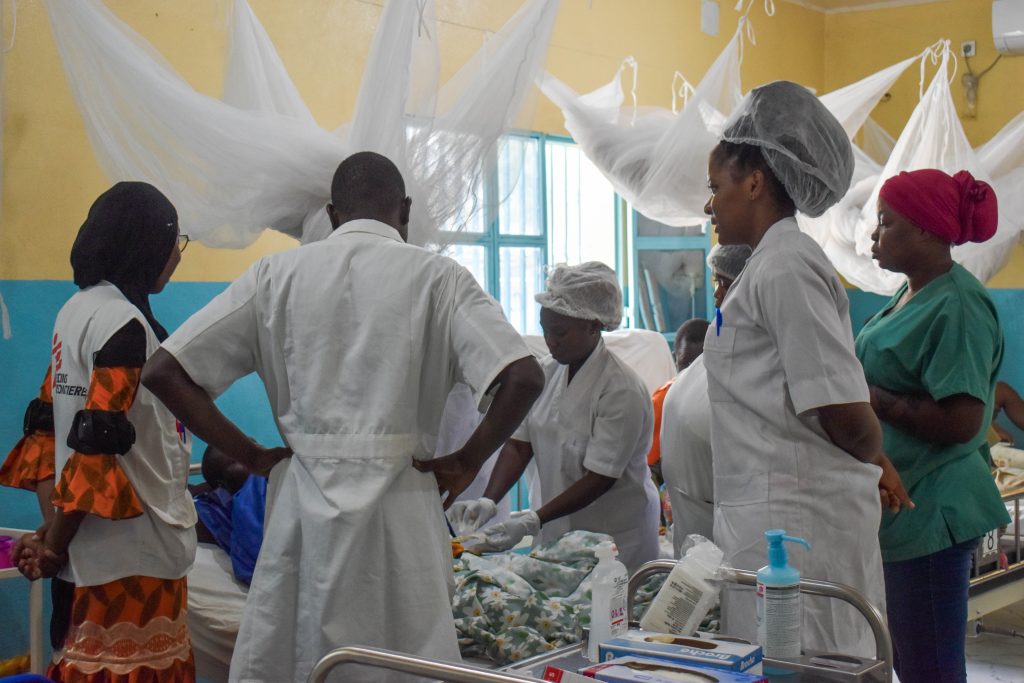
In response to the ongoing health needs in the Far North region, Médecins Sans Frontières (MSF) supports primary and secondary healthcare, mental health care, reproductive health services, and emergency surgical care. At Mora district hospital, where MSF has been present since 2015, teams have performed over 4,500 surgical procedures since 2021.
Conflict is worsening poverty
Insecurity also affects livelihoods. Fear of attacks and kidnappings prevents many people from farming or transporting their harvests, worsening poverty and food shortages. “People are afraid to go farming,” explains Wasa Hassan, a community health worker in Kourgui. “Kidnappings for ransom have become common, and fear dominates daily life.”
Jérémie Seuda, another community health worker, added, “In 2015, during the attacks, I found myself alone in Kourgui after being separated from my parents. MSF’s mental health teams took care of me. It was not easy, but they supported me every step of the way. The attacks continued — my 20-year-old neighbour was killed, and staying at home became impossible. I had to move again”.
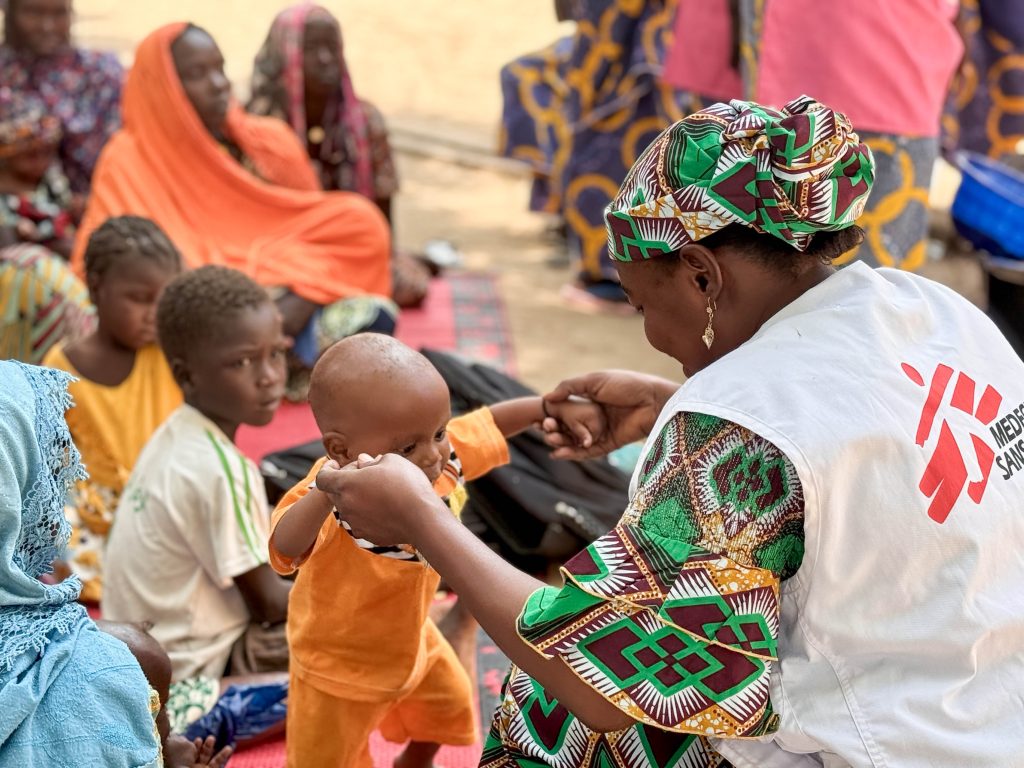
MSF works with 81 polyvalent community health workers to provide care closer to communities, including treatment for malaria, diarrhea, and severe acute malnutrition without complications. In 2025 alone, MSF-supported teams treated more than 16,000 cases of uncomplicated malaria and nearly 1,900 malnourished children.
Despite a relative decrease in displacement, insecurity persists. More than 1,500 security incidents have been reported in the Far North this year.
More than 10 years of care in response to the ongoing conflict
MSF has been present in Cameroon’s Far North region since 2015, responding in the Minawao refugee camp and the Mokolo health district, and supporting the surgical unit at Maroua regional hospital. MSF is currently supporting the Mora and Kolofata health districts. Since the beginning of the year, our teams have carried out more than 45,000 outpatient consultations, performed over 1,600 emergency surgeries, treated 2,250 malnourished children, and supported over 1,000 pregnant women.