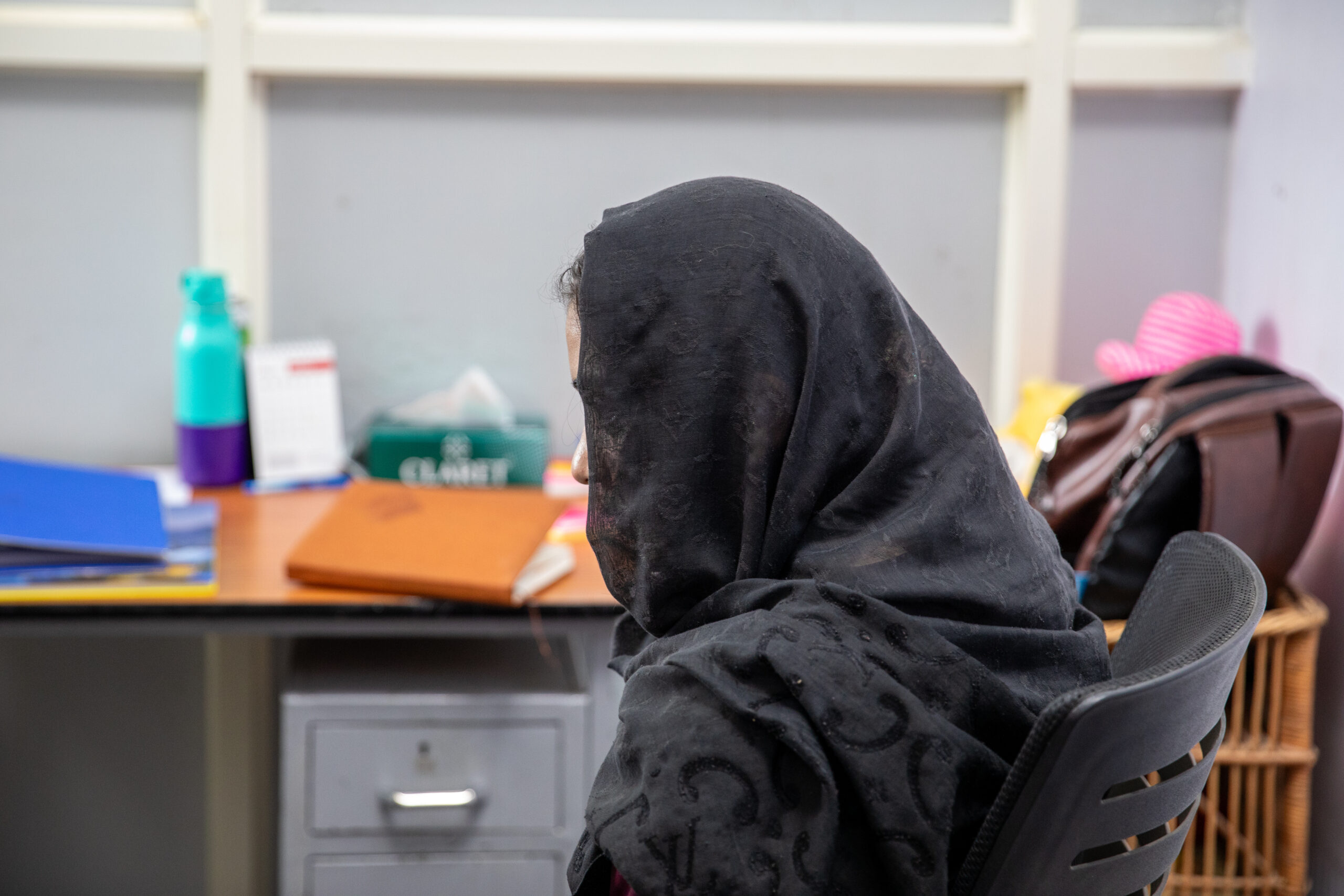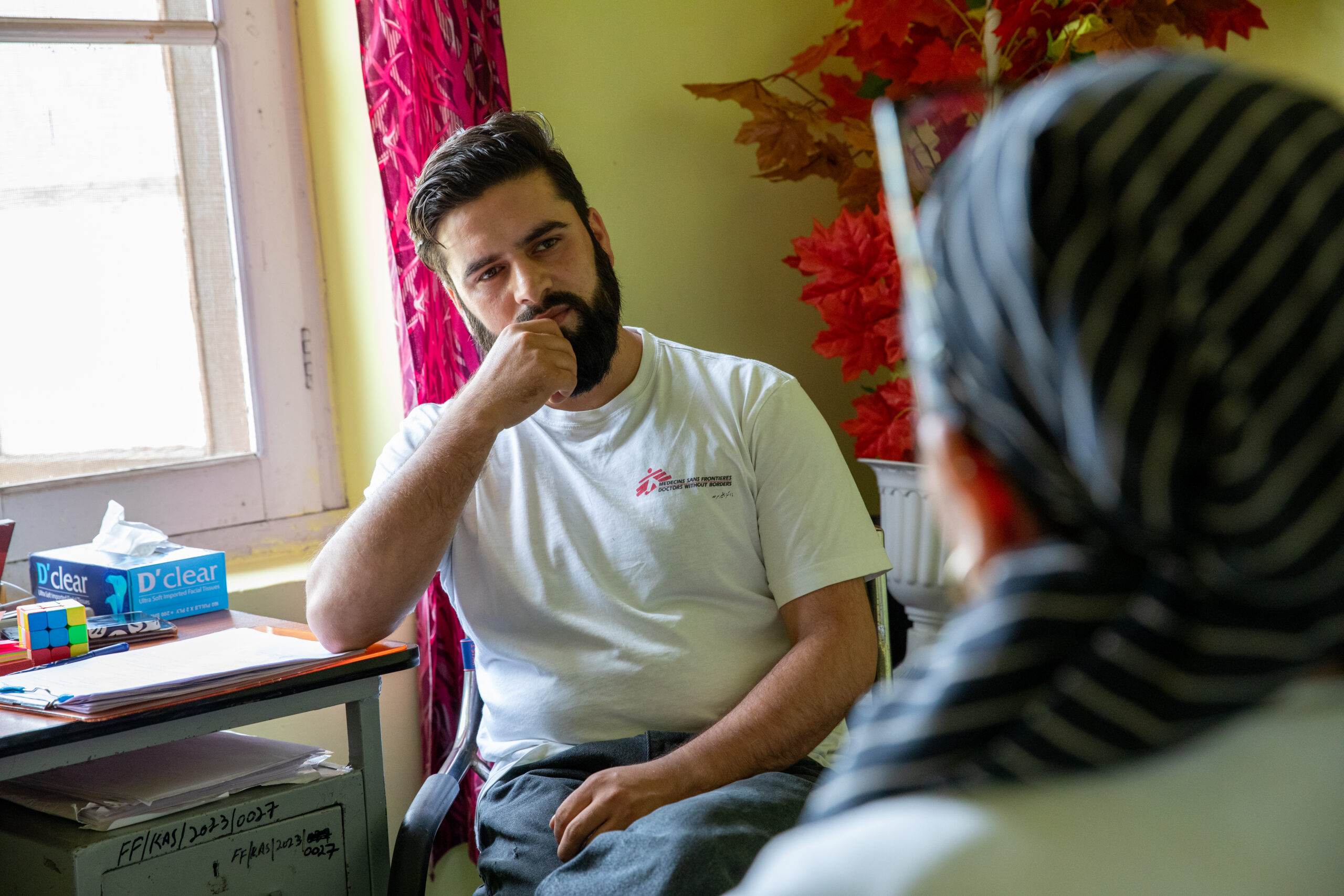
A first-person account from Mohammad Waseem, a mental health counsellor with Doctors Without Borders/Médecins Sans Frontières (MSF) in Kashmir.
Content note: This story includes references to suicide and suicide attempts. If you or someone you know is experiencing similar thoughts, please reach out for support. Crisis resources are listed at the end of this article.
“Do you ever get stressed? Do you ever feel sad?” my patients sometimes ask me, smiling, half-curious, as if a counsellor might somehow be immune to it all. I smile back and tell them the truth: I’m human too. This is what six years of listening, in a valley that carries so much unspoken pain, have taught me.
Why I do this work
From my school days, I was always drawn to helping others. That pull led me to social work, and later, when I studied psychology at college and university, I discovered clinical psychology: a field built entirely around people’s mental health. Before joining MSF, I worked with organisations doing social purpose work, and each step brought me closer to this field.
I chose MSF in Kashmir because of what it represents. MSF works at a level, in crisis and emergency settings around the world, that few other organisations, and sometimes not even governments, can match. Here, MSF was the first organisation to take a community-based approach to mental health, and that model has since reached many villages. It felt like a perfect fit for the work I wanted to do, and this year marks my sixth with MSF.
A day in the life
The motivation to go to work usually arrives before I’ve even left the house. I know five, six, sometimes eight patients scheduled that day. Getting there is its own small battle: public transport is unreliable, and in Kashmir’s winters, waiting for a cab in the cold seeps into your bones. But the thought of the people on my list carries me through it.
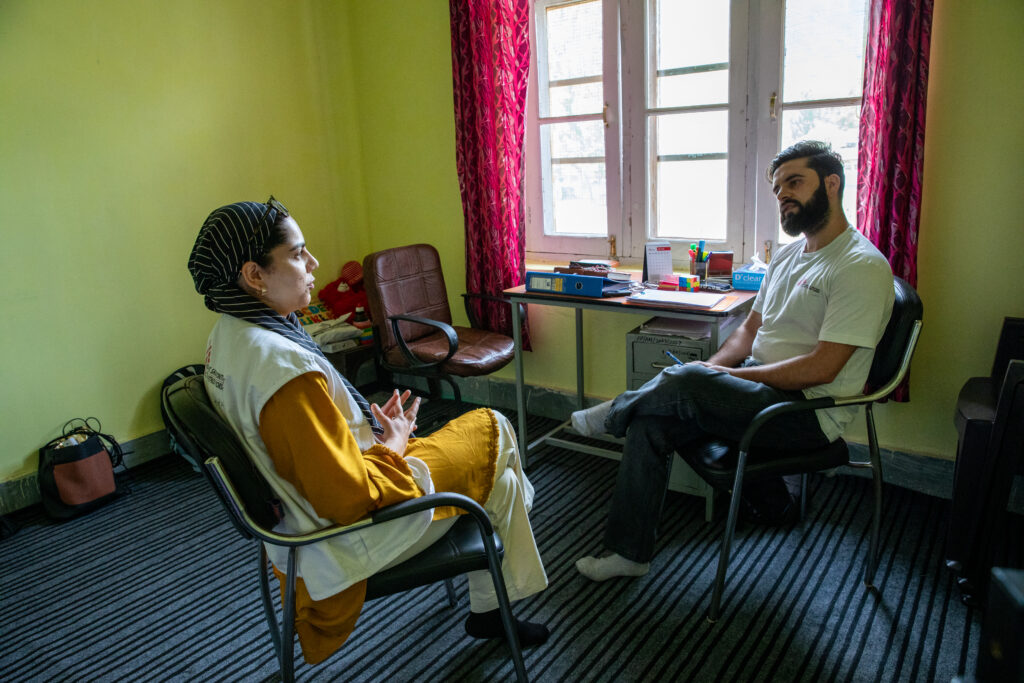
Once I reach the facility, I open my diary, check the day’s schedule and call ahead so patients don’t have to wait long once they arrive. Then, one session after another begins. Each carries its own story, but many of the patients I see, carry a weight heavier than words. People come for many reasons: difficulties at home, unemployment, family pressure, or simply needing a confidential space to talk.
By the middle of the day, after several sessions back to back, I sometimes feel mentally drained. I take a short break, a coffee, five or ten minutes with a colleague or supervisor, and go back in. I have learned that you need to be genuinely strong to do this work: some stories stay with you on the drive home, echoing long after the session ends. But so does the memory of a person walking out after an hour and forty-five minutes with a smile they didn’t have when they walked in. That is what carries the day.
Apart from the sessions, I also have to document care, attend meetings with my team and supervisors and prepare and facilitate group awareness sessions. The work doesn’t end when the session does. At home, I need my own space before I can switch from counsellor back to son, brother, friend. I write in a journal to put the day down somewhere. I paint, sometimes mental health themes I can’t easily put into words. On the harder days, I drive, and the open road and the quiet help me find my footing again.
The stories that stay with me
One story I carry with me is of a young man who came to us experiencing sever distress and suicidal thoughts following a prolonged period of person and social difficulties. In that first meeting, all he told me was that he didn’t want to live, that no one could help him, that there was no reason to continue. I remember it clearly, even now.
Six months later, that same young man sat for a competitive medical entrance exam and passed it. His whole family came in for a session, just to thank us. His life had changed entirely, and moments like that are, I think, a kind of blessing for anyone doing this work, even on the hardest days.
Living with stigma
Stigma remains the biggest challenge in this work. A patient often hesitates before ever walking through the door, and once inside, hesitates again before stepping back out, checking first whether a neighbour or relative might see them leaving a mental health session. I have seen people stop coming after just one or two sessions purely because someone recognised them on the way in.
Why this work matters here
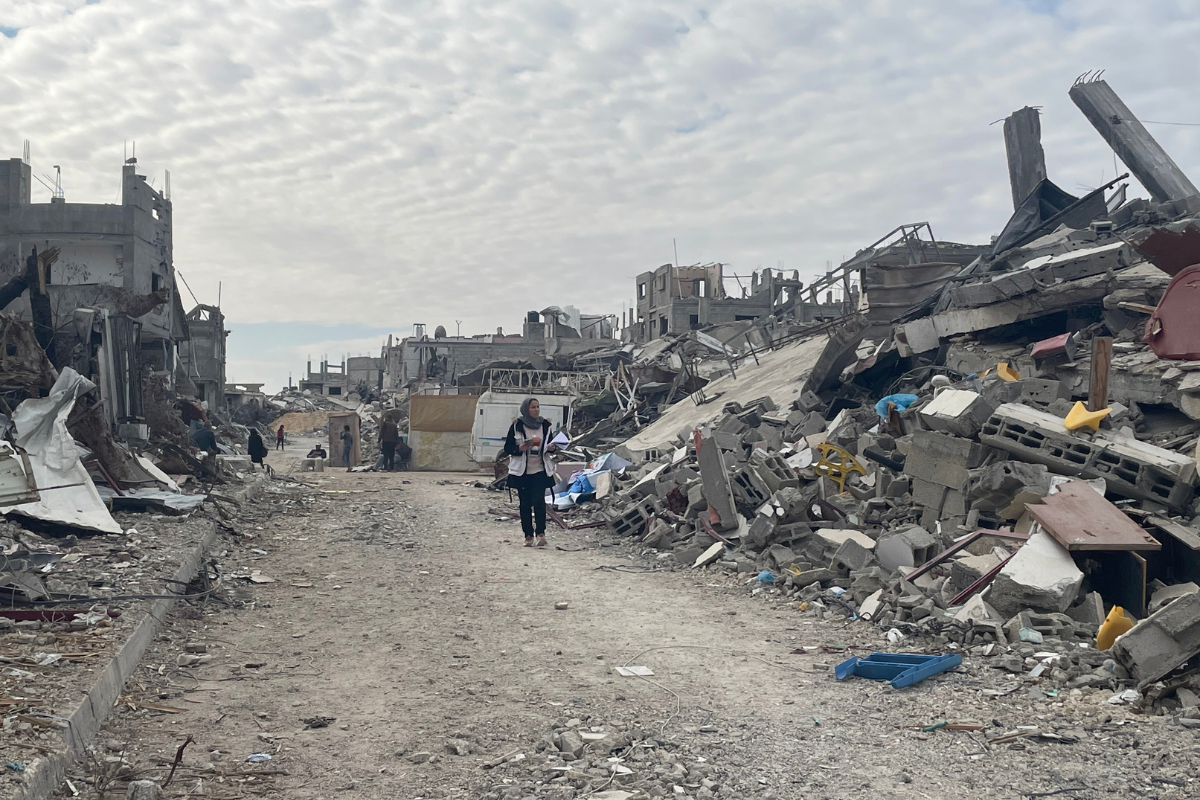
Kashmir carries decades of unrest, uncertainty, unemployment, substance use and domestic violence, layered on top of one another. A study in 2015 found that 45 per cent of the adult population here was living with some form of mental health difficulty. In the years since, the region has continued to see events that add to that weight.
This is why MSF’s community-based approach matters so much: it doesn’t only respond to crises, but works to build resilience within the community itself. Alongside counselling, we run outreach and psychoeducation sessions and work with community mental health workers, so that people learn to manage day-to-day stress and challenges even when we are not there. The need is far greater than what we can currently reach. I regularly hear from doctors and respected figures outside our project areas, asking why we aren’t working in their community too.
What keeps me going
I believe resilience isn’t only about what we build within a community; it’s also something the people around us help us build. When I feel the weight of this work, I lean on my colleagues and my supervisor. A short conversation is often enough to help me breathe again.
Looking ahead five or ten years, I am hopeful. The change in how Kashmir talks about mental health, compared to even a few years ago, has already been significant. Our work is confidential, and it is trusted, and that trust is slowly becoming part of the fabric of these communities. I believe that trust will only grow.
So when someone asks me again, half-smiling, “Do you ever get stressed?” I tell them yes, I do. But I also get to see, every single day, what courage looks like. And that is what keeps me going.
MSF provides free, confidential mental health and psychosocial support in Kashmir, including counselling for young people and adolescents.
If you or someone you know is experiencing thoughts of suicide or mental health challenges, please reach out. Help is available 24/7:
National Helplines:
Tele MANAS (Ministry of Health & Family Welfare): 14416 or 1800-89-14416
24/7, toll-free
Available in English and 20+ regional languages
Mental health counseling and crisis support
Free and confidential
Vandrevala Foundation: +91 9999 666 555
24/7, call or WhatsApp
Multilingual support
Free and confidential
AASRA: +91-22-27546669
24/7 helpline
Email: aasrahelpline@yahoo.com