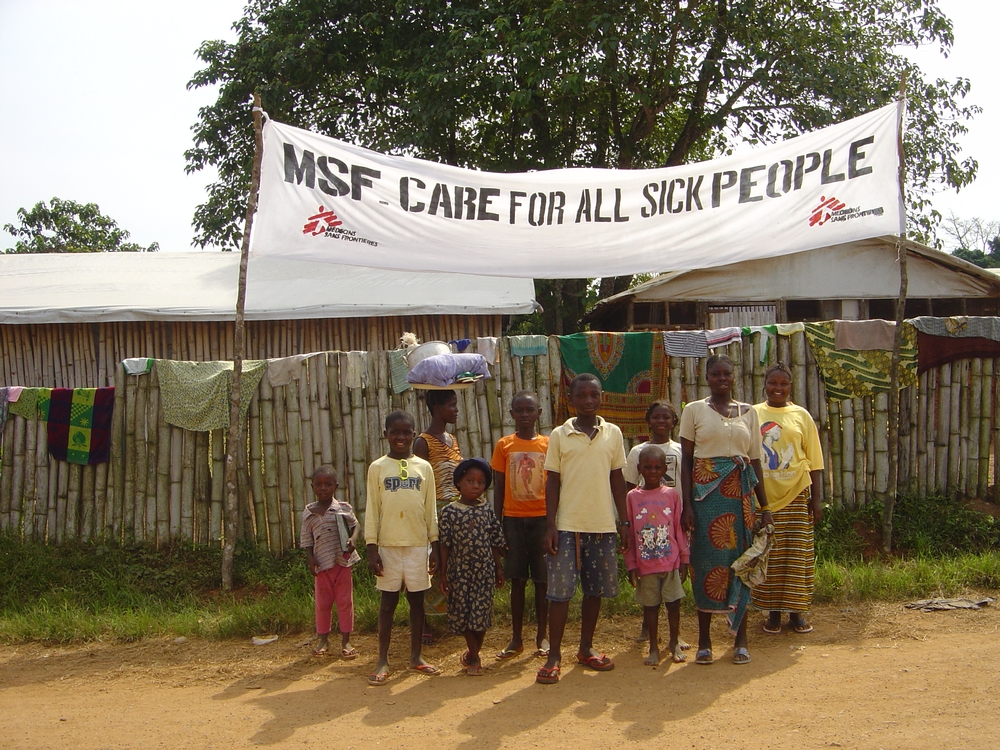
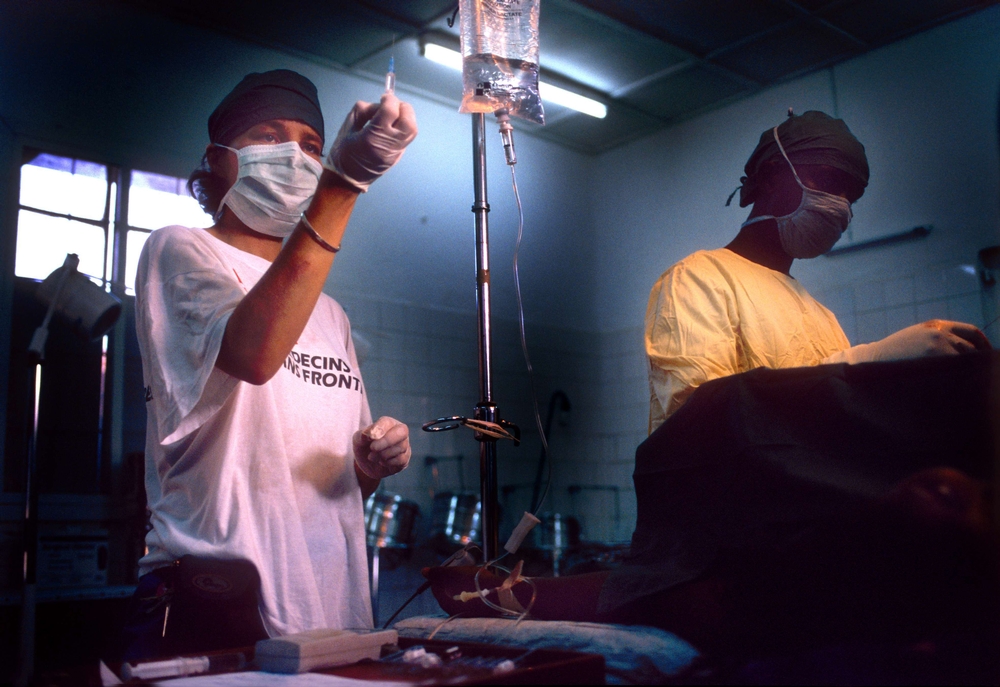
This year marks 40 years since Médecins Sans Frontières (MSF) first began working in Sierra Leone. Since responding to a cholera outbreak in the country’s capital city, Freetown, in 1986, MSF has adapted its medical activities to meet evolving healthcare needs across the country. Over four decades, we have provided care during conflict, epidemics, and public health emergencies while supporting people who continue to face barriers to accessing timely and quality healthcare.
What began as an emergency response to cholera developed into a long-term presence shaped by the needs of patients and communities. Over the years, MSF has responded to disease outbreaks, supported healthcare services during Sierra Leone’s civil war, strengthened tuberculosis care, and worked to improve access to maternal and child healthcare.
Responding to the Changing Medical Needs
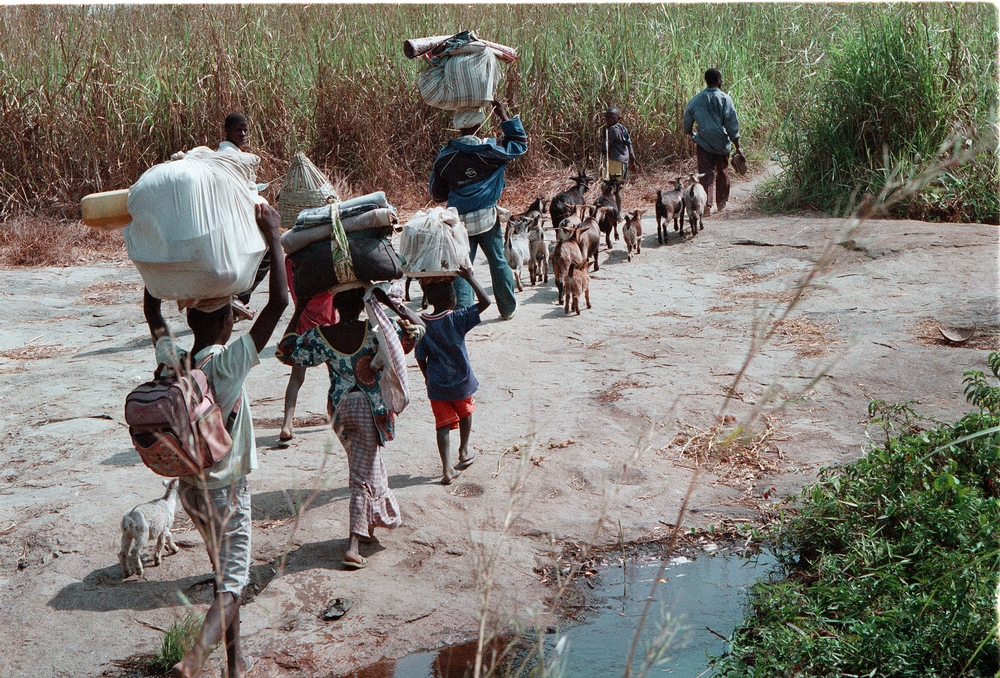
During the civil war between 1991 and 2002, violence, displacement, and the collapse of essential services left many people without access to healthcare. MSF provided medical assistance to communities affected by the conflict, often working in difficult conditions to ensure people could continue receiving care. After the war, our teams continued to respond to disease outbreaks and support essential healthcare services in areas where access to care remained limited.
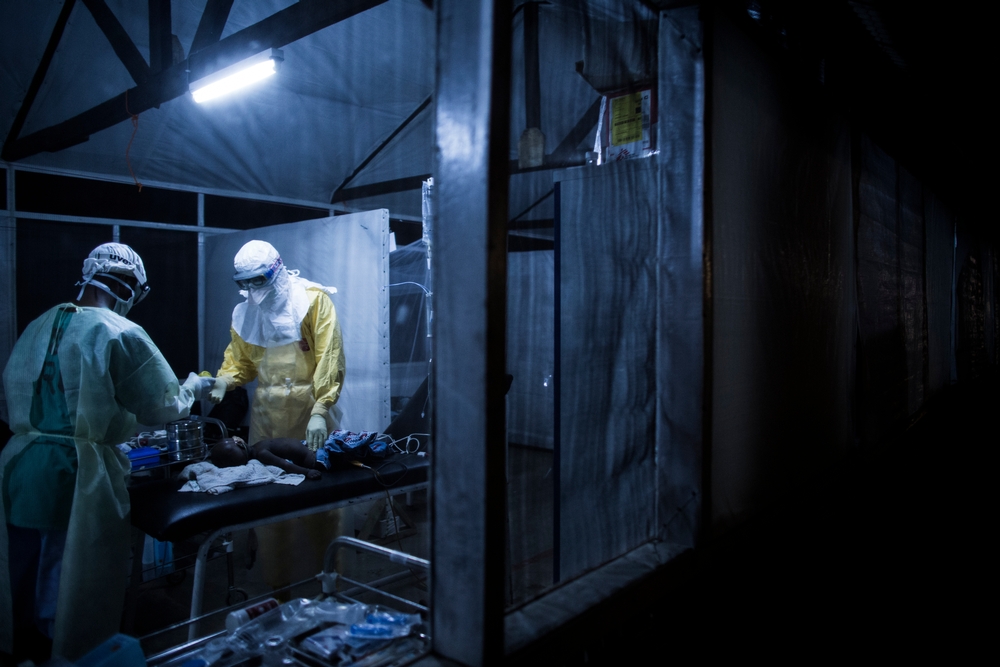
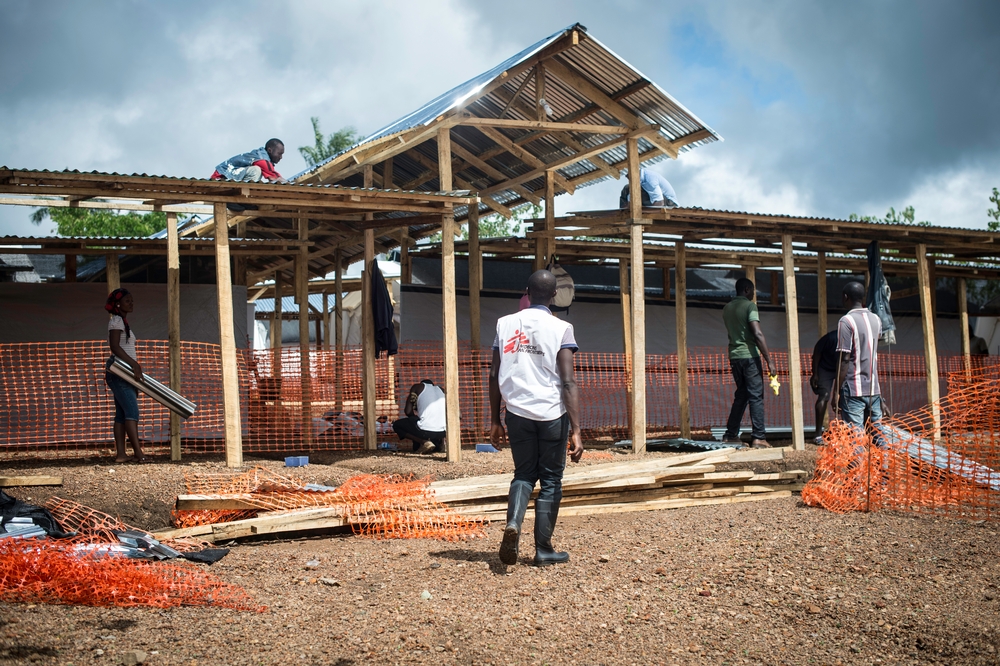
One of the most significant public health emergencies in Sierra Leone’s recent history was the West Africa Ebola epidemic. Between 2014 and 2016, MSF was part of the emergency response, operating Ebola treatment centres across the country, supporting infection prevention and control activities, conducting health promotion initiatives, and contributing to surveillance efforts. Alongside health authorities and communities, our teams worked to help contain the outbreak while supporting access to essential healthcare services.
“Over the past forty years, we have worked in very different contexts in Sierra Leone, but our purpose has remained the same: to provide medical care to people who need it most,” says Dr Htet Aung Kyi, MSF Country Representative in Sierra Leone. “Whether responding to emergencies or addressing longer-term healthcare needs, our focus has always been on patients and communities facing barriers to care.”
Supporting Mother and Child Healthcare
In recent years, MSF’s work in Sierra Leone has been centred on maternal and child healthcare. Since 2016, our teams have worked alongside the Ministry of Health to improve access to healthcare for pregnant women, mothers, newborns, and children in Kenema and Tonkolili districts.
In Hangha town, Kenema district, MSF supports the Government Maternity and Children’s Hospital, which provides specialised inpatient and emergency care for women and children from across the district and neighbouring communities. Mobile teams also travel to remote communities, bringing healthcare closer to people who might otherwise face long and difficult journeys to seek medical services.
While Sierra Leone has made progress in reducing maternal and child mortality, significant challenges remain. Women and children continue to face barriers to healthcare, including shortages of trained health workers, transportation challenges, limitations within referral systems, and shortages of essential medical supplies and equipment.
“Too many women and children still face obstacles when seeking healthcare,” says Dr Kyi. “Distance, rugged roads, and limited availability of medicines are all contributing factors.
Investing in Healthcare Workers
Beyond direct medical care, MSF has also invested in strengthening healthcare capacity. In 2018 the MSF Academy for Healthcare was introduced, offering a workplace-based learning initiative designed to support the development of national healthcare professionals through clinical mentoring and on-the-job training. The programme focused on strengthening the skills and competencies of healthcare workers involved in maternal, neonatal, and paediatric care, contributing to the long-term improvement of healthcare services.
Providing Tuberculosis Care and Emergency Responses
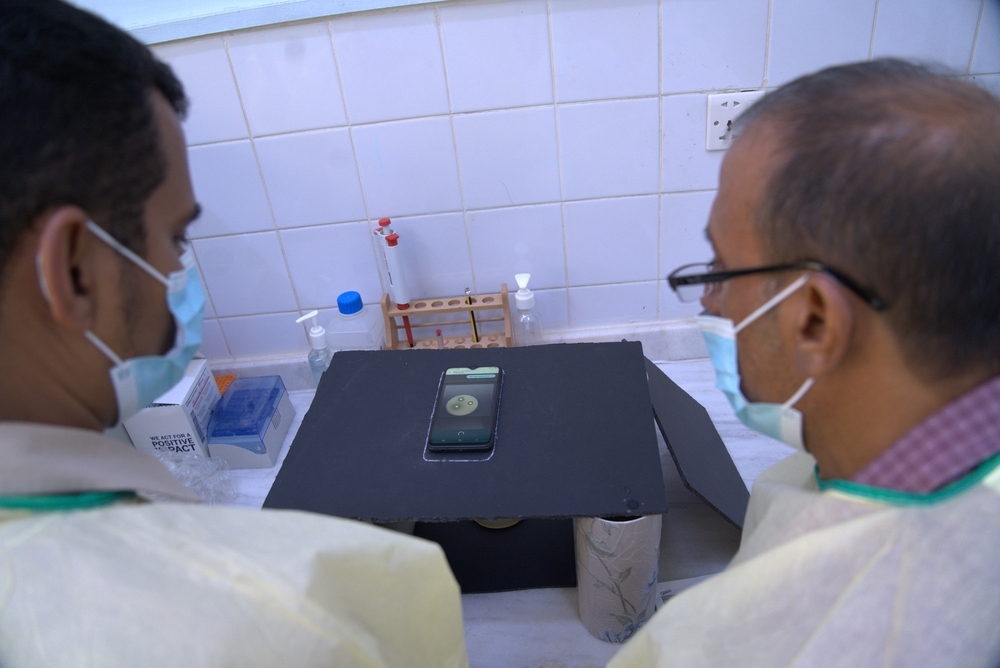
Over the years, MSF has also responded to other major health challenges in Sierra Leone. From 2019 to 2025, MSF supported tuberculosis care activities in Bombali District, including care for people with drug-resistant tuberculosis. Working alongside the Ministry of Health, our teams supported diagnosis, treatment, laboratory services, and the introduction of newer treatment approaches aimed at improving patient outcomes. In 2025, these activities were transitioned to the Ministry of Health.
That same year, MSF supported Sierra Leone’s response to an mpox outbreak. Our teams provided clinical care for patients, strengthened infection prevention and control measures, supported disease surveillance, and conducted community health promotion activities. MSF also rehabilitated the infectious disease isolation wards at Connaught Hospital, one of the country’s main referral hospitals, and supported the establishment of a 50-bed mpox treatment centre in Calaba Town for people with moderate and severe illness.
Looking Ahead
Forty years after our first intervention in Sierra Leone, significant medical and humanitarian needs remain. From cholera and conflict to Ebola, tuberculosis, mpox, and maternal and child health challenges, MSF’s work in the country has evolved in response to changing humanitarian and public health realities.
“As we mark 40 years in Sierra Leone, we celebrate not only the lives saved and the medical care provided, but also the strength of the communities, patients, healthcare workers, and partners who have been part of this journey,” says Dr. Kyi. “We continue to work towards a future where equitable access to quality healthcare is a reality for all.”