Rome, 18 Nov 26 – As the world marks World Antimicrobial Resistance (AMR) Awareness Week, MSF called on governments and funders to recognize the enormous toll that antimicrobial resistance is taking in conflict-affected and humanitarian contexts and act urgently by better equipping communities to prevent, detect, and respond to drug-resistant infections – before, during, and after times of acute crisis. Over two billion people are estimated to live in conflict-affected settings, and, in 2025, forced displacement affected an unprecedented 122 million people.
In specific, at the Fourth Plenary Assembly of the AMR Multi-Stakeholder Partnership Platform held in Rome, Italy this week, MSF asked governments and funders to:
- Invest before crises to fund national AMR plans that strengthen infection prevention and control (IPC), water, sanitation and hygiene (WASH), stewardship and laboratories
- Plan for crises along with affected communities to build AMR into emergency preparedness and adapt national AMR plans in protracted crises, implementing context-specific interventions
- Protect health care to uphold international humanitarian law
- Count everyone to include conflict settings in surveillance and research, and ensure equitable access to antimicrobials and diagnostics
The risks and consequences of AMR are especially acute in settings affected by conflict and humanitarian crises, where inadequate WASH measures, poor infection prevention and control, and limited access to microbiology, diagnostic capacity, and appropriate antimicrobials contribute to emergence and spread of drug-resistant infections. Destruction of healthcare facilities and infrastructure for water and sanitation, shortages of healthcare workers, disrupted supply chains, and overcrowded living conditions further compound the AMR crisis.
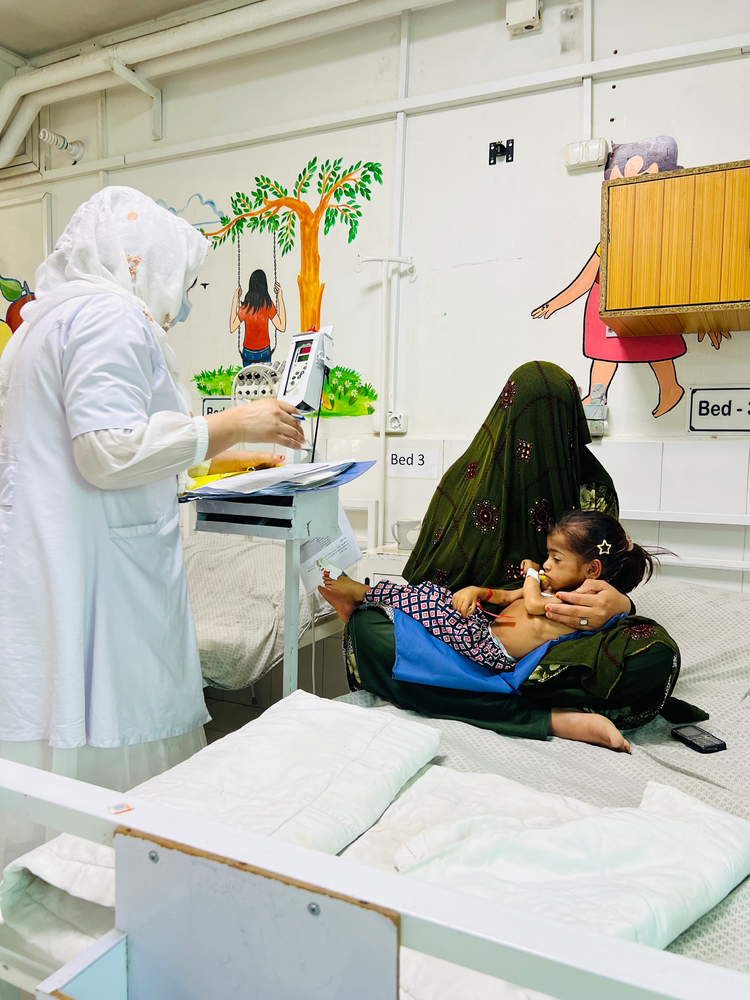
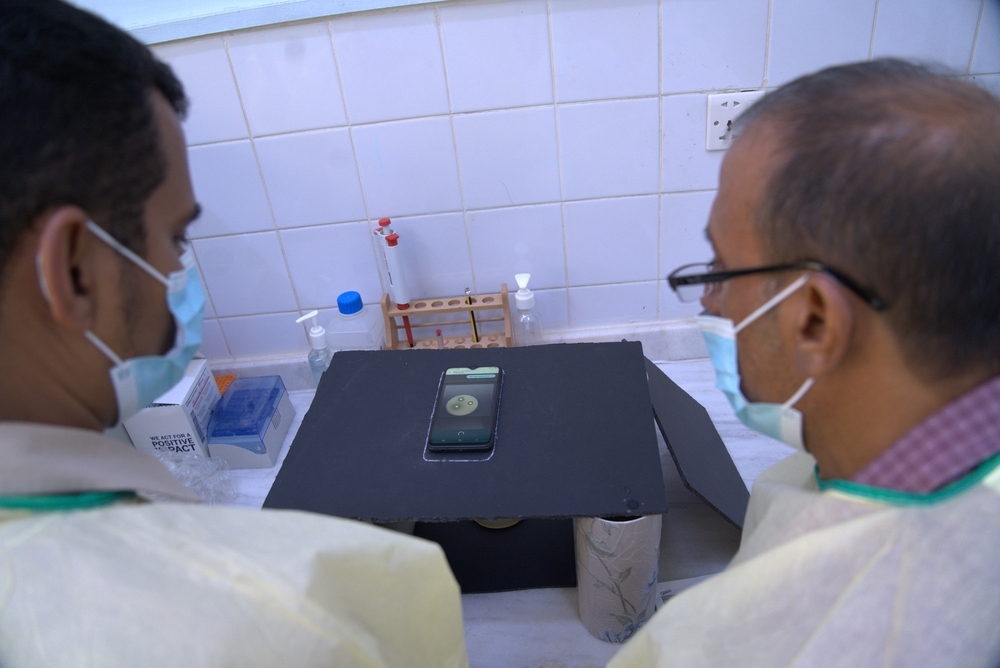
MSF addresses AMR in more than 20 countries through over 50 projects, focusing on infection prevention and control, antibiotic stewardship, microbiology-based diagnostics, and surveillance. Our teams see the diversity of ways in which crises subject people to risk for and from AMR. From treating patients with severe wounds and drug-resistant infections to caring for malnourished children and newborns with sepsis, and people living with HIV who develop opportunistic infections, MSF works to strengthen healthcare workers’ capacity to counter AMR through provision of quality, people-centered care.
Global initiatives, including the updated Global Action Plan on AMR (adopted in May 2026), the planned launch of the Independent Panel for Evidence for Action against AMR, at the 5th Global High-Level Ministerial Conference on AMR in Abuja, Nigeria (6–8 December 2026), offer important opportunities to accelerate action. These initiatives are particularly crucial in light of recent shocks to global health and humanitarian financing that are taking us backwards rather than ahead.
“At the upcoming Ministerial Conference in Nigeria, governments must make concrete commitments and ensure that the Independent Panel on Evidence for Action against AMR will close critical evidence gaps in conflict-affected and humanitarian settings and translating evidence into action,” said Pauline Londeix, Advocacy Advisor, MSF Access. “Meaningful representation of humanitarian actors, affected communities and low-income countries is also essential to guarantee the Panel’s work responds to the needs of people most at risk.”