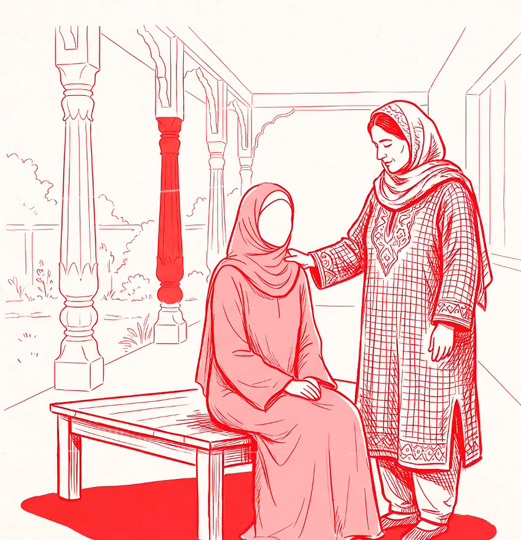
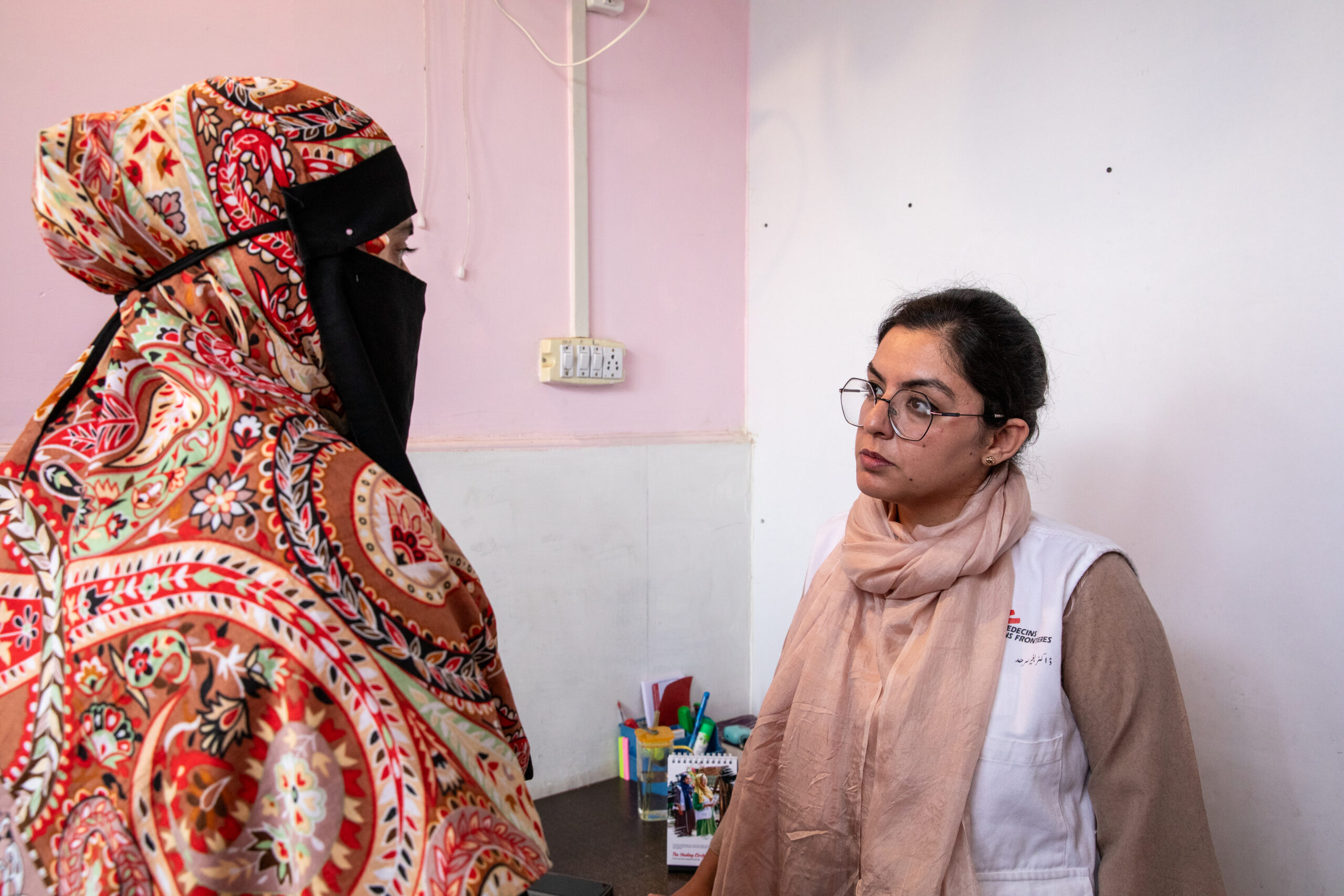
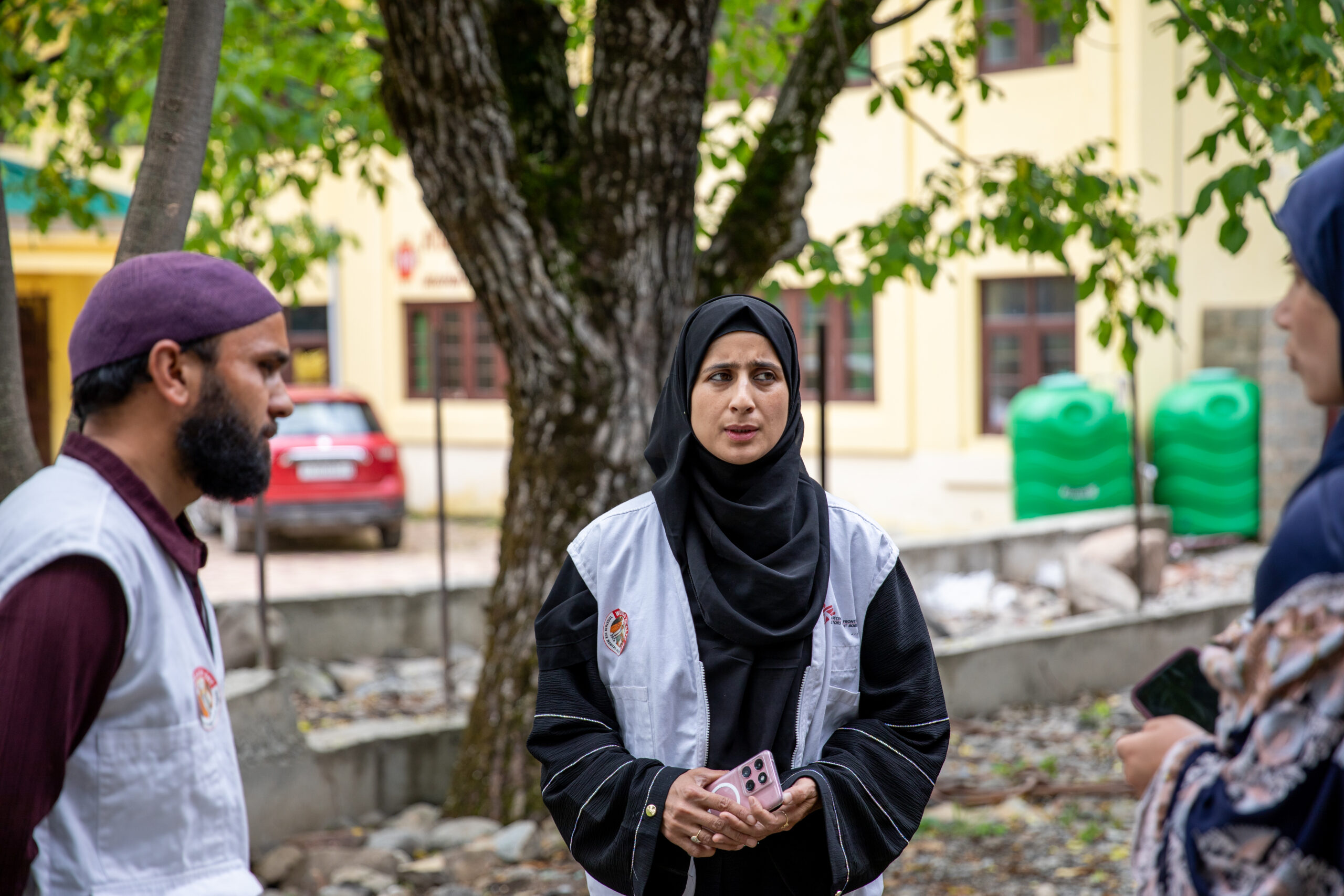
Inaya* is from north Kashmir. She has lived with Obsessive-compulsive disorder(OCD) and anxiety for nine years, and has been receiving counselling support through Doctors Without Borders India/Médecins Sans Frontières(MSF).
For years, Inaya carried a condition she didn’t fully understand, one that made her feel, in her own words, as though she was “unconscious” inside her own life. Today, after finally finding counselling that reached her, she has found her footing again, at home and within herself, and is able to say, simply and firmly, that she is thankful to be fine.
This problem came on all of a sudden. I don’t even know exactly how it happened. What I remember is a lot of anxiety, and a lot of thoughts I couldn’t get out of my head, negative thoughts that kept circling. There were things I found myself doing again and again, without meaning to, and afterwards I often couldn’t even say what I had just done. It felt like being unconscious inside my own life, like I didn’t fully know where I was or what I was doing.
It began around the time I was in the final year of secondary school. I had done well in my exams and I loved studying. Three of us, all cousins, were waiting on our results together. Then my cousin passed away. I remember sitting at home, completely overwhelmed, crying all the time. I didn’t even know what OCD was back then. I just knew something in me had changed.
Counselling finally reached me
I have been carrying this for years. I had tried counselling before, but it never felt complete, it didn’t make the difference I needed. My mother was the one who told me I should see a new doctor, and my father told me I should try counselling again. So I did.
This time was different. I did counselling here properly, and for the first time, I actually felt the difference. I am very thankful to God that I am fine now.
Learning to hold my own thoughts
There were things I simply couldn’t control before. I used to sweep, and put the broom down, then pick it back up and do it again, two or three times over, unable to stop. Now I put it down once, and that’s it. I had a lot of small problems like that at home, and I had to learn, slowly, to control myself. When negative thoughts come back now, I don’t sit with them. I try to distract myself instead of going back to the same thought again and again. I don’t chase it. I let it pass.
I used to work at a hotel, but I would feel dizzy all the time and couldn’t manage it. Now I do work at home instead, and I keep myself busy with that. Even that change alone has made a real difference. Alongside the counselling itself, you have to find some courage in yourself too, not just rely on the sessions.

My family’s support made all the difference through this. If they hadn’t stood by me, I don’t know where I would be today. I used to be very emotional. I used to cry all the time. That isn’t who I am anymore.
I won’t pretend I haven’t faced stigma because of this. I have. But I chose to keep going anyway, and my family stood by me through it.
What I would tell someone else
I’m not someone who talks easily to people about this. I keep to myself, that’s just who I am. But if I met someone carrying what I was carrying, I would tell them: counselling helped me, and it can help you too.