After four months of daily training, ambulance repairs and hospital renovations, Médecins Sans Frontières/Doctors Without Borders (MSF) has handed its emergency care project in Ranya, Qaladze and Koya over to local health authorities and hospital staff.
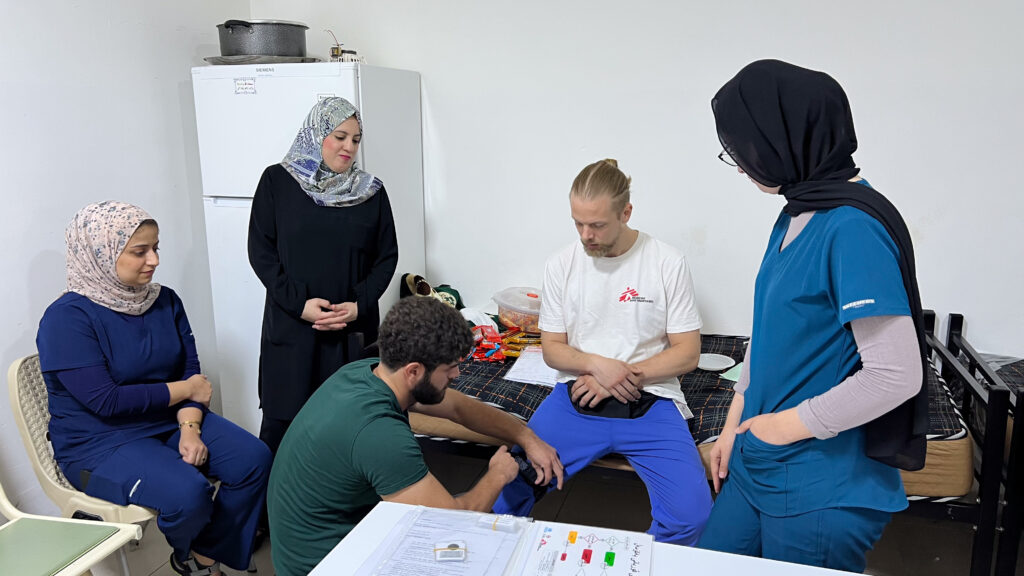
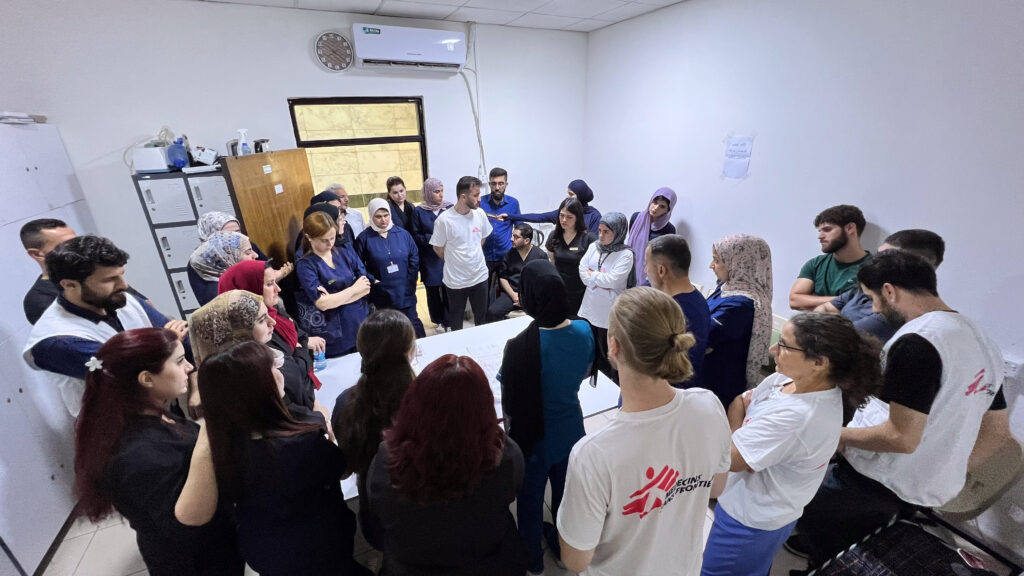
The project began on June 1, 2026, and focused on preparing emergency departments in Ranya, Qaladze and Koya hospitals, in the Kurdistan Region of Iraq, along with the region’s emergency ambulance service, to cope with mass casualty incidents such as multi-vehicle traffic accidents. MSF teams trained doctors, nurses and paramedics on triage, bleeding control and burn management, while also repairing ambulances, renovating emergency rooms and supplying equipment to the three facilities.
Dr. Safar Hassan, General Director of the Raparin General Directorate of Health, said the collaboration reached several parts of the health system. “Since the project started on June 1st, joint activities have been implemented across our primary medical centers, specifically Ranya Teaching Hospital, Qaladze Martyrs Teaching Hospital in the Pshdar District, and the Maternity and Pediatric Teaching Hospital,” said Dr. Hassan. Training sessions were organized for hospital doctors, emergency room staff, and the emergency dispatch teams in both Ranya and Qaladze, including a dedicated course at the Maternity and Pediatric Teaching Hospital on managing sudden influxes of wounded patients.
For staff on the ground, the daily sessions changed how a crowded emergency room is run. Honya Ali, a nursing graduate completing her clinical training at Shahid Dr. Khalid Hospital in Koya, said the training reshaped her team’s approach to a sudden surge of patients. “The MSF team trained us on the entire patient flow, from the exact moment they enter the hospital doors all the way to their final discharge,” she said. “Learning how to control the influx of a large mass of patients has been incredibly beneficial for our team.”
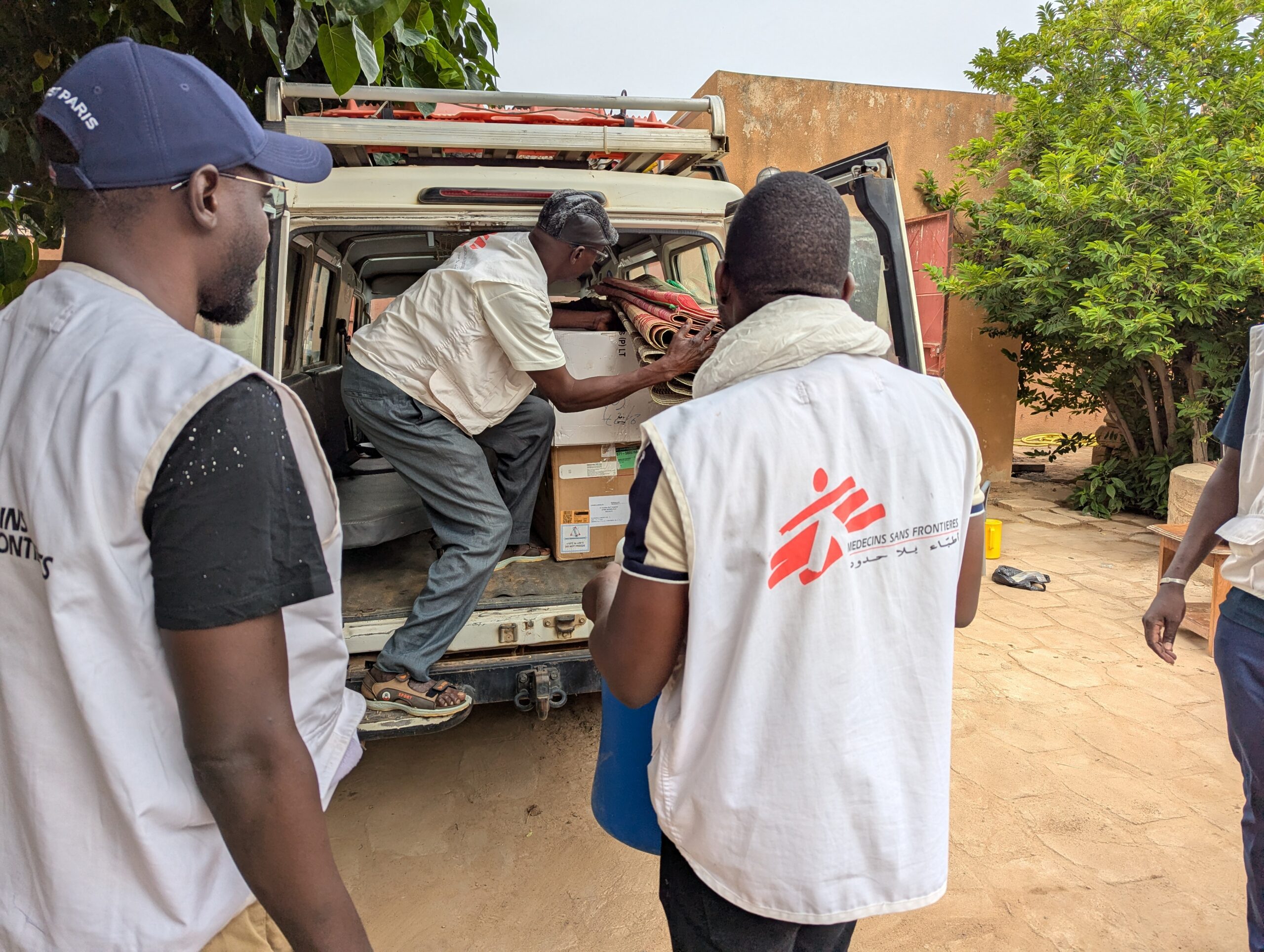
MSF’s work followed an assessment in May that found needs at the emergency departments in the three hospitals. Over the following months, teams renovated the emergency room at Koya hospital, repaired its medical oxygen system, and built two pits for organic and anatomical waste disposal. In Ranya, the team installed two handwashing points in the emergency department, and in Qaladze, the team also repaired the leaking rooftop. Ambulances in all three districts underwent mechanical work, and one new vehicle was donated to the Ranya Directorate of Health. Health promotion teams also ran more than 1,300 short sessions with patients and families in hospital waiting areas between July and August, reaching close to 4,700 people with information on triage and infection prevention.
Asked about MSF’s role in the wider region, the organisation’s Erbil Base Manager, Renas Mohammed, described such projects as one limited contribution to a health system that still faces gaps. “Our role is to support the health system during crises and lessen the burden on medical staff, so they can help patients in the best way possible,” he said.
Much of the work was designed to continue without MSF present. Local focal points in each hospital were trained to keep running mass casualty sessions themselves, and clinical protocols were left behind for staff to consult.
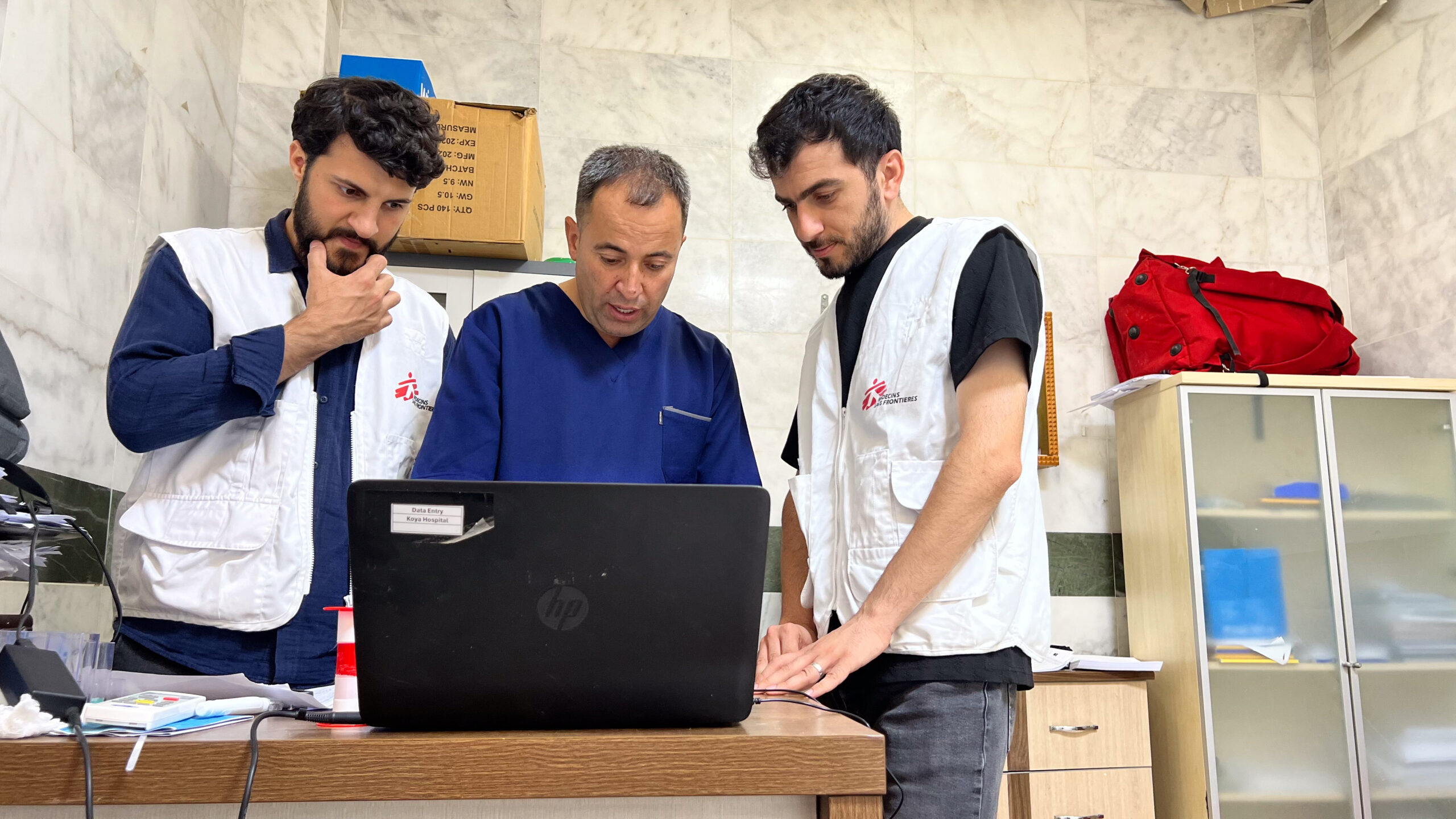
Data collection templates handed over to the three hospitals’ statistics offices are meant to give the Directorates of Health a clearer, ongoing picture of emergency demand and referral patterns.
Dr Safar said the Directorate intends to keep working with organisations supporting the health sector. “We will continue this coordination for the ongoing activities in the area,” he said.