After a decade of sustained medical and humanitarian assistance, Médecins Sans Frontières (MSF) is concluding its activities in Kibondo District in June 2026, following the closure of Nduta refugee camp. Since its launch in 2015 following an influx of thousands of people from Burundi, the project has provided lifesaving care to both refugees andsurrounding host communities during one of Tanzania’s largest refugee responses.
For more than a decade, we have committed to provide medical and humanitarian services in Nduta and across Kibondo District, alongside both refugees and host communities. We have worked to improve access to quality healthcare for everyone in and around Nduta, in close collaboration with the Ministry of Health, local health authorities and humanitarian partners to strengthen healthcare services beyond the camp setting.
Serviour Dombojena
MSF Project Coordinator in Nduta
Over the past 10 years, MSF teams delivered more than 1.6 million outpatient consultations, responding to a wide range of medical needs including infectious diseases, maternal and child health, mental health, and emergency care. The hospital admitted over 100,000 patients, ensuring access to advanced and specialized medical care in a resource‑constrained setting with an emphasis on mother and child care.
“Investing in the health of mothers and children has been a cornerstone of our intervention,” shared Serviour Dombojena. “By prioritizing antenatal and postnatal care together with safe deliveries, we have sought not only to address immediate health needs but also to support the longer-term wellbeing of both refugee and host communities,”.
In addition to regular activities, MSF emergency teams have responded to recurrent malaria peaks and outbreaks of diseases such as cholera and measles, helping to contain public health risks and ensure access to care for those most in need.
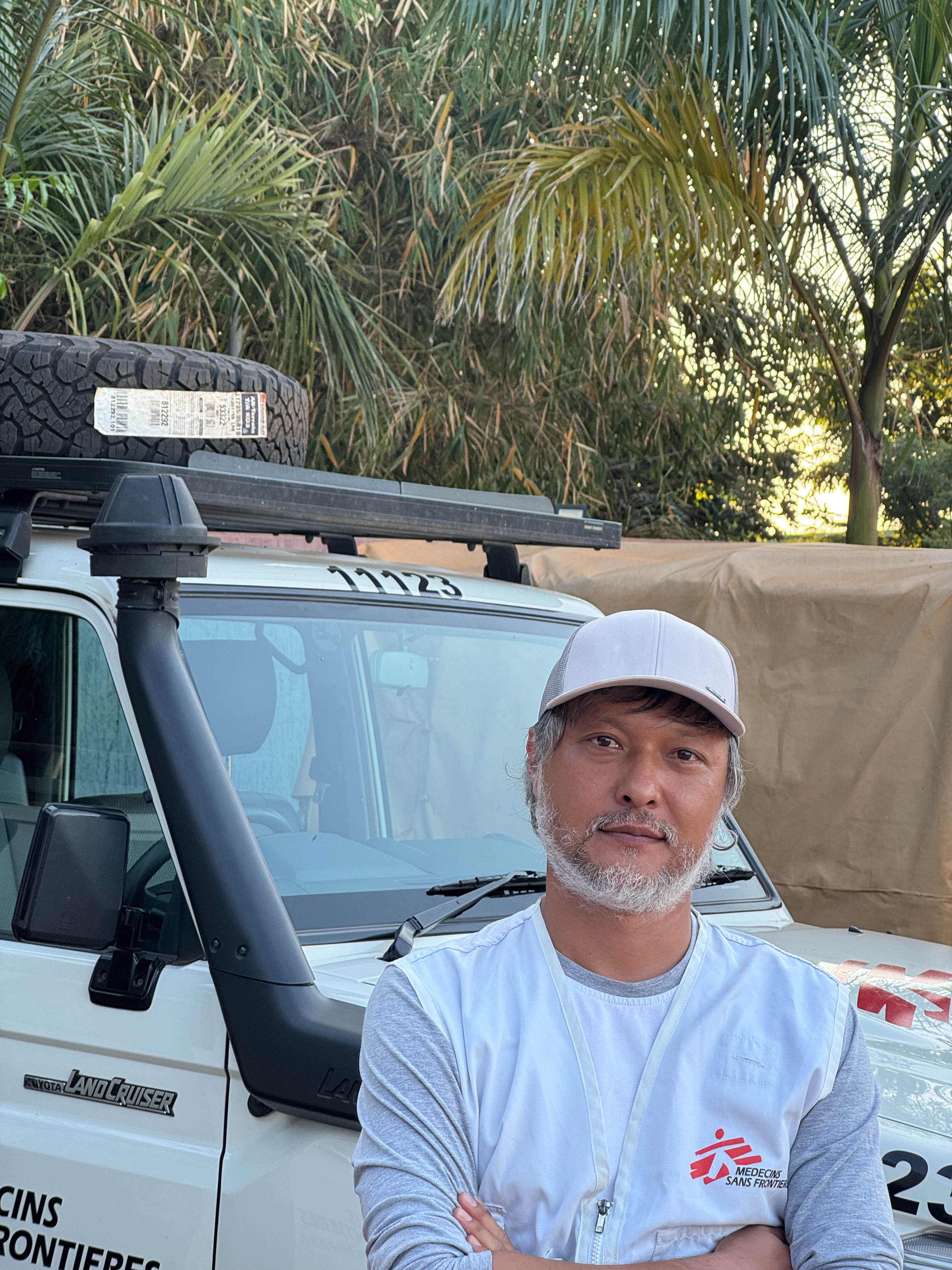
Throughout the project, MSF worked closely with Tanzanian health authorities, UN agencies, and humanitarian partners, while supporting national staff through training and capacity building.
“As we conclude our activities following the closure of the camp, we hope that the investments made over the past decade will continue to benefit both refugee and host communities and contribute to a stronger and more resilient health system in Kibondo District,” said Tommaso Santo, Head of Mission of MSF in Tanzania.
Concerns remain for the wellbeing of communities and former staff members who have been affected by the camp’s closure, whether they have returned to Burundi, moved to Nyarugusu Camp as UNHCR and the authorities considered them as facing “continued international protection needs”. “We hope that they will continue to have access to the support and services they need during this transition,” Santo concluded.
MSF remains present in Tanzania, including ongoing medical projects and emergency response support.
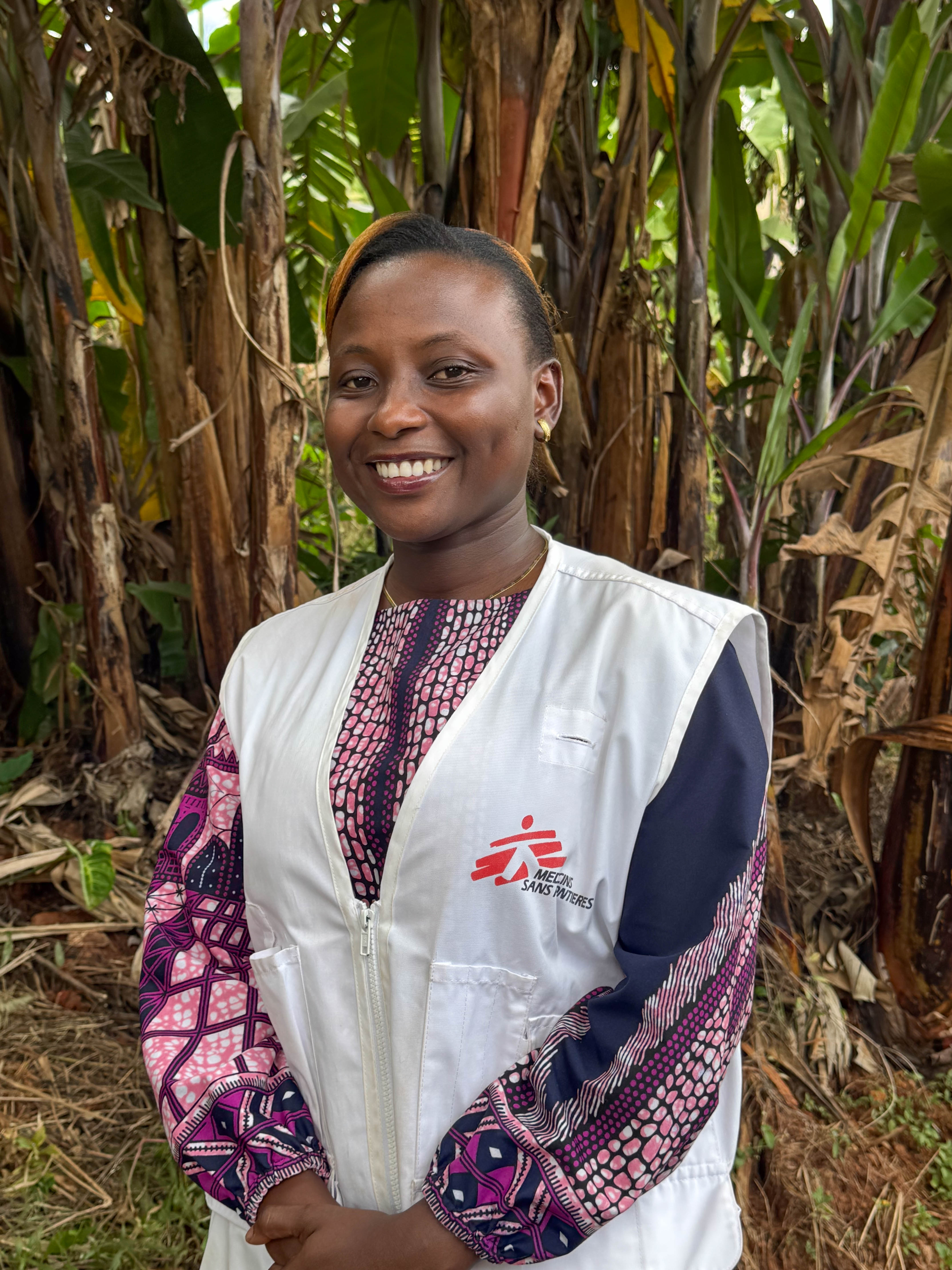
Every delivery, every mother counselled, every newborn cared for, and every life supported reminded us of the true meaning of our work in Nduta. This project taught us resilience, patience, teamwork, and the importance of standing with vulnerable communities during their most challenging moments.
The experiences shared, the lives touched, and the memories created will always remain part of our professional and personal journey. Though the project is coming to an end, the impact made in the lives of mothers and children will continue to be remembered. ©Godfrida Jola/MSF
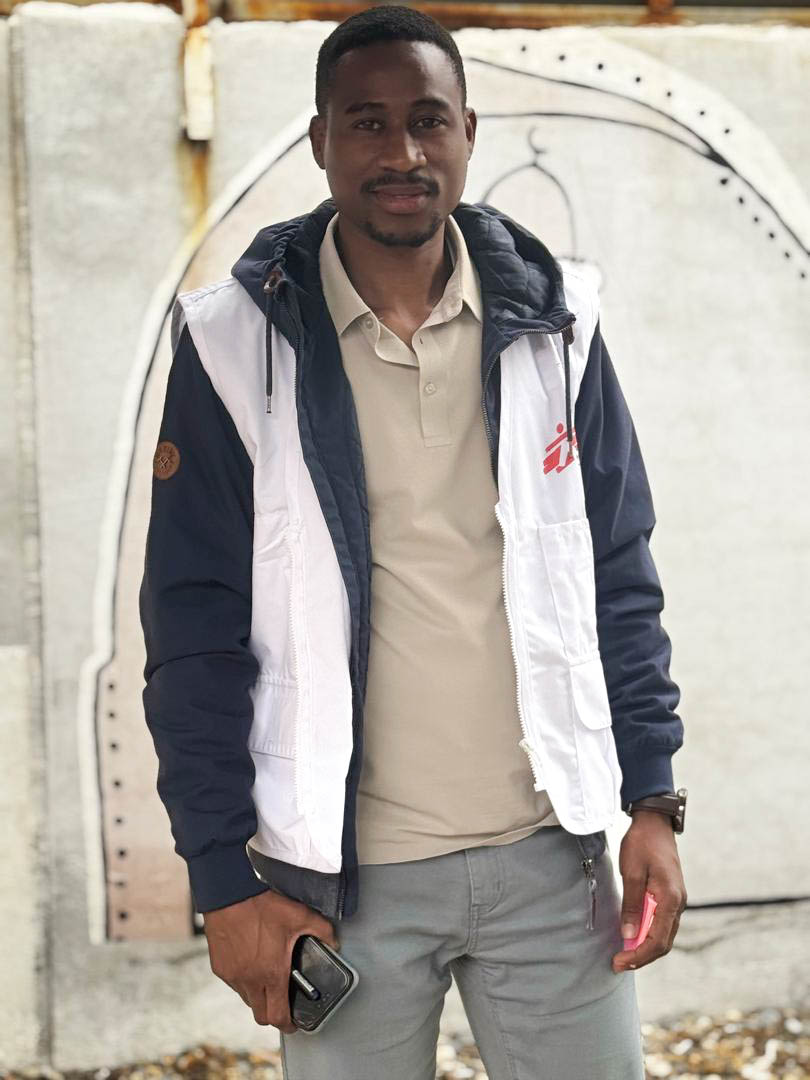
I joined MSF in 2016 during the peak of the refugee influx from Burundi, a time when the humanitarian needs were immense and every day demanded dedication, teamwork, and compassion. I started as a nurse in the pediatric ward and later in the Pediatric ICU, where I learned the true value of caring for vulnerable patients in one of the most challenging humanitarian settings. Step by step, MSF entrusted me with greater responsibilities as Nursing Activity Manager.
Through daily mentorship, emergency responses, multicultural teamwork, and continuous professional development, MSF shaped me not only into a stronger nurse, but also into a confident manager and leader.
Working with people from different nationalities and cultures taught me adaptability and the importance of effective communication in refugee healthcare settings.
Nduta became more than a workplace; it became a classroom where I learned that true leadership is about serving others with humanity, dignity, and purpose. ©Godfrida Jola/MSF
In April 2015, following Burundi’s political crisis, protests and violence led to instability. As security forces cracked down on dissent and political tensions deepened, more than 400,000 Burundians fled the country, with neighboring Tanzania becoming the main destination due to its long history of hosting refugees. Most refugees settled in Mtendeli, Nyarugusu and Nduta, a camp located in Kibondo District in the Kigoma region previously been closed following earlier repatriations.
MSF teams started working in Nduta in 2015 and delivered more than 1.6 million outpatient consultations while investing in a hospital that admitted over 100,000 inpatients in over 10 years.
Furthermore, MSF in Nduta supported more than 39,633 vaginal deliveries, while providing care to over 54,112 maternity admissions. MSF also treated close to 5,700 newborns through its neonatology services, helping to improve survival outcomes for the most vulnerable patients.
MSF supported measles vaccination campaigns, vaccinating more than 34,000 children through routine activities and reaching an additional 1,800 children during outbreak responses.
MSF teams also treated over 434,000 malaria cases and distributed 35,000 mosquito bed nets, alongside indoor residual spraying reaching 13,500 households, significantly reducing malaria transmission risks.
Beyond Kibondo, MSF continues its work in Tanzania through its project in Liwale District, where teams support access to essential healthcare services with a particular focus on maternal and child health.