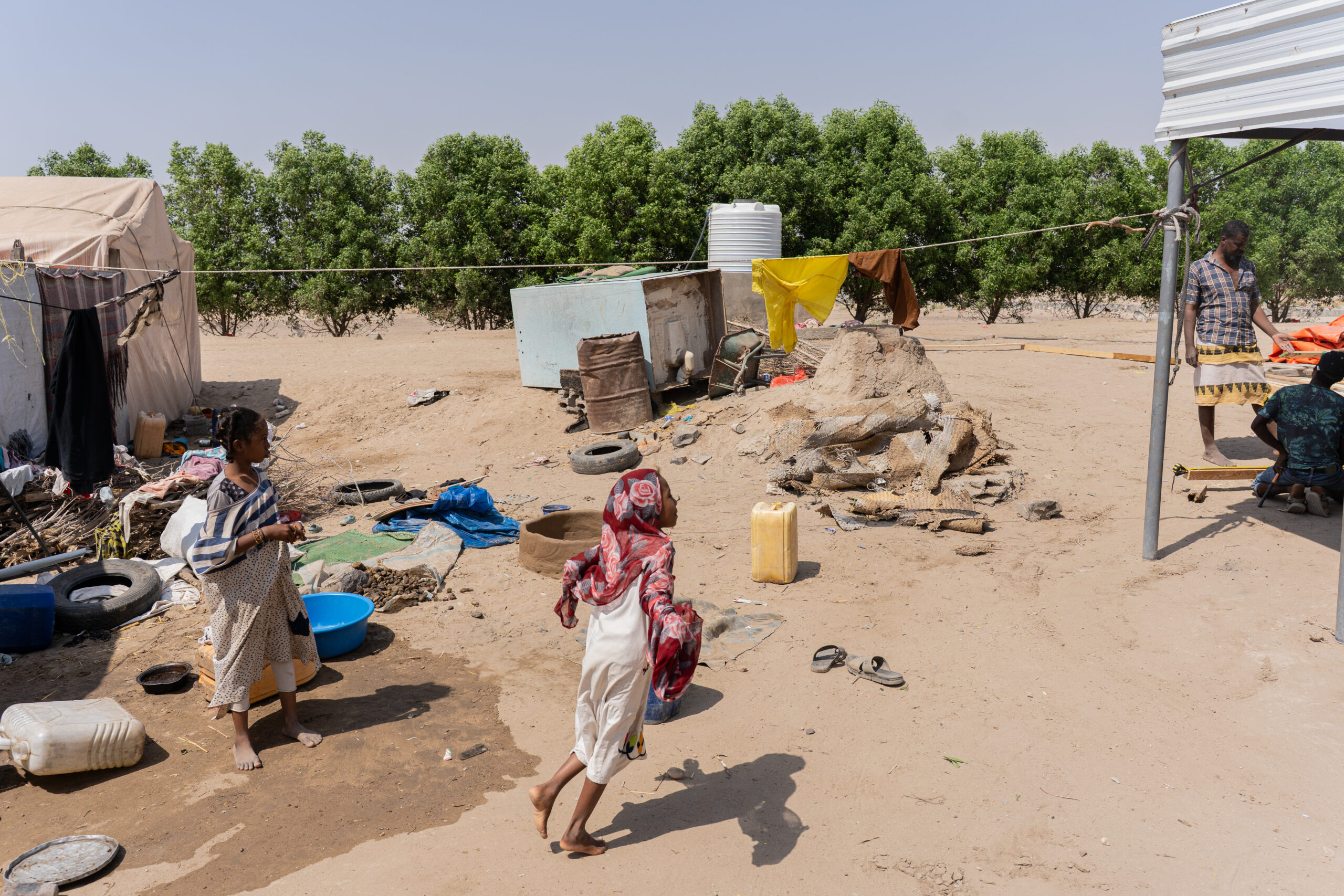
Access to healthcare remains difficult for millions of people across Syria after years of conflict, displacement and damage to health services. Gaps in services, shortages of medicines and equipment, and the condition of health facilities continue to affect the care available to communities. For people recovering after years of conflict, functioning primary healthcare is essential to ensuring they can access care close to where they live as they rebuild their daily lives.
Mohammad Khaled was displaced from Salma, in Latakia governorate, in 2014 and lived in rural Idlib for around ten years before returning home.
“When we first returned, there was destruction and damage. There were no clinics, no hospitals, there was nothing,” said Mohammad.
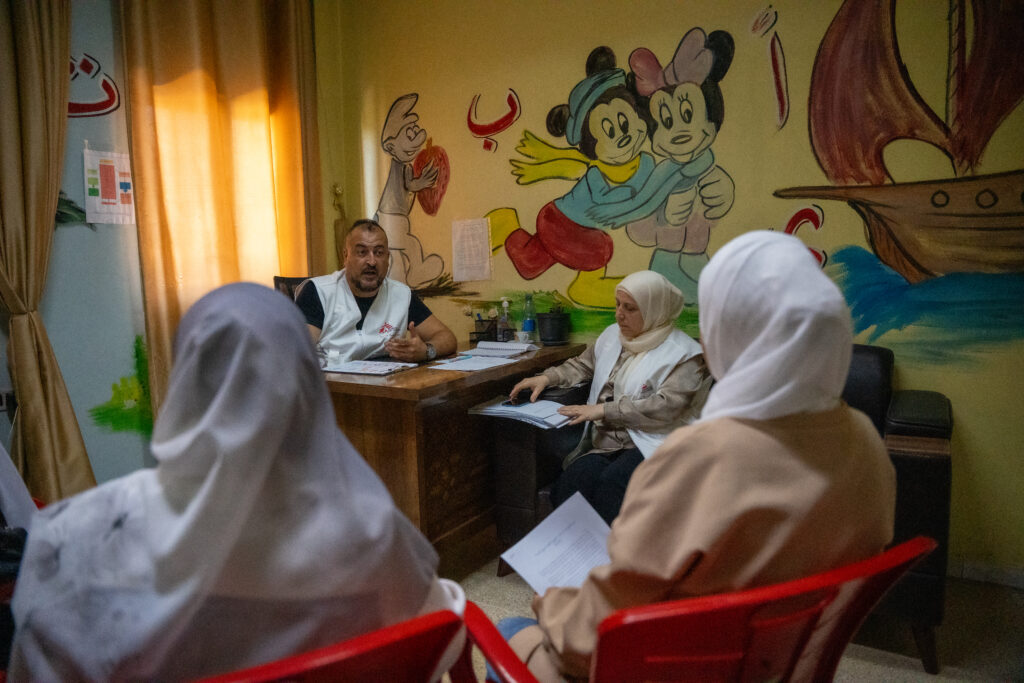
He says some basic services are gradually returning. In Salma, a town heavily affected by years of conflict and now seeing people return, MSF has supported the Directorate of Health to provide primary healthcare since March 2026, initially through a mobile clinic and later by restarting activities at the primary health care centre, which had been rehabilitated by the Ministry of Health with UNICEF support. MSF support includes staff, medical supplies, and capacity building.
According to WHO, 12.8 million people in Syria were estimated to need health assistance as of June 2026.
Access to healthcare remains a major challenge: only 39 per cent of primary healthcare centres and 59 per cent of hospitals assessed through WHO’s HeRAMS health-facility monitoring system are fully functioning, while costs, geographic availability and shortages continued to limit effective access.
World Health Organization reports that High out-of-pocket costs remain an important barrier to accessing care across Syria. Economic hardship compounds these challenges. Persistent inflation, unemployment, and loss of income are affecting families’ ability to meet basic needs, with some delaying or forgoing healthcare as a result. For families already under financial pressure, the combined costs of travel, consultations, medicines, and diagnostic tests can determine whether seeking treatment is possible.
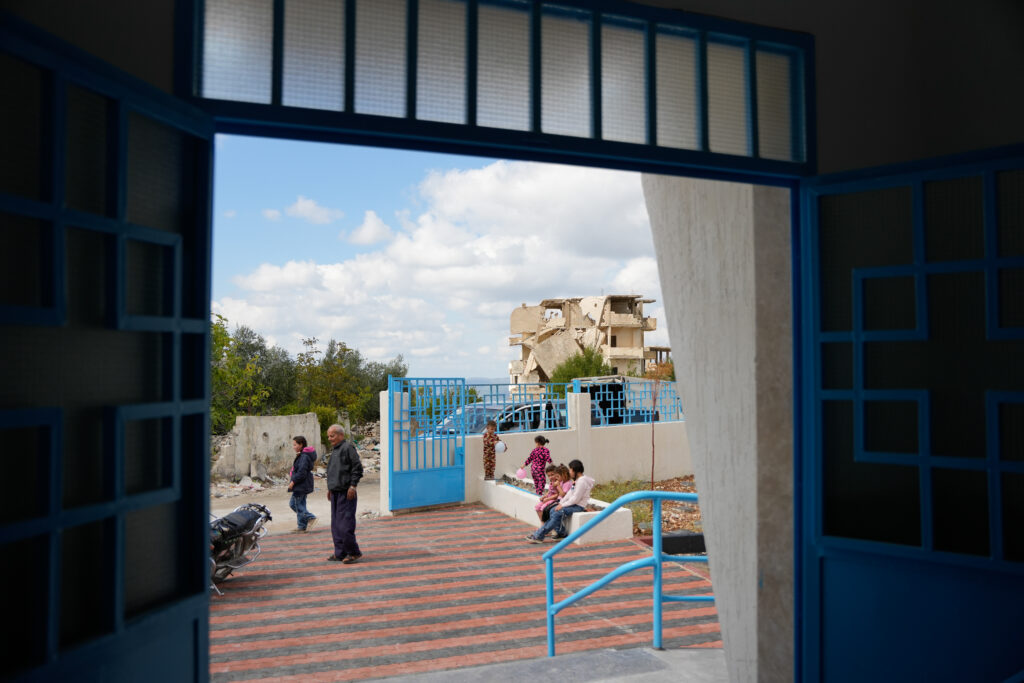
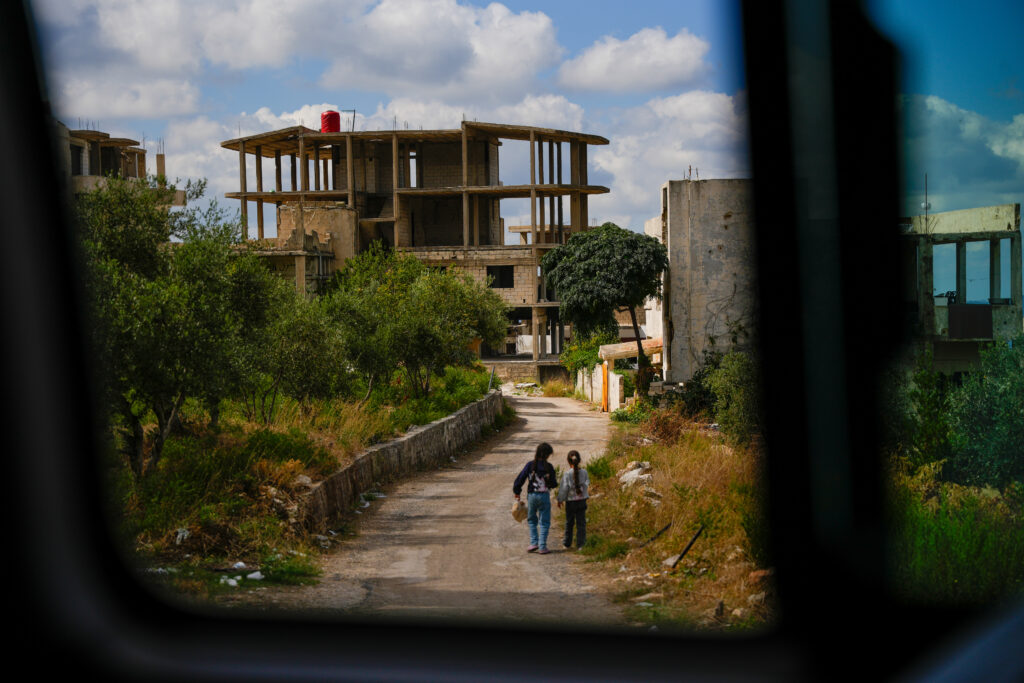
In Tsil, in Daraa governorate, Hawas Ali, originally from Deir ez-Zor and now living and working near Tsil, says the cost of private healthcare can quickly become unaffordable.
“Private doctors are expensive. Everything is expensive,” said Hawas.
At the public family medicine centre in Tsil, MSF team works alongside Directorate of Health staff, supporting free medical consultations, sexual and reproductive healthcare, mental health activities, medicines and referrals.
As of September 2026, almost 15,000 general outpatient consultations had been provided at the centre, alongside more than 1,500 sexual and reproductive health consultations and over 240 referrals.
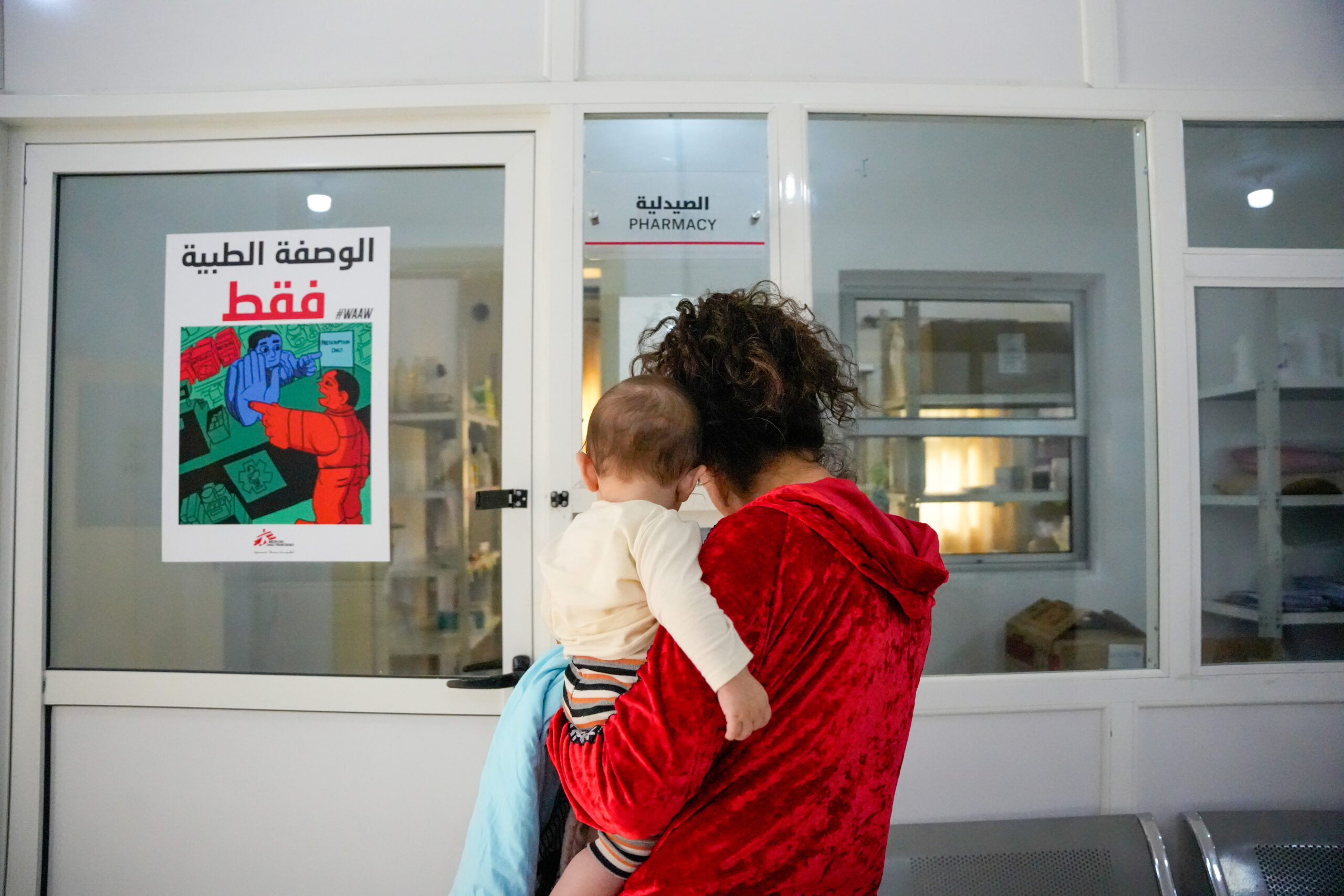
Before MSF began supporting the primary health care centre in Al-Qutaylibiyah, Latakia governorate, gaps in medicine availability had created another financial burden for patients. Dr Nagham Al-Alouni, head of the centre, says patients could be examined at the public health centre but often had to buy much of their treatment by themselves from private pharmacies. “Most medicines had to be bought from pharmacies, so patients had to bear most of the cost,” said Dr Al-Alouni.
More than 20 MSF-supported primary healthcare centres across Syria
MSF supports Directorate of Health teams at the centre with medicines and medical supplies, laboratory services, training, rehabilitation and improvements to triage and patient flow. Support also includes follow-up for people with chronic conditions such as diabetes and hypertension, for whom continuity of treatment and regular access to medicines are essential.
During 2026, MSF supported more than 20 primary health care centres across 10 governorates: Aleppo, Idlib, Raqqa, Hasakeh, Deir ez-Zor, Homs, Daraa, Rural Damascus, Latakia and Sweida, working alongside health authorities.
Between January and September 2026, more than 216,000 general outpatient consultations had been provided across MSF-supported primary health care centres . Activities also included more than 25,000 chronic non-communicable disease consultations, 6,700 antenatal care visits, 5,200 family-planning or contraception consultations, 4,100 individual, couple or family mental health consultations, and 2,600 mental health group sessions.
Note: Figures reflect available MSF reporting consolidated as of September 2026. Reporting periods vary by facility and consultation figures do not represent unique patients.
Supporting services that can continue
MSF works alongside Directorate of Health teams to strengthen existing services and, where possible, support their continuity after MSF’s direct involvement ends.
In Darat Izza, Aleppo governorate, MSF concluded more than three years of direct support to the primary health care centres in March 2026. As services were handed over to the Ministry of Health, MSF provided medicines and other support to help maintain continuity of care.
In Sweida governorate, MSF-supported activities at Sweida primary health care centres and Arman primary health care centre also concluded in June 2026. The services were handed over to the health authorities, with support provided to help maintain continuity of care.
In September 2026, MSF, in collaboration with the directorate of health, inaugurated Al Nashwa primary health care centre in Al Hassakeh city in northeastern Syria following rehabilitation and expansion works. Previously focused on chronic diseases, the centre now provides a broader range of services, including reproductive health, and support for survivors of sexual and gender-based violence.
In Deir Ez-Zor, MSF recently began supporting an existing primary health care centre in Boqruss Foqani village, where MSF teams support the directorate of health in providing outpatient consultations and reproductive health services. Also in September 2026, MSF began supporting four primary health care centres in Rural Damascus: Sayyeda Zeinab, Ghizalaniyyeh, Maliha and Hajar al-Aswad.
“Healthcare is one of the most important services that can help people return,” said Mohammad Rahhal, MSF nursing supervisor in Salma.
His experience reflects the importance of restoring healthcare alongside other essential services as communities rebuild.