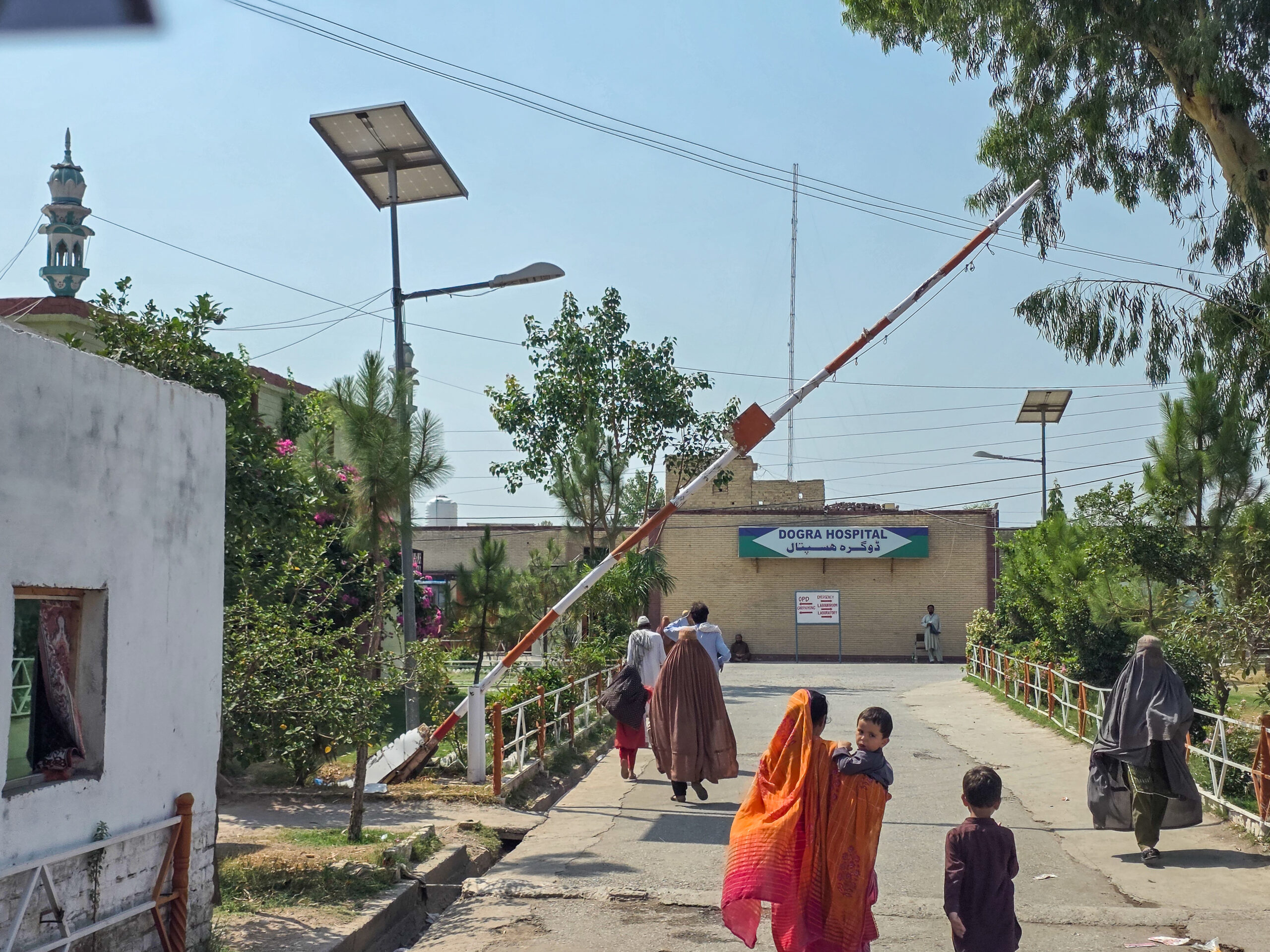
Peshawar/Islamabad, 07 September 2026: International medical humanitarian organisation Doctors Without Borders/Médecins Sans Frontières (MSF), in collaboration with the Government of Khyber Pakhtunkhwa Health Department, marks one year of providing maternal, newborn and cutaneous leishmaniasis services at Dogra Hospital in Bara, Khyber District.
Since beginning its support in July 2025, MSF has worked with the Health Department to strengthen the hospital’s capacity through a dedicated newborn unit, support for maternity services, improved referral systems and specialised care for people affected by leishmaniasis.
The collaboration supports the government’s initiative to upgrade Dogra Hospital from a Type D to a Type C secondary-care facility, significantly expanding its capacity and enabling the provision of a broader range of specialised and essential healthcare services.
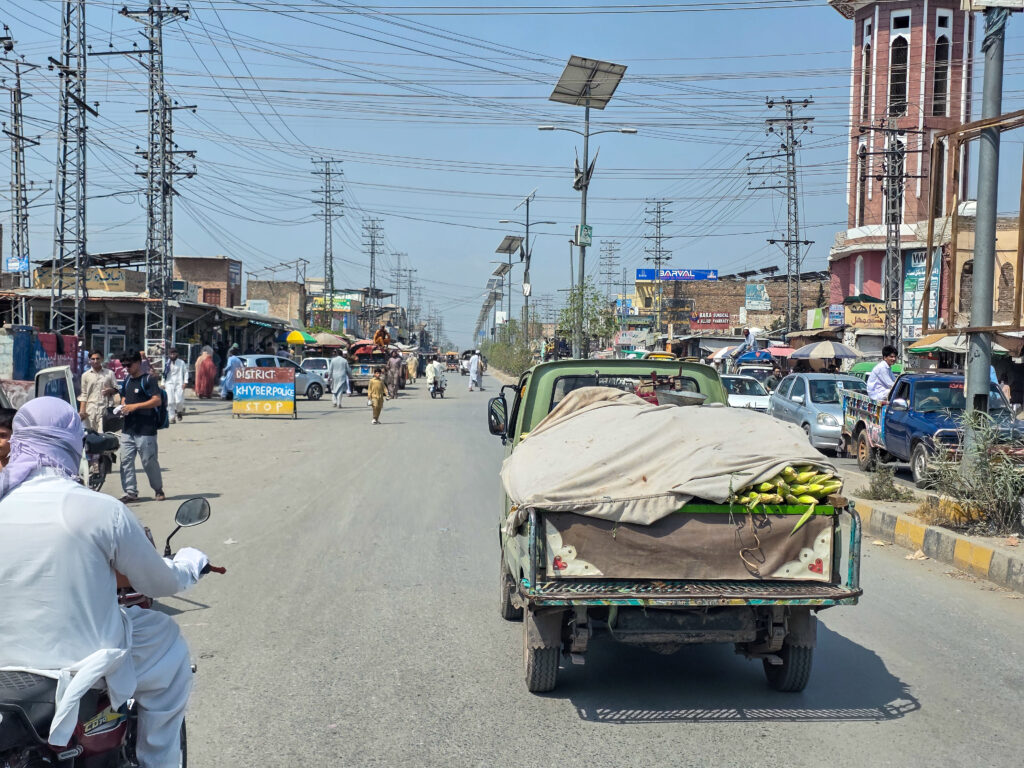
Dogra Hospital serves communities in Bara and surrounding areas, including parts of Tirah Valley and Darra Adam Khel. Strengthening services at the hospital aims to bring timely, quality care closer to communities facing barriers to accessing healthcare.
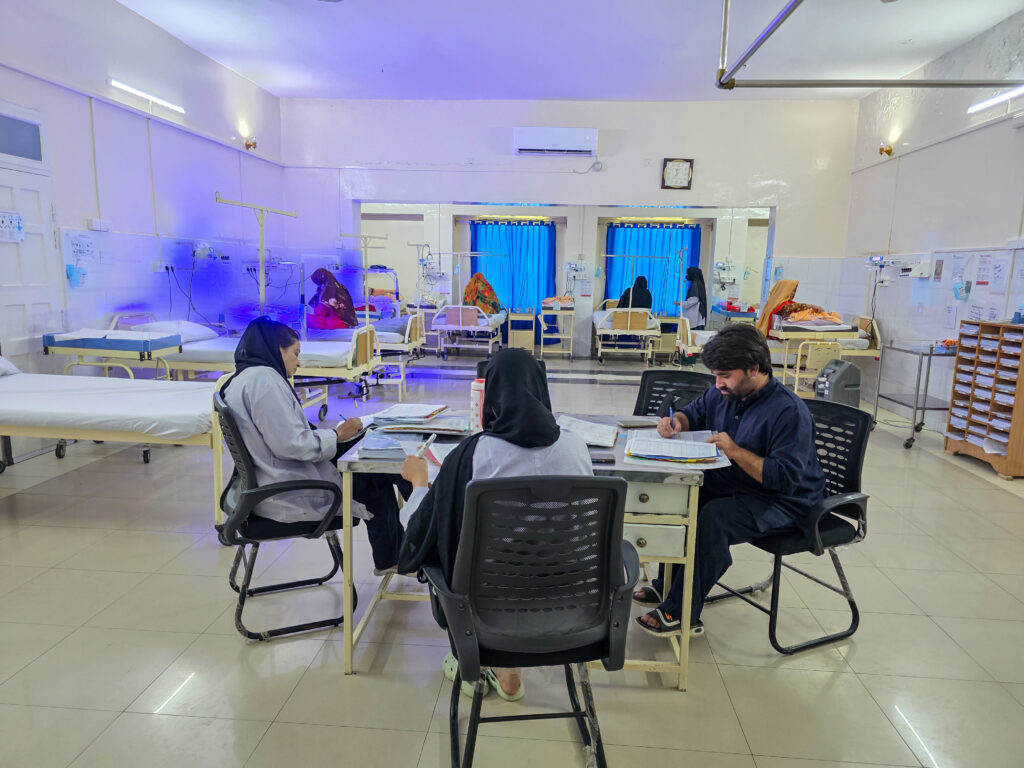
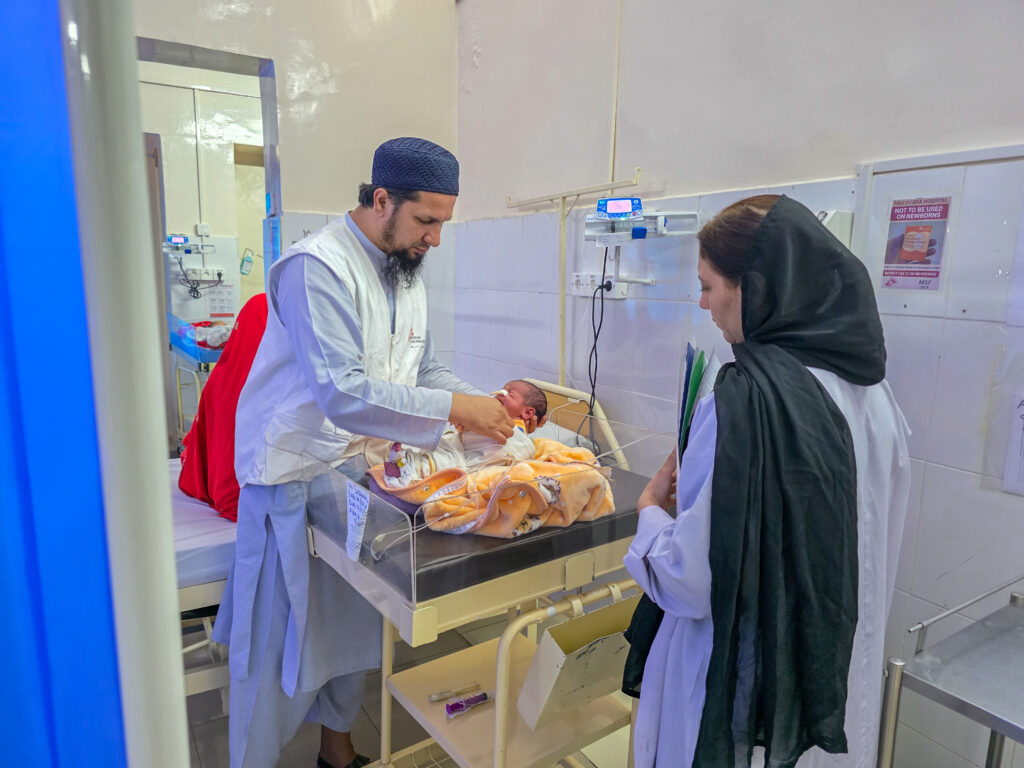
The MSF-supported newborn unit became operational in September 2025 and had treated a total of 348 newborns by August 2026, with a reported neonatal mortality rate of 7.85 percent. In addition, the unit provided consultations to several newborns from the hospital’s maternity ward and surrounding areas. Before the unit was established, newborns requiring specialised assessment or care were routinely referred to larger hospitals in Peshawar.
The newborn unit provides care for premature and sick newborns, including oxygen, thermal and feeding support, monitoring, medicines and laboratory services. The unit follows a zero-separation approach, allowing mothers to remain with their newborns throughout hospitalisation.
This supports breastfeeding and bonding while enabling mothers to participate actively in their newborns’ care. Mothers are also provided with a bed and three meals a day during their stay.
Alongside newborn services, MSF has supported the renovation of the hospital’s maternity ward, sanitary facilities, laundry and sterilisation services, and provided critical staffing and other essential support. Women receive antenatal check-ups and care for complications following delivery, while patients requiring specialised services are referred to hospitals in Peshawar. MSF has also strengthened the referral process by assessing patients before transfer and coordinating with receiving hospitals. An ambulance has been donated to the Health Department to support referrals in the district.
“The partnership between MSF and the Health Department has been highly valuable in strengthening our capacity to deliver quality, patient-centred healthcare,” said Dr Azzad Khan, Medical Superintendent of Dogra Hospital. “MSF’s technical support and training have strengthened emergency, maternal and child healthcare, infection prevention and control, staff capacity building and essential hospital services.”
The collaboration also supports a dedicated leishmaniasis clinic at Dogra Hospital, including through shared staffing and medical supplies to strengthen the clinic’s capacity to diagnose and treat leishmaniasis. Between July 2025 and August 2026, the clinic screened 896 people, with 424 patients starting treatment after testing positive.
“The newborn unit, maternity and leishmaniasis clinic at Dogra Hospital serve not only the communities of Bara but also people from surrounding areas who face significant barriers to accessing specialised healthcare,” said Andualem Birhanu, MSF Project Coordinator. “By strengthening infrastructure and the hospital’s clinical capacity, this collaboration aims to bring essential and specialised care closer to communities.”
MSF is working across two other locations in Khyber Pakhtunkhwa, including Tirah Valley, where primary healthcare services are provided, and at Government Naseer Ullah Khan Babar Memorial Hospital, where cutaneous leishmaniasis care is provided. MSF first began working in Pakistan in 1986 and currently supports maternal and child healthcare, tuberculosis treatment, cutaneous leishmaniasis care, primary healthcare and emergency response services across all four provinces.