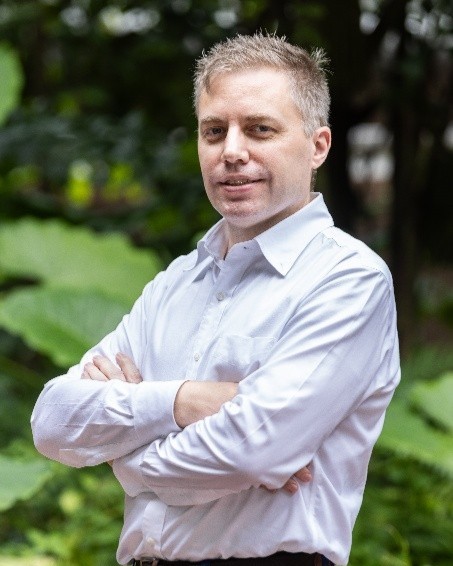
Dr. Alex Cook
Dr Alex Cook is a Professor in the Saw Swee Hock School of Public Health at the National University of Singapore (NUS), where he is also the Vice Dean of Global Health. He was the founding director of the Centre for Epidemic Research and Modelling. His work uses quantitative methods such as infectious disease modelling and statistics to address public health problems, including dengue, COVID-19, influenza, diabetes and tobacco control. His multidisciplinary team brings together researchers from the fields of statistics, computational biology, computer engineering, mathematics, geography and environmental sciences.
Research by the Cook lab is often in close collaboration with government agencies. Examples of the contribution of his work to national policy making include:
(1) His team’s projections of the future burden of diabetes in Singapore was cited in the Committee of Supply as the Minister of Health declared ‘war’ on diabetes;
(2) His team’s work during the COVID-19 pandemic provided information to support government decisions in reopening society, border measures, and vaccination;
(3) His close collaboration with the National Environment Agency has led to the development of a realtime dengue forecasting algorithm that is routinely used as part of Singapore’s vector control programme.
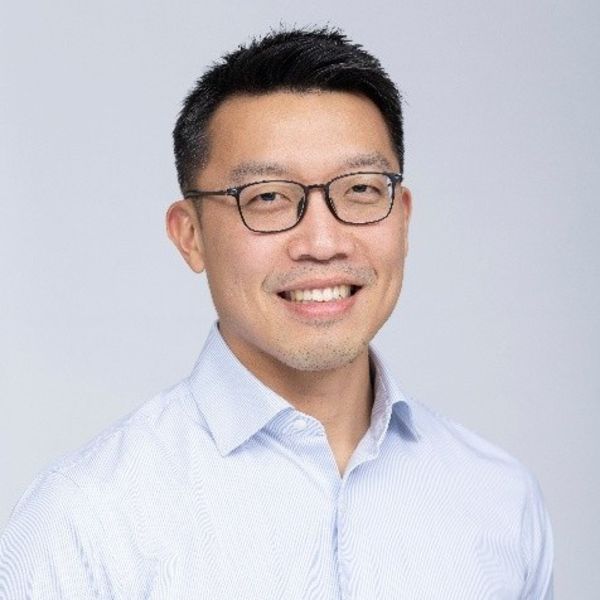
Alvin Kuo Jing Teo
Alvin Kuo Jing Teo is a Research Fellow at the University of Sydney with a background in pharmacy, public health, and implementation science.
His primary research programme focuses on strengthening tuberculosis detection and prevention in high-burden settings across the Western Pacific Region. His interests include global health, infectious disease epidemiology, implementation science, and health systems strengthening. He collaborates widely with academic partners, governments, implementers, community groups, and multilateral agencies in the region.
He previously worked with Médecins Sans Frontières (MSF), supporting medical humanitarian projects in dynamic environments across Africa, Asia, and Eastern Europe. From 2018 to 2021, he served on the Board of Directors of MSF Hong Kong. He currently serves on the Board of Directors of MSF Asia Pacific.

Dr. Christina Wong
Dr. Christina Wong is an Associate Professor at the Saw Swee Hock School of Public Health, National University of Singapore. A socio-behavioral scientist, she specialises in implementation science and qualitative research. Prior to joining NUS, Dr. Wong spent over 17 years with an international NGO. There, she conducted formative research to inform the introduction of new health interventions — including HIV PrEP and contraceptive technologies — and worked with ministries of health, NGOs, and academic institutions to scale up evidence-based interventions across Asia-Pacific and Africa.
Her work spans HIV prevention, reproductive and maternal health, child nutrition, and innovative health technologies. She is recognised for advancing participatory methods such as photovoice to empower vulnerable communities. She also leads research on health equity, community engagement in clinical trials, and access to safe drinking water in Southeast Asia. Dr. Wong is committed to developing context-sensitive solutions that improve health outcomes for underserved populations worldwide.

Dr Bhargavi Rao
Dr Bhargavi Rao works part-time at the Manson Unit, MSF UK as the strategic lead for research and a Malaria/Infectious Diseases specialist. She is also a Clinical Associate Professor in Humanitarian Health at the London School of Hygiene & Tropical Medicine, which includes co-leading the new MSc distance learning program on Health in Humanitarian Crises. Bhargavi has worked in humanitarian responses across multiple contexts and is a public health clinician with a PhD in infectious disease epidemiology.
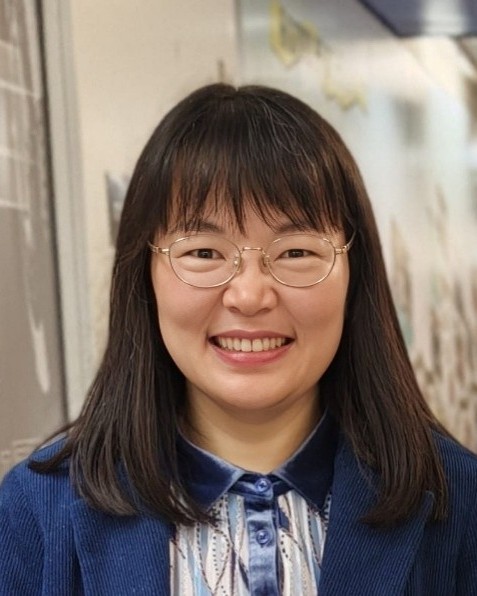
Dr. Chunlan Guo
Dr. Chunlan Guo serves as Assistant Director of the Collaborating Centre for Oxford University and CUHK on Disaster and Medical Humanitarian Response (CCOUC) and as a Lecturer at the School of Public Health and Primary Care, The Chinese University of Hong Kong. Her multidisciplinary expertise encompasses population health, disaster risk management, digital technologies, and field-based training. She has authored more than 50 publications, including peer-reviewed journal articles, book chapters, international standards, and disaster research reports.
Dr. Guo has served as Principal Investigator on a range of research grants, including projects funded by the National Natural Science Foundation of China (NSFC) and university pedagogical research initiatives. In recognition of her leadership in City Information Modelling and Urban Digital Twins standards, she was honoured with the prestigious IEC 1906 Award in 2022.
Colleen Daniels
Colleen has 28 years’ experience as a Regional Director, Director, and Youth Ambassador in communicable and non-communicable diseases, gender, human rights, challenging operating environments, and community systems strengthening, working to deliver access to essential health services.
She has worked in programs globally and has successfully worked in a variety of settings, including the World Health Organization (WHO), Stop TB Partnership (UNOPS), international NGOs Treatment Action Group, Harm Reduction International and the Tongan and Australian Governments (Departments of Immigration, Foreign Affairs/AusAID).
Dr. Devaki Nambiar
Dr. Devaki Nambiar is a Health Policy and Systems Researcher with an interest in social inclusion, health equity, gender mainstreaming and the right to health. In addition to close to two decades of research engagement in various Indian states and majority world countries, she has provided technical inputs and co-facilitated regional and national courses and trainings across WHO regions on health equity, gender and health, as well as health inequality monitoring.
A former Fulbright, Fogarty and National Institutes of Health (NIH) Postdoctoral and India Alliance Intermediate fellow, Devaki is currently an India Alliance Senior Fellow in Clinical and Public Health,a Lancet-Chatham House Commissioner on Population Health Post COVID-19, a Lancet Commissioner on Sustainable Healthcare, and advisor to Lancet Commissions on Reimagining India’s Health System. She received her doctorate in public health from the Johns Hopkins Bloomberg School of Public Health in 2009 and received the 2018 Emerging Leader Award from the Royal Society for Tropical Medicine & Hygiene.
Dr Harvy Joy Liwanag
Dr Harvy Joy Liwanag is a Filipino health systems scholar committed to advancing ‘Health for All.’ He does so by interrogating policy questions where the knowledge is used for practical health system reforms. He’s been cited and recognized for his studies on decentralization and his role in developing the national health workforce masterplan of the Philippines.
His proposed framework for institutional capacity strengthening in health policy and systems research (HPSR), co-created with partners in Asia, has guided capacity-building initiatives in the Philippines, Nepal, Indonesia, and Cambodia, while his papers on reflexivity and accountability have contributed to discussions about transforming global health. His experience spans academia, government, and international organizations, including as a former scientist at the Philippine Department of Health and a former postdoc at the United Nations University in Malaysia. He currently leads the Philippine Program at the NUS Saw Swee Hock School of Public Health, where he also teaches the course “Health Systems and Policy: Theory and Practice.” He holds a dual degree of MD, MBA from the Ateneo de Manila University and a PhD in Epidemiology from the Swiss Tropical and Public Health Institute.
Parthesarathy Rajendran
Parthesarathy Rajendran, Executive Director, MSF South Asia, is a humanitarian and global health expert with nearly 20 years of experience in crisis response and international development. He holds academic qualifications in Economics, Anthropology, and International Health from Heidelberg University. He has served for over 20 years with MSF, and has served in senior leadership and coordination roles
across countries including South Sudan, Ethiopia, Somalia, Bangladesh, and Nauru. He also works as a Senior Researcher at the Heidelberg Institute of Global Health, where he develops capacity-building programs and supports public health curriculum development. Since 2021, Sarathi has served on the international board of MSF and was briefly the organization’s International Vice President from 2024 to 2025.
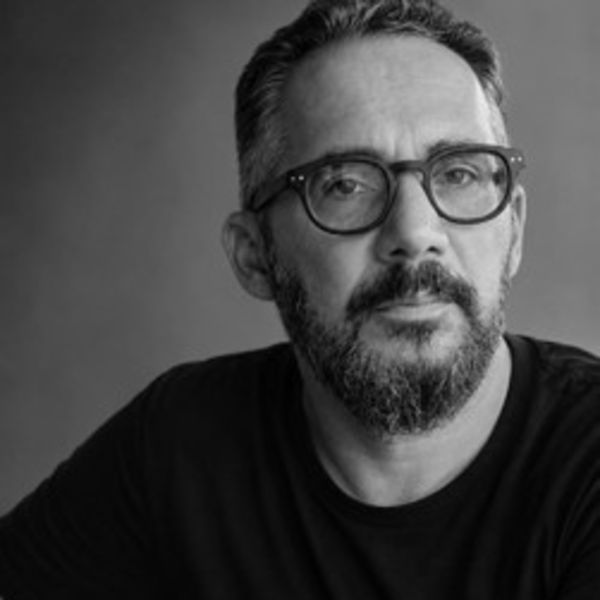
Dr Petros Isaakidis
Dr Petros Isaakidis, MD, PhD, is a clinician and epidemiologist with a focus on infectious disease surveillance and outbreak investigations. He served as a biological disaster planner for the 2004 Athens Olympic Games. Since 1997 he has worked with humanitarian organisations, primarily Médecins Sans Frontières (MSF), across Zimbabwe, Palestine, Kenya, Cambodia, Thailand, India, and South Africa.
His roles have included coordinating medical programmes, particularly large-scale HIV and TB projects, and supporting evidence generation through field-based operational research. In 2012 he became a Senior Operational Research Fellow at MSF Luxembourg’s Operational Research Unit (LuxOR), where he mentored participants in Structured Operational Research Training Initiative (SORT-IT) courses across Europe, Africa, and South Asia. In 2017 he joined the MSF Southern Africa Medical Unit (SAMU) in Cape Town as Operational Research Coordinator, supporting a research portfolio that covers HIV, TB, hepatitis C, and non-communicable diseases across sub-Saharan Africa, South Asia, the Middle East, and Eastern Europe. He has published over 170 peer-reviewed papers, cited approximately 7,000 times.
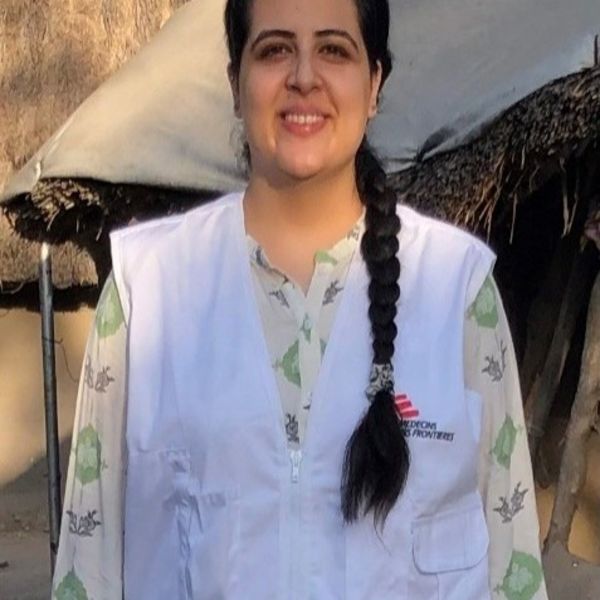
Dr Samreen Hussain
Medical doctor and public health specialist with extensive experience across complex, low-resource, and high-insecurity settings. Currently serves as a Medical Quality Advisor with Médecins Sans Frontières (MSF), supporting multiple country programs to strengthen patient safety, quality of care, and clinical governance. Previously held senior medical coordination roles for MSF, overseeing multi-project portfolios spanning primary and secondary care, emergency response,
HIV, malnutrition, and Sexual and Reproductive Health services. Brings expertise in evidence-based program design, medical management, quality improvement, and advocacy on humanitarian and medical priorities. Holds an MBBS, an MSc in Public Health, and an MA in International Journalism, with additional training in Global Health and Ethics.
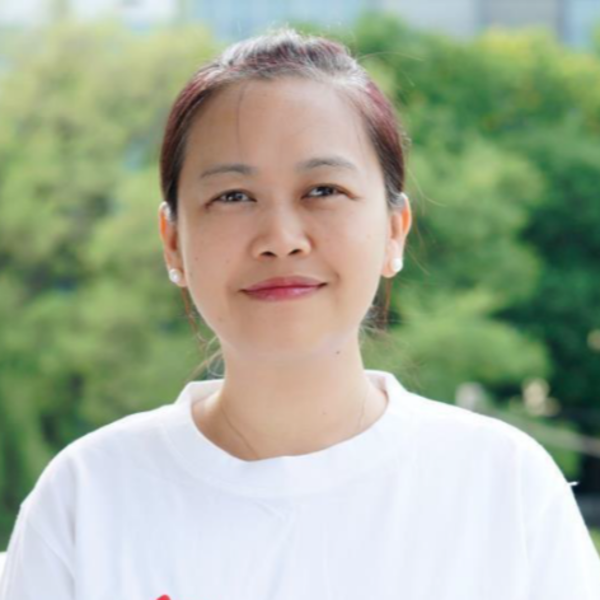
Dr Yuan Huang
Dr Yuan Huang currently serves as the Medical Representative of MSF Beijing Office. She is the strategic lead for stakeholder engagement and advocacy in medical care and public health in China. Dr Huang Joined MSF since 2015 and has worked in different projects in Africa and China. She is a medical doctor with MSc in both internal medicine and public health. Initially a physician, medical educator and clinical researcher in non-communicable diseases in China.
Dr Huang started working in Africa since 2012 and has gain extended experience and developed her expertise in infectious disease. She has worked in medical education, public health and humanitarian programmes across different settings in LMICs. Her work included technical support in medical education curriculum development, national TB/HIV guideline development and implementation, as well as trainings, programme development and delivery in emergency response during the Ebola outbreak in west Africa. Prior to her current role, she served as a clinical advisor for the New Drug Introduction Project (NDIP) for Chinese National TB Control Programme, and a member of the national clinical advisory committee for new treatments for drug resistant TB.
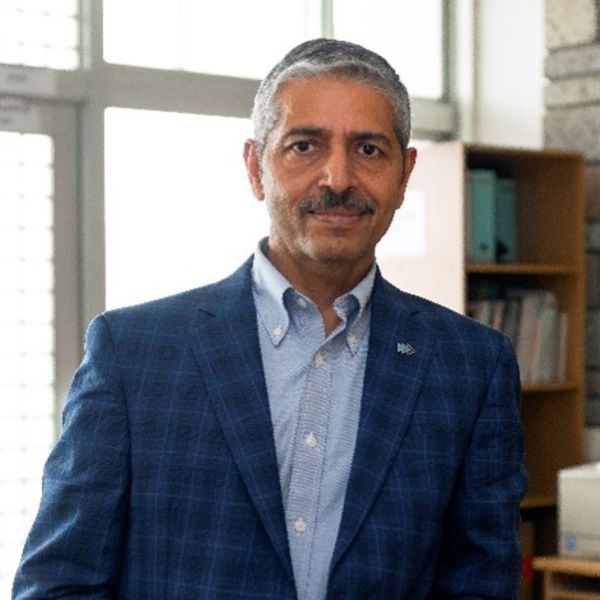
Dr. Sanjay Sarin
Dr. Sanjay Sarin is Continental Lead and Director, South Asia, at the Drugs for Neglected Diseases initiative (DNDi), where he leads regional strategy, operations, partnerships, and resource mobilisation across Asia. He brings more than two decades of leadership experience in global health, healthcare innovation, and access to medical technologies.
Before joining DNDi, Sanjay served as CEO of IKP Knowledge Park. He previously spent nine years at FIND, including as Vice President, Access, and Country Director for India.
At FIND, he managed a portfolio exceeding US$100 million, across tuberculosis, AMR, viral hepatitis, pandemic threats and NTDs.
Sanjay has also held senior roles at Becton Dickinson and the Clinton Health Access Initiative. He holds a PhD in Biochemistry and has completed executive programmes at Harvard Business School and Bocconi University. He has authored more than 30 peer-reviewed publications and serves on global health advisory and academic boards.
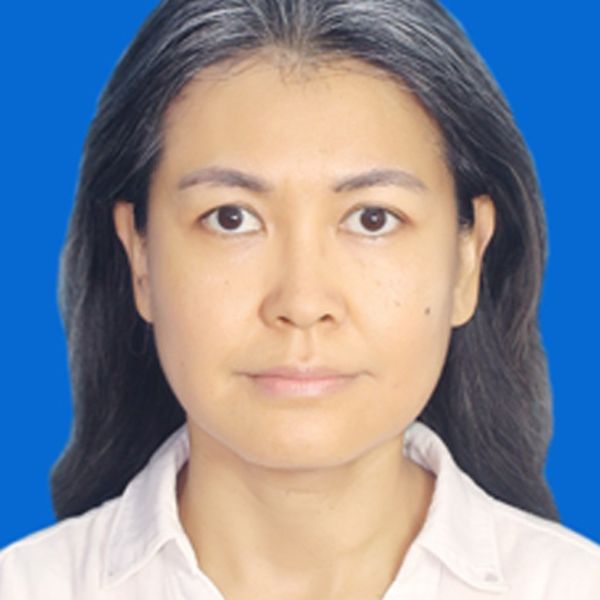
Dr Yin Win KHIN
Dr Yin Win KHIN is a public health physician and humanitarian medical leader with more than 20 years of international experience in strategic health management, emergency response, HIV/TB care, and health systems strengthening. Currently serving as Strategic Medical Advisor and Medical Unit Team Leader with Médecins Sans Frontières (MSF-Switzerland) in Amman, Jordan, she leads medical strategy development and oversees multidisciplinary teams supporting diagnostic, nursing care, and antimicrobial resistance.
Throughout her career, Dr. KHIN has held senior coordination and advisory roles across Africa, the Middle East, Asia, and Eastern Europe, including assignments in Ukraine, Sudan, Kenya, Uganda, Libya, Iraq, Thailand, South Sudan, Yemen, PNG, and Myanmar. Her expertise spans HIV/AIDS, tuberculosis, refugee and migrant health, mental health, maternal and child health, emergency and epidemic response, and health service delivery in conflict and humanitarian settings.
Dr. KHIN holds a Master of Public Health from Mahidol University, Thailand, and a Bachelor of Medicine and Bachelor of Surgery from the University of Medicine 2, Myanmar.

Dr. Shahmir H. Ali
Dr. Shahmir H. Ali is an Assistant Professor at the Saw Swee Hock School of Public Health, National University of Singapore, who earned his Bachelor’s degree from Johns Hopkins University and his PhD in Public Health from New York University’s School of Global Public Health.
His research focuses on understanding and leveraging the power of family, community, and interpersonal networks to promote sustainable health behavior change, examining the socio-ecological and relational factors that shape dietary behavior, cardiovascular health, and chronic disease risk, with an emphasis on equitable and culturally grounded interventions.
He brings strong mixed-methods training to this work, with particular expertise in innovative qualitative methodologies, dyadic interviewing, and social network analysis, alongside quantitative and geospatial methods. His research spans the United States, Australia, and East, Southeast, and South Asia, covering topics such as family and social dynamics, food environments, digital health, and program evaluation and implementation science, through sustained interdisciplinary collaboration aimed at producing meaningful, lasting impact at both the individual and systems levels.