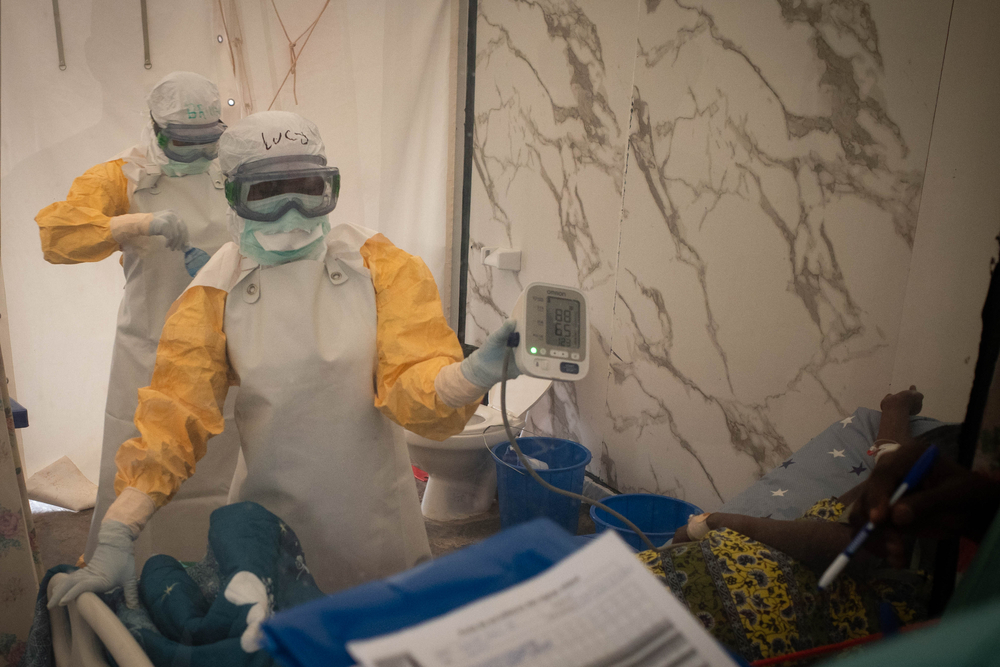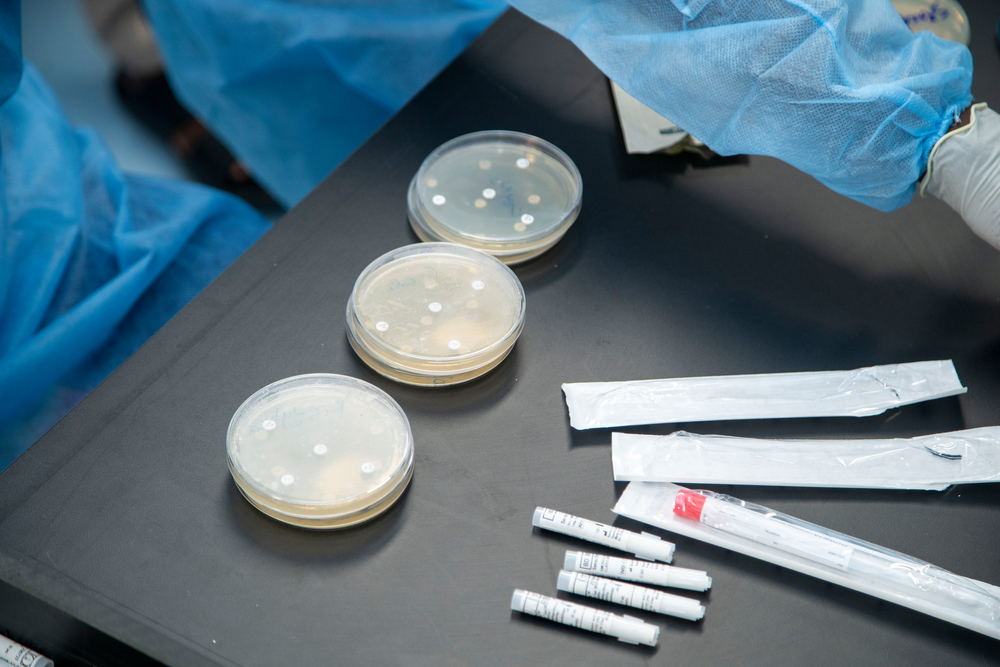
Supporting laboratory teams to inform patient care and strengthen AMR surveillance.
Antimicrobial resistance connects human health, animal health, food systems and the environment. For World AMR Awareness Week 2026, the World Health Organization’s campaign highlights the One Health approach through the theme “One Health, one action: Prevent AMR now.” Strengthening diagnostic capacity in human health is one practical contribution to this shared response.
An integrated response built on complementary actions
Antimicrobial use and the spread of resistant bacteria extend across healthcare facilities, communities, livestock farming, food systems and the environment. Addressing antimicrobial resistance therefore requires complementary actions: preventing infections, promoting appropriate antimicrobial use, reducing environmental contamination, strengthening diagnostics and improving surveillance.
Each sector contributes through its own expertise and responsibilities. In human health, microbiology laboratories provide information that helps clinicians understand bacterial infections and decide how to treat them.
Antimicrobial susceptibility testing determines a bacterium’s susceptibility to antibiotics. Reliable interpretation of these tests can inform treatment decisions, support antibiotic stewardship and improve understanding of resistance patterns observed locally.
Supporting laboratory teams with Antibiogo
Producing useful results requires trained professionals, appropriate tools and access to microbiological expertise. These resources remain unevenly available.
Developed by the MSF Foundation, Antibiogo is a free smartphone diagnostic tool that works offline. It supports laboratory professionals in measuring and interpreting antimicrobial susceptibility tests in line with the latest guidelines from EUCAST and CLSI, integrated into the application.
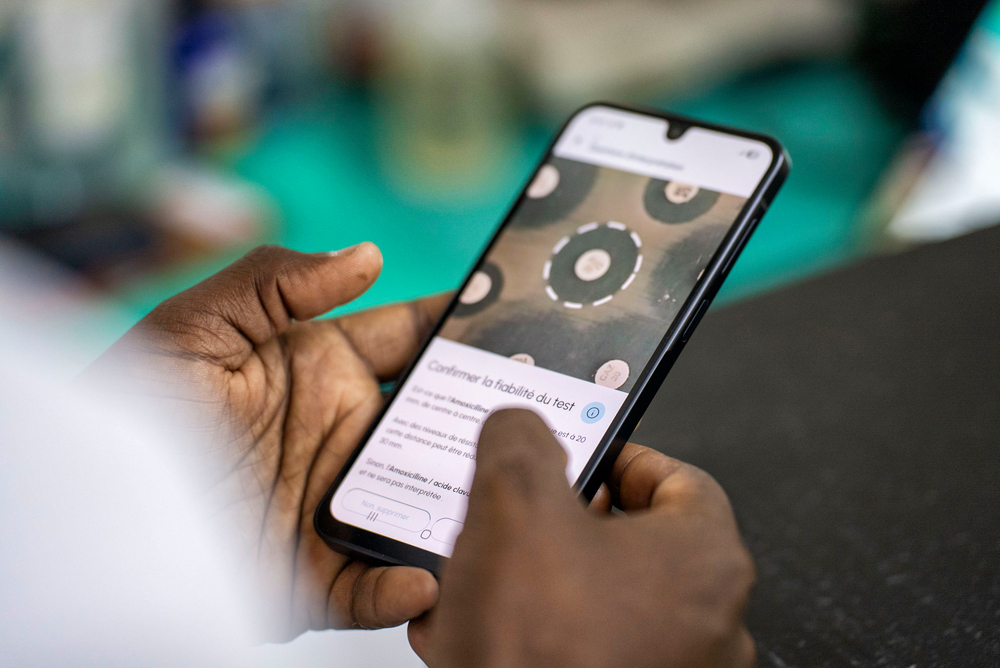
The application forms part of a broader approach that includes training, skills development and support for laboratory practice. Together, these elements help teams translate diagnostic capacity into information useful for patient care.
From laboratory results to a shared response
Consistent interpretation also matters beyond individual patients. When laboratory results feed into surveillance systems, their quality helps determine how reliably resistance patterns can be understood and monitored. Through its AST Merge feature, Antibiogo enables laboratories to export standardized antimicrobial susceptibility testing results to WHONET, supporting national surveillance and, where countries choose to participate, reporting to WHO’s GLASS system.
Antibiogo therefore contributes to the One Health response through practical action in human health: supporting laboratory teams, informing treatment decisions and connecting quality laboratory results with broader AMR surveillance efforts.
Throughout WAAW 2026, field stories from Yemen and Mauritania will illustrate this contribution, showing how training, knowledge transfer and the integration of Antibiogo into everyday practice can support laboratory capacity.