When people think about health needs in Syria, they often think first of trauma care, surgery, mental health or outbreaks. But for people living with diabetes, the danger is often quieter: a missed insulin refill, a delayed check-up, no way to monitor blood sugar, or complications that are treated too late.
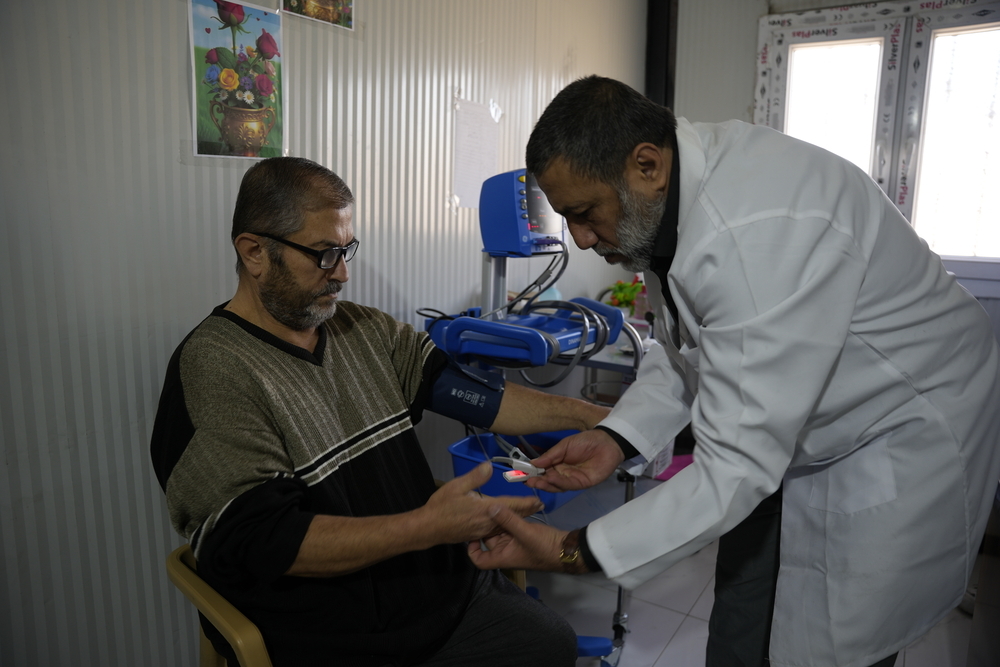
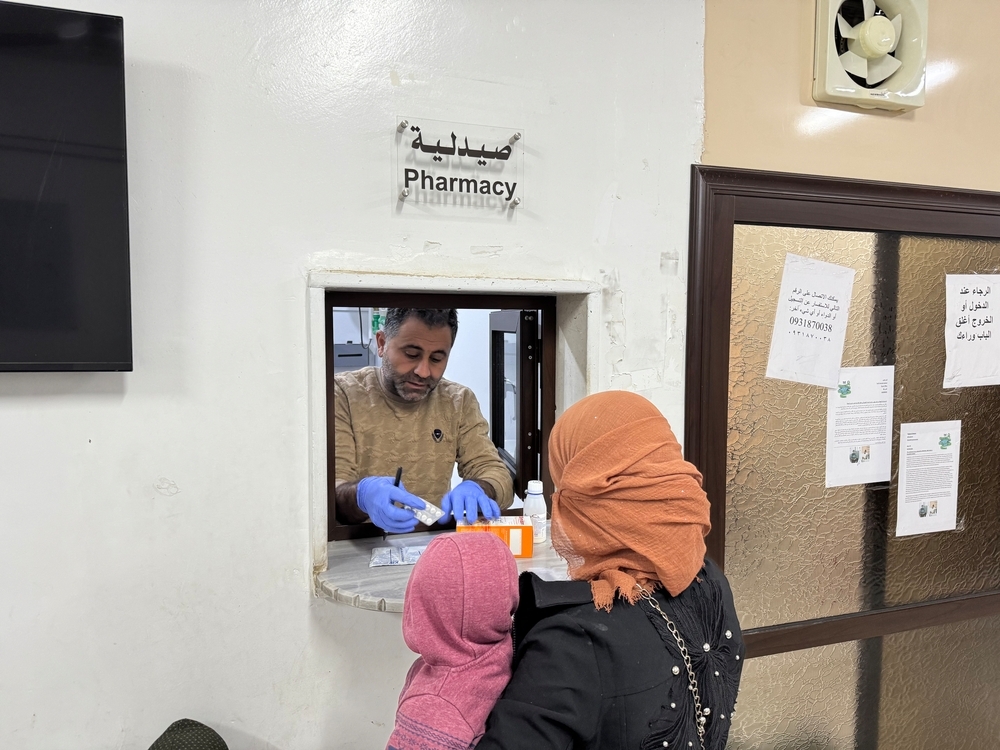
MSF supports the Ministry of Health to provide diabetes care across 10 of Syria’s 14 governorates. In 2025, around 70,000 diabetes consultations were carried out in MSF-supported facilities in Syria. This is the largest number of diabetes patients supported by MSF anywhere in the world.
Diabetes is a lifelong disease, with some people developing it as children and others later in life. People need regular follow-up, monitoring, patient education, and care for complications. When one part of that chain fails, a manageable condition can quickly become dangerous.
“In Syria, diabetes does not wait for the country to recover,” says Dr Ahmad Eid, MSF Medical Doctor Supervisor. “A missed refill or missed follow-up can turn a stable condition into an emergency very quickly.”
Many patients are managing diabetes in a health system still affected by shortages of staff, medicines, and specialised services, while cost, distance, and transport make regular care harder to reach, especially for those facing economic hardship.
“Late diagnosis is a big problem,” says Dr Eid. “About 25% of people with diabetes don’t even know they are sick, which leads to serious complications and catastrophic consequences in some cases.”
According to International Diabetes Federation in 2024, an estimated 2.2 million adults in Syria are living with diabetes –that’s around 19 percent of people aged 20 to 79, compared to a global average of around 11 percent. For many of them, the challenge is not only starting treatment but keeping it going month after month.
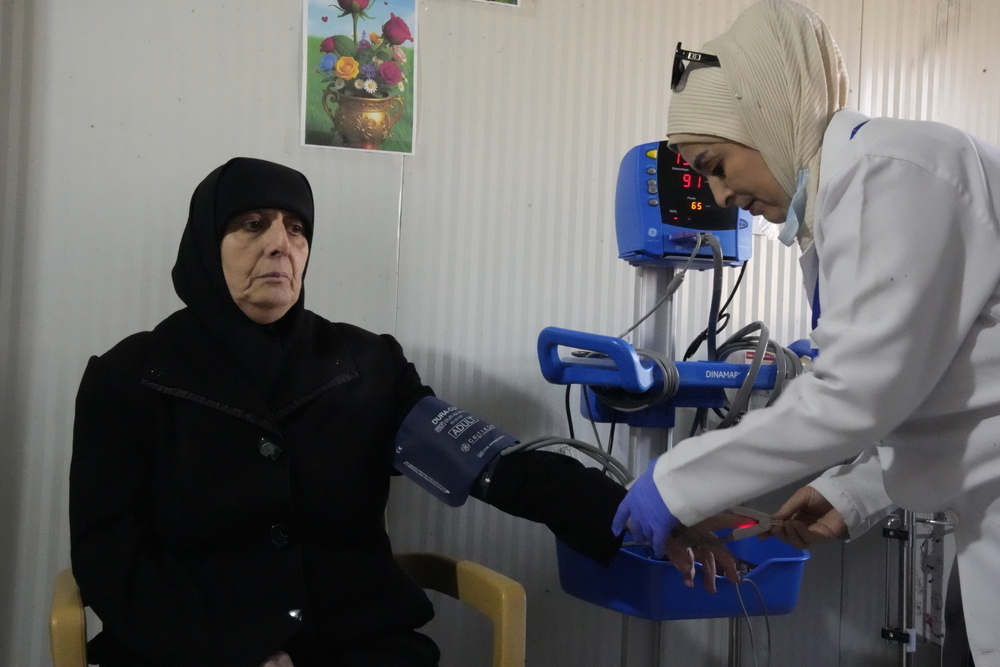
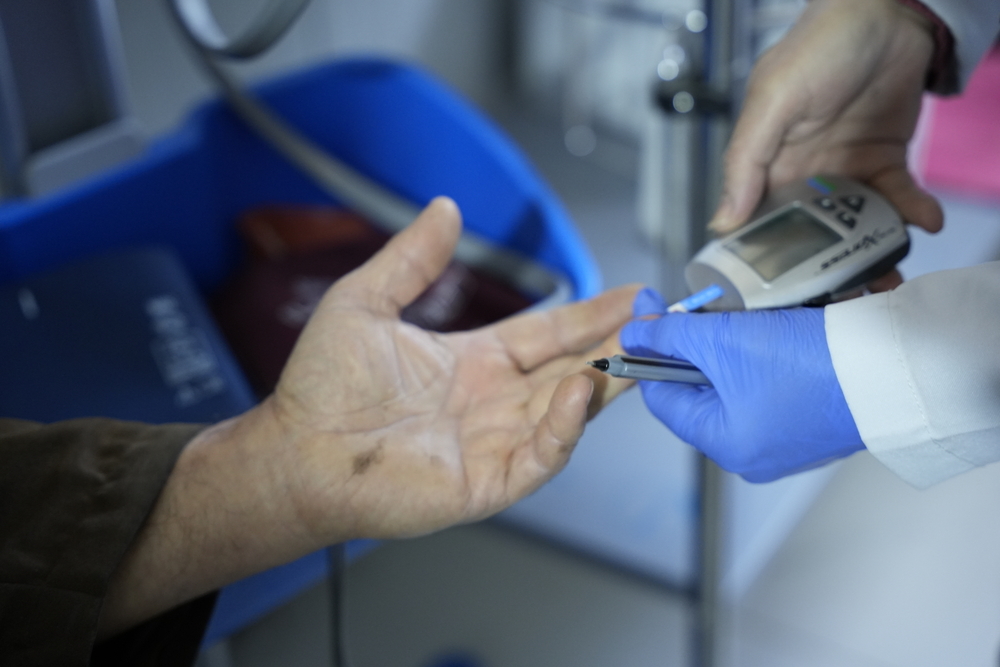
Medicine alone is not enough. People living with diabetes need continuity of care: regular consultations, glucose monitoring, support to understand and manage their condition, and treatment when complications arise. Without that continuity, the risks will grow fast.
“I have had diabetes for more than ten years. We live far from the clinic, in the Ghiweran neighborhood. I am blind, so I cannot come on my own and sometimes have to ask people to bring me. I take insulin and receive treatment at Al Nashwa clinic. They provide diabetes medication and carry out medical tests. Tests outside the clinic are very expensive, but here they are free, along with the medication.” Mohammad Awad, patient with diabetes
World Diabetes Day on 14 November is an opportunity to shine a light on a health issue that is often overshadowed by more visible emergencies. In Syria, the impact of conflict is also measured in the daily struggle to live with chronic disease. For people with diabetes, continuity of care can mean the difference between stability and serious complications.