Simple, innovative solutions are improving access to insulin in the world’s largest refugee camps
One night, in the summer of 2017, Lalu Begum awoke to her next-door neighbour’s house on fire.
Their town was being attacked as a wave of horrific violence swept across Myanmar’s Rakhine state. On August 25, 2017, the Myanmar government had launched a military campaign against the Rohingya people, a predominantly Muslim ethnic minority group who had suffered decades of discrimination and persecution.
As military forces moved through the neighbourhood, setting homes alight, Begum, along with her husband and two sons, gathered what they could and made for the Naf River, which separates Myanmar from neighbouring Bangladesh. The family spent the rest of the night in the forest, keeping hidden as best they could, until they found an abandoned boat at the river’s edge and crossed the border.
Begum and her family were among more than 700,000 Rohingya people who were driven out of Myanmar in a matter of weeks.
In Bangladesh they joined hundreds of thousands more who had fled their homes in previous cycles of violence, settling in the sprawling Kutupalong refugee camps.
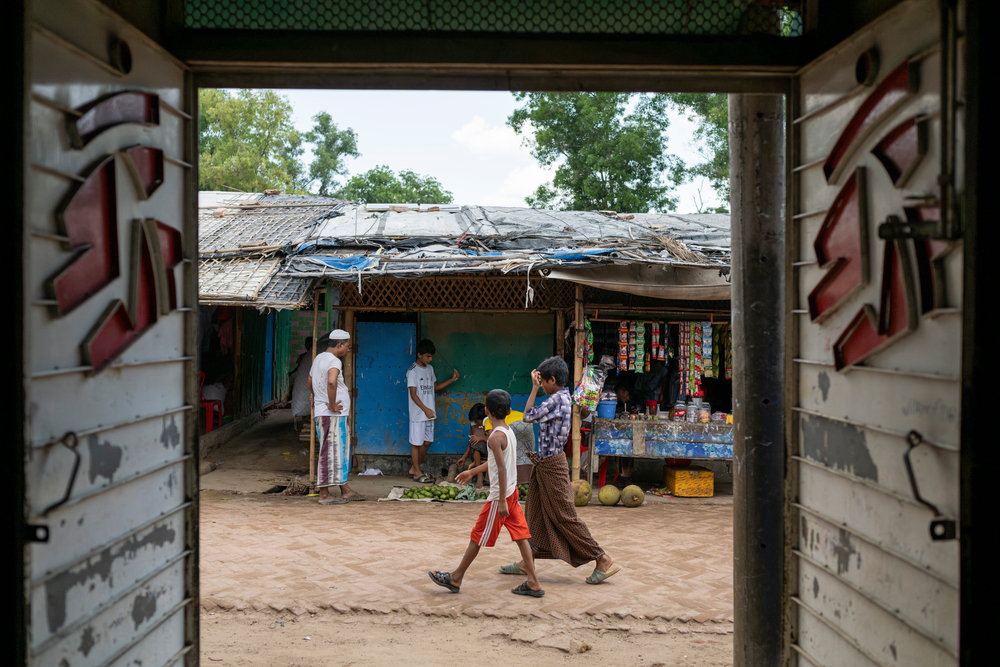
Today more than a million stateless Rohingya people are stranded here in what has become the largest refugee camps in the world. Most live in shelters built from strips of bamboo and plastic sheeting set among the hills of what was once the Ukhiya forest area near the coastal Bangladeshi city of Cox’s Bazar. Unable to leave the camps or return home and barred from working, Rohingya refugees are totally dependent on humanitarian aid for essential services, including health care.
After nine years of living in the camp, Begum, now 52 years old, began to feel sick. She visited a Doctors Without Borders/Médecins Sans Frontières (MSF) hospital and was diagnosed with diabetes.
An evolving emergency
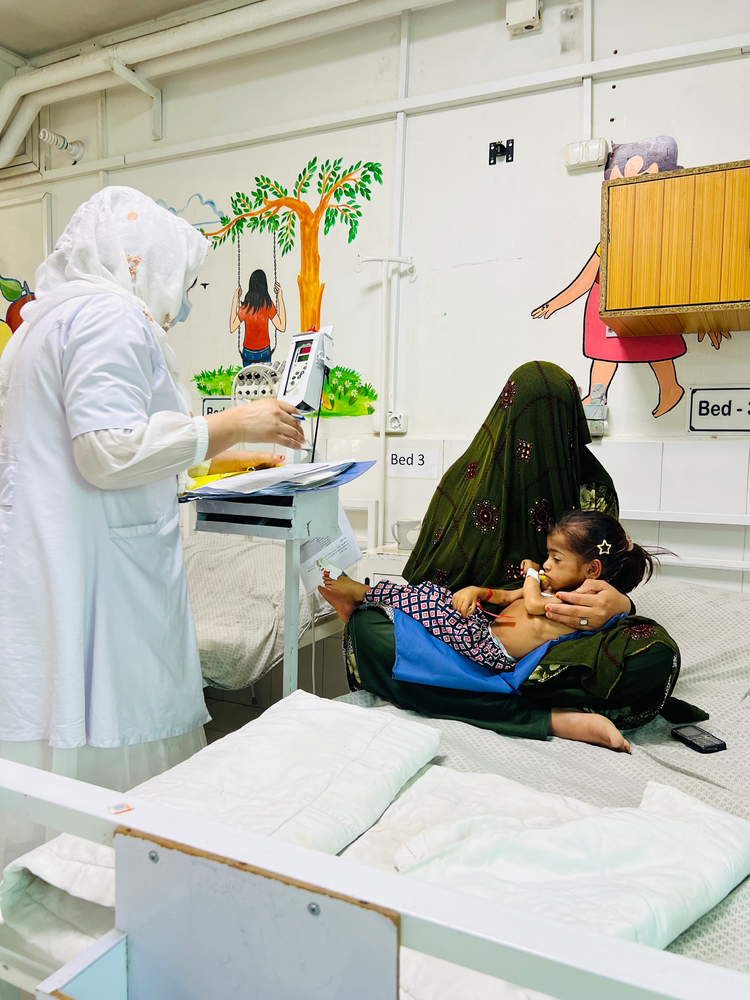
MSF has worked continuously in the Kutupalong refugee camps since the early 1990s, providing a range of services to both Rohingya people and Bangladeshi communities in the region, including both inpatient and outpatient care, 24/7 emergency room services, neonatal and paediatric care, and more at three hospitals. Over the decades, as successive waves of refugees arrived in the camps, MSF adapted medical services to meet the needs of a growing — and aging — population. That means tackling noncommunicable diseases like hypertension and diabetes.
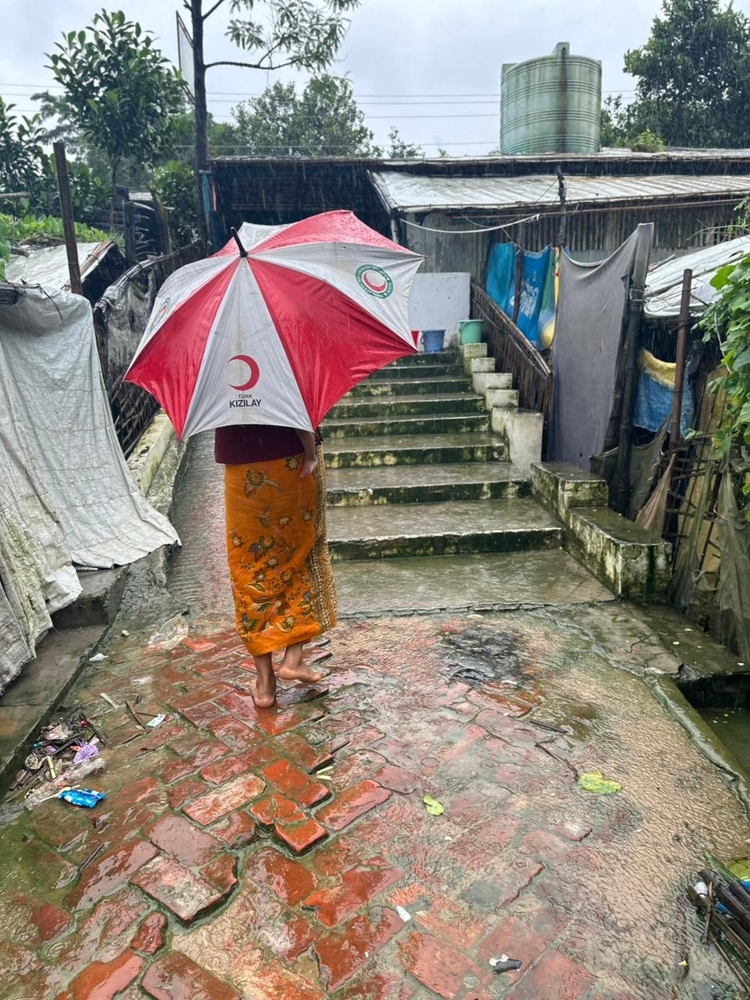
For Rohingya refugees living in the camps, every aspect of daily life is challenging. Vast stretches of forest that had been part of a national park were hastily cleared to make room for the exodus of people forced to flee from Myanmar. The makeshift camps spread across a landscape of steep hills are prone to flooding and landslides during the long rainy season.
Refugees living in the camps receive food rations and other services from government donors and nongovernmental organizations, but the assistance available is nowhere near enough to meet the massive needs. Those living with chronic diseases like diabetes face even greater challenges, as reaching the few medical facilities that provide testing and treatment can be difficult and time consuming.
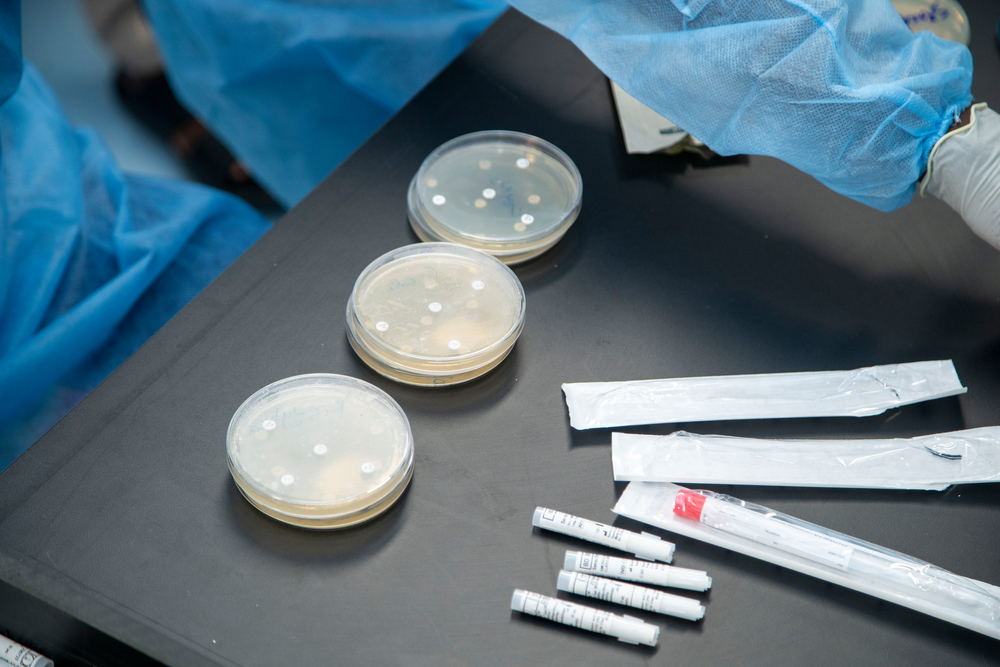
When MSF began providing diabetes care in the camps, patients had no choice but to travel to hospitals for glucose testing, an important diagnostic that monitors the amount of sugar in the blood, and to receive medication to treat diabetes and other chronic conditions, including insulin injections.
“It’s difficult to overstate just how challenging it can be to get around in a place like this,” says Dr. Anjoli Anand, a noncommunicable diseases referent at MSF USA who provides medical guidance and direction to our humanitarian teams. “Often these people were walking three hours or more to come to their clinic visits, and they’re walking because no motorized transportation — or wheeled transportation at all — is permitted within the camp.”
As the number of diabetes patients grew, MSF teams faced a challenge: If people were struggling to reach treatment for diabetes, how could we bring care to them?
Old-fashioned solutions to modern challenges
In many parts of the world, diabetes is largely managed by patients at home. People living with the illness are taught to monitor their own glucose levels and administer insulin themselves using a syringe or injection pen. But insulin needs to be kept cool, which poses a unique challenge in a setting where average high temperatures hover around 32 degrees Celsius and most people live without access to electricity.
Enter the humble clay pot.
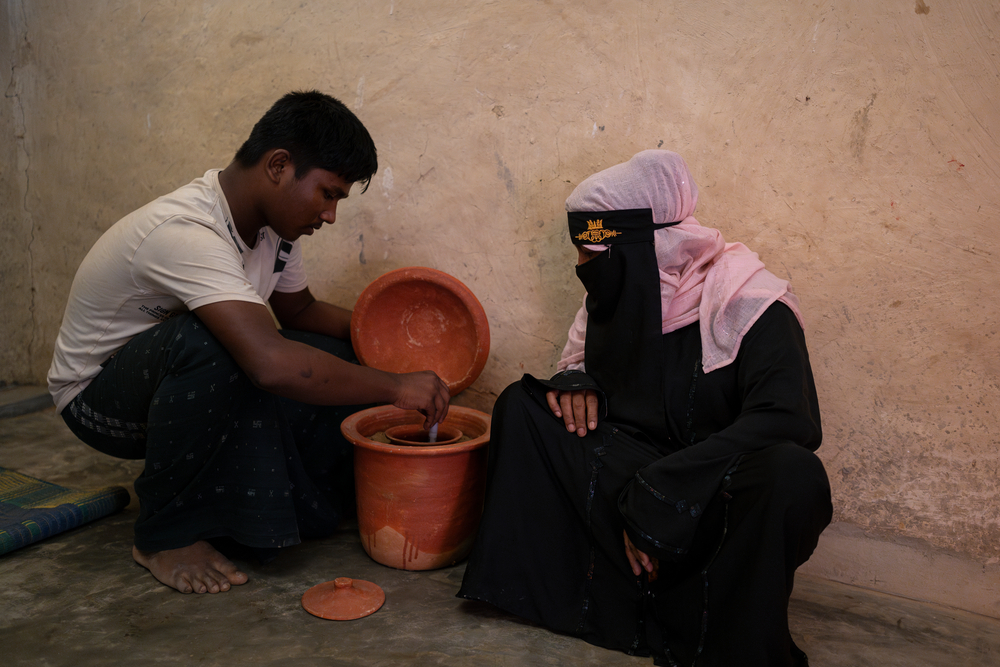
“Historically, when people were trying to store vegetables at home or keep water cool for longer periods of time, they often stored these things in clay pots,” says Dr. Anand. “Clay pots are cheap and widely available; they can be found in local markets almost anywhere MSF works.”
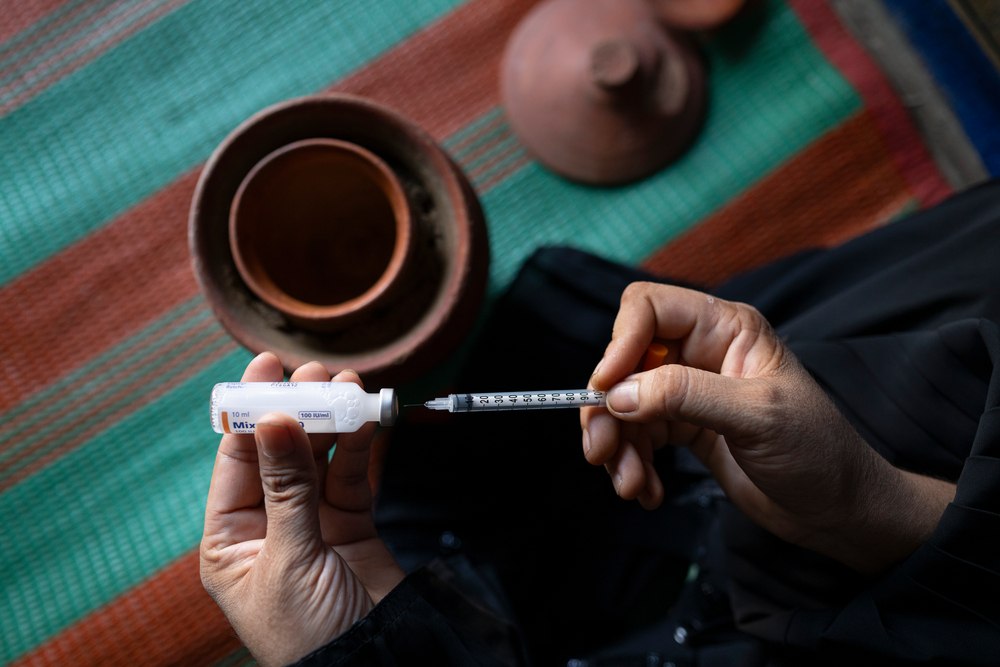
The pots help regulate temperature through a simple process called evaporative cooling. At MSF facilities, patients living with diabetes are given sets of nesting clay pots and taught how to put one inside the other and fill the gap between them with wet sand. Patients keep the sand damp, and as the moisture evaporates it pulls heat away from the inner pot, keeping the insulin stored inside cool.
For two years Abdur Shukkur, a 50-year-old Rohingya man receiving diabetes treatment from MSF, had to travel to a clinic every day to get his insulin injections.
“We don’t have money, or electricity, for a freezer,” says Shukkur. “So, the clay pot service is a huge support for me.”
Spreading the word
Before anyone can get care for diabetes and other noncommunicable diseases, they need information about their condition and access to specialized health services. Many people living with diabetes in the Rohingya refugee camps were not aware of the disease before being diagnosed, and misconceptions and social stigma can deter people from seeking care. That’s where MSF’s health promoters come in.
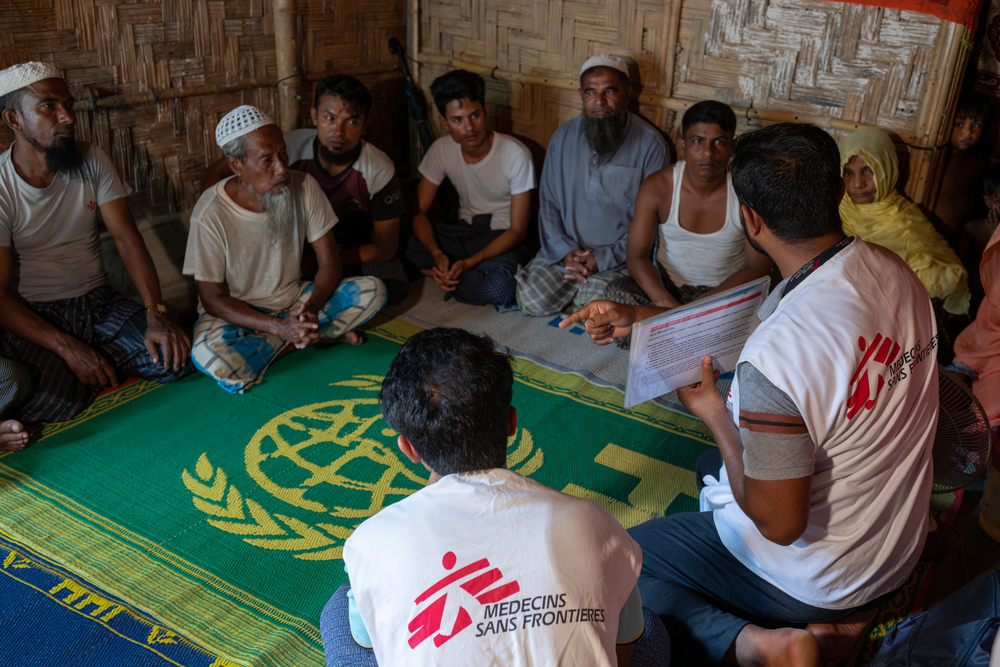
Several times a week, MSF community promotion volunteers Ferojdul Haque, 39, and Yeasin Juhar, 30, crisscross a section of the refugee camps to spread the word about the services MSF provides and teach people about diabetes and other noncommunicable diseases.
In homes, community spaces, and at shops, the two men hold health information sessions. Using materials developed by MSF, they explain the symptoms of diabetes, the health effects of the disease, and the importance of diet and exercise for prevention.
Both Haque and Juhar — and the rest of MSF’s community promotion team in the camps — are themselves Rohingya refugees. It’s this connection to the community that helps them reach people with important messaging about their health.
Haque started working as a volunteer with MSF in 2017, soon after he and his family arrived from Myanmar. Many of his friends and relatives settled in the same part of the camp where he now works.
“It’s helpful because I know everyone in the area,” says Haque. “It makes it easier for me to teach them. They accept what I have to say because they are my relatives and friends.” He’s noticed the positive impact his years of work have had in the community.
“At first there were a lot of rumours about diabetes,” he says. “[For example], if a woman got diabetes, her husband might send her out of the house out of fear that the disease was contagious. Now we don’t see anything like that — they understand what diabetes is and how it works. That’s the thing I love most about this work: helping people.”
Calling for equitable access to care
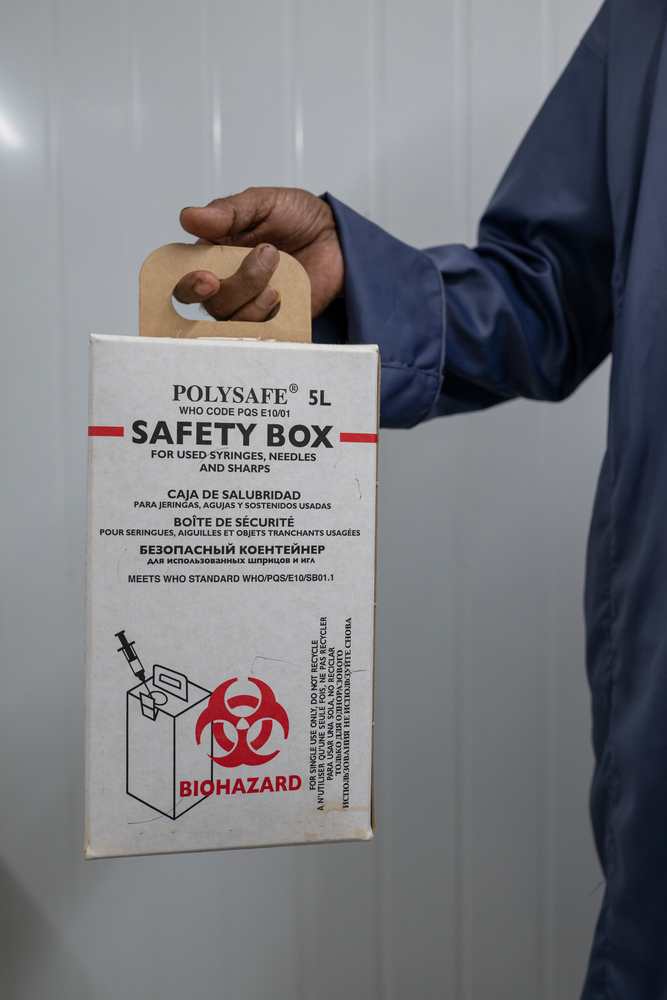
While simple solutions like clay pots and health education have had major impacts on the health of people living with diabetes in places like the Rohingya refugee camps, many advances in medicine and technology remain out of reach. Most people living with diabetes in the camps who use insulin to control the disease get it in vials, from which they need to measure dosages and use syringes to inject the medicine. Insulin pens, which are widely available in high-income countries like the US, are much simpler and safer for people to use.
The number of people living with diabetes worldwide is skyrocketing, from around 200 million in 1990 to 830 million in 2022. However, access to these pens is extremely limited in low- and middle-income countries, where more than 80 percent of people affected by diabetes worldwide live. MSF is speaking out about this double-standard, calling on governments, funders, and pharmaceutical corporations to improve access to insulin pens and ensure that people with diabetes everywhere have more equitable access to care.
“The pens are easier for people to use,” says Dr. Anand, the noncommunicable diseases referent. “You can take them with you if you go to work, if you go to school, and you can inject yourself throughout the day as you need in a very discreet manner.”
MSF has been providing some patients with insulin pens in the Rohingya camps, and we are in the process of making them our standard of diabetes care. While the pens are still too expensive to implement widely, the patients who are using them describe improved quality of life.
“[Using the pen] makes it easier to take insulin regularly, so my diabetes is under control,” says Lalu Begum, who has been using insulin pens prescribed by MSF for several months. “I am feeling much better than before.”
Small conveniences
On the morning of May 13, 2026, Seno Ara Begum’s two-room bamboo home is filled with the smell of frying meat and the sounds of conversation. Her younger sister is getting married today, and the family is preparing to celebrate the special occasion.
Along with her younger sister, Begum, 27, [no relation to Lalu Begum] shares this home with her husband and three children and her older sister, her husband, and their two children. But her father, two brothers, and another sister are still trapped in Myanmar, where people still face extreme violence and persecution and few prospects for humanitarian assistance. “The situation in Myanmar is not good,” she says. “So, we have not found any way to get them here to Bangladesh.”
Three years ago, Begum fell ill and visited the MSF hospital in the camp, where she was diagnosed with hepatitis C and diabetes. Her case of hepatitis was cured, but she had to return to the hospital frequently for insulin. That changed about a year ago when she received a clay pot from MSF and began administering insulin at home. Now she just has to visit the hospital for refills around once a month. “It’s convenient for me and it helps me relax to get it this way,” she says.
Every day the Rohingya people in the refugee camps contend with terrible uncertainty and enormous challenges. Managing diabetes shouldn’t have to be one of them.