Hajjah, Yemen– For people living with mental health conditions, treatment is often only one part of recovery. Being able to manage everyday tasks, maintain relationships, care for oneself, regain confidence, and reconnect with one’s family and community can be equally important.
In Yemen, years of conflict, economic hardship, displacement, and the deterioration of essential services have placed considerable pressure on people’s lives, with consequences for their psychological well-being. But the country has very limited resources for mental healthcare: There are fewer than 200 trained psychologists and psychiatrists in Yemen — a country with more than 40 million people. At the same time, mental health remains a sensitive and often misunderstood subject, and people experiencing mental health conditions can face stigma, misconceptions, and social isolation.
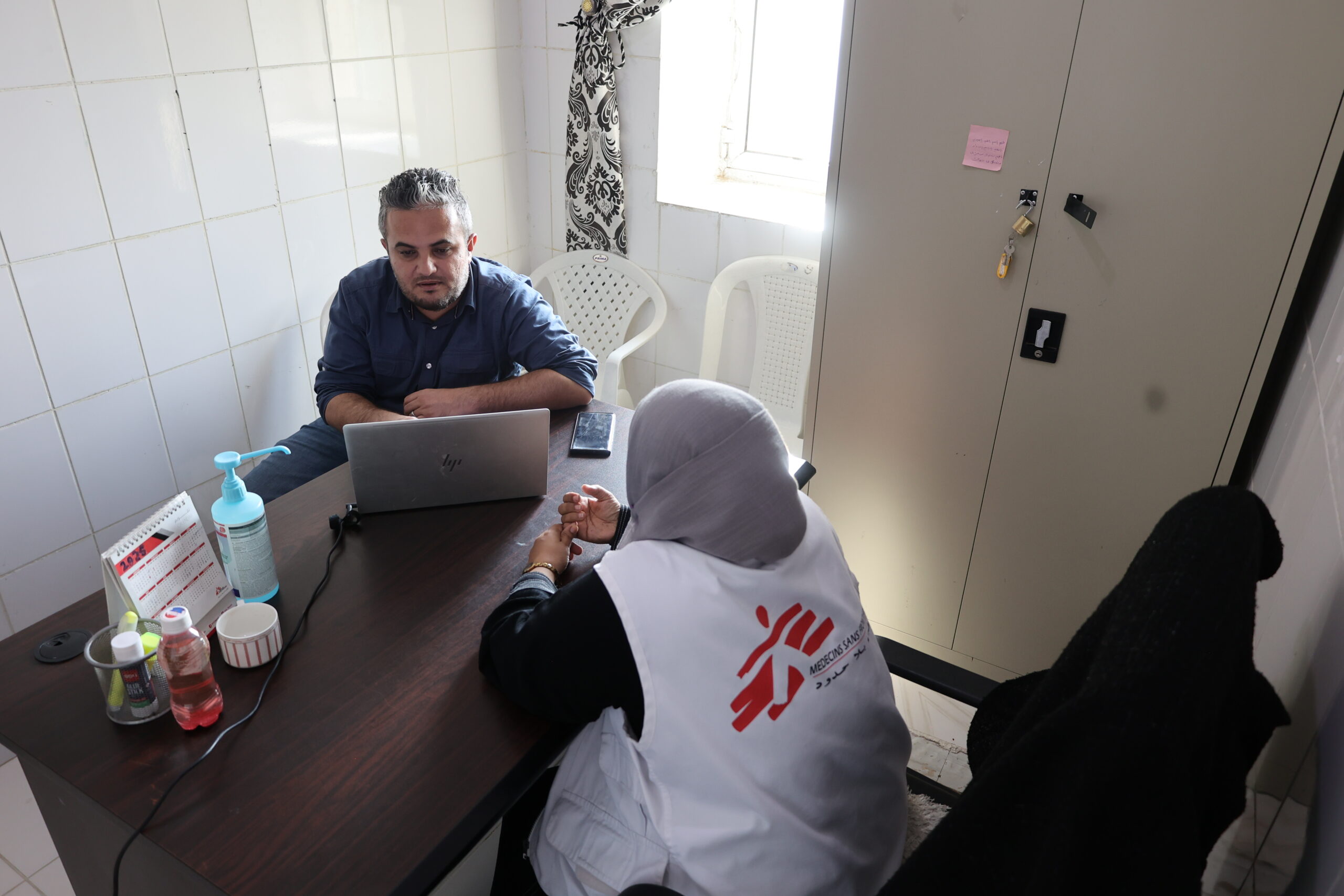
In Hajjah governorate, many patients and their caretakers pass through the doors of the mental health clinic at Al Gomhuria Hospital, which is supported by Médecins Sans Frontières/Doctors Without Borders (MSF) in collaboration with the Ministry of Health. Some travel two to four hours to reach the hospital for specialised mental healthcare.
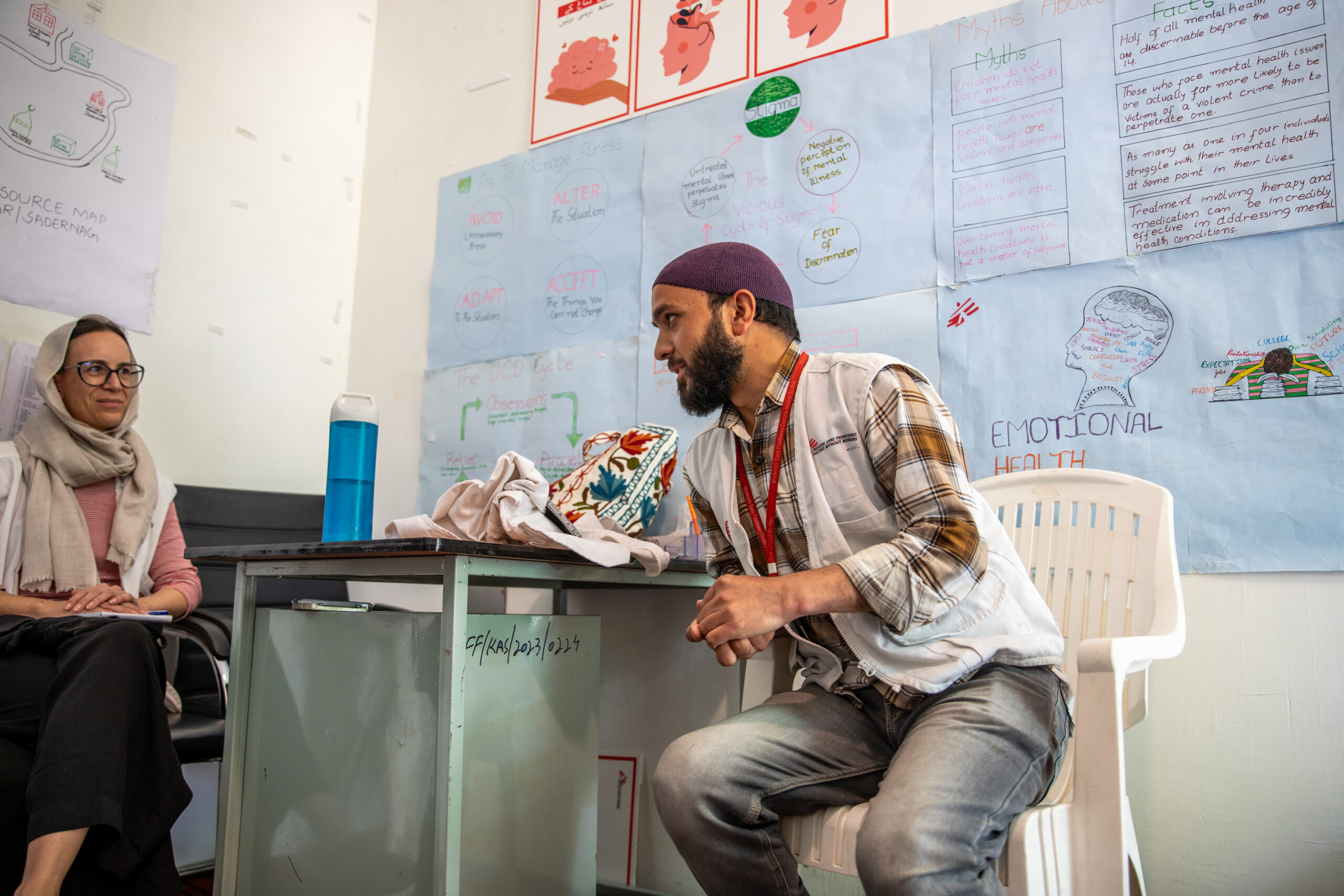
The Yemeni mental health team — which includes mental health Gap doctors, psychologists, a psychiatrist, a nurse, and a social worker — provides clinical treatment, psychosocial support, and rehabilitation. Their work goes beyond addressing symptoms: They accompany patients through recovery, supporting them as they rebuild their coping skills, confidence, and social connections in everyday life.
Support for people experiencing psychosis
One component of MSF’s mental health programme in Hajjah is the Daily Care Centre (DCC), which provides structured support for people experiencing psychosis. The programme works on five areas that can be affected by severe mental health conditions: daily functioning; stress management; social skills and healthy relationships; health promotion, including self-care; and executive functioning. Each area is addressed through 12 structured sessions.
Women and men participate in separate groups, each with 10 participants. Through these sessions, patients have opportunities to practise skills and interact with others in an environment designed to support their psychological and social recovery.
From January to September 2026, MSF provided over 6,800 psychological and psychiatric consultations and carried out over 250 mental health sessions for 60 patients at the DCC.
Making progress in patients’ everyday lives
For someone living with severe mental health condition, progress may appear ordinary: establishing a routine, taking care of oneself, managing stressful situations, communicating with others, or participating again in family life. These everyday abilities can be an important part of recovery.
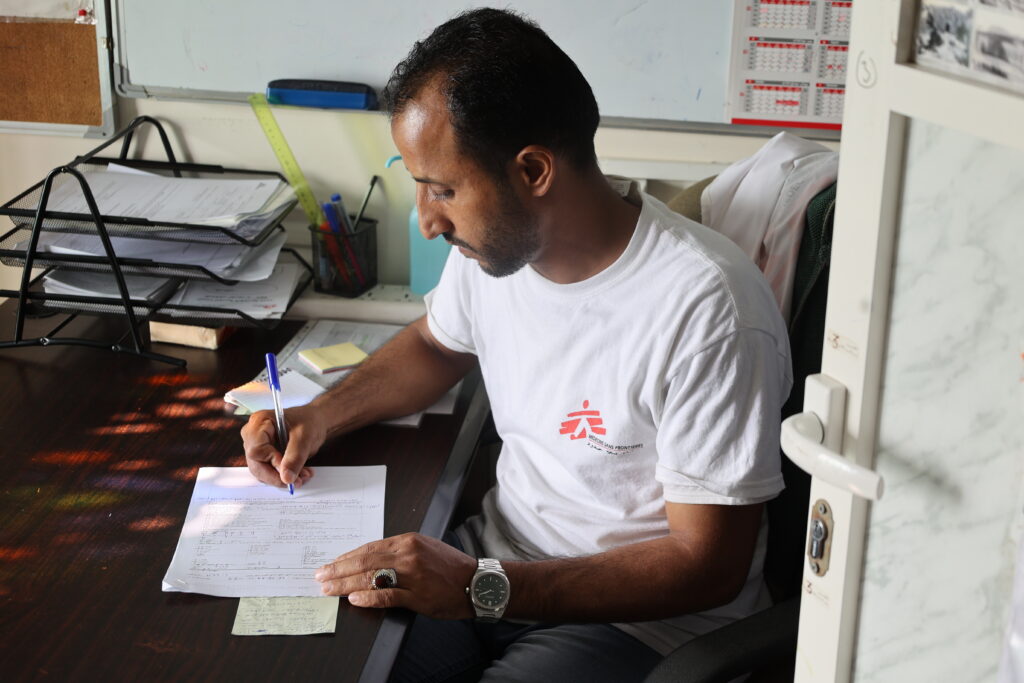
“Clinical improvement is an important step in the recovery journey, but it does not necessarily mean that a person has regained the ability to manage daily life or participate independently in their community,” said Muaad Al-Samawi, MSF Mental Health Activity Manager. “Through the DCC, we support individuals in developing everyday living skills, strengthening social participation, and building greater independence, which will help them move beyond symptom management toward meaningful and sustainable, functional recovery. The DCC is one of the achievements we are most proud of as it reflects our strategic vision for the recovery of people living with psychosis.”
Recovery through the voices of patients and caretakers
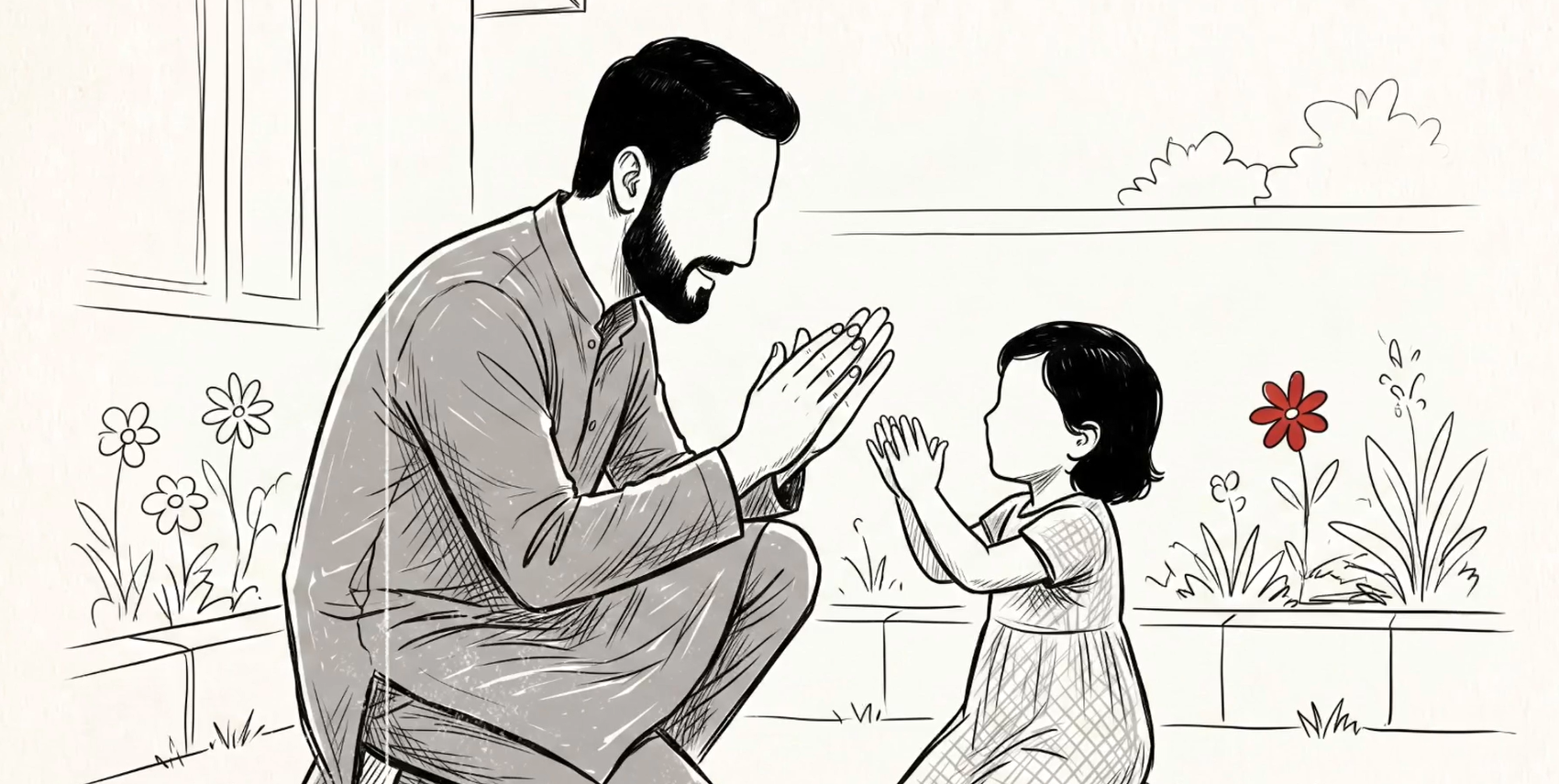
Recovery is not experienced by patients alone. Families and caretakers can play an important role in accompanying patients through treatment, encouraging them to continue care and supporting their return to everyday life. They may also help patients rebuild their routines, relationships, and confidence outside the clinic, while learning how to respond to changes in their condition. At the same time, caring for someone with a mental health condition can place significant emotional, practical and financial demands on families, particularly when specialised services are located far from home. Their experiences can therefore offer an important perspective on recovery and show how greater understanding of mental health conditions can help reduce isolation and strengthen the support available to patients.
Before receiving care at the MSF clinic, Saeed describes experiencing changes in his behaviour and perception of the people around him. He explains “Before I came to the clinic, I used to be agitated and aggressive. I thought everyone was working against me. I would hear voices in my head and believe that what I was hearing was true. I became isolated from other people. I just wanted to be like other people.”
At the clinic, Saeed found not only medical treatment but also a supportive environment where he felt listened to and treated with respect. Regular interactions with the mental health team became an important part of his care and helped him manage the stress he was experiencing.
Today, Saeed says he feels more stable and is able to return to everyday activities that had previously become difficult. “Now I take one pill a day, and I feel stable and much better. I can sleep, wake up, and sit with other people. I am no longer isolated. I am also better with my children, and I feel that I can be more present with them.”
Misconceptions about mental health can create additional barriers to care. Fear of judgement from relatives or communities may discourage some people from speaking about what they are experiencing or seeking professional support. For those already receiving care, stigma can also complicate their return to family and community life.
As Yemen continues to face the consequences of prolonged conflict that has entered a new chapter in September — including economic hardship and limited, strained healthcare services and resources — mental healthcare is often overlooked, especially when mental health conditions are misunderstood.
The experience of the clinic in Hajjah also shows another side of the story: Patients and their caretakers are committing time and effort, sometimes travelling for hours, to seek specialised care and continue the recovery process. Their commitment must be matched by making free, accessible, and specialised mental health services available.
“We are working in an already fragile healthcare system with limited resources, especially for mental healthcare,” said Tamara Saeb, Project Coordinator for MSF’s Hajjah project. “We see patients and their families travelling long distances and at a high cost to access these limited specialized services. This also represents a barrier to sustainable follow up and care. We need to honour the efforts of those seeking care for their loved ones by ensuring free and accessible mental healthcare.”
On World Mental Health Day, 10 October, MSF is highlighting mental health as an essential part of overall health. The experience in Hajjah shows that recovery can extend beyond the improvement of symptoms: It can mean regaining everyday functioning, rebuilding relationships and confidence, and reconnecting with family and community. But that depends on whether patients and caretakers are able to access specialised services throughout the process. Humanitarian actors and health authorities to step up the mental health support and access for people in need.