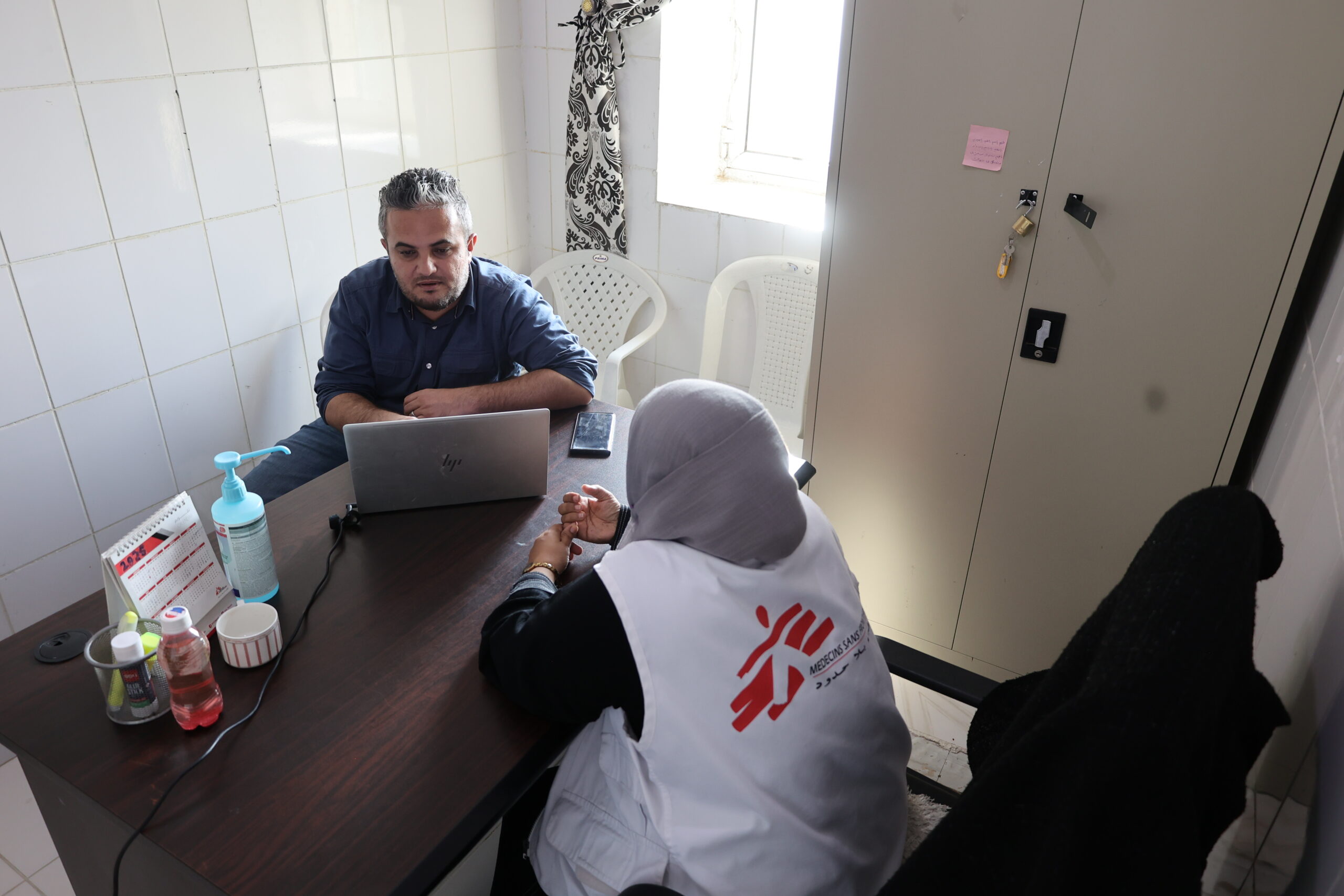
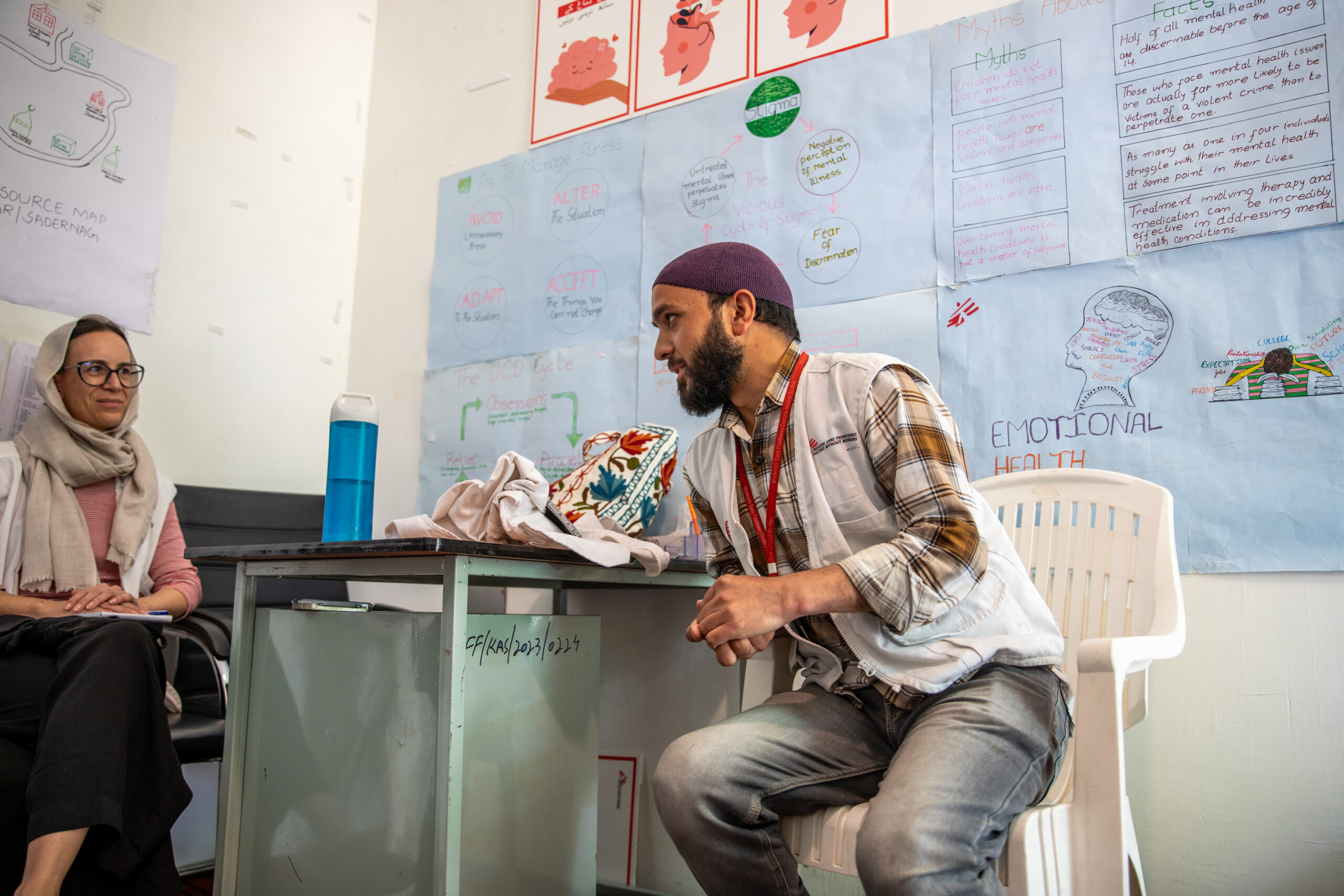
Arhaam* is from a village in north Kashmir. He has been receiving counselling support at an Doctors Without Borders India/Médecins Sans Frontières(MSF) supported primary healthcare centre since 2019.
For years, Arhaam was fighting a private battle of his own: obsessive-compulsive disorder, anxiety and, for a time, a gambling addiction. His story is not one of a single turning point, but of an ongoing, sometimes difficult, recovery, and of learning to keep living well within it.
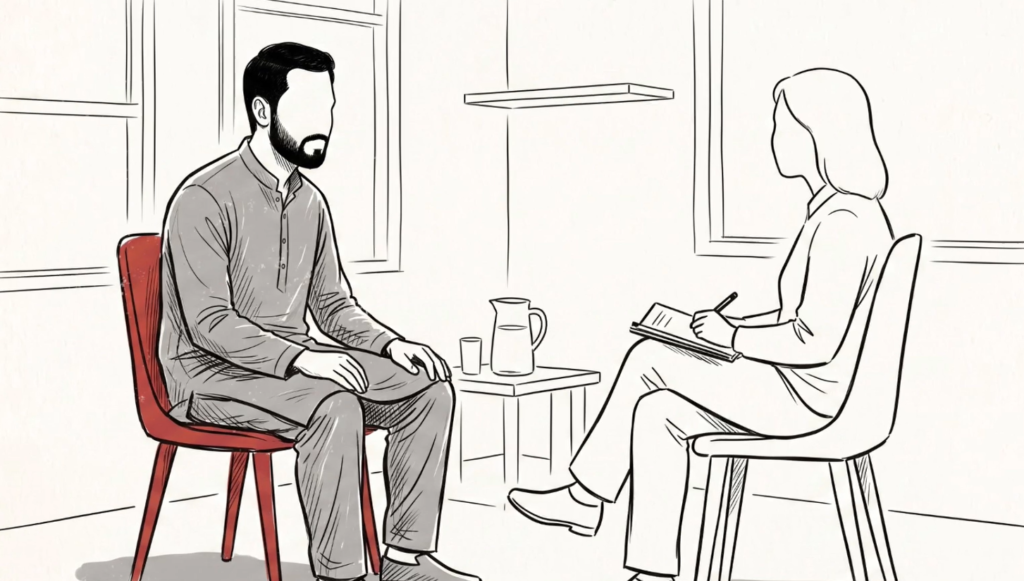
I was first introduced to MSF in 2019. I was diagnosed with severe obsessive-compulsive disorder, and I have been coming for counselling continuously ever since, here at the primary healthcare centre in my area.
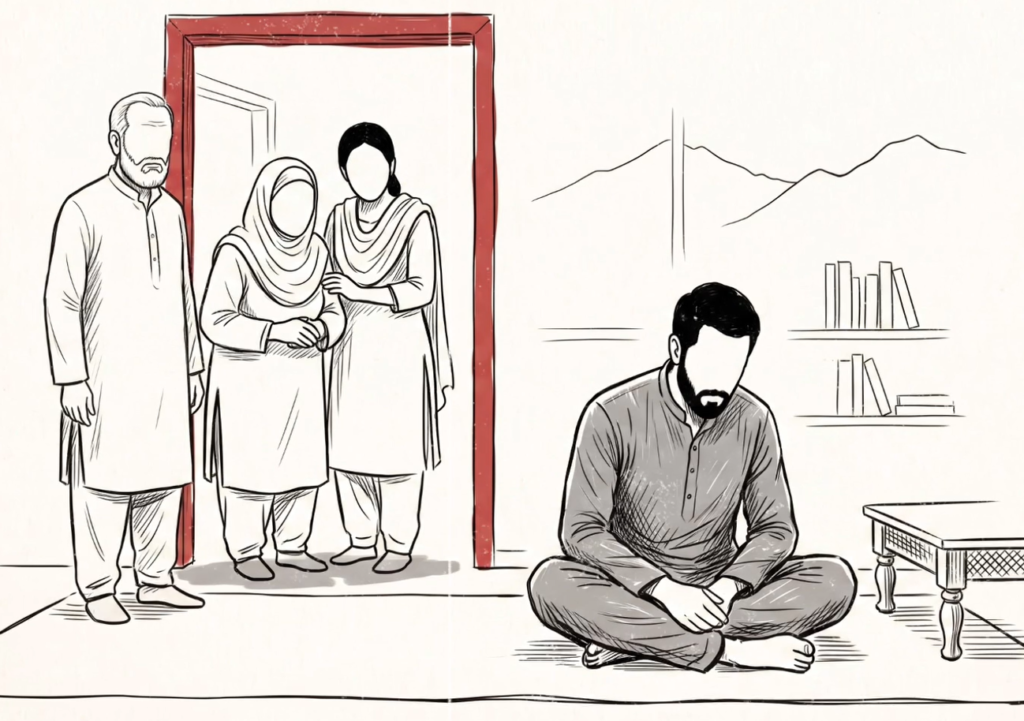
Before my diagnosis, I didn’t fully understand what I was going through or why it was happening to me. I found myself constantly scrutinising small things, doubting my own decisions, and feeling trapped in a cycle of intrusive thoughts. I was compulsively washing my hands, checking and rechecking things, again and again. It became overwhelming, and it interfered with everything in my daily life. Alongside it, I was struggling with insomnia and severe anxiety. By 2019, my condition had become too much, and everyday life felt incredibly difficult.
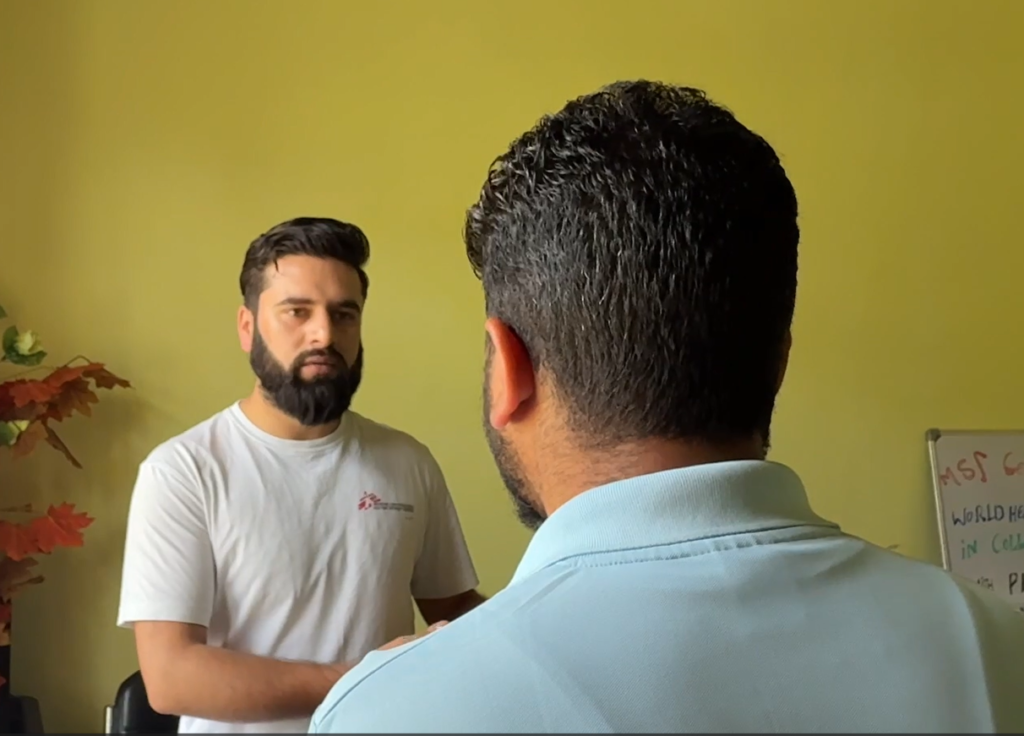
It didn’t only affect me. My family watched me struggle every day, and that period was extremely difficult for all of us. For a period in 2021, I also struggled with a gambling addiction.
I heard about MSF’s services through a community awareness programme. I had already tried to manage things on my own, and I had been on medication, which helped with some of my symptoms. But counselling made the biggest difference.
Learning to manage, not just to cope
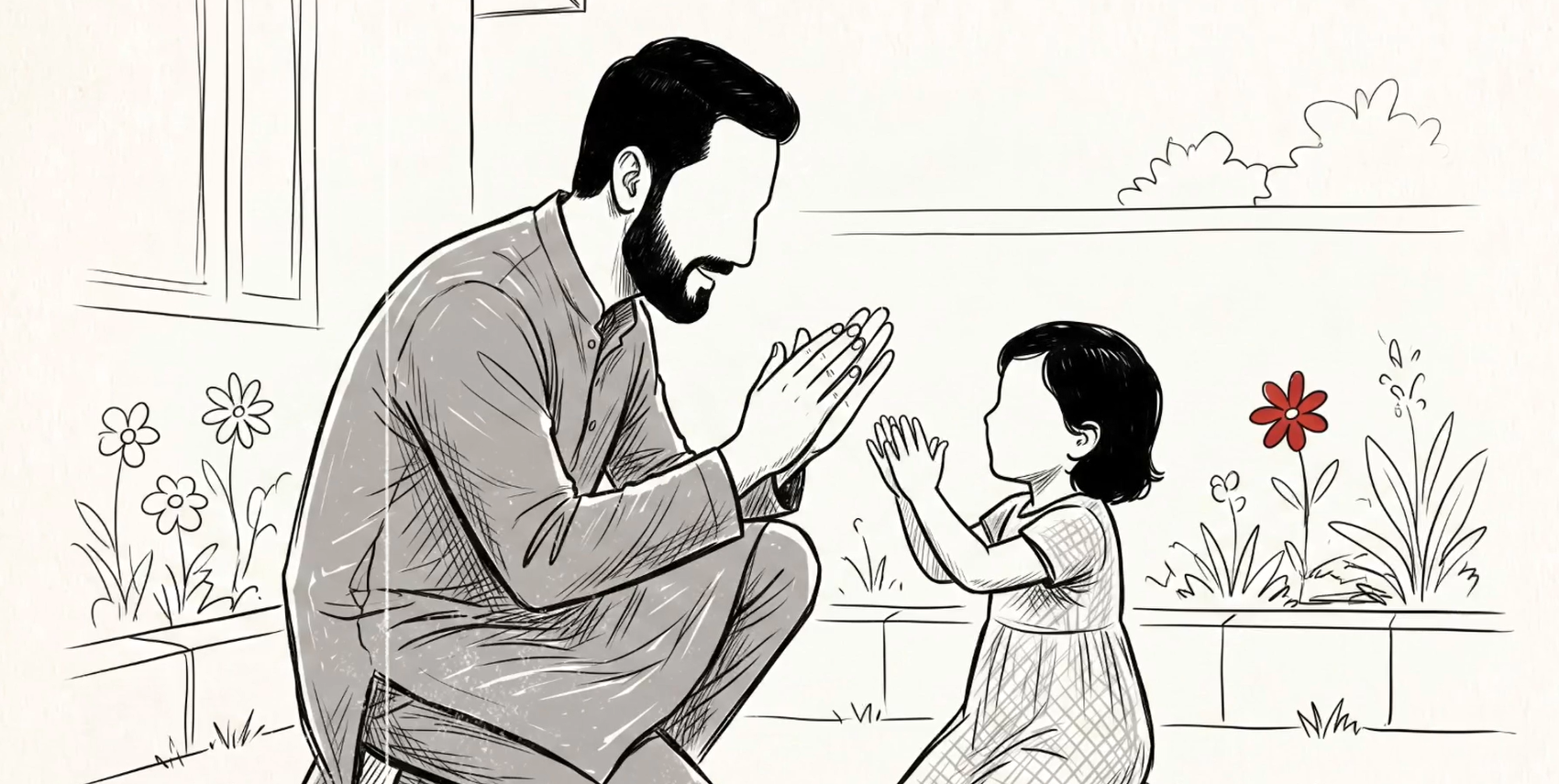
Through counselling, I have learned to gain much better control over my thoughts, my doubts, and my compulsions. My counsellor gave me practical tools, breathing exercises, and simple tips not to get carried away by my own thoughts. Now, after a session, I go home, play with my daughter and try to let go of what’s in my head.
I want to be honest, though: recovery has not been a straight line for me. I have received counselling on more than one occasion. There were times I stopped taking my medication, and my symptoms came back each time. I am still living with this condition today.
I am not completely well yet. But counselling has helped me more than anything else, and my family has supported me through all of it. I owe a great deal to them.
The weight of stigma
There is a lot of stigma around mental health in my community, and I have felt it myself. People here view it very negatively.
Many men in my area are dealing with mental health difficulties of their own, but they see coming forward as something shameful.
I have tried to encourage a couple of people I know to come for treatment, but they wouldn’t. They worry it will create problems for them. These services are badly needed here, especially since this has historically been a conflict-affected area, and I believe counsellors should be available throughout the week.
What I would tell someone else
If someone is struggling the way I was, I would tell them not to rely on medication alone. Psychotherapy matters just as much. Take care of yourself, and put your own health first. Don’t spend too much energy worrying about what other people think; people may disappoint you regardless. Focus on getting better, for yourself.