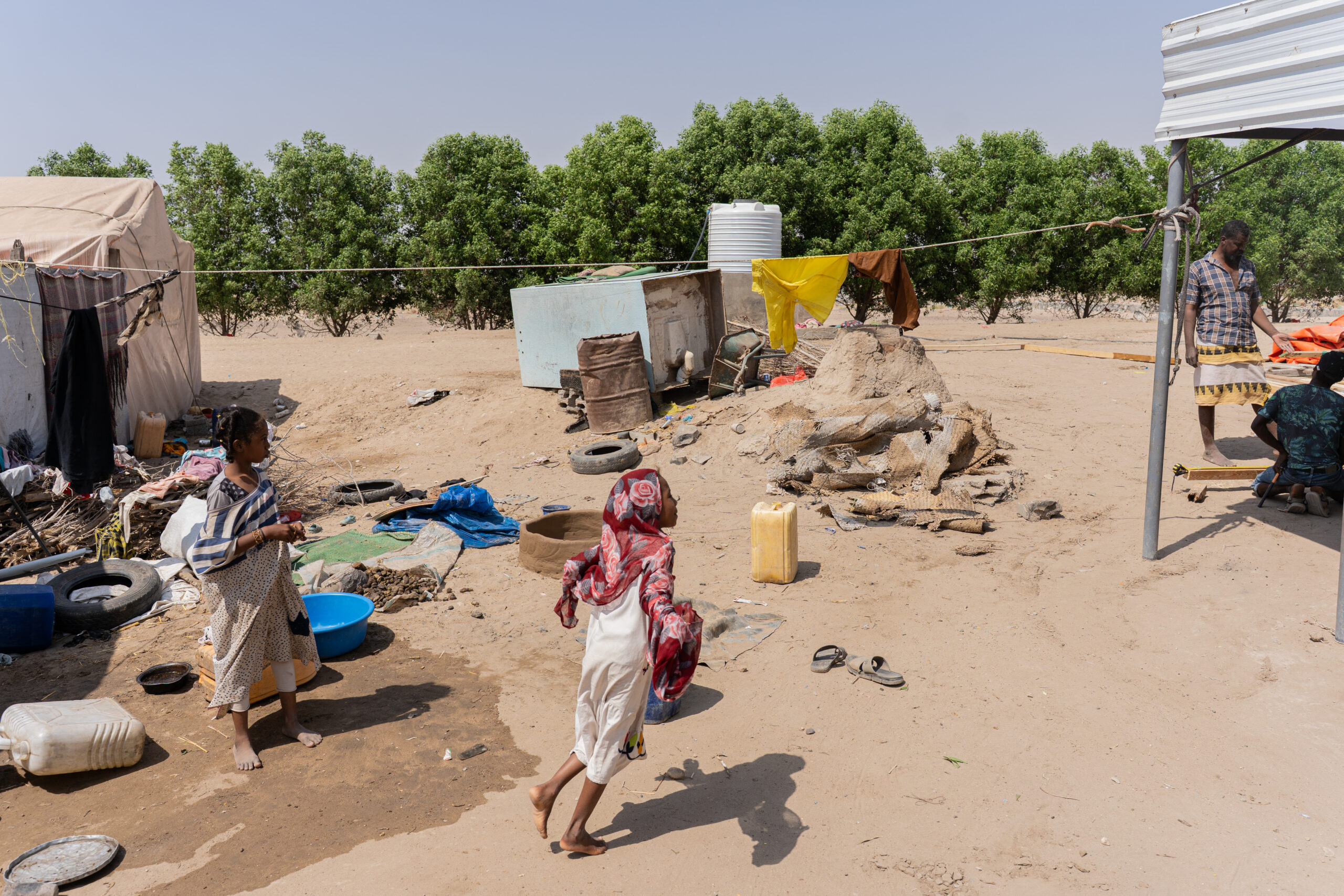
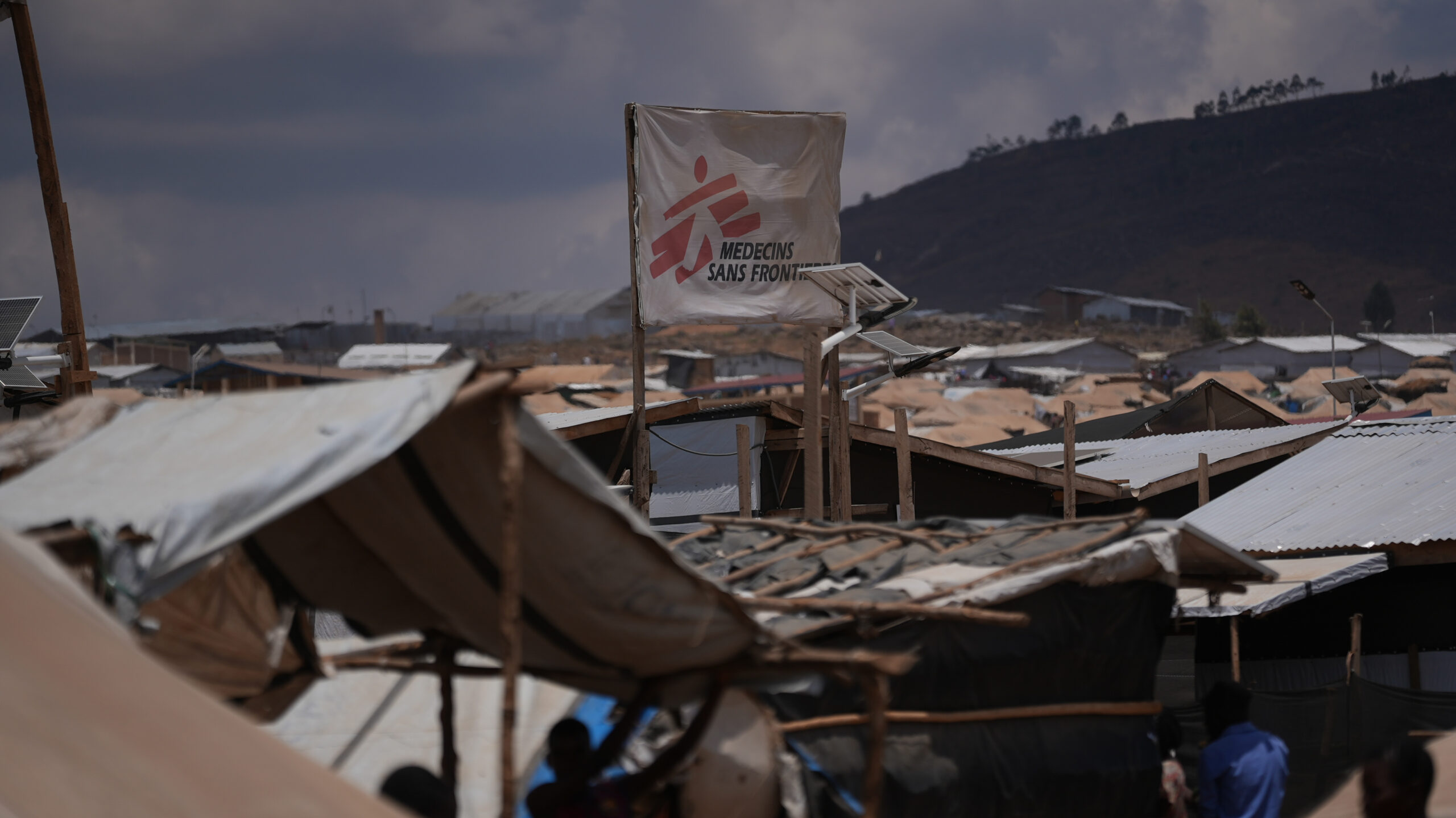
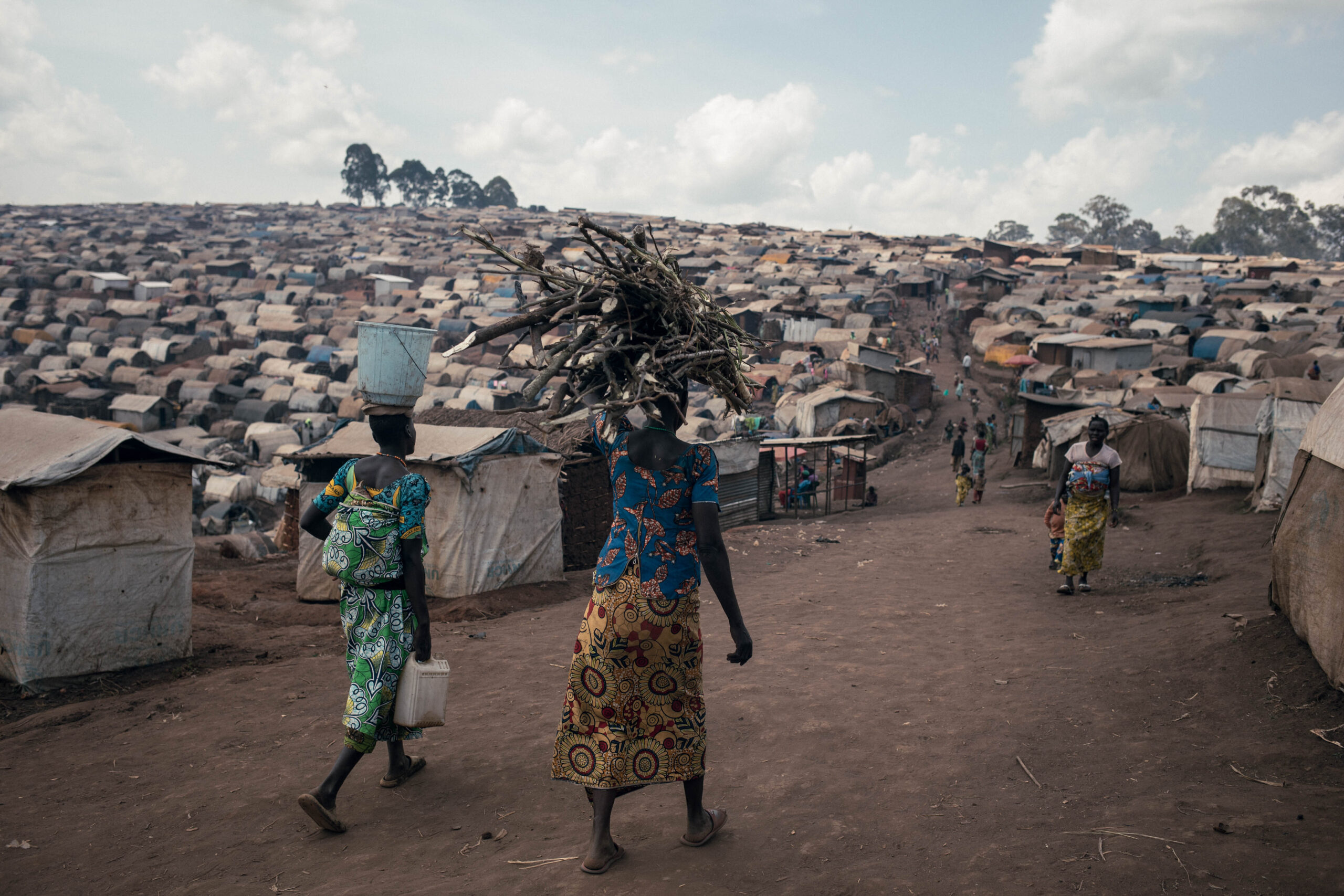
Around 76,000 people are currently living in the Plaine Savo internally displaced persons site, near Fataki city, Ituri Province, eastern Democratic Republic of Congo. Residents are unable to leave due to the threat of violence outside the camp and are forced to live in dire and undignified conditions, deprived of the most basic and essential services.
Our houses were set on fire. The day we left, there were gunshots everywhere. People fled without taking anything with them. Some were killed, others raped or abducted. Until today, we do not know where those who have disappeared are, whether they are dead, imprisoned or still alive. Antoinette, 60, sits before the makeshift shelter of a few square meters she has been sleeping in for the past 8 months.
Last December, the nearby village of Bule, where she used to live, became the scene of violent clashes between the armed group Convention pour le révolution populaire (CRP) and the Armed forces of the Democratic Republic of Congo (FARDC). The fighting emptied the town of its population. This is the second time Antoinette was forcibly displaced in the last couple of years.
Most of those who fled settled nearby a base of the Ugandan army – which is present in Ituri as part of a cooperation agreement with the Congolese government – assuming they would then be protected. She remembers her first days in what would soon become a camp of an estimated tenths of thousands of displaced people.
“When we’ve arrived here, we spent about two weeks with no shelters, nor plastic sheeting, exposed to the rain. We finally built small huts with pieces of wood, plastic and straw,” she said.
Since then, living conditions have barely improved: the site is overcrowded, and encircled by armed men who – until recently – have prevented the people from leaving to reach their fields, markets and water sources. However, most are still afraid to take the risk of leaving the site and therefore remain deprived of all means of survival. Insecurity and access restrictions also severely limit the presence of humanitarian organisations. Since December, only two food distributions have taken place.
“The supplies are finished and we are still waiting for the next one. We have almost nothing to eat and the children are suffering. Life here is very hard.” Antoinette concludes.
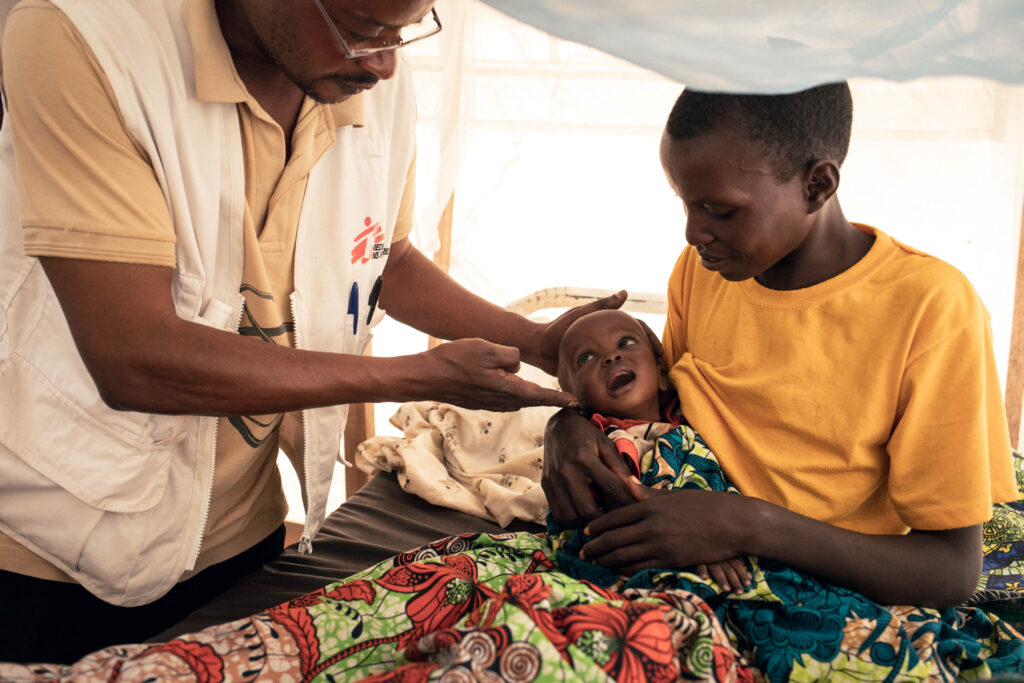
In February, MSF set-up a health post to provide essential healthcare to the population. It was then one of the very few humanitarian organisations present at the site. Alphonsine works there as a nurse supervisor. She used to work in Bule, before having to flee due to violence. When she first arrived in Plaine Savo, she remembers how diarrhea, scabies, typhoid fever and parasitic infections spread rapidly – in largely due to the lack of clean water.
“There were illnesses and deaths. Since MSF has been here, the number of deaths has really decreased.” She says.
Today, the health post provides primary, paediatric, maternal and mental healthcare, and treats cases of sexual violence and of acute malnutrition that arise every day.
The level of violence that the people living in Plaine Savo are exposed to is reflected in its medical records. In the last six months, an average of 60 survivors of sexual violence were treated every month there, as well as seven people wounded by gunshots or bladed weapons every week. In most cases, people were assaulted or injured while attempting to leave the site. An average of nine malnutrition cases are also admitted every week at our health post.
“Getting the right nutrition is difficult because people cannot go to the fields and cultivate. If safety was better, the population could farm and we would not face hunger” Alphonsine explains.
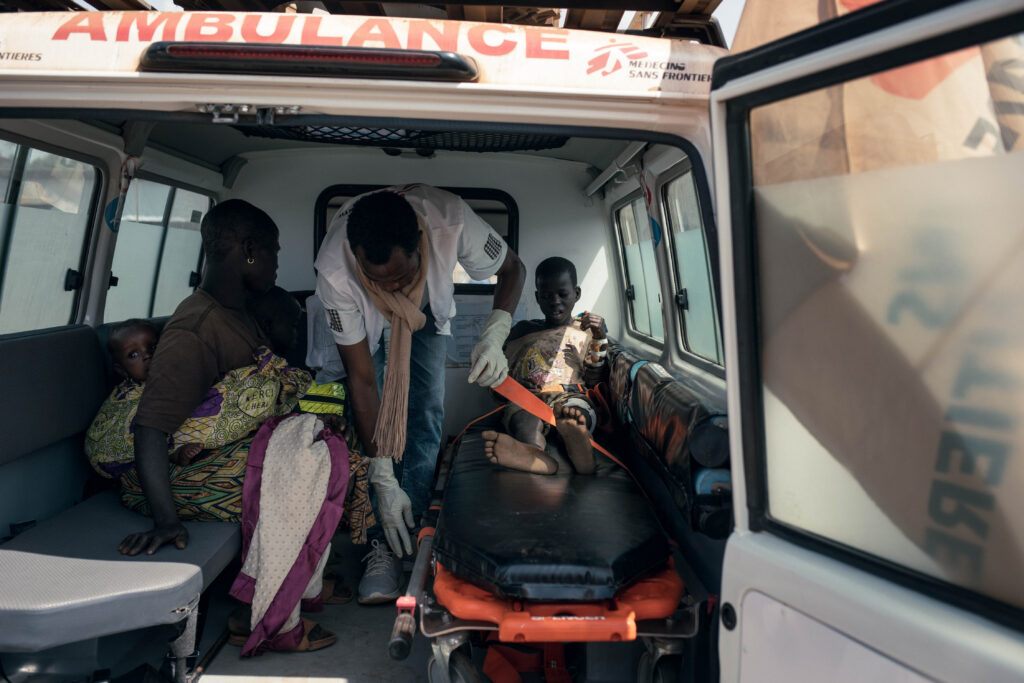
For the most severe cases requiring surgery, MSF has obtained the authorization for its ambulance to transfer patients from Plaine Savo to the Fataki General Referral Hospital (approximately 15 km away by road), which is also supported by the medical organisation. The measure is lifesaving – in particular for patients with gunshot wounds and for pregnant women
“There used to be a lot of maternal deaths in the camp because we could not evacuate the mothers to the hospital” Alphonsine says. “But we have not recorded any since the MSF vehicle can take them to Fataki at any time”.
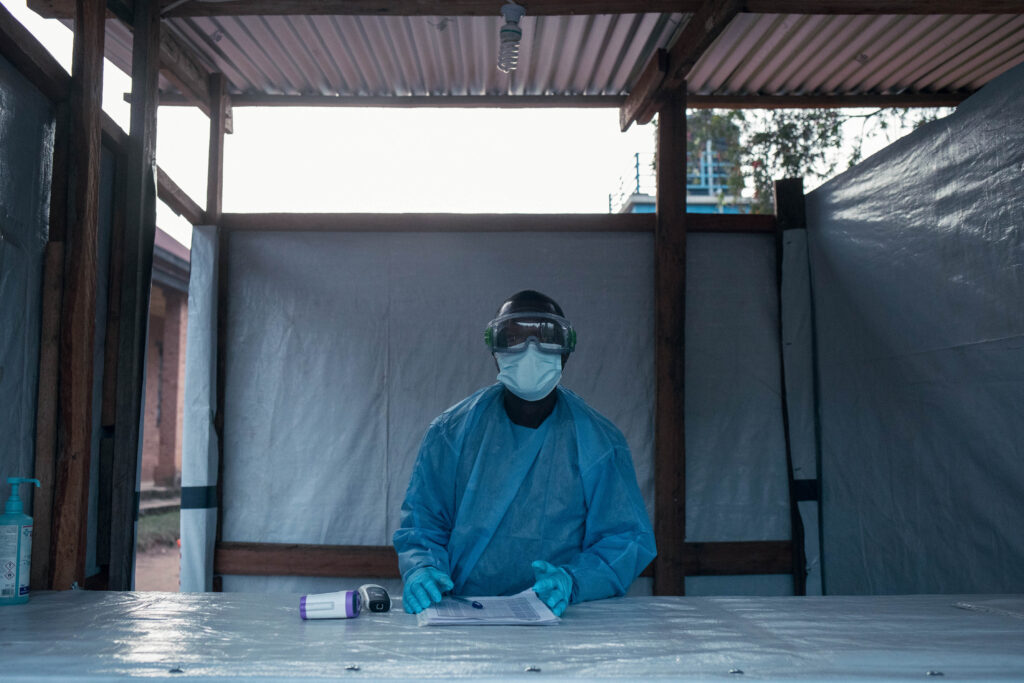
The Ebola disease outbreak, declared by national authorities in May, has dramatically worsened the health situation in Ituri. Over the past months, 36 confirmed cases have been transferred and admitted to the 24-bed Ebola treatment unit that MSF set-up at Fataki Generel Hospital – and which will be soon extended to 32. But the transmission risk for staff forced the organisation teams to stop providing surgical support to the hospital – a sad microcosm of the consequences of this outbreak on the wider health system
So far, three confirmed cases have been detected in Plaine Savo. Thanks to the mobilization of the community, and with MSF support, all were referred early, diagnosed, and treated in Fataki hospital. But the threat of Ebola is still looming, and everybody is aware of the disastrous consequences it could have if the virus were to spread more broadly in the camp.
“We are very afraid. Some of us have family members who have died in Mongbwalu and Bunia.” Alphonsine says, referring to Ebola disease hotspots. ”Shelters in Plaine Savo are crowded and often not even separated by half a meter from each other. If the disease arrives here, people could die en masse. That is why we are raising awareness among the population.”
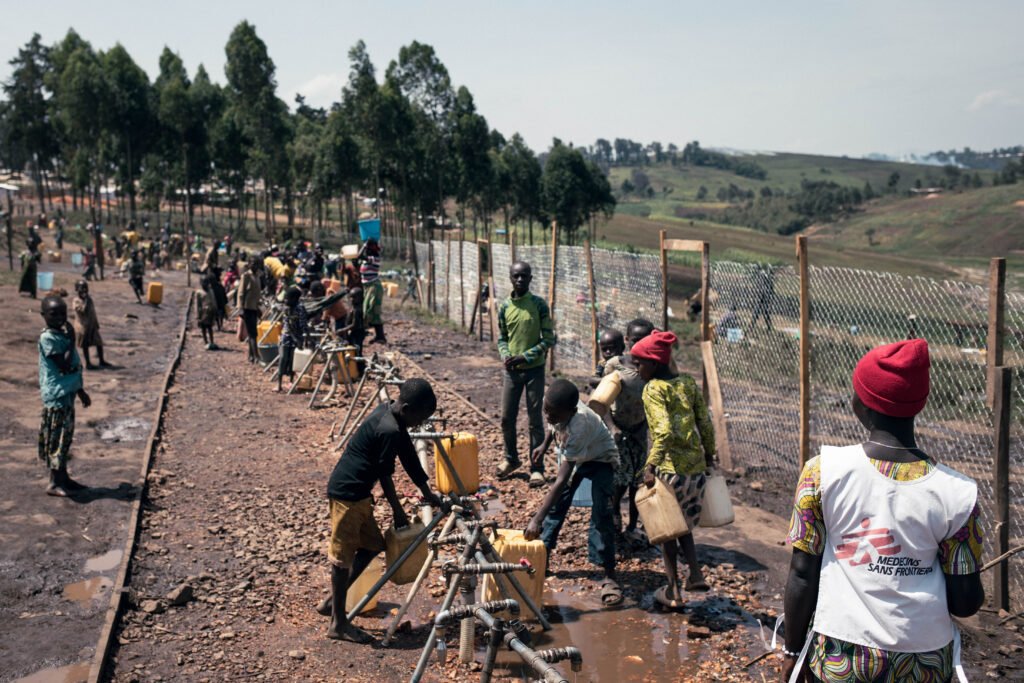
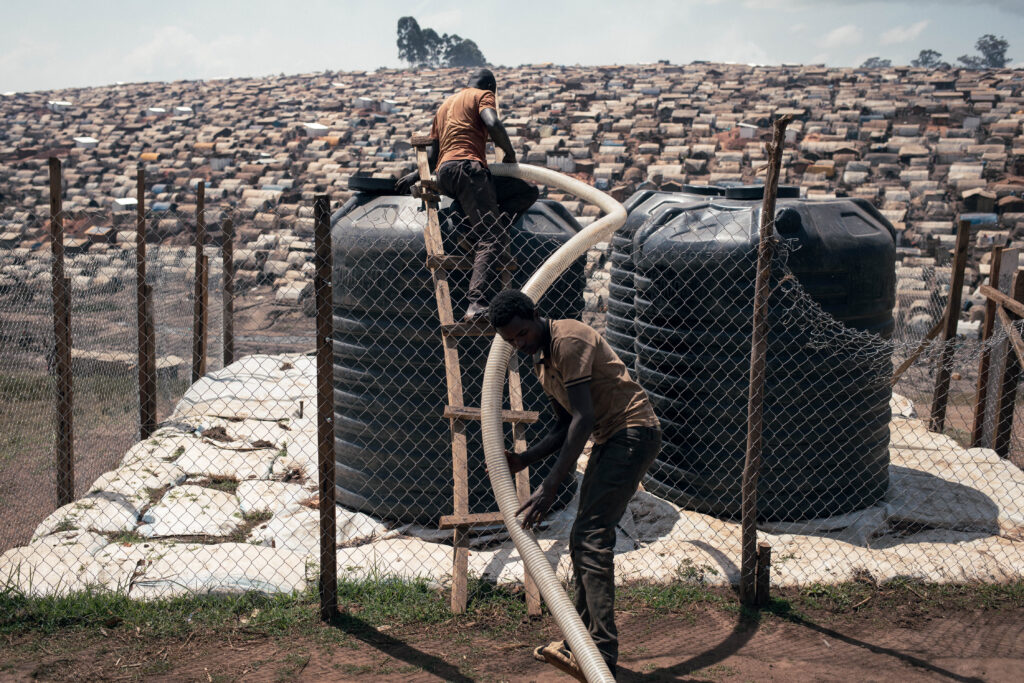
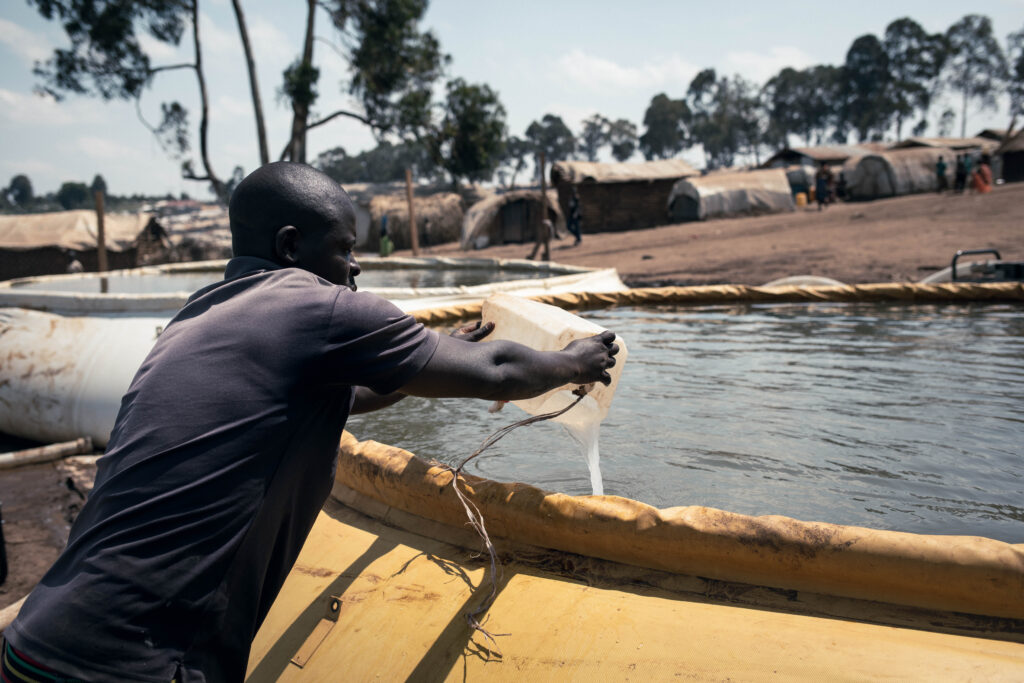
In the fight to prevent the Ebola disease from spreading – it is transmitted through direct contact with sweat, excrement or other bodily fluids – access to clean water, sanitation and hygiene is key. Since February, MSF teams have been restlessly working at improving the situation in the camp: building 311 latrines, and providing an increased quantity of water to the population through water trucking, while digging nine new boreholes.
But more work needs to be done, as the both the number of latrines and the daily amount of drinkable water available per person in the site remain critically low. Timelier non-food item (NFI) and food distributions are needed, and protection activities aimed at sheltering the most vulnerable from abuse.