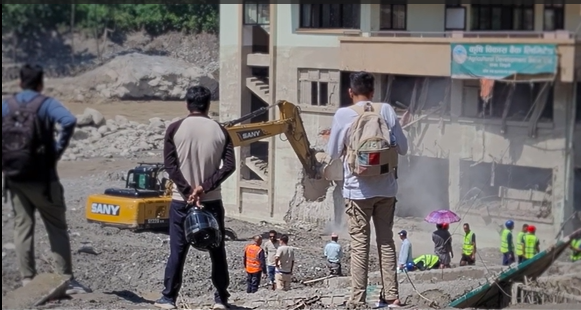
The human cost of the flash floods of 26 August is devastating, thousands of people have been killed with many still missing, with many thousands more having lost homes and livelihoods.
MSF teams have carried out assessments in Rasuwa and Nuwakot districts, the parts of Nepal worst affected by the flash floods. Our teams spoke with people affected, visited health facilities and relief centres, and spoke with municipal, district and disaster management authorities coordinating the response to this tragedy.
People have repeatedly told us that their biggest needs now are for recovery, for roads and markets to reopen, for schools, homes and infrastructure to be rebuilt. It is clear that continued, significant relief efforts and funding for people in affected communities is required now and in the weeks and months to come.
As an emergency humanitarian medical organisation, MSF’s expertise is in providing humanitarian assistance in the most acute phases of emergencies. Our teams have assessed that the humanitarian response is well mobilised and managed. The government led response, in coordination with local communities, United Nations agencies and other humanitarian organisations has succeeded in meeting people’s immediate humanitarian needs.
MSF has therefore decided not to launch a humanitarian response, as our expertise does not lie in the recovery, rehabilitation and reconstruction activities that people in Nepal now need. We extend our admiration and respect to local communities, the Nepali authorities and all those responding tirelessly under difficult conditions, helping people recover from this disaster.
MSF sends its heartfelt sympathies to the people of Nepal and all those who have lost loved ones in this tragedy.