As migrants flee violence in South Africa, the physical wounds are only part of what they carry home. At Beitbridge, I met families facing an uncertain future, children leaving behind the only home they had known, and people whose health and sense of safety had been shaken by fear.
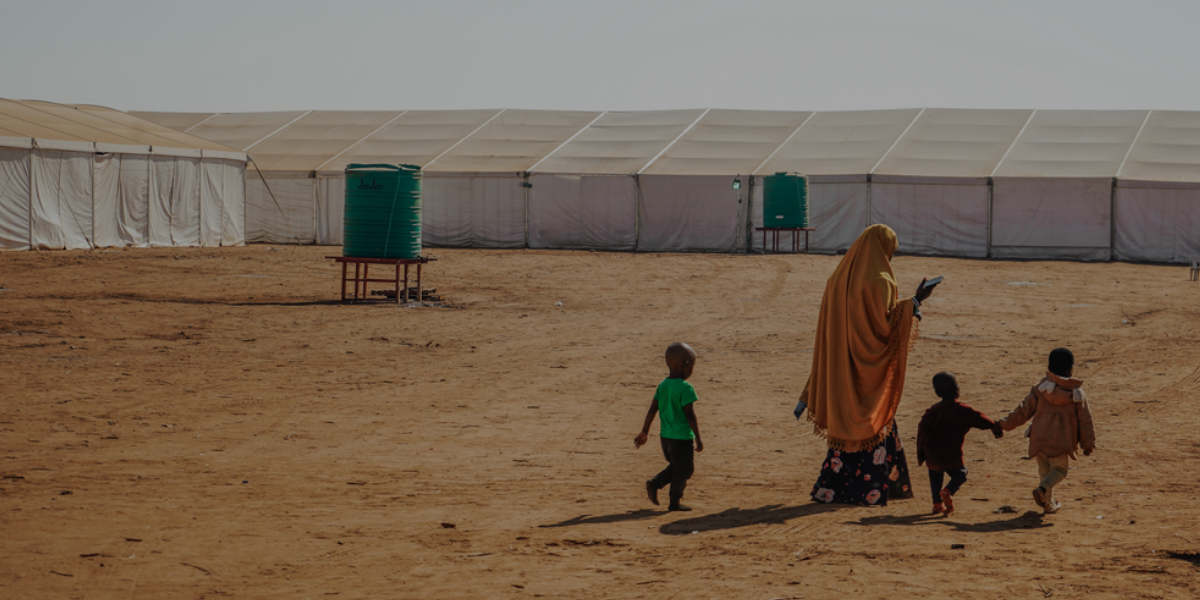
The children were playing when I arrived at the Beitbridge Reception Centre in Zimbabwe in July 2026. They chased one another, laughing and switching between English and South African languages. For a moment, it was easy to forget why they were there.
They did not look like children forced to leave their homes. Some had been born in South Africa and had never set foot in Zimbabwe. For them, this was not a return home. It was a journey into a country they knew only through their parents’ stories.
I watched them play and wondered what awaited them. How would they adjust to new schools, unfamiliar surroundings and friendships left behind? What would happen when they began to understand why their families had fled?
Nearby, women sat quietly beside their belongings, carrying what little they had managed to salvage. The contrast stayed with me, children excited by the prospect of discovering a new place, and parents burdened by the uncertainty of starting again.
I visited the Beitbridge Reception Centre about a month after Médecins Sans Frontières (MSF) began supporting health services for returning migrants, working alongside the Ministry of Health and Child Care.
By then, anti-migrant hostility in South Africa had left many people feeling unsafe. Some told me they feared for their lives. Others described difficulties accessing essential services.
When home is the only option left
One woman was travelling with her three children to Tsholotsho, where her parents live. The house they had occupied in South Africa had been burnt down. Their belongings were gone including birth certificates, education certificates, the money they kept and the furniture they bought. The clothes they wore were all they had left.
At an MSF-supported clinic near the border, health workers found that her blood pressure was dangerously high.
I kept thinking about everything she was carrying, three children to get to safety, a journey still to complete and a life to rebuild from nothing. Even as she tried to protect her family, her own body was showing signs of strain.
Her children had never been to Zimbabwe.
When I asked what she planned to do once she arrived, she had no clear answer. Like many others I spoke to, she was focused on getting home first. What came after that was uncertain.
I also met Nomalanga*, who had moved to South Africa in 2010 when the country offered more employment opportunoities during the world cup. She raised all her three children there. Her decision to leave came after her 13-year-old daughter returned from school shaken. Classmates had begun shouting “Abahambe”, meaning “they must go”, at Zimbabwean children. A longtime friend stopped speaking to her daughter after learning she was Zimbabwean.
As a widely circulated 30 June deadline for foreigners to leave approached, the family stayed indoors. The following day, Nomalanga went to hospital with a toothache. She said a doctor told her it was unsafe for her to be there amid the anti-migrant violence, and she could not receive treatment.
“With that, I concluded that we were no longer wanted in South Africa,” she told me.
Throughout our conversation, she seemed worried about what lay ahead. She did not know how her children would adapt to Zimbabwe, a country none of them had lived in. When I asked where they would go, her answer was uncertain. She would take things as they came.
I found myself thinking about my own relatives living in South Africa. I remembered my sister leaving Zimbabwe in 2017, hopeful of finding opportunities she could not find at home. What would happen if she, too, had to leave everything behind?
For many migrants, returning is not simply a journey towards safety. It can also mean losing independence, familiar surroundings, friendships and the future they had imagined.
When fear interrupts treatment
Gift*, 46, had worked as an electrician and plumber in South Africa since 2009. He told me that hostility towards migrants had interrupted his antiretroviral treatment for three months.
Although he held a valid passport and work permit, he said he still felt threatened when anti-migrant groups went door to door targeting foreigners. When he needed medical attention, he fled to Zimbabwe.
By the time I met him, he had been hospitalised at Beitbridge District Hospital for four days. He had lost weight, his legs were swollen and he looked frail. He received a month’s supply of medication and a referral to a clinic near his final destination.
What stayed with me was his hopelessness. He had lost his appetite and was deeply worried about his future.
He told me it was better to die at home than in a foreign land.
His words were difficult to forget. Behind them was a man who had spent years working and building a life, only to find himself fleeing when he needed care and safety most.
The wounds that cannot be bandaged
Then there was Malvern Pedzisai, 25.
He was working as a gardener in Mamelodi, Pretoria, when anti-migrant protests intensified around 30 June. He fled with ten other foreign nationals. After protesters discovered their hiding place in the bush, they set it alight.
Trapped between the flames and the mob, the group chose the fire. Two people died. Malvern and eight others suffered burns.
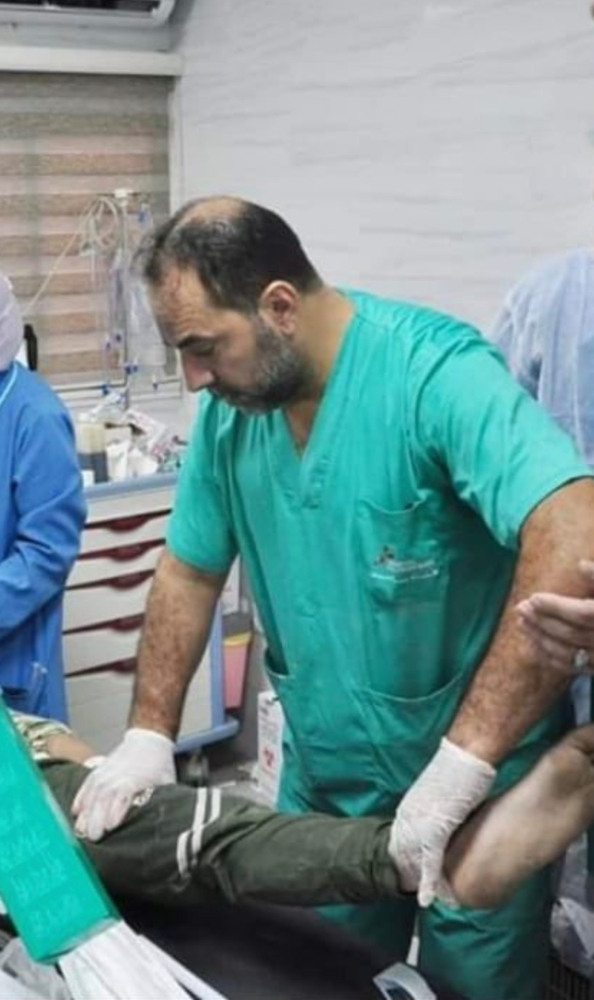
Malvern returned to Zimbabwe and sought care at Beitbridge District Hospital, where MSF supports services.
As I followed his recovery, I learnt that he was happy to be at his parents’ home but worried about no longer being able to contribute financially. His mother had depended on the money he sent home while he worked in South Africa.
His burns were visible. The fear, the loss and the uncertainty about his future were harder to see.
The journey does not end at the border
By 16 August 2026, government figures recorded 155,264 Zimbabweans returning through Beitbridge from South Africa, both independently and with government assistance. The figures also recorded 86,300 Malawian nationals repatriated through Zimbabwe.
Some returnees arrived hungry, exhausted and without enough money to complete their journeys. For parents already struggling to protect their children, uncertainty about food, shelter, healthcare and livelihoods added another burden.
Not everyone exposed to frightening or traumatic experiences will develop a mental health condition. But fear, grief, displacement and the loss of familiar support networks can weigh heavily on people’s emotional wellbeing. Children, especially those returning to a country they have never known, face their own uncertainties while relying on parents who may themselves be distressed.
I keep thinking about the children I saw playing at the reception centre. I wonder how they settled in, whether they made new friends and what they asked their parents when they began to understand why they had left.
I also think about the parents who must find the strength to reassure them while trying to rebuild their own lives.
Their stories remind me that the impact of anti-migrant violence does not end when people escape immediate danger or cross a border. It can follow them into their homes, interrupt their treatment, fracture their relationships and undermine their confidence in the future.
Safety is more than being out of harm’s way. It is being able to seek medical care without fear, send your children to school without them being targeted, and sleep without worrying about what tomorrow will bring.
At Beitbridge, I saw children excited to discover a country they had never known and parents who had lost almost everything.
They had made it home. But for many, finding a sense of safety again was only beginning.
*Names marked with an asterisk have been changed to protect identities.