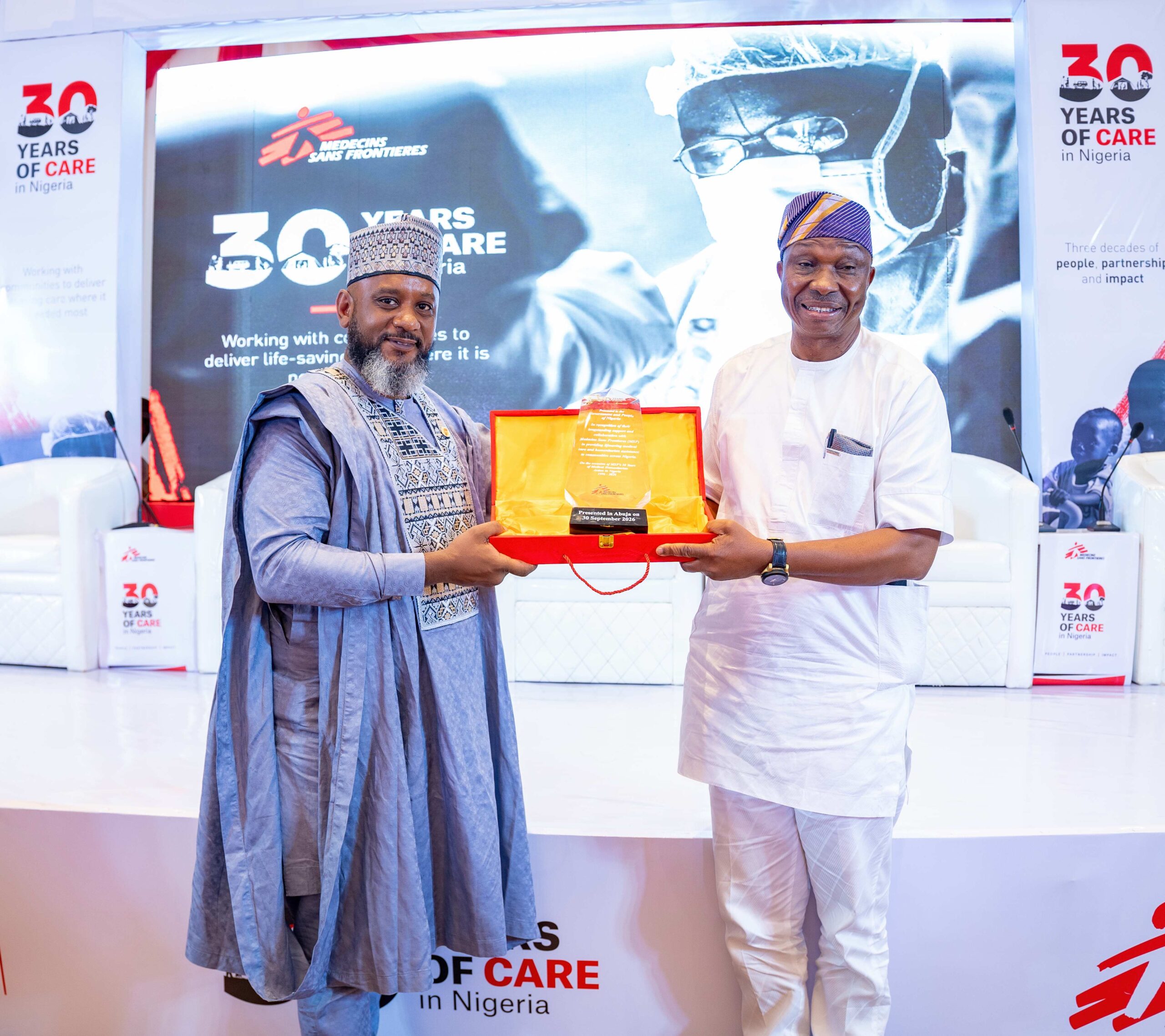
For three decades, Médecins Sans Frontières (MSF) has worked alongside people across Nigeria, responding to emergencies, treating disease and adapting our medical humanitarian work as people’s needs have evolved.  

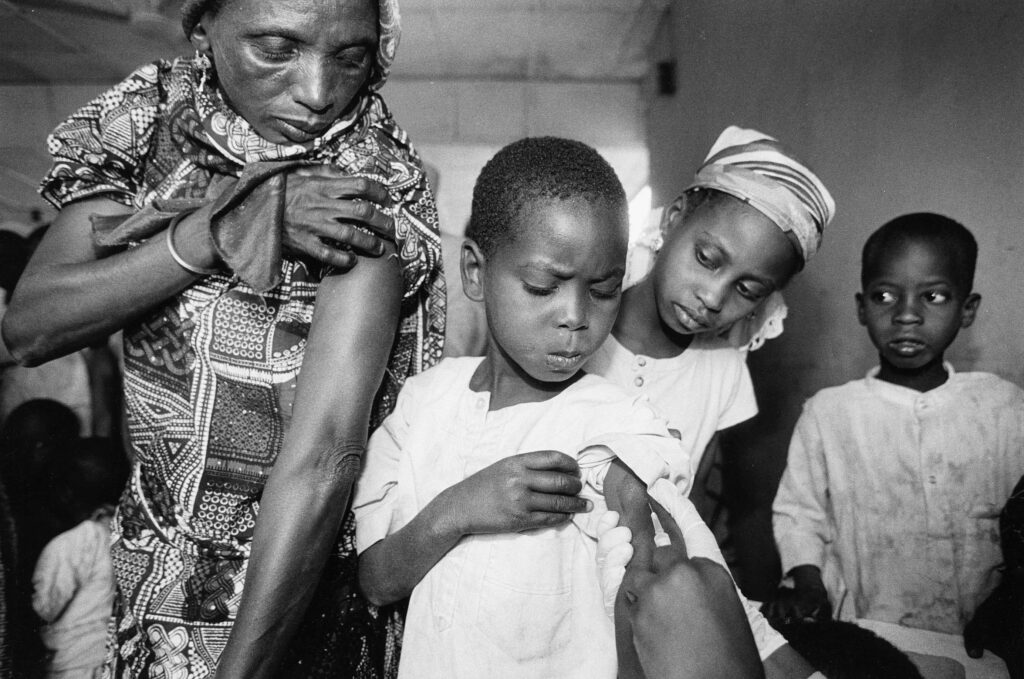
KANO, BAUCHI, KATSINA, NIGERIA,1996 In January 1996 a Meningitis epidemic broke out in the north of Nigeria. The disease spread fast killing 1.650 people in less than 2 months. MSF set up a vaccination programme. When a Cholera epidemic broke out in the city of Kano, MSF set up a treatment center where close to 2000 patients received medical care, more than 3.000 wells in the city of Kano were disinfected and chlorinated. Both epidemics were under control by the end of May. ©Remco Bohle

A child struggling to breathe in a crowded emergency room. A mother walking for hours to find treatment for her malnourished child. A family forced from their home by conflict, losing access to healthcare along the way. A community confronting an outbreak of a disease that is preventable. 

For millions of people across Nigeria, these are not isolated stories. They are part of a complex reality in which conflict, poverty, displacement, disease, malnutrition and limited access to healthcare can collide, often leaving communities with few options for care. 

For 30 years, MSF has worked alongside people caught in these crises—responding to emergencies, treating disease, and continually adapting our medical humanitarian work to the changing needs of Nigeria’s people. 

A country that shaped MSF 

Nigeria’s relationship with MSF began before we were established as a humanitarian organisation. In the wake of war and famine in Biafra, Nigeria, a group of doctors and journalists founded MSF in 1971. After witnessing the conflict’s devastating consequences, they faced a fundamental question: was providing medical care enough, or did humanitarian workers also have a responsibility to speak about what they were seeing? 

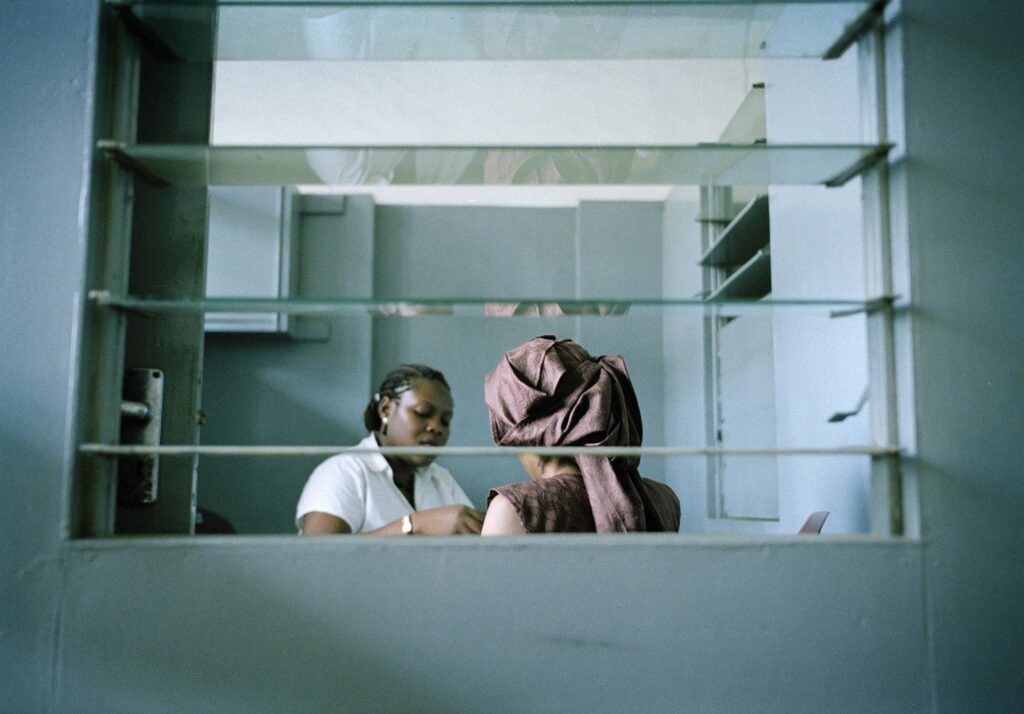
A woman receives advice from Medicins Sans Frontiers' adherence councillor Mary (left), who is herself HIV positive. The Lagos Island General Hospital where Medicins Sans Frontiers runs an HIV testing and treatment programme. Lagos, Nigeria MSF is treating HIV patients with antiretroviral (ARV) medicines at General Hospital-Lagos . In addition to providing actual treatment, the program offers voluntary counseling and testing, patient support to encourage adherence to treatment, treatment of opportunistic infections as well as social and psychological support. MSF believes that the program could be a model for more treatment programs. The organization is now actively promoting the use of lower-cost, generic ARV drugs in order to help expand treatment in the country. ©David Levene

Their experiences in Biafra helped establish a defining principle of our organisation: providing medical care and bearing witness to human suffering must go hand in hand. Nigeria therefore occupies a unique place in MSF’s history, both as a country where we witnessed a devastating humanitarian crisis and, decades later, as the home of one of our largest and longest-running medical humanitarian operations globally.

From epidemics to complex emergencies 

MSF responded to a yellow fever outbreak in Nigeria in 1987, carrying out a vaccination campaign that reached more than 2.5 million people around Ibadan and in Anambra state. But the meningitis epidemic in northern Nigeria in 1996 marked the beginning of our continuous presence in the country. MSF teams vaccinated about 3.5 million people during the epidemic.

People’s needs continued to change, and so did MSF’s response. We have increasingly worked in places where conflict, insecurity, displacement and natural hazards have disrupted access to healthcare since 1996. 

Today, MSF works across Anambra, Borno, Bauchi, Jigawa, Kaduna, Kano, Katsina, Kebbi, Sokoto and Zamfara states, combining longer-term healthcare programmes with emergency responses. Teams support children with severe malnutrition, provide maternal and neonatal care, respond to disease outbreaks, support victims and survivors of violence and sexual violence, and bring healthcare closer to communities facing barriers to access. MSF has also maintained capacity to respond to emergencies in other states across the country. 

Some of MSF’s most significant responses have involved crises that might otherwise have remained invisible.
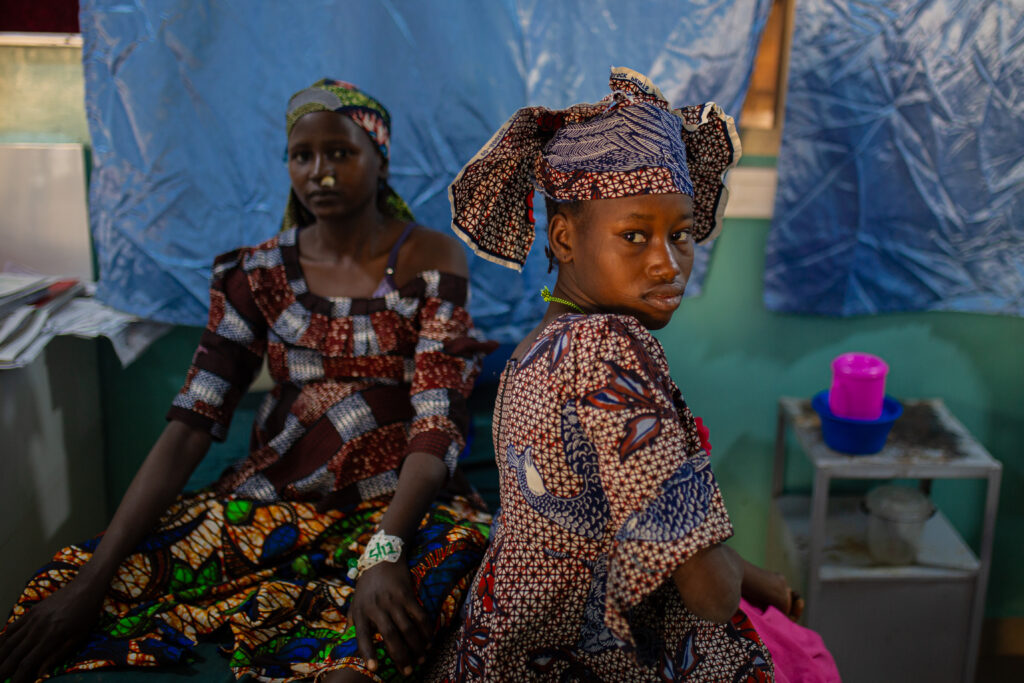
Some women need to share a bed at the inpatient department (IPD) as an important number of women require healthcare at Jahun general hospital. There are three IPDs, with around 18 bed capacity in each. Faiya is 22 years old, she suffers from anaemia and is pregnant. She had a first delivery at home 5 years ago and had eclampsia, so she already came to Jahun general hospital to find medical assistance. “Since I lost my father, I do not feel well” she explains. According to a nurse, the problems she experienced are related to her food diet which contains a lot of salt. ©MSF

In 2010, MSF was alerted to unusually high numbers of children dying in Zamfara state. The cause was eventually identified as lead poisoning. MSF treated affected children while supporting longer-term efforts to address the causes of the poisoning and advocating for environmental remediation and safer mining practices. 

In Sokoto, MSF has supported the Nigerian Ministry of Health’s Noma hospital since 2014. Noma is a devastating but preventable disease associated with extreme poverty and malnutrition. For people who survive it, the consequences can extend far beyond physical injury, affecting their ability to eat, speak, attend school, work and participate in community life. Our support at the hospital includes reconstructive surgery, malnutrition and mental health care, community outreach, research, and advocacy. 

In 2023, the World Health Organization recognised noma as a neglected tropical disease, following an initiative spearheaded by the Nigerian government and supported by partners, including MSF. 

The people who make the response possible 

Thirty years of medical humanitarian work in Nigeria would not have been possible without the people delivering it. Today, more than 3,400 people work for MSF in Nigeria, more than 90 per cent being Nigerian nationals.  

“Nigerian staff have been central to our ability to understand local realities and adapt our response,” says Dr Ahmed Aldikhari, MSF country representative for Nigeria. “They are the doctors, nurses, midwives, counsellors, logisticians, health promoters, drivers, administrators and many others, people who know the roads, the languages, the communities and the health system.” 

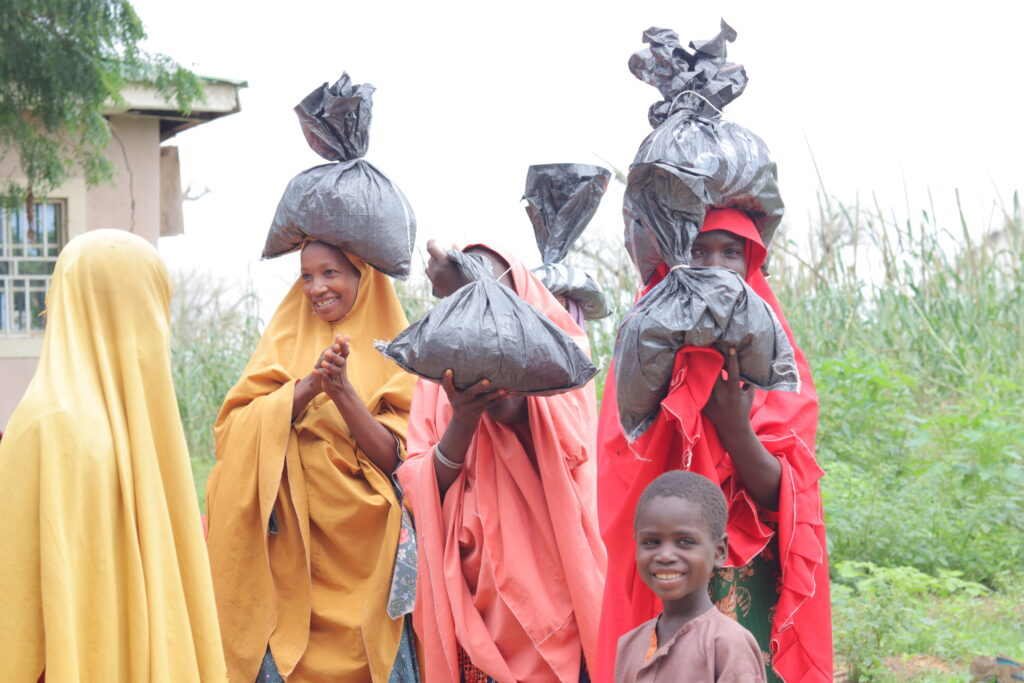
A group of women from Katsina state, received bags of supplementary food from MSF to prevent the risk of malnutrition of their children. Between July and September, MSF organized four round of distribution for more than 70 000 children. ©Elkanah Yakubu

MSF’s work has also always depended on collaboration. For three decades, MSF has worked alongside federal and state health authorities, particularly ministries of health, as well as communities, other humanitarian organisations, academic institutions, professional bodies, and more partners. 

In many places, MSF’s role has been to complement existing services, provide additional capacity during emergencies, strengthen approaches to care, and support health workers through training and mentoring. Through initiatives such as the MSF Academy for Healthcare, locally hired healthcare professionals can strengthen skills in patient assessment, clinical reasoning, and decision-making. 

A changing country, a changing response 

Nigeria in 2026 is vastly different from the country of 1996. Its population has grown, cities have expanded, the economy and technological landscape have evolved, and Nigerian culture has gained remarkable global recognition. 

Healthcare has also evolved, with new institutions, technologies, expertise, and approaches. Yet, these advances have not translated into equal access to quality healthcare for all, especially in northern Nigeria, where millions continue to face barriers to timely and essential medical care. Malnutrition remains a major concern, while noma continues to affect people living in conditions of poverty and malnutrition. Disease outbreaks place additional pressure on already stretched health services, while maternal and child health challenges persist. Conflict and insecurity continue to displace communities and disrupt access to essential services. These realities are further compounded by climate shocks, food insecurity, and poverty, creating overlapping humanitarian and health emergencies in which families face multiple, interconnected challenges. 

Our 30 years of working in the country has shown that there is rarely a single solution. An outbreak may require an emergency response today, but preventing another outbreak tomorrow may depend on investment in water and sanitation services, disease surveillance, and stronger general healthcare. A child with malnutrition may need lifesaving treatment immediately, but preventing malnutrition requires food, livelihoods, functioning health services and social support. 

The funding landscape has also become increasingly challenging. Humanitarian needs have grown while funding for emergencies and longer-term programmes has come under increasing pressure, making it harder for many organisations to sustain operations where needs are greatest. MSF’s model of funding — almost entirely supported by individual private donors rather than governments or institutional donors — has been central to our ability to remain independent and make decisions based on medical needs rather than political or funding priorities. 

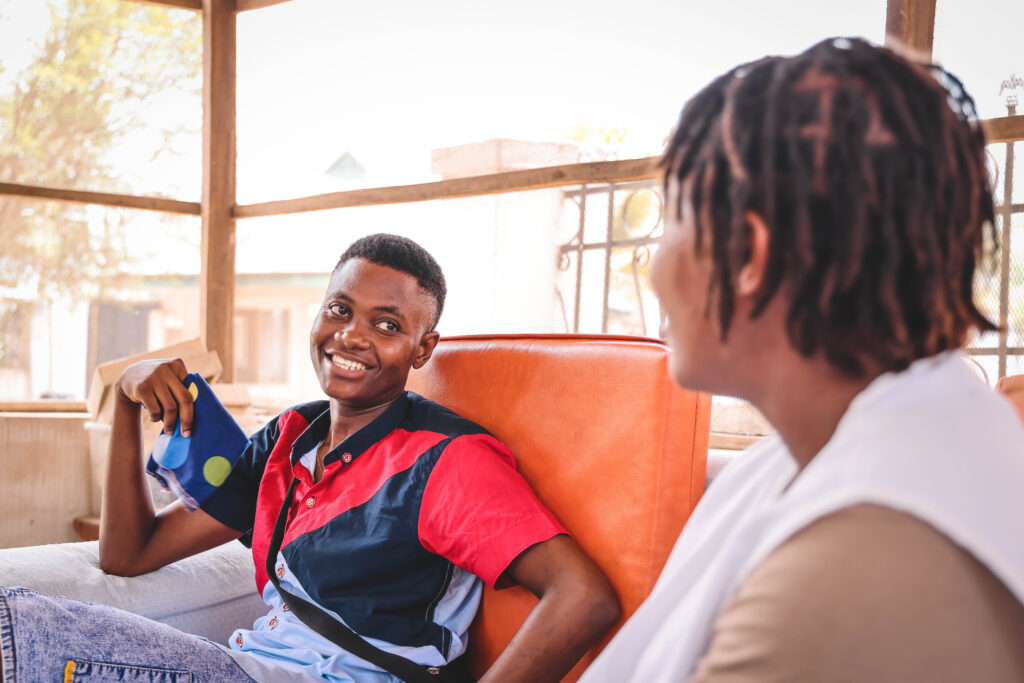
Nwojiji Peace Chioma, 26, is a Higher National Diploma 2 student, studying Library and Information Science in Federal Polytechnic Owana. She is a female footballer player who has taken part to several competitions. When she was diagnosed with Lassa fever, her studies and football career were both affected. She fell ill in January 2023 and after some self-medication, was taken to Federal Teaching Hospital Abakaliki, where she tested positive to Lassa fever. She said that she got it after returning from a football match in Ondo state. She finds the treatment painful and talks about the tough journey to recovery. She was discharged in February after testing negative and keeps having medical and mental health follow-ups. ©Abba Adamu Musa/MSF

“Our independence means that our decisions are driven by medical needs, not by where funding is available,” says Dr Aldikhari. “It allows us to stay when needs remain, even when the crisis is no longer attracting attention.” 

Adaptability, therefore, has been at the heart of MSF’s work in Nigeria.  

We are increasingly looking not only at what care is delivered, but how it is delivered. Across our operations, we are investing in reducing reliance on fossil fuels and moving towards cleaner, more sustainable energy sources.  

In several states, MSF has introduced solar-powered energy solutions as part of our efforts to reduce our environmental footprint while maintaining reliable power for essential medical services. 

Thirty years on, the work continues 

While thirty years is a moment to recognise the dedication of our teams and the resilience of the people and communities we serve, it is also a time for MSF to reflect on our experience and strengthen how we provide healthcare. It is an opportunity to learn, improve, and ensure that care is more accessible, effective, and responsive to future needs. 

As we look ahead to our future humanitarian action in Nigeria, we will continue to bring care closer to communities, strengthen local capacity, use innovation to improve the quality of care, and ensure that people affected by crises have a meaningful role in shaping the services intended for them. 

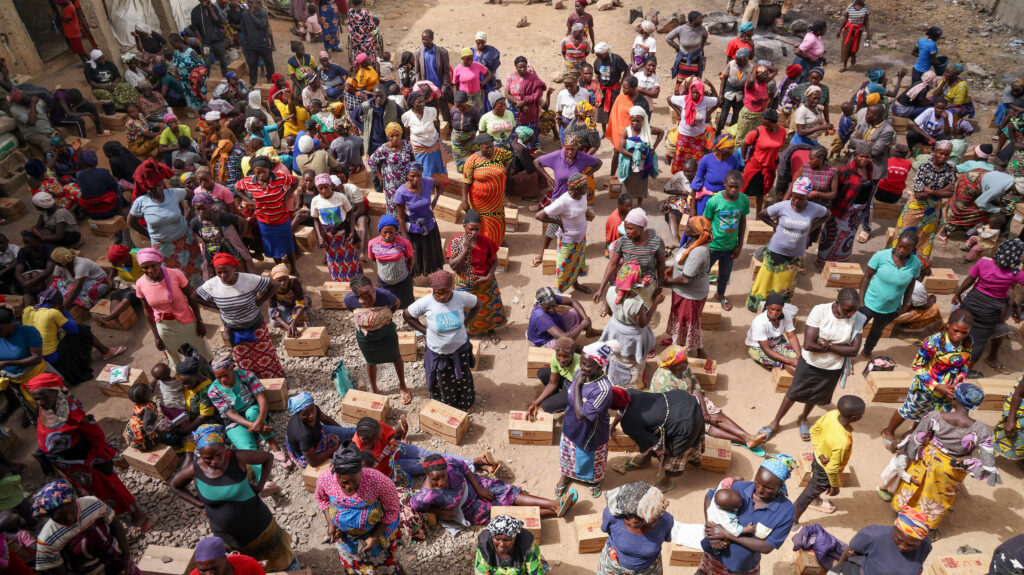
An aerial view of displaced populations standing beside the BP-5 compact food given to them distributed by MSF in Bokkos local government of Plateau state. Armed conflict had displaced some 30,000 people while leading to the death of another 200. MSF is distributing the BP-5 compact food to 700 households in Barkin Ladi and Bokkos local government of plateau state. Plateau state. ©Abba Adamu Musa/MSF

“No community in Nigeria should be left behind. Preventable disease must be prevented. Children must have access to adequate nutrition and quality healthcare,” adds Dr Aldikhari. “Women must be able to access safe maternal care. People affected by conflict and displacement must be able to access healthcare. Outbreaks must be detected and contained before they become disasters. And communities must be at the centre of decisions about the healthcare they receive.”