After four years of close collaboration, Médecins Sans Frontières, together with Tajikistan’s Ministry of Health and Social Protection of the Population and the National Tuberculosis Programme, has completed the Zero TB project in Kulob—one of the regions most affected by tuberculosis (TB), including drug-resistant TB.
Launched in 2021, the project aimed to strengthen TB detection, treatment, and prevention services in Kulob and surrounding districts. Working alongside national and local health authorities, MSF focused on improving early diagnosis, expanding access to quality, person-centred care, and reinforcing the long-term capacity of TB services.
Together, we have focused on reducing the burden of tuberculosis in the most affected regions through community engagement and sustainable healthcare practices. Through our joint efforts, we have introduced comprehensive and innovative approaches to tackling TB—helping to build national capacity and improve access to quality care.
Omer A. Abdulla
MSF head of programmes
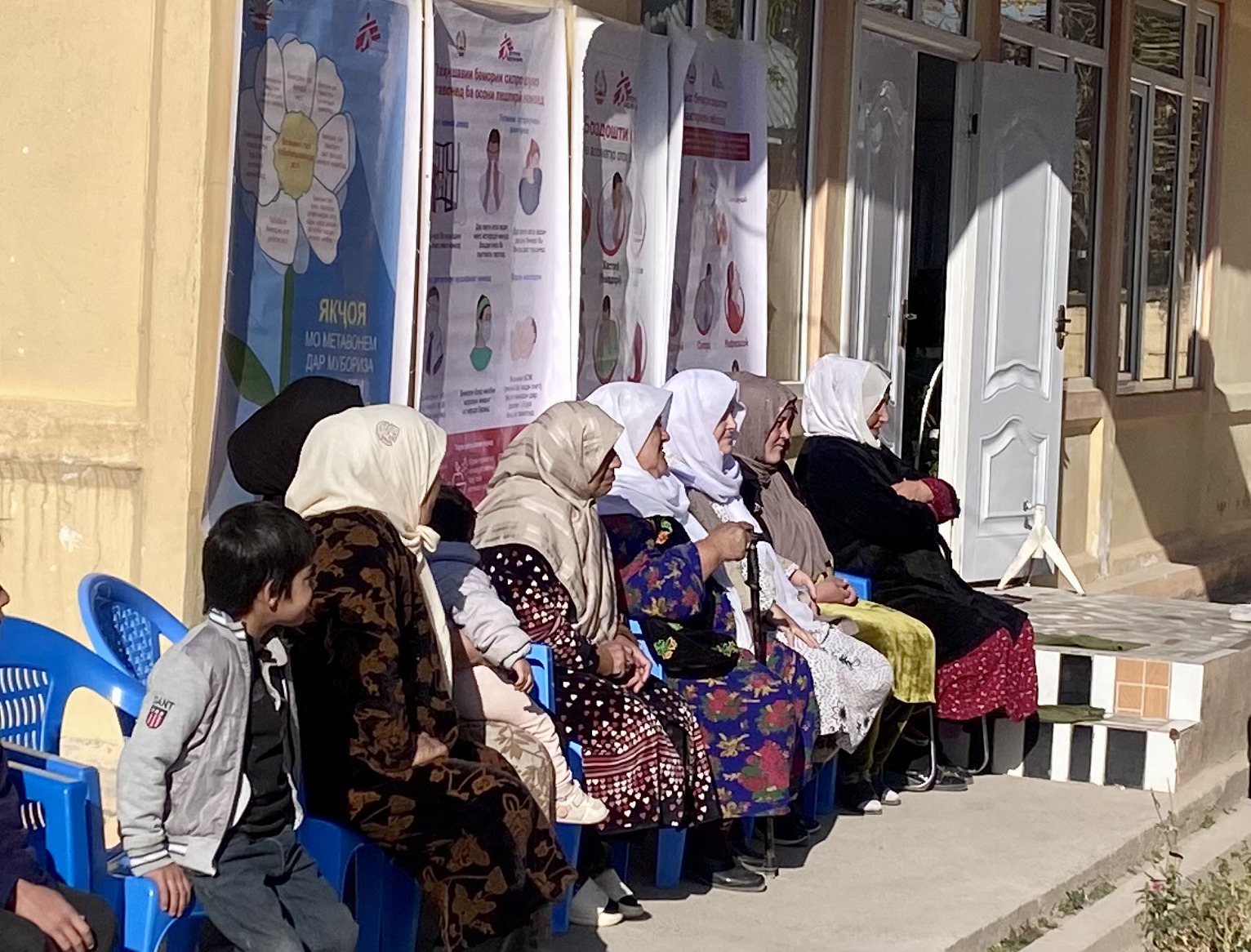
A central pillar of the project was intensified case finding and contact tracing to identify people with TB earlier and reduce transmission. Throughout the duration of the project, MSF teams reached almost 50 villages across four jamoats and Kulob city, screening more than 22,500 people. Over 2,200 close contacts of people with TB were identified for screening, and 387 started preventive TB treatment. Thirty people were diagnosed with TB and began treatment through active screening. At the Kulob City TB Centre, MSF also supported the treatment of nearly 702 patients with drug-resistant TB.
“The approaches implemented in Kulob reflect the core components of national tuberculosis control strategies, including early detection, effective treatment, preventive interventions, and integrated community-based care,” said Dr. Ziyoviddin Valiev, director of the Republican Centre for Protection of Population from Tuberculosis of Tajikistan.
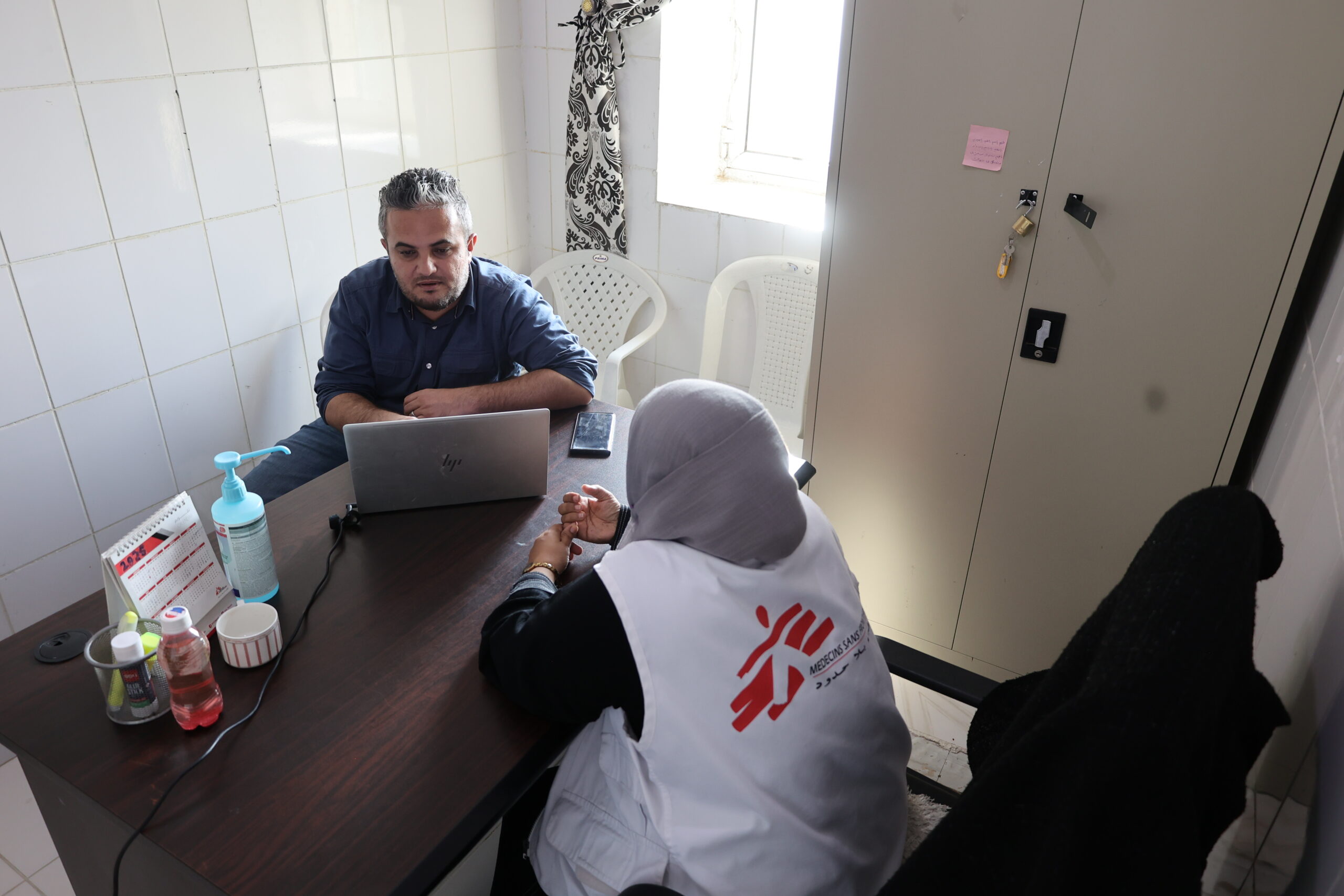
Beyond medical care, the project introduced psychosocial support for TB patients—addressing stigma, anxiety, and the social and economic challenges linked to long treatment courses. Counselling and support services helped patients remain engaged in care and complete their treatment.
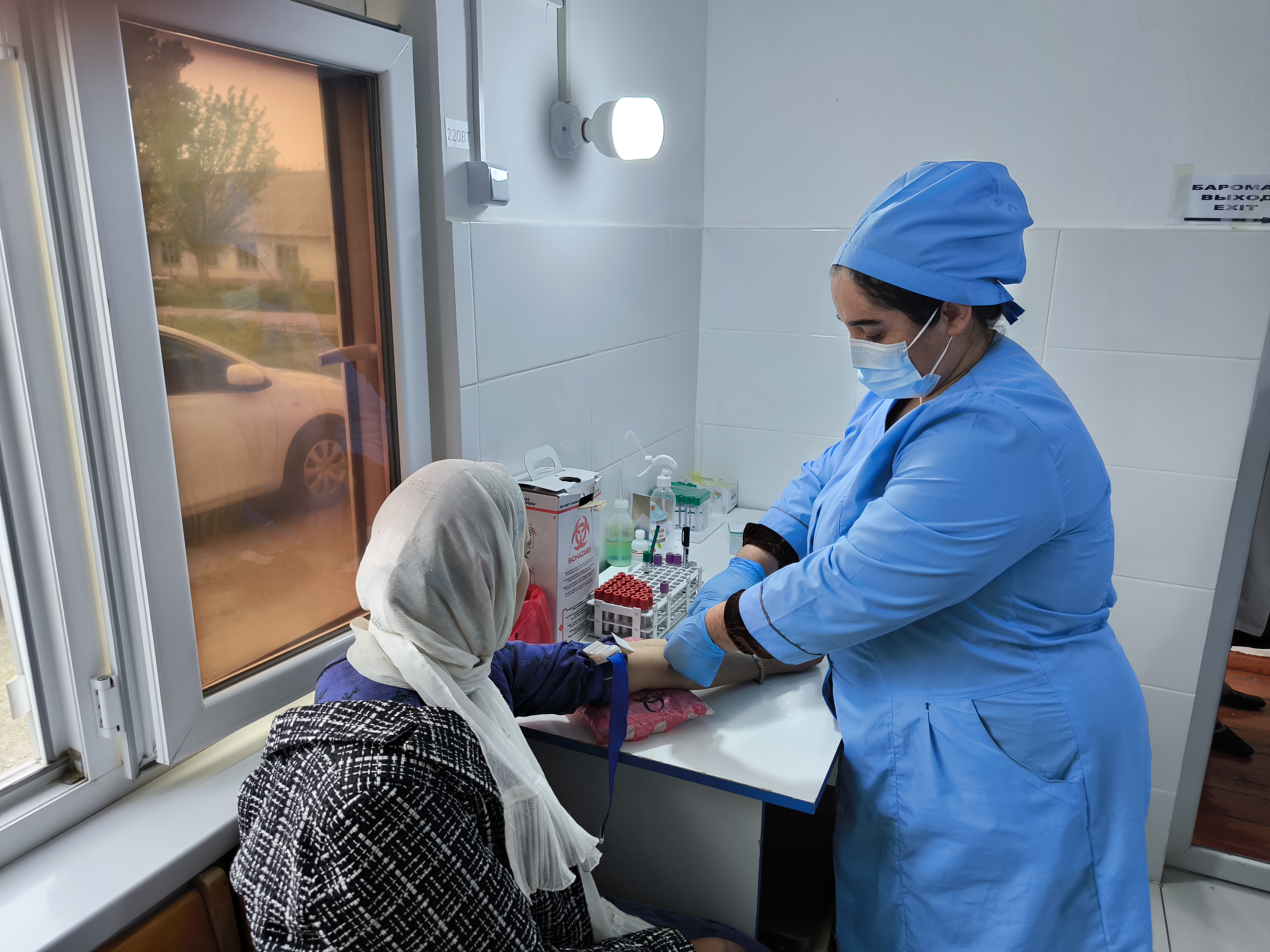
“At the beginning of the disease, I was very weak and could barely walk,” said Kurbonali Shakhov, a former TB patient. “The medical staff took very good care of me. I have fully recovered and now feel strong and healthy again.”
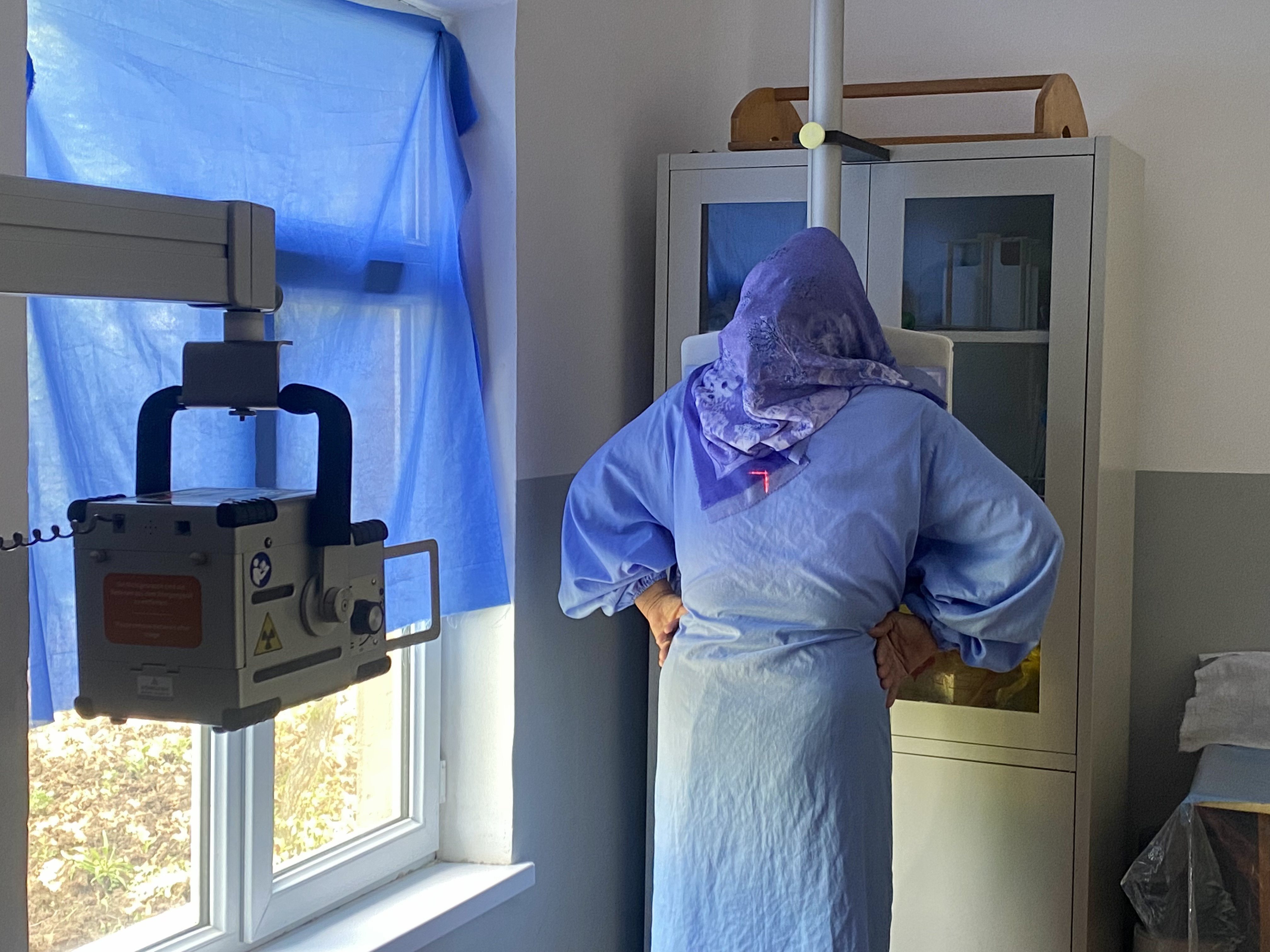
The Zero TB project builds on years of collaboration between MSF and Tajikistan’s health authorities, including support for TB diagnosis and treatment nationwide, paediatric TB care in Dushanbe, scientific exchanges, telemedicine support, and the introduction of artificial intelligence–supported X-ray diagnostics in Kulob.
While the project has now concluded, the improvements introduced are expected to continue benefiting patients and healthcare workers. Strengthening early diagnosis, integrating psychosocial support, and maintaining person-centred TB care remain essential in the ongoing effort to reduce and ultimately eliminate tuberculosis in Tajikistan.
From 2011 to 2024, MSF also worked in the country’s capital, Dushanbe, pioneering life‑saving treatment for children with multidrug‑resistant TB. Over 13 years, the project introduced innovative diagnostics and treatments, helped shape national TB guidelines, and demonstrated that drug‑resistant TB in children can be successfully diagnosed and treated.
Although MSF’s activities may adapt over time in response to contextual, administrative, and strategic considerations, we remain committed to a principled presence in Tajikistan, with a continued focus on supporting vulnerable people.