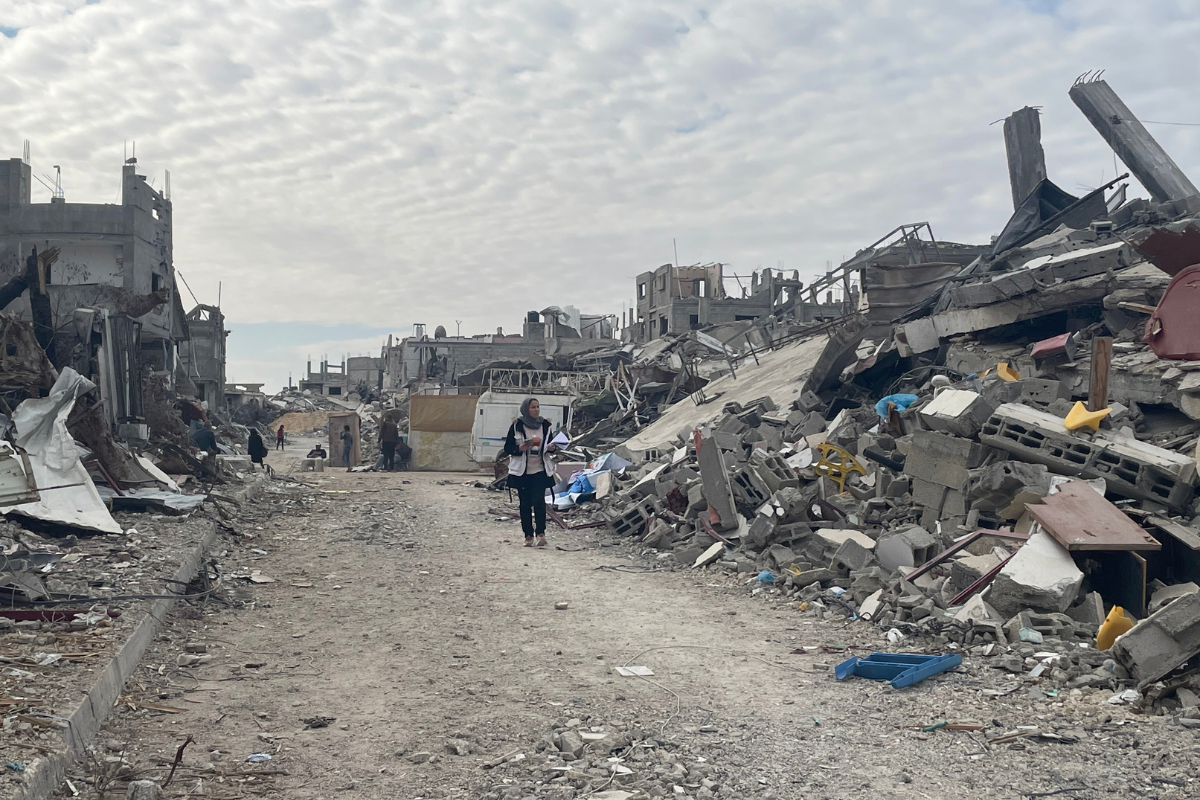
Years of conflict have severely weakened healthcare services across Daraa governorate, Syria. Health facilities continue to face shortages of trained staff, medicines, and medical supplies, alongside unreliable infrastructure and a weak referral system. Financial barriers also remain significant, with many patients having to pay out of pocket for services or medicines they cannot afford. These gaps are particularly acute for maternal and newborn care, while mental health services and treatment for chronic diseases also remain limited.
In the Nawa region of Daraa governorate, the Directorate of Health estimates that around 90,500 people rely on health services in the area, including nearly 23,000 women of reproductive age and almost 18,000 children under 5. At the same time, people returning after years of displacement are adding to the demand on already strained services. Nawa National Hospital serves communities from across the surrounding area and functions as an important referral facility for patients requiring secondary care.
In 2026, around 604,000 people in Daraa governate are estimated to need health assistance. As of 3 September, UNHCR recorded 149,682 refugee returnees to Daraa governorate. Nawa National Hospital serves communities across Daraa governorate and neighbouring Quneitra; MSF has previously estimated that its activities at Nawa National Hospital help support a population of around 1.2 million people across Daraa and surrounding communities.
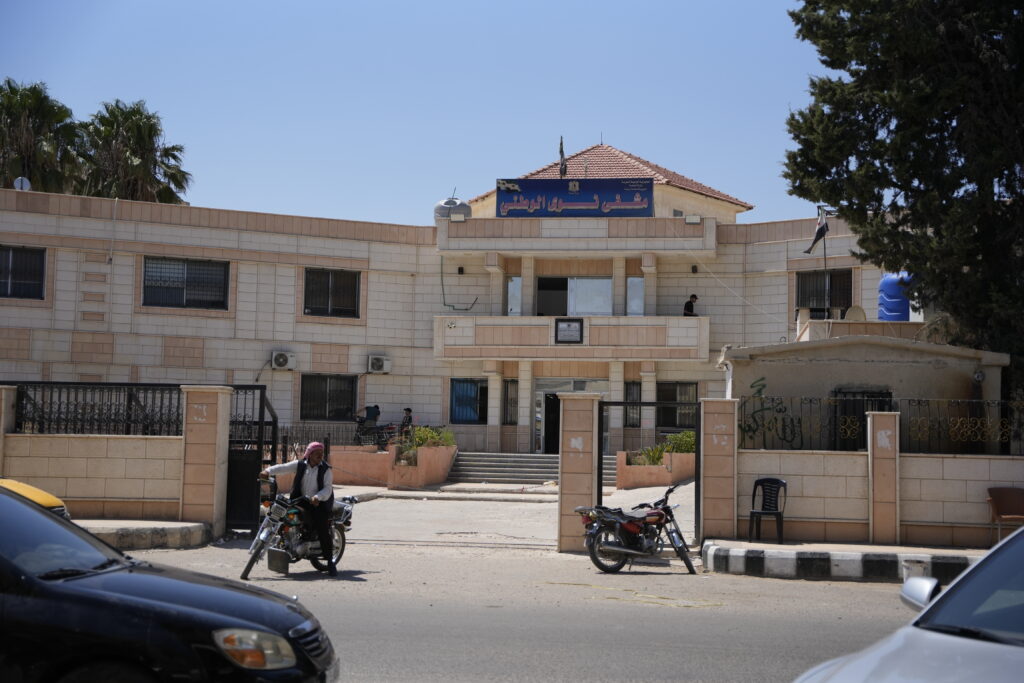
For one family from Tal Shihab in southern Syria, reaching the healthcare they needed meant travelling to Nawa National Hospital. “Because of our difficult financial situation, I could not afford the cost of a caesarean section [for my wife],” says Bilal Bashndi, whose baby was born at Nawa National Hospital. “We came from Tal Shihab. It took us around an hour and a half by car to reach the hospital.”
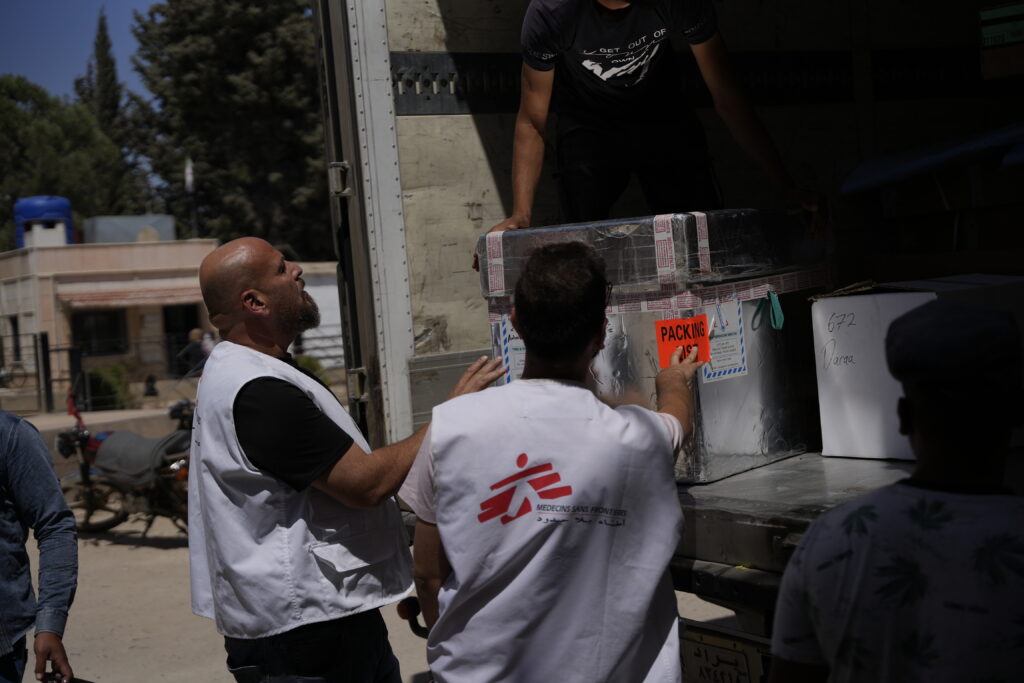
Since Médecins Sans Frontières/Doctors Without Borders (MSF) began supporting Nawa National Hospital, working with the Directorate of Health to strengthen both medical services and the hospital systems needed to provide them, activities have included rehabilitation and reorganisation of key hospital spaces, repairing the hospital elevator, medical equipment, and supplies, and support to the obstetrics and gynaecology and neonatal departments.
This year, work has also included the reorganisation of the operating theatre and continued improvements to the pharmacy and other hospital support services. MSF also supports infection prevention and control, including cleaning, disinfection, and sterilisation, as well as essential services such as laundry and central sterilisation and the operation of a kitchen providing meals for patients.
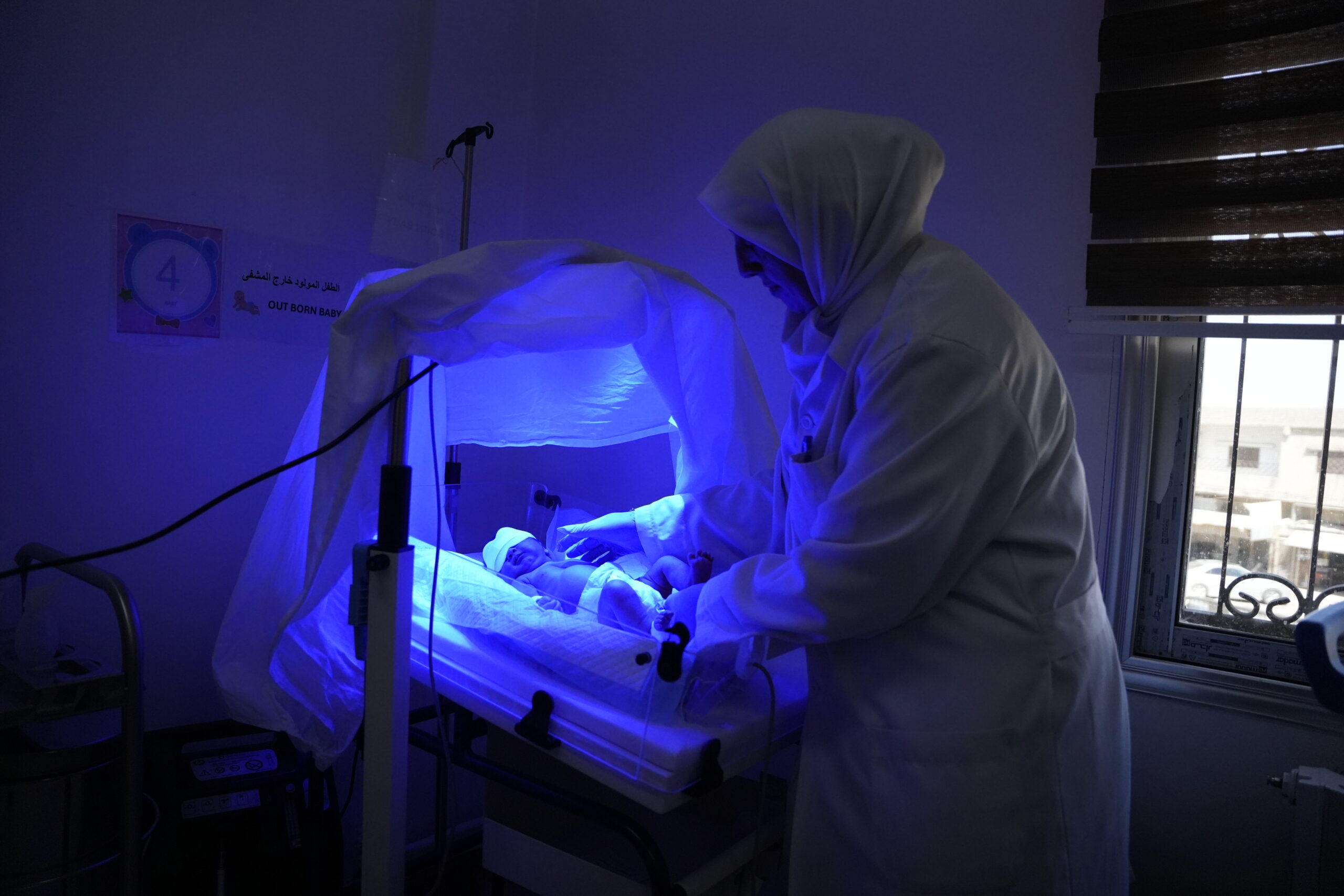
At Nawa, MSF supports obstetric and gynaecological care and neonatal services, including vaginal and caesarean deliveries, antenatal and postnatal care, family planning, and care for newborns. MSF provides training for medical staff as well.
Some services have changed significantly over the past year,” says Tariq Al-Mohammad, MSF’s deputy project medical referent. “The neonatal department, which was previously not functioning, is now operational, while specialist coverage and access to medicines and medical supplies have improved. We can see a noticeable improvement in the services.”
During the first year of activities, Nawa National Hospital’s obstetrics and gynaecology departments admitted more than 7,100 mothers and have assisted 3,140 births — with 794 surgical intervention — while 315 newborns were admitted and treated with MSF-supported neonatal care.
Beyond Nawa National Hospital, MSF also supports primary healthcare services at Tasil Health Centre, helping people in Tasil and surrounding communities access care closer to where they live. Mental health, health promotion, and community engagement activities are also part of MSF’s support in Tasil.
Mental health needs after years of conflict
The consequences of years of conflict in Daraa extend beyond physical healthcare. Repeated exposure to violence, displacement, economic hardship, and major changes in people’s living conditions have created significant mental health and psychosocial needs. For people returning after years away, reintegrating into communities that have themselves changed can bring additional social, economic, and psychological challenges.
MSF provides mental health and psychosocial support in Nawa and Tasil, including community-based activities, individual and family support, and specialised care.
“The community today needs mental health services,” says Yousef Hannou MSF’s mental health activity manager in Daraa. “People have lived through years of war and repeated traumatic events.”
Hannou says that some returnees are coming back after spending many years outside Syria, sometimes to communities with damaged infrastructure, limited services, and very different living conditions from those they left behind. Adapting to these changes, alongside economic difficulties and the effects of past traumatic experiences, can further affect people’s mental wellbeing.
MSF health promotion and community engagement teams work with people in Nawa, Tasil, and surrounding communities through health education sessions, regular meetings with community representatives, and group discussions. The teams gather feedback on barriers to healthcare, concerns about the services provided, and suggestions for how they can be improved.
“One of our main achievements in community engagement has been establishing networks of community health workers in Nawa and Tasil, made up of people from the communities themselves,” says Mohammad Abazid, MSF health promotion supervisor. “We wanted community health workers to come from the same communities, so that participation is more effective.”
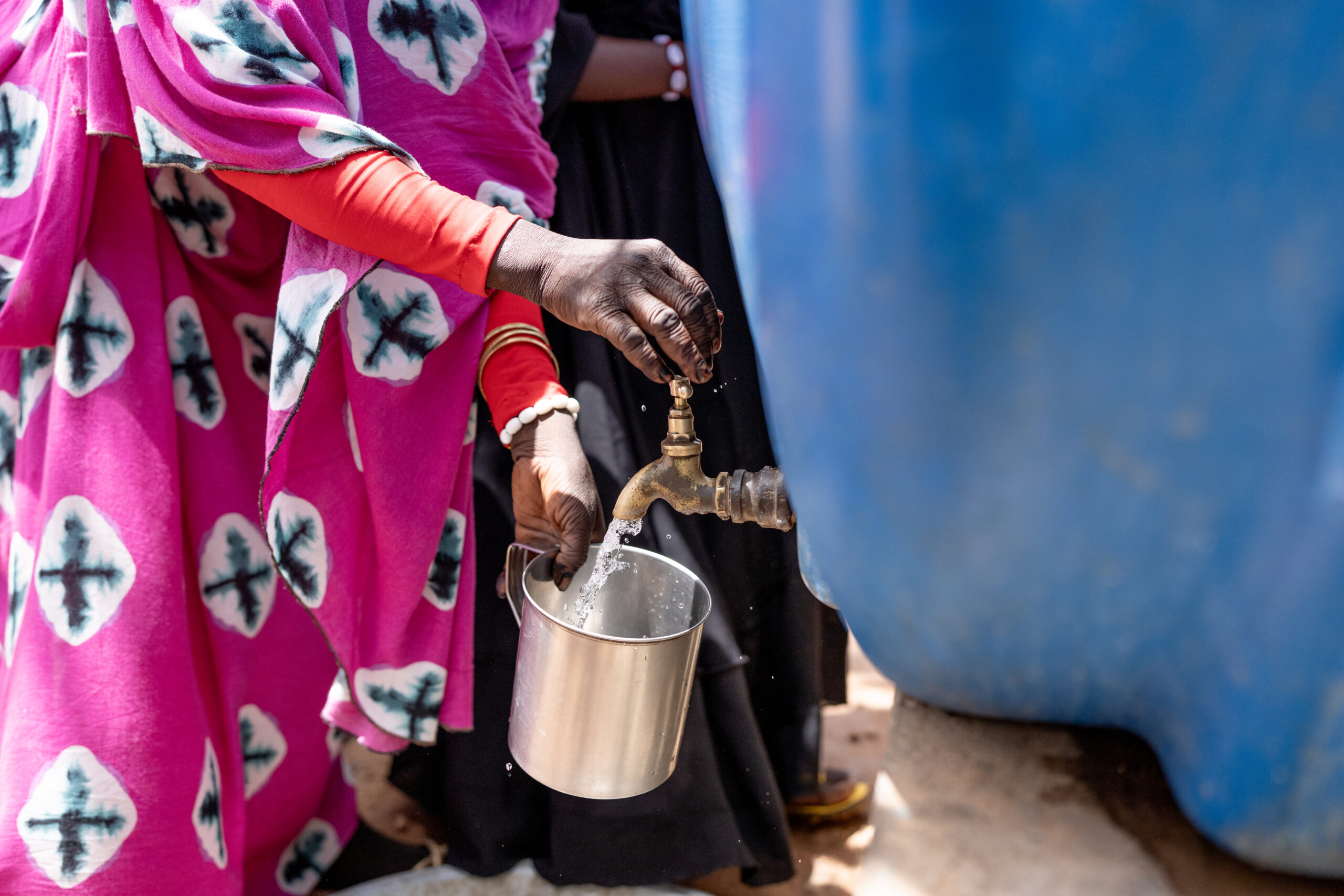
MSF has also strengthened infection prevention and control measures within the facility. In addition, water and sanitation teams have ensured adequate water supply and proper waste disposal at the facility over the past year. MSF is initially supporting the hospital’s water supply with around 70.000 liters of water per month. These interventions have significantly improved the overall functionality and quality of services at the hospital.
Despite incipient recovery over the past year, significant gaps remain across Daraa’s healthcare system. Substantial support is still needed to ensure patients can access consistent, good-quality care closer to home.