In South Sudan, conflict is not only forcing families from their homes — it is also depriving children of basic healthcare and protection against preventable diseases. Since 2025, violence and insecurity have repeatedly interrupted vaccination services, leaving large numbers of children unvaccinated and increasing the risk of deadly outbreaks in overcrowded displacement sites and remote communities.
MSF urges donors, health partners, and all parties to the conflict to guarantee safe and unimpeded humanitarian access and refrain from any action that obstructs the delivery of life-saving aid to people in need. MSF also calls for urgent action to strengthen immunization coverage, ensure uninterrupted vaccine supply, and support the delivery of services to the most hard-to-reach and vulnerable communities.
Every child we reach with a vaccine is a child protected from diseases that are now largely controllable. But in South Sudan, access is still dictated by conflict and displacement. When vaccination is interrupted, outbreaks are not a risk — they are a certainty. We are racing against time to close immunity gaps before more lives are lost.
Mahimbo Hussein Philemon
MSF staff in charge of measles vaccination campaign in Tonj South County, Warrap State
In the first months of 2026, to address the growing health risks, MSF scaled up vaccination activities across several regions and counties of South Sudan, supporting emergency responses and routine immunization services in areas where conflict and displacement have weakened healthcare systems and where people have faced years of limited access to care.
Wide-scale vaccination response across South Sudan
Vaccination activities were a core pillar of the 2026 cholera emergency response in Ayod and Duk counties, in the northeastern part of South Sudan. Over 89,000 people were vaccinated against cholera, including children. In parallel, in Ayod, intensified immunization efforts during April and May reached 18,626 children with polio vaccinations and 9,625 children with measles vaccinations, strengthening outbreak control measures in highly affected areas. In addition, 41,931 doses of multi antigen vaccine against malaria, measles, Rotavirus and PCV (pneumococcal vaccine) were administered in Aweil region.
In both the Abyei Special Administrative Area and Tonj South County, MSF supported the Ministry of Health in responding to measles outbreaks and strengthening immunization coverage among vulnerable children, with more than 40,000 children vaccinated in both locations. In Abyei and Tonj South, the vaccination campaign delivered through both fixed and mobile teams across internally displaced people’s sites, border areas, and remote communities, achieving over 95 per cent coverage and helping reduce the risk of further transmission.
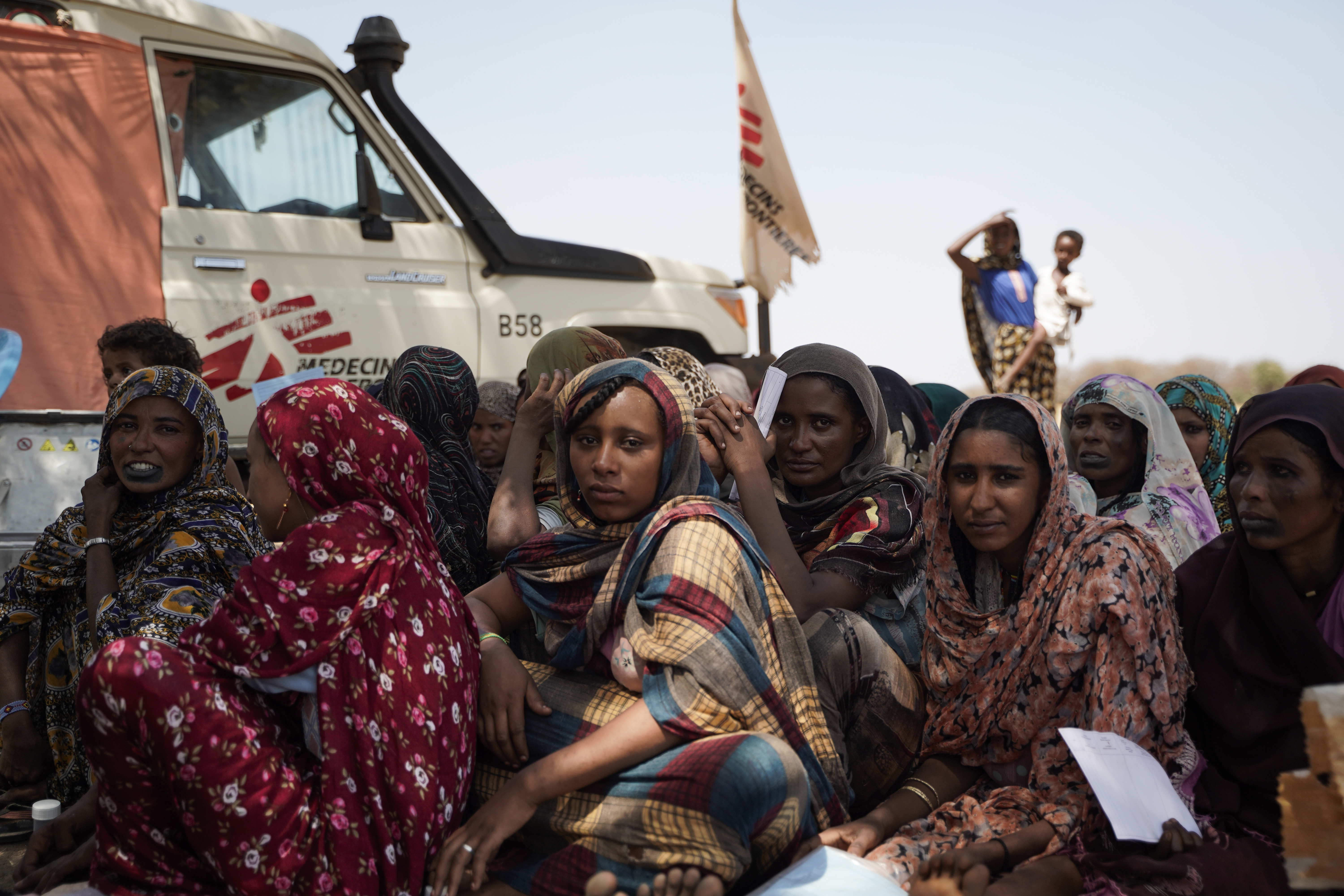
MSF operates in Renk County, supporting Gospami Health Facility, and the pediatric ICU and maternity unit at Renk Hospital in collaboration with the Ministry of Health. In addition, MSF provides primary healthcare through mobile clinics in three locations: Tebek, Tebeldia, and Bangadit. At hospital level, care is provided in a severely resource-constrained environment, with limited capacity to manage complicated or critical cases. This further increases the risk associated with delays in reaching secondary care. ©Giulia Gustavsen Angelini/MSF
In addition to these large-scale campaigns, MSF continued to support routine immunization services from January to April in Renk, Yei, Kajo Keji, and Greater Pibor. Renk in particular reported high vaccination coverage results, driven by sustained outreach activities and mobile clinics reaching returnee and refugee communities. Across these locations, a total of 13,083 doses of vaccines — including BCG (for tuberculosis), polio, measles, rotavirus, and malaria — were administered.
Targeted interventions were also conducted to close critical immunity gaps in underserved and high-risk areas. In Ulang County, 5,938 children were vaccinated against measles and received pentavalent (five-in-one) vaccines in Barmach and Nyangore. The second round of vaccination in Ulang was planned. However, due to access constraints, MSF had to cancel the campaign. In Chuil, a phased multi-antigen campaign reached over 800 people. In Minkamman, where persistently low coverage coincided with an active cholera outbreak, MSF mounted an emergency response across all internally displaced people’s sites, vaccinating over 25,000 people to rapidly reduce transmission risk.
Sustaining vaccination is essential to prevent future outbreaks
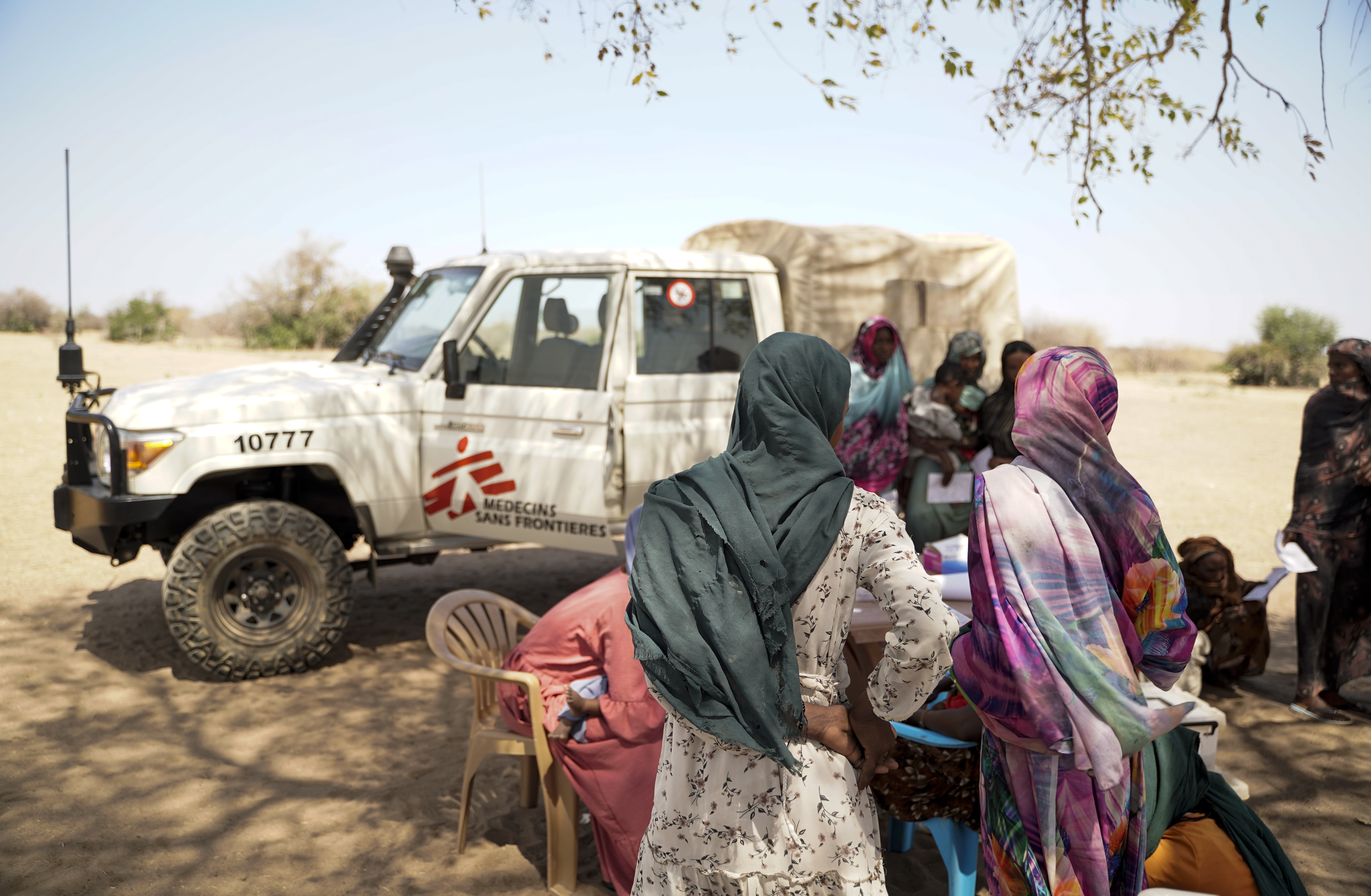
MSF operates in Renk County, supporting Gospami Health Facility, and the pediatric ICU and maternity unit at Renk Hospital in collaboration with the Ministry of Health. In addition, MSF provides primary healthcare through mobile clinics in three locations: Tebek, Tebeldia, and Bangadit. At hospital level, care is provided in a severely resource-constrained environment, with limited capacity to manage complicated or critical cases. This further increases the risk associated with delays in reaching secondary care. ©Giulia Gustavsen Angelini/MSF
Preventing future outbreaks will depend on sustained, safe, and unhindered access to vaccination and essential health services for people caught in South Sudan’s ongoing humanitarian crisis. Without consistent investment and reliable access, preventable diseases will continue to spread, undermining fragile gains and putting thousands of lives—especially those of young children—at risk.
The vaccination campaigns in South Sudan are frequently disrupted, leading to missed vaccinations and large cohorts of zero-dose and under-immunized children, particularly in hard-to-reach and conflict-affected counties. As a result, while outbreak response and campaign-based vaccination are often effective, routine vaccination is not yet consistently sustained nationwide. For example, 2025 measles campaign led by the Expanded Programme on Immunization (EPI) and supported by WHO reached 85 per cent nationally, but only 38 per cent of counties achieved the 95 per cent threshold needed to stop transmission . Its implementation remains highly uneven due to recurring conflict, population displacement, limited access to remote areas, weak health infrastructure, and persistent supply chain and cold-chain constraints.
“Measles, cholera, and polio should no longer be killing children, yet they continue to spread where health services collapse,” says Hussein. “Vaccination is one of the few tools that can still break this cycle — but only if we are able to reach people in time.”
In a context where health systems remain fragile and emergencies are recurrent, timely action is not optional—it is essential to prevent avoidable suffering and loss of life.